
The Untamed Stone: Discovering Krak des Chevaliers, Syria’s Medieval Masterpiece
An immersive guide to Krak des Chevaliers (Qal’at al-Hosn), Syria’s crown jewel of medieval military architecture. Discover its breathtaking dual-fortress design, legendary Crusader and Islamic history, and why this UNESCO World Heritage site remains a bucket-list destination for cultural tourism in Syria.
.jpeg)
.jpeg)
What to expect?
If you stand atop the windswept hills of western Syria, between the vibrant city of Homs and the Mediterranean coast, you will encounter a fortress that looks less like a ruin and more like a mountain sculpted by human hands. This is Krak des Chevaliers, one of the most legendary medieval castles in Syria and a pinnacle of historic castle architecture. For anyone exploring Syria tourism, this UNESCO World Heritage site offers an unforgettable journey back to the age of chivalry, brutal sieges, and brilliant military strategy.
Known locally as Qal’at al-Hosn, this grand fortress rests 650 meters above sea level, guarding the strategic Homs Gap. It is not just an ancient building; it is a living chronicle where Western Crusader engineering and Eastern Islamic fortification blend into a single, breathtaking monument of stone.
A Shield of Two Walls: The Architecture of Impregnability
What makes Krak des Chevaliers a masterpiece of military genius is its brilliant "concentric" design—essentially, a fortress within a fortress.
The Outer Wall (The First Line of Defense)
The outer ring consists of a massive curtain wall reinforced by 13 defensive towers, varying in shape from square to circular. This layer was built to absorb the initial shock of any invading army. Surrounding this outer defense is a massive, rock-cut moat that adds a formidable layer of security.
The Inner Fortress (The Heart of the Castle)
Separated from the outer wall by a 70-meter-long water reservoir, the inner fortress is an independent citadel. Perched higher than the outer walls, it features five towering defensive bastions. To enter, one must navigate a long, winding, vaulted corridor designed specifically to trap and disorient attackers in pitch-black darkness. Inside this inner sanctuary, the castle unfolds into two levels:
The Ground Floor: A sprawling courtyard surrounded by vaulted storerooms, a massive refectory, wine presses, and a great meeting hall.
The Upper Floor: Open-air terraces, defensive towers, and secure barracks for the elite troops.
A Walk Through History: The Castle's Landmarks
Krak des Chevaliers was a self-sustaining military city. Walking through its gates today feels like stepping onto a medieval movie set. Several structures remain remarkably intact:
The Hall of the Knights: A stunning display of Gothic architecture, featuring elegant ribbed vaults and delicate stone carvings that contrast beautifully with the castle's rugged military exterior.
The Chapel turned Mosque: Originally built by the Crusaders, this sacred space was converted into a mosque following the Muslim reconquest. Elements of both faiths, including a preserved mihrab (prayer niche), coexist side by side.
The Towers of the Masters: Among the many towers, the circular Tower of the Castle Commander stands out. Nearby, the grand Tower of the King’s Daughter (Burj Bint al-Malik) offers panoramic views of the surrounding valleys.
The Royal Mamluk Hall: A highly fortified space featuring intricate inscriptions and robust masonry added during the Mamluk era.
Embedded within one of the inner walls, a beautiful Latin inscription still reminds visitors of a timeless truth:
"If you are gifted with grace, wisdom, and beauty, let not pride tarnish them, for pride destroys them all."
Echoes of the Past: Wars, Earthquakes, and Legends
The story of the castle is deeply tied to the diverse cultures that shaped Syria. Long before the Crusaders, the castle was known as Husn al-Akrad (Castle of the Kurds), named after the Kurdish soldiers settled there in the 11th century by the Emir of Homs to guard vital trade routes.
In 1099, during the First Crusade, Raymond de Toulouse briefly seized it, but it was Tancred, Prince of Antioch, who took full control in 1110. By 1142, the castle was gifted to the Knights Hospitaller, who transformed it into an invincible stronghold for over a century.
The fortress withstood countless assaults. Even the legendary Nur ad-Din Zanki failed to capture it during his campaigns in 1163 and 1166. When a devastating earthquake shattered its walls in 1170, the resourceful Knights quickly rebuilt it, making it even stronger. Even Saladin (Salah ad-Din), fresh from his historic victory at the Battle of Hattin in 1188, besieged the castle for a month before realizing that a direct assault would cost too many lives, choosing instead to march toward the coast.
The turning point came in 1271. The Mamluk Sultan Baibars launched a sophisticated siege, utilizing massive trebuchets. Through a combination of military pressure and a forged letter advising surrender, Baibars successfully liberated the castle on April 8, 1271.
A Legacy Preserved for the World
Instead of destroying the conquered fortress, Sultan Baibars and his successors, including Sultan Qalawun, honored its strategic brilliance. They repaired the battlements, added massive rectangular towers along the vulnerable southern facade, and built traditional hammams (baths).
Today, despite the scars of modern conflicts, Krak des Chevaliers stands proud. It is a symbol of resilience, a crossroads where the architectural brilliant minds of Europe and the Levant met. For any traveler looking to experience the true heartbeat of history, this fortress is an absolute must-see on your Syrian itinerary.
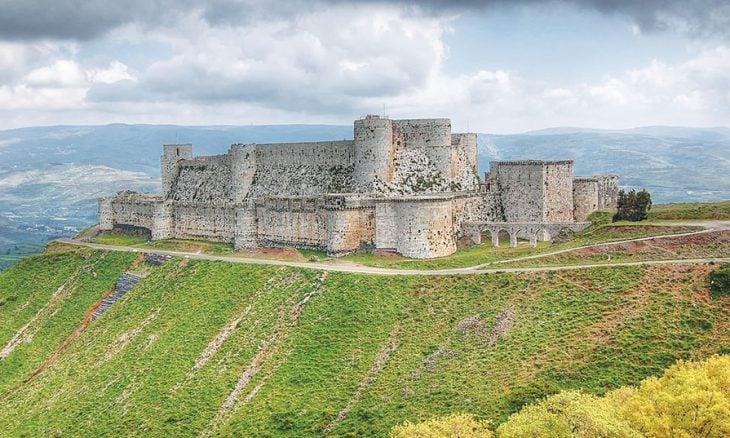
Known locally as Qal’at al-Hosn, this grand fortress rests 650 meters above sea level, guarding the strategic Homs Gap. It is not just an ancient building; it is a living chronicle where Western Crusader engineering and Eastern Islamic fortification blend into a single, breathtaking monument of stone.
A Shield of Two Walls: The Architecture of Impregnability
What makes Krak des Chevaliers a masterpiece of military genius is its brilliant "concentric" design—essentially, a fortress within a fortress.
The Outer Wall (The First Line of Defense)
The outer ring consists of a massive curtain wall reinforced by 13 defensive towers, varying in shape from square to circular. This layer was built to absorb the initial shock of any invading army. Surrounding this outer defense is a massive, rock-cut moat that adds a formidable layer of security.
The Inner Fortress (The Heart of the Castle)
Separated from the outer wall by a 70-meter-long water reservoir, the inner fortress is an independent citadel. Perched higher than the outer walls, it features five towering defensive bastions. To enter, one must navigate a long, winding, vaulted corridor designed specifically to trap and disorient attackers in pitch-black darkness. Inside this inner sanctuary, the castle unfolds into two levels:
The Ground Floor: A sprawling courtyard surrounded by vaulted storerooms, a massive refectory, wine presses, and a great meeting hall.
The Upper Floor: Open-air terraces, defensive towers, and secure barracks for the elite troops.
A Walk Through History: The Castle's Landmarks
Krak des Chevaliers was a self-sustaining military city. Walking through its gates today feels like stepping onto a medieval movie set. Several structures remain remarkably intact:
The Hall of the Knights: A stunning display of Gothic architecture, featuring elegant ribbed vaults and delicate stone carvings that contrast beautifully with the castle's rugged military exterior.
The Chapel turned Mosque: Originally built by the Crusaders, this sacred space was converted into a mosque following the Muslim reconquest. Elements of both faiths, including a preserved mihrab (prayer niche), coexist side by side.
The Towers of the Masters: Among the many towers, the circular Tower of the Castle Commander stands out. Nearby, the grand Tower of the King’s Daughter (Burj Bint al-Malik) offers panoramic views of the surrounding valleys.
The Royal Mamluk Hall: A highly fortified space featuring intricate inscriptions and robust masonry added during the Mamluk era.
Embedded within one of the inner walls, a beautiful Latin inscription still reminds visitors of a timeless truth:
"If you are gifted with grace, wisdom, and beauty, let not pride tarnish them, for pride destroys them all."
Echoes of the Past: Wars, Earthquakes, and Legends
The story of the castle is deeply tied to the diverse cultures that shaped Syria. Long before the Crusaders, the castle was known as Husn al-Akrad (Castle of the Kurds), named after the Kurdish soldiers settled there in the 11th century by the Emir of Homs to guard vital trade routes.
In 1099, during the First Crusade, Raymond de Toulouse briefly seized it, but it was Tancred, Prince of Antioch, who took full control in 1110. By 1142, the castle was gifted to the Knights Hospitaller, who transformed it into an invincible stronghold for over a century.
The fortress withstood countless assaults. Even the legendary Nur ad-Din Zanki failed to capture it during his campaigns in 1163 and 1166. When a devastating earthquake shattered its walls in 1170, the resourceful Knights quickly rebuilt it, making it even stronger. Even Saladin (Salah ad-Din), fresh from his historic victory at the Battle of Hattin in 1188, besieged the castle for a month before realizing that a direct assault would cost too many lives, choosing instead to march toward the coast.
The turning point came in 1271. The Mamluk Sultan Baibars launched a sophisticated siege, utilizing massive trebuchets. Through a combination of military pressure and a forged letter advising surrender, Baibars successfully liberated the castle on April 8, 1271.
A Legacy Preserved for the World
Instead of destroying the conquered fortress, Sultan Baibars and his successors, including Sultan Qalawun, honored its strategic brilliance. They repaired the battlements, added massive rectangular towers along the vulnerable southern facade, and built traditional hammams (baths).
Today, despite the scars of modern conflicts, Krak des Chevaliers stands proud. It is a symbol of resilience, a crossroads where the architectural brilliant minds of Europe and the Levant met. For any traveler looking to experience the true heartbeat of history, this fortress is an absolute must-see on your Syrian itinerary.
Reviews & Ratings
0.0
★★★★★
0 reviews
💬
No reviews yet. Be the first to review!
Accepted Payments
💵Cash
Contact & Location
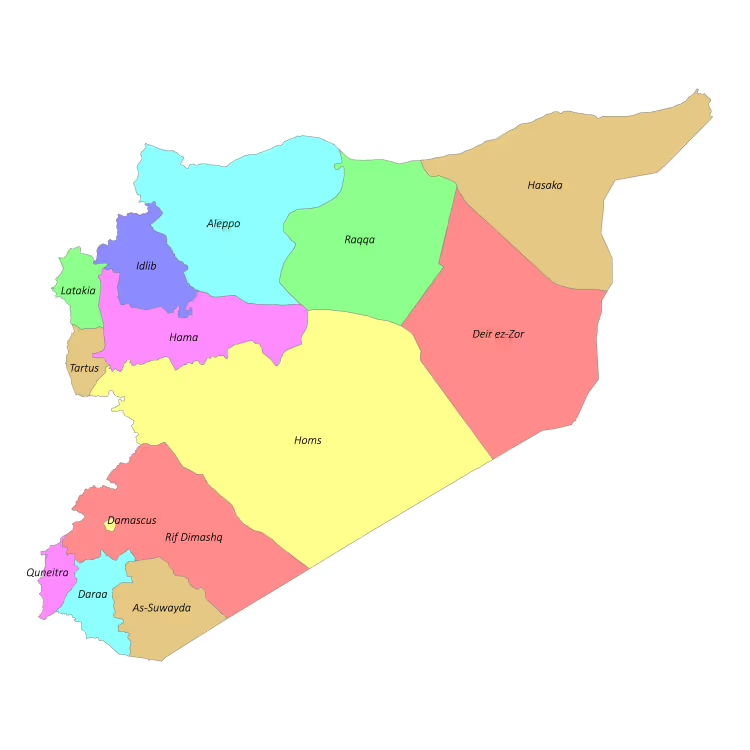
Homs
Activity
28
Views
7
Likes
📍 Location
The Untamed Stone: Discovering Krak des Chevaliers, Syria’s Medieval Masterpiece
More in Homs
.webp&w=1200&q=75)
Syria 3-Day Tour: From Mashta Al-Helou & Al-Kafroun to Tartous & Arwad
Tartus
New
Suggested Itineraries
Bahar Organization in Syria Restoring Hope and Strength
Tartus
New
Syria-Rising.jpg&w=1200&q=75)
A Guide to the Country’s Most Iconic Traditional Souqs
Aleppo
New
Markets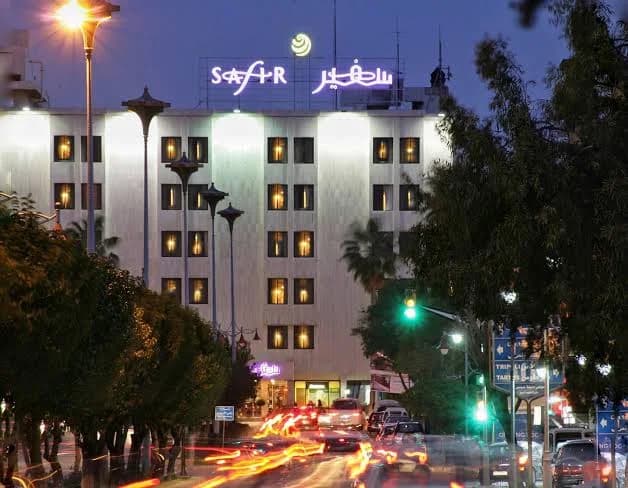
Top 5 Hotels in Homs, Local Flavors, & Unforgettable Adventures
Homs
New
Hotels
A New Era for Syria’s Digital Future and Tourism
Idlib
New
ServicesAl-Rastan Bridge: The Full Story of Resilience and Rebirth in New Syria
Hama
New
Syria-RisingMore Adventure Places
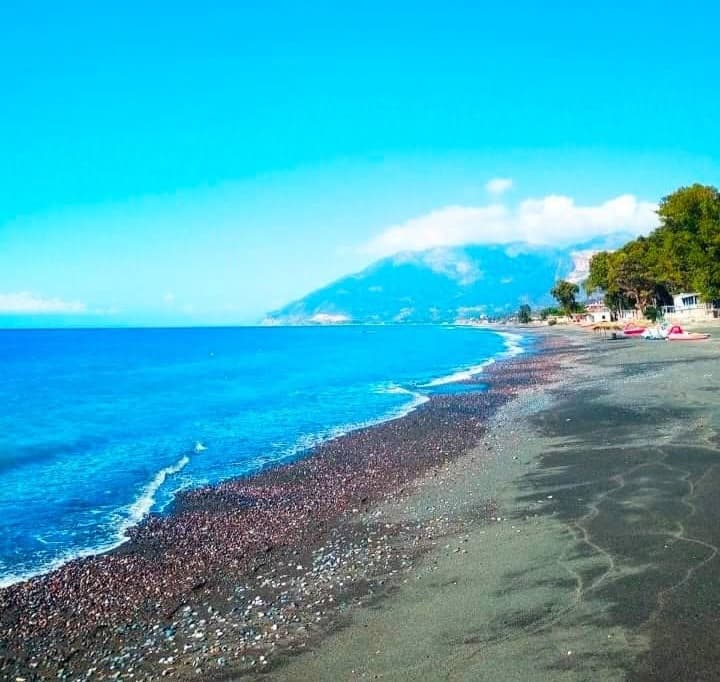
The Most Beautiful Beaches in Syria You Must Visit
Tartus
New
Adventure
Exploring Al-Dawayat Cave: Syria’s Illuminated Underground Marvel
Tartus
New
Adventure
Dome of Knowledge: Damascus’s Unique Mobile 360 Interactive Cinema Experience
Syria
New
Adventure
Top 5 Horse Riding Clubs in Damascus for Equestrian Lovers
Damascus
New
Adventure.jpeg&w=1200&q=75)
Visiting Al-Samra: The Hidden Gem of Syria’s Coast & Real-Life "Umm Al-Tanafes"
Latakia
New
AdventureKessab, Syria: The Ultimate Mountain & Seaside Escape
Latakia
New
Adventure