Al-Qaymariyya: A Journey Through the Living Soul of Old Damascus
Al-Qaymariyya in Damascus. Explore "Little India," ancient churches, mosques, and boutique hotels in the world's oldest inhabited capital
What to expect?
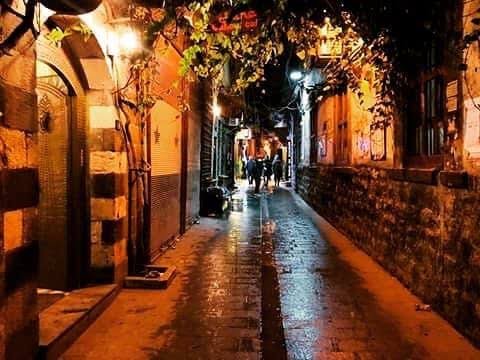
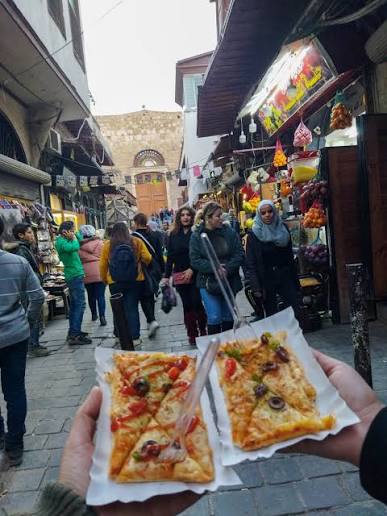
When you step into Al-Qaymariyya, you aren't just walking through a neighborhood; you are breathing in thousands of years of human civilization. Nestled within the ancient walls of Damascus, between the iconic Umayyad Mosque and the historic Bab Touma gate, Al-Qaymariyya stands as a vibrant testament to why Damascus is the oldest continuously inhabited capital in the world.
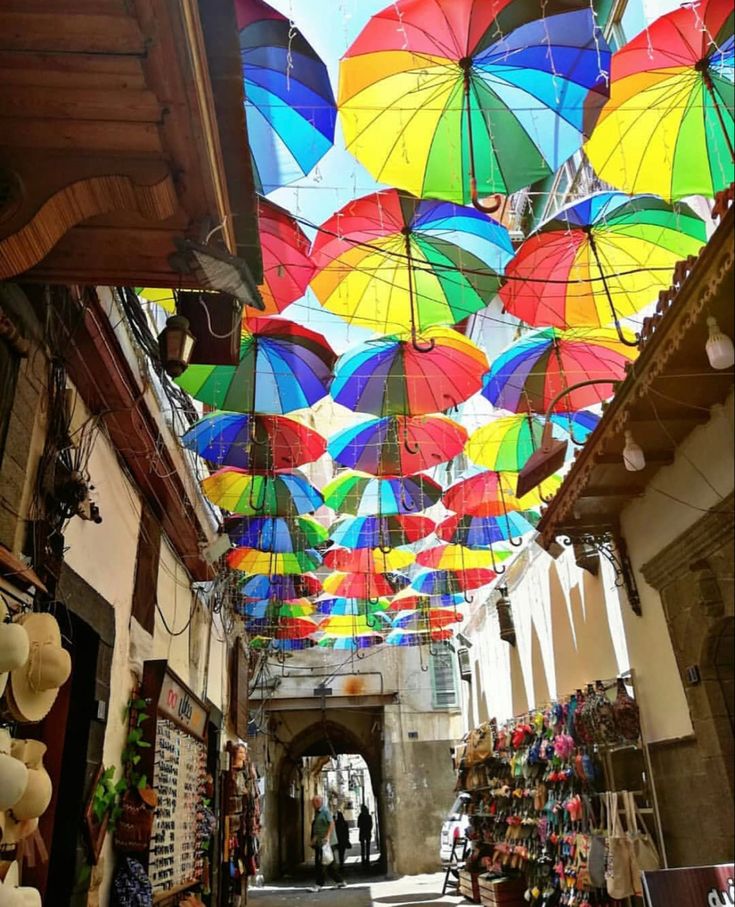
At yalla-syria, we invite you to explore this "Little India" of the Levant, where the scent of jasmine mingles with the aroma of freshly ground coffee and the echoes of church bells harmonize with the evening Adhan.
The "Little India" of Damascus: A Legacy of Craftsmanship
For centuries, Al-Qaymariyya has been a beehive of economic activity. Historical researcher Ilham Mahfouz notes that the district earned the nickname "Little India" due to its thriving textile industry. It was the commercial hub for silk trade, weaving, and embroidery.
Even today, as you wander through Zigaq al-Shahbandar, you can find traces of the Khan al-Harir (The Silk Khan). The neighborhood was once famous for:
• The Embroiderers' Market: Where intricate needlework was perfected.
• The Women’s Market (Souq al-Harimeen): A dedicated space for women’s needs and textiles.
• Traditional Industries: From soap making and herbal medicine to the exquisite craft of inlaying wood with mother-of-pearl.
A Walk Through History: From Ayyubids to UNESCO
The name "Al-Qaymariyya" honors Nasser al-Din Abu al-Ma'ali Hussein al-Qaymari, a leader under King Al-Nasir Yusuf II of the Ayyubid dynasty. Since 1979, this district has been recognized as a vital part of Ancient Damascus on the UNESCO World Heritage List.
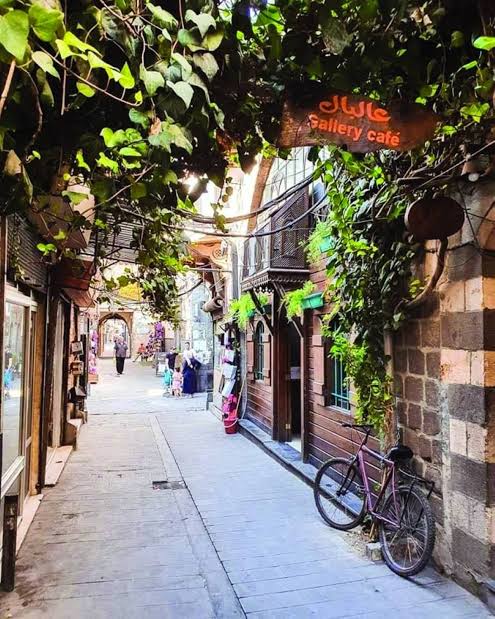
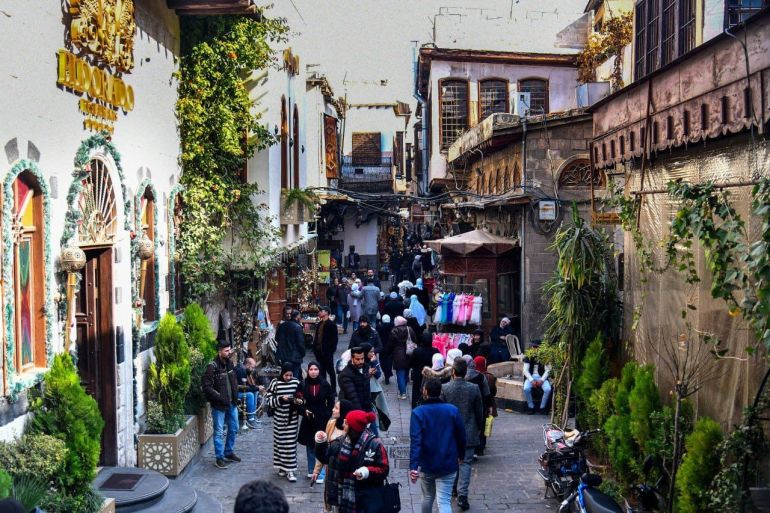
The main thoroughfare, paved with timeless black basalt stones, is one of the most bustling paths in the city. It serves as a bridge between the past and the present, lined with shops and cafes that masterfully blend ancient architecture with modern Syrian hospitality.
A Mosaic of Faith and Culture
Al-Qaymariyya is often described as a "miniature mirror" of Damascus—a place where diversity isn't just a concept, but a way of life. It is home to some of the most significant religious and educational landmarks in the region.
The Spiritual Echoes
The neighborhood is unique in how its religious sites sit shoulder-to-shoulder. You can visit:
• Historic Mosques: Including Al-Nofara, Al-Bakri, Al-Fathi, and Al-Safarjalani.
• Ancient Churches: The Mariamite Cathedral (one of the oldest churches in the world and the seat of the Greek Orthodox Patriarchate), the Church of Saint John of Damascus, and the National Evangelical Church.
Centers of Knowledge
Education has always been the heartbeat of Al-Qaymariyya. Maktab Anbar, a masterpiece of Ottoman-era architecture, was once a prestigious school and has now been transformed into a Cultural Palace. Other notable institutions include the Rawahiyah and Mismariyah schools, reflecting the city's long-standing devotion to science and literature.
The Architecture of the Soul: Damascene Houses
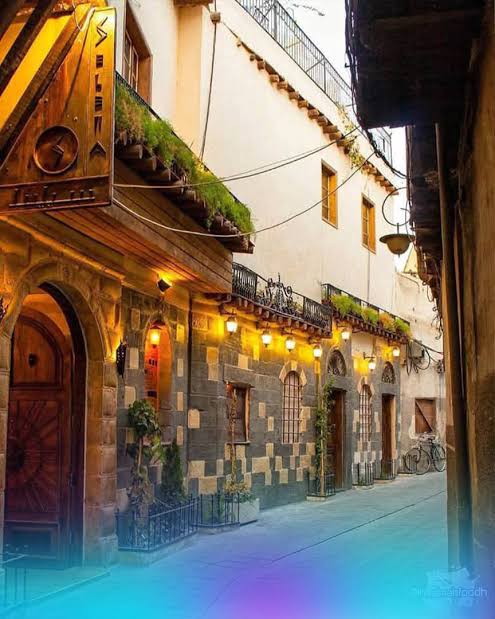
To look at a Damascene house from the outside is to see a simple, modest wall. But step inside, and you are transported to a paradise. These homes are architectural treasures, featuring open courtyards, marble fountains, and intricate wood carvings that harmonize perfectly with nature.
Many of these grand estates have been meticulously restored into boutique hotels and luxury restaurants. A prime example is the Al-Shahbandar Palace, once the residence of the national leader Abdul Rahman Shahbandar, which now welcomes tourists looking to immerse themselves in authentic Syrian elegance.
Famous Figures of Al-Qaymariyya
This district hasn't just produced goods; it has produced the minds that shaped Syria. Some of its most famous sons include:
• Muhammad Kurd Ali: The renowned historian.
• Taj al-Din al-Hasani: Former President of the Republic.
• Michel Allah Werdi: A musical researcher and the first Syrian nominee for the Nobel Prize in 1951.
• Constantine Zurayk: The influential intellectual.
Why Visit Al-Qaymariyya with yalla-syria?
Whether you are visiting the Al-Nofara Café to hear the tales of the traditional storyteller (Hakawati) or relaxing in one of the historic public baths (Hamams) like Hammam al-Qaymariyya—which were traditionally fed by the Banias branch of the Barada River—this neighborhood offers an experience you cannot find anywhere else on Earth.
At yalla-syria, we believe that tourism is about more than just sightseeing; it’s about connection. Al-Qaymariyya offers a sensory journey through history, craftsmanship, and the enduring spirit of the Syrian people.
At yalla-syria, we invite you to explore this "Little India" of the Levant, where the scent of jasmine mingles with the aroma of freshly ground coffee and the echoes of church bells harmonize with the evening Adhan.
The "Little India" of Damascus: A Legacy of Craftsmanship
For centuries, Al-Qaymariyya has been a beehive of economic activity. Historical researcher Ilham Mahfouz notes that the district earned the nickname "Little India" due to its thriving textile industry. It was the commercial hub for silk trade, weaving, and embroidery.
Even today, as you wander through Zigaq al-Shahbandar, you can find traces of the Khan al-Harir (The Silk Khan). The neighborhood was once famous for:
• The Embroiderers' Market: Where intricate needlework was perfected.
• The Women’s Market (Souq al-Harimeen): A dedicated space for women’s needs and textiles.
• Traditional Industries: From soap making and herbal medicine to the exquisite craft of inlaying wood with mother-of-pearl.
A Walk Through History: From Ayyubids to UNESCO
The name "Al-Qaymariyya" honors Nasser al-Din Abu al-Ma'ali Hussein al-Qaymari, a leader under King Al-Nasir Yusuf II of the Ayyubid dynasty. Since 1979, this district has been recognized as a vital part of Ancient Damascus on the UNESCO World Heritage List.
The main thoroughfare, paved with timeless black basalt stones, is one of the most bustling paths in the city. It serves as a bridge between the past and the present, lined with shops and cafes that masterfully blend ancient architecture with modern Syrian hospitality.
A Mosaic of Faith and Culture
Al-Qaymariyya is often described as a "miniature mirror" of Damascus—a place where diversity isn't just a concept, but a way of life. It is home to some of the most significant religious and educational landmarks in the region.
The Spiritual Echoes
The neighborhood is unique in how its religious sites sit shoulder-to-shoulder. You can visit:
• Historic Mosques: Including Al-Nofara, Al-Bakri, Al-Fathi, and Al-Safarjalani.
• Ancient Churches: The Mariamite Cathedral (one of the oldest churches in the world and the seat of the Greek Orthodox Patriarchate), the Church of Saint John of Damascus, and the National Evangelical Church.
Centers of Knowledge
Education has always been the heartbeat of Al-Qaymariyya. Maktab Anbar, a masterpiece of Ottoman-era architecture, was once a prestigious school and has now been transformed into a Cultural Palace. Other notable institutions include the Rawahiyah and Mismariyah schools, reflecting the city's long-standing devotion to science and literature.
The Architecture of the Soul: Damascene Houses
To look at a Damascene house from the outside is to see a simple, modest wall. But step inside, and you are transported to a paradise. These homes are architectural treasures, featuring open courtyards, marble fountains, and intricate wood carvings that harmonize perfectly with nature.
Many of these grand estates have been meticulously restored into boutique hotels and luxury restaurants. A prime example is the Al-Shahbandar Palace, once the residence of the national leader Abdul Rahman Shahbandar, which now welcomes tourists looking to immerse themselves in authentic Syrian elegance.
Famous Figures of Al-Qaymariyya
This district hasn't just produced goods; it has produced the minds that shaped Syria. Some of its most famous sons include:
• Muhammad Kurd Ali: The renowned historian.
• Taj al-Din al-Hasani: Former President of the Republic.
• Michel Allah Werdi: A musical researcher and the first Syrian nominee for the Nobel Prize in 1951.
• Constantine Zurayk: The influential intellectual.
Why Visit Al-Qaymariyya with yalla-syria?
Whether you are visiting the Al-Nofara Café to hear the tales of the traditional storyteller (Hakawati) or relaxing in one of the historic public baths (Hamams) like Hammam al-Qaymariyya—which were traditionally fed by the Banias branch of the Barada River—this neighborhood offers an experience you cannot find anywhere else on Earth.
At yalla-syria, we believe that tourism is about more than just sightseeing; it’s about connection. Al-Qaymariyya offers a sensory journey through history, craftsmanship, and the enduring spirit of the Syrian people.
Reviews & Ratings
0.0
★★★★★
0 reviews
💬
No reviews yet. Be the first to review!
Contact & Location
Bab Touma
Damascus
Activity
22
Views
2
Likes
Al-Qaymariyya: A Journey Through the Living Soul of Old Damascus
Similar Places
A Taste of Damascus: 5 Authentic Local Restaurants You Must Visit
Damascus
New
Caffe & RestaurantsSki Land Damascus: When Ice Skating Brings Back the Joy
Damascus
5.0(1)
Adventure 
A Culinary Journey at Naranj Restaurant Damascus
Damascus
New
Caffe & Restaurants.jpeg&w=1200&q=75)
Top 4 Italian Restaurants in Damascus
Damascus
New
Caffe & Restaurants
Top 5 Healthy Food Restaurants in Damascus
Damascus
New
Caffe & Restaurants
The top Sushi restaurant in Damascus
Damascus
New
Caffe & RestaurantsMore in Damascus
Eagle Hills Syria: A New Vision for Damascus and Latakia
Damascus
New
Investment
Fashion Gate Mall Syria: A New Luxury Shopping Destination in Damascus
Damascus
New
Markets & Shopping
Investing in Damascus: Tourism, Hospitality & Real Estate
Damascus
New
Investment
10 Places Every Syrian Remembers From Childhood
Damascus
New
Culture & Lifestyle
Boozet Bakdash in Damascus: Discover Syria’s Legendary Ice Cream Tradition
Damascus
New
Food & Drink
Happy Land Damascus: The Ultimate Guide to Fun, Rides & Family Entertainment
Damascus
New
Adventure More Caffe & Restaurants Places
A Taste of Damascus: 5 Authentic Local Restaurants You Must Visit
Damascus
New
Caffe & RestaurantsSki Land Damascus: When Ice Skating Brings Back the Joy
Damascus
5.0(1)
Adventure A Culinary Journey at Naranj Restaurant Damascus
Damascus
New
Caffe & RestaurantsTop 4 Italian Restaurants in Damascus
Damascus
New
Caffe & RestaurantsTop 5 Healthy Food Restaurants in Damascus
Damascus
New
Caffe & RestaurantsThe top Sushi restaurant in Damascus
Damascus
New
Caffe & Restaurants