
Damascus
Discover Damascus, the historic heart of Syria, through its ancient streets, vibrant souqs, magnificent landmarks, traditional cuisine, welcoming people, cultural heritage, and lively celebrations. From the timeless beauty of Old Damascus and the Great Umayyad Mosque to the flavors of Al-Midan and the atmosphere of Al-Hamidiyah Souq, this guide reveals a city where history and everyday life continue to meet. Explore Damascus with Yalla-Syria and experience a capital that is opening its doors to travelers, rediscovering its cultural identity, and looking toward a more peaceful and hopeful future.
Damascus, Syria is more than a destination on a map. It is a city of ancient stone, jasmine-scented courtyards, lively markets, traditional food, historic mosques and churches, and streets where everyday Syrian life unfolds beside thousands of years of history.
For travelers searching for Damascus travel, Damascus tourism, or an authentic Damascus travel guide, the Syrian capital offers something increasingly rare: the chance to experience history not as something preserved behind glass, but as something people still live with every day.
Damascus has carried many names and witnessed countless civilizations. Yet beneath the layers of history, the city remains deeply human. A shopkeeper opening his doors in the morning, families meeting over coffee, children enjoying an evening out, artisans working with their hands, and visitors wandering through the Old City all form part of the Damascus experience.
Today, the city is also telling another story — one of resilience, cultural renewal, and a desire to welcome life, celebration, and tourism back into its streets.
Damascus: Where Syria's History Comes Alive
Often described as one of the world's oldest continuously inhabited cities, Damascus has been a crossroads of civilizations for thousands of years.
The historic heart of the city is the Old City of Damascus, where Roman, Byzantine, Islamic, Ottoman, and modern Syrian influences exist side by side. Its narrow lanes lead travelers from one discovery to another: ancient gates, traditional houses, courtyards, markets, religious landmarks, cafés, restaurants, and small workshops.
The Ancient City of Damascus has also been recognized as a UNESCO World Heritage Site, reflecting its exceptional historical and cultural importance.
But statistics and dates only tell part of the story.
To understand Damascus, you have to walk through it.
You have to hear the sounds of the market, smell freshly ground spices, watch sunlight enter an old courtyard, taste Syrian sweets, and sit for a few minutes while life moves around you.
That is where Damascus tourism becomes more than sightseeing.
It becomes an experience.
Old Damascus: The Heart of the City
For many visitors, the first introduction to Old Damascus is through its famous historic markets and gates.
The Old City is a maze of narrow streets where every turn seems to reveal another piece of the city's personality. Traditional Damascene houses hide behind modest doors, while old fountains, stone walls and decorative architecture create a unique atmosphere.
One of the best ways to explore the area is simply to slow down.
There is no need to rush from one landmark to another. Damascus rewards travelers who allow themselves time to wander.
A walk through the Old City can easily become a full day of discovery, especially when combined with stops for Syrian coffee, sweets, ice cream, traditional food and conversations with local residents.
For travelers looking for a deeper introduction to the area, the Al-Hamidiyah Souq is an essential starting point. Yalla-Syria's guide to Al-Hamidiyah Souq in Damascus explores the market's history, atmosphere and cultural importance.
Al-Hamidiyah Souq: The Market That Never Lost Its Soul
Walking beneath the historic roof of Al-Hamidiyah Souq is one of the defining experiences of visiting Damascus.
The market stretches through the Old City and connects the energy of modern Damascus with some of the city's most important historical landmarks.
Shops display textiles, traditional clothing, spices, sweets, copperware, souvenirs and handcrafted products. The sounds of conversations mix with the movement of shoppers and the calls of merchants.
For visitors, the experience is as much about atmosphere as shopping.
Look closely and you may find small workshops tucked away from the main path. Follow one of the side streets and the busy market can suddenly become quiet, revealing an old courtyard or a traditional neighborhood.
At the end of the market, the atmosphere changes again as the monumental presence of the Great Umayyad Mosque comes into view.
For a wider look at traditional markets across the country, Yalla-Syria also features a guide to Syria's most iconic traditional souqs.
The Great Umayyad Mosque : A Landmark at the Heart of Damascus
Few places represent Damascus as powerfully as the Great Umayyad Mosque.
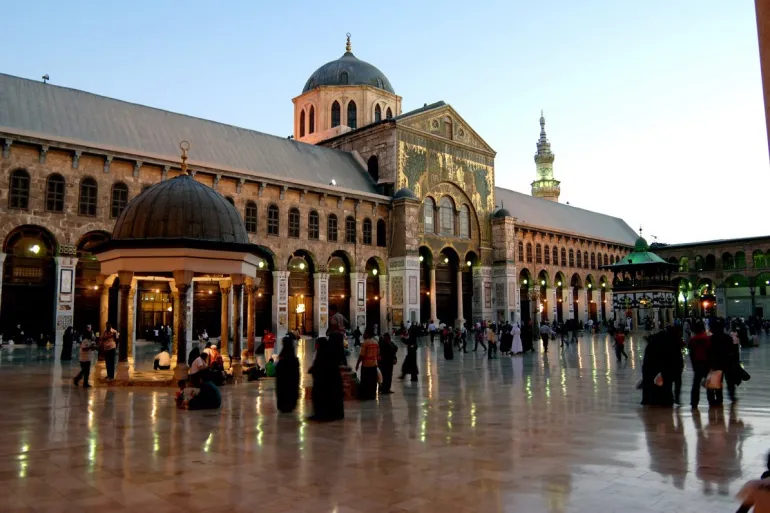
Located in the center of the Old City, the mosque occupies a site with layers of religious and architectural history. Its courtyard, mosaics, minarets and monumental spaces make it one of the city's most significant landmarks.
For travelers interested in architecture, religion and history, the mosque is an essential stop.
Yet the experience is not simply about taking photographs.
The quiet atmosphere inside the courtyard offers a striking contrast with the movement of Al-Hamidiyah Souq nearby. Within minutes, visitors can move from the sounds of merchants and shoppers into a peaceful historical space.
Yalla-Syria's detailed Great Umayyad Mosque guide covers the mosque's history, architecture, surroundings, photography opportunities and practical visiting information.
Damascus Is Also a City of Neighborhoods
One of the biggest mistakes a traveler can make is thinking of Damascus only through its famous monuments.
The city has personality far beyond its headline attractions.
Historic neighborhoods such as Bab Touma, Bab Sharqi, Al-Midan, and other traditional quarters offer different perspectives on Damascus life.
In these neighborhoods, tourism becomes more personal.
You may find a small bakery that has been serving local residents for generations, a café where people gather in the evening, a family restaurant, an old house transformed into a boutique hotel, or a street where children are still playing as they have done for generations.
This everyday atmosphere is an important part of the city's charm.
Bab Touma and Bab Sharqi: Streets Full of Character
The eastern side of Old Damascus offers some of the city's most atmospheric streets.
Bab Touma is associated with the Christian quarter and is known for its historic architecture, restaurants, cafés and lively evening atmosphere.
Nearby, Bab Sharqi provides access to another fascinating part of the Old City and connects visitors with the historic route traditionally associated with Straight Street.
These neighborhoods demonstrate something important about Damascus: its history is not confined to one monument.
It is distributed throughout the city.
Every gate, alley and neighborhood contributes another chapter to the story.
Straight Street: Walking Through Ancient Damascus
Straight Street, traditionally associated with the Roman-era urban layout of Damascus, is one of the city's most recognizable historic routes.
Today, walking through the area offers an unusual mixture of ancient references and contemporary Syrian life.
Shops, homes and local businesses occupy spaces that have been part of the urban landscape for centuries.
For history lovers, it is an opportunity to connect archaeological and religious history with the living city.
For photographers, it is a place where old stone, changing light and everyday life come together naturally.
And for travelers simply looking for an authentic experience, it is another reminder that Damascus is best understood on foot.
Damascus Food: A Journey Through Syrian Flavors
You cannot experience Damascus tourism without experiencing Syrian food.
Food in Damascus is not simply something served to travelers. It is part of family life, hospitality and cultural identity.
Traditional dishes such as fatteh, kibbeh, grilled meats, stuffed vegetables, pastries and mezze can be found throughout the city.
The historic neighborhoods are particularly rewarding for food lovers because many culinary traditions remain closely connected to local communities.
Al-Midan is especially famous for its food culture.
Yalla-Syria's guide to Al-Midan Street explores this part of the city through its restaurants, bakeries, traditional flavors and street atmosphere.
For travelers interested in sweets and traditional desserts, Damascus offers another world of flavors.
Bakdash : A Sweet Damascus Tradition
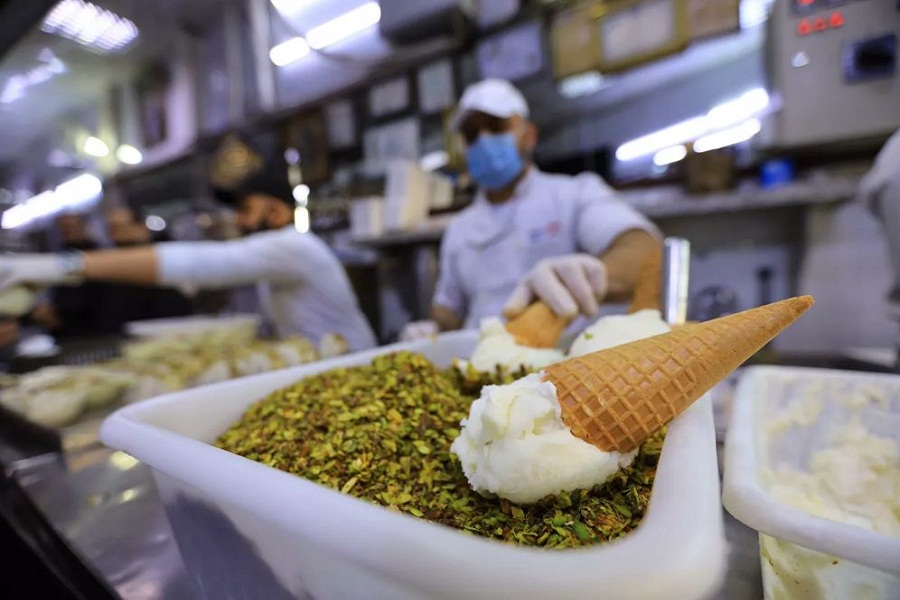
A walk through Al-Hamidiyah Souq would not be complete for many visitors without trying traditional Syrian ice cream at Boozet Bakdash.
The shop has become one of the city's recognizable culinary landmarks, particularly for its traditional booza and pistachio topping.
The importance of Bakdash goes beyond ice cream.
It represents a broader Damascene tradition in which family businesses, food, markets and memories become part of a city's identity.
Read more about this tradition in Yalla-Syria's Boozet Bakdash guide.
Traditional Damascene Houses and Boutique Hotels
Another way to experience Damascus is to stay inside its historic neighborhoods.
Traditional Damascene houses often revolve around interior courtyards, fountains, plants and beautifully decorated architectural details.
Some historic houses have been transformed into boutique hotels, giving visitors an opportunity to experience the city's heritage from the inside.
One example featured by Yalla-Syria is Beit Al Wali Hotel in Old Damascus, located in the historic Bab Touma area.
Staying in a heritage property can change the way a visitor experiences Damascus.
Instead of returning to a generic hotel at the end of the day, travelers can continue the journey inside a building that reflects the city's architectural identity.
Al-Rabwah: A Greener Side of Damascus
There is another Damascus beyond the stone lanes of the Old City.
Al-Rabwah offers a greener and more relaxed side of the capital, associated with the Barada River, restaurants, cafés and outdoor spaces.
It provides a useful contrast to the historical center.
After spending hours exploring markets and monuments, escaping into a greener environment can be a refreshing part of a Damascus itinerary.
Yalla-Syria's guide to Al-Rabwah Damascus explores this different side of the city.
Damascus After Dark: Cafés, Food and Evening Life
Damascus changes character in the evening.
As temperatures become more comfortable, cafés and restaurants become livelier. Families meet, friends gather, and the streets take on a different rhythm.
For visitors, evenings can be one of the most enjoyable times to experience the city.
Traditional cafés provide a chance to drink Syrian coffee or tea, while restaurants introduce visitors to local dishes and contemporary Syrian cuisine.
The city also has a growing variety of entertainment experiences, making Damascus more than a destination for history enthusiasts.
The modern side of the capital sits comfortably beside its ancient identity.
That combination is part of what makes the city interesting.
Damascus and the Return of Celebration
There is something especially meaningful about seeing people celebrate in a city with such a complicated recent history.
Celebrations in Damascus can take many forms: family gatherings, cultural events, music, food, weddings, seasonal traditions and evenings spent together in restaurants and cafés.
These moments matter because they show the city as people experience it today.
Damascus is not only a collection of monuments from the past.
It is a living city whose residents continue to create new memories.
Across Syria, there is also a visible desire to reconnect with culture, hospitality and tourism. For Damascus, this means rediscovering its streets not only as historical spaces but as places where people meet, eat, celebrate and build their everyday lives.
Yalla-Syria's broader Syria Travel Guide 2026 provides additional context for travelers interested in exploring the country.
A City Trying to Turn the Page
For many people around the world, the image of Syria has been dominated for years by conflict.
But a city should never be reduced to the hardest chapter of its history.
Damascus has survived political upheavals, changing empires, economic challenges and periods of uncertainty throughout its long existence.
Today, the desire to revive tourism, hospitality, culture and everyday life is becoming part of another chapter.
That does not mean ignoring the past.
It means allowing people to see more than the past.
A visitor walking through Al-Hamidiyah Souq, eating in Al-Midan, sitting in a Damascene courtyard, visiting the Umayyad Mosque or drinking coffee in an old neighborhood is experiencing a city that continues to live.
That human dimension is perhaps the most important thing Damascus has to offer.
What Makes Damascus Special?
The answer depends on the traveler.
For history lovers, it is the extraordinary depth of the city.
For architecture enthusiasts, it is the combination of Roman, Byzantine, Islamic and Ottoman influences.
For food lovers, it is the extraordinary variety of Syrian cuisine.
For photographers, it is the light, stone, doors, markets and courtyards.
For families, it is the food, parks, cafés and entertainment.
For cultural travelers, it is the living traditions.
And for anyone interested in people and places, it is the warmth of Syrian hospitality.
Damascus does not need to pretend to be something it is not.
Its strength lies in being itself.
Best Things to Do in Damascus
A first visit to Damascus can include a mixture of historical, cultural and culinary experiences.
Walk through Al-Hamidiyah Souq.
Visit the Great Umayyad Mosque.
Explore Old Damascus and its historic gates.
Discover Bab Touma and Bab Sharqi.
Walk along Straight Street.
Taste traditional Syrian food in Al-Midan.
Try Syrian booza at Bakdash.
Stay in or visit a traditional Damascene house.
Spend time in cafés and restaurants after sunset.
Explore Al-Rabwah for a different side of the capital.
And most importantly, leave time for wandering.
Some of the best Damascus experiences are not planned.
They happen when you take the wrong turn down a narrow alley and discover a beautiful doorway, a tiny shop, a traditional bakery or a quiet courtyard.
When Is the Best Time to Visit Damascus?
Damascus can be experienced throughout the year, but the ideal time depends on the type of experience you want.
Spring brings pleasant weather and greenery, while autumn offers comfortable temperatures for walking and exploring.
Summer can be warm, particularly during the middle of the day, so mornings and evenings can be more comfortable for outdoor exploration.
Winter has its own charm, especially for travelers who enjoy quieter streets, warm food and the atmosphere of traditional cafés.
Whatever season you choose, the Old City is best experienced slowly.
Traveling Through Damascus With Yalla-Syria
Planning a trip to Damascus becomes easier when the city is viewed as a collection of experiences rather than a checklist of attractions.
That is the approach behind the Damascus category on Yalla-Syria.
The platform brings together historical sites, restaurants, hotels, cultural experiences, entertainment and other places across the capital, helping travelers discover different sides of the city in one place.
From the Great Umayyad Mosque to Al-Hamidiyah Souq, from Al-Midan's food scene to heritage stays such as Beit Al Wali, the city reveals itself one experience at a time.
Damascus Is Waiting to Be Experienced
Damascus is ancient, but it is not frozen in time.
It is a city where history and ordinary life share the same streets. Where an ancient mosque can stand beside a busy market. Where a centuries-old house can become a hotel. Where traditional sweets continue to be served to new generations. Where families gather for dinner and young people search for new ways to enjoy their city.
And perhaps this is the most beautiful way to understand Damascus.
Not simply as an ancient capital.
Not simply as a historical destination.
But as a living Syrian city with memories behind it and possibilities ahead.
For travelers ready to discover Damascus, Syria, the journey begins with curiosity, respect and an open mind.
Walk slowly.
Eat locally.
Talk to people.
Look beyond the famous landmarks.
And allow Damascus to introduce itself in its own way.
Welcome to Damascus — the timeless heart of Syria.
Places in Damascus
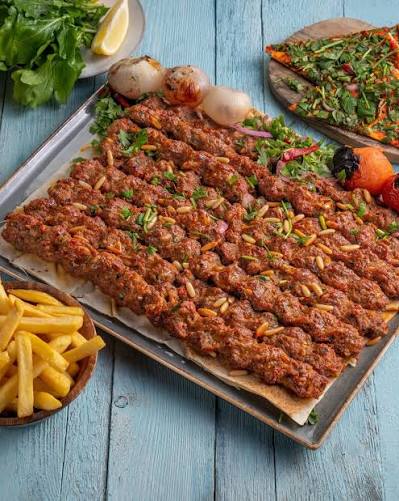
A Taste of Damascus: 5 Authentic Local Restaurants You Must Visit
Planning a delicious tour through the beating heart of Damascus? Do you feel like changing the scenery and immersing yourself in the legendary atmosphere of the world’s oldest inhabited city?
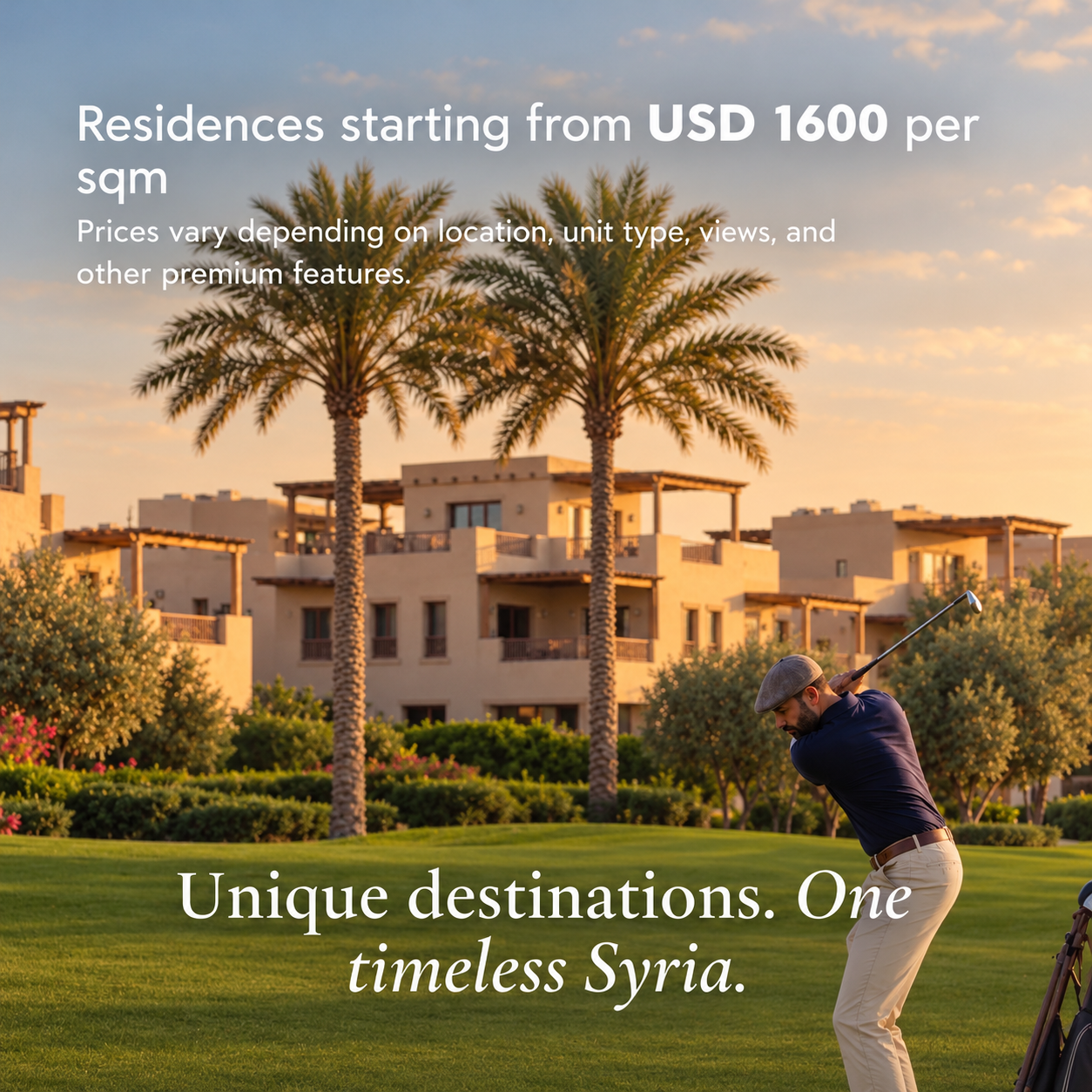
Eagle Hills Syria: A New Vision for Damascus and Latakia
Discover Eagle Hills Syria’s ambitious projects in Damascus and Latakia, where modern residential communities, Mediterranean waterfront living, Syrian heritage, and tourism opportunities come together in a vision for the country’s future.
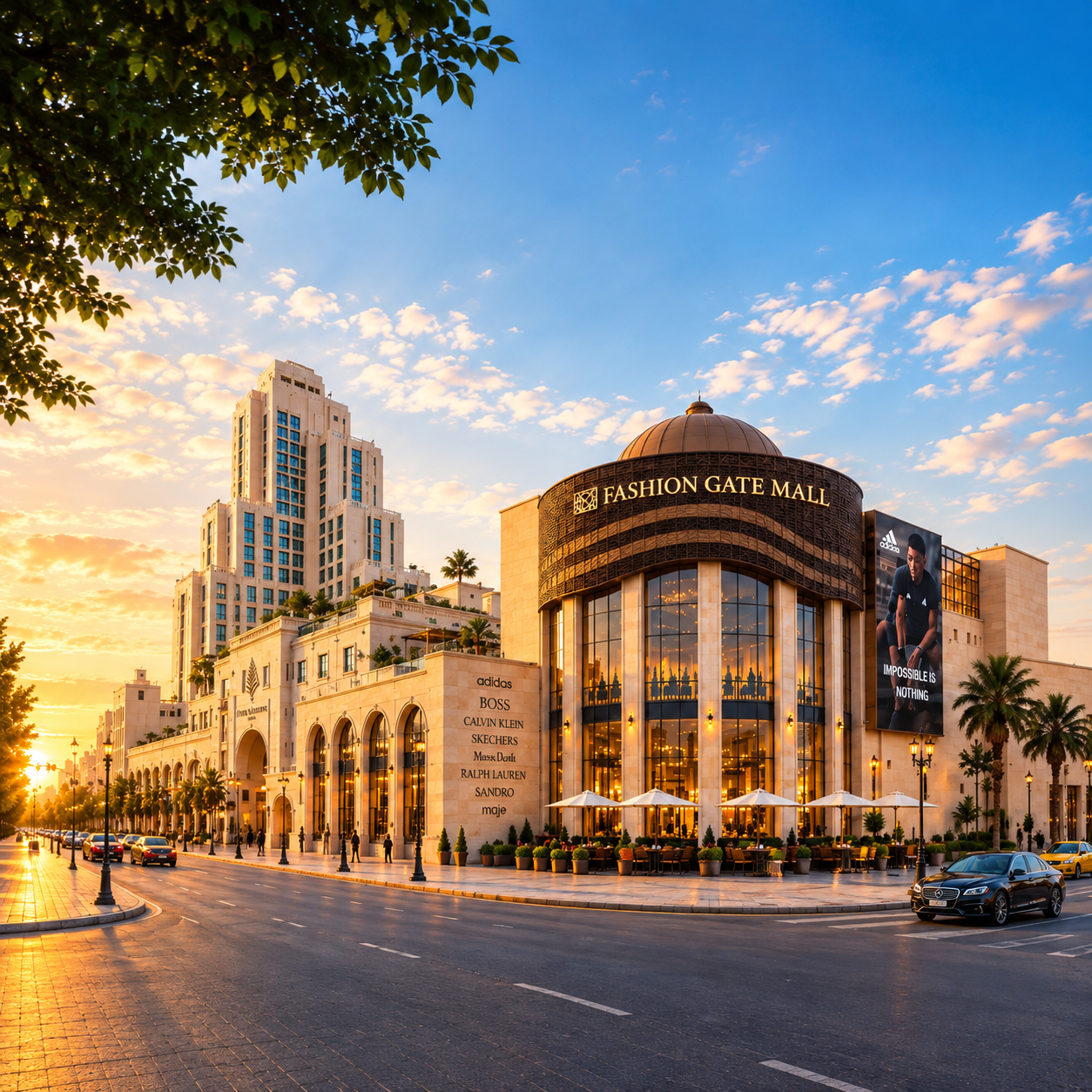
Fashion Gate Mall Syria: A New Luxury Shopping Destination in Damascus
Fashion Gate Mall Syria brings international fashion, beauty, perfumes, dining and a modern luxury experience to Damascus Boulevard, adding a new dimension to shopping and tourism in Syria.
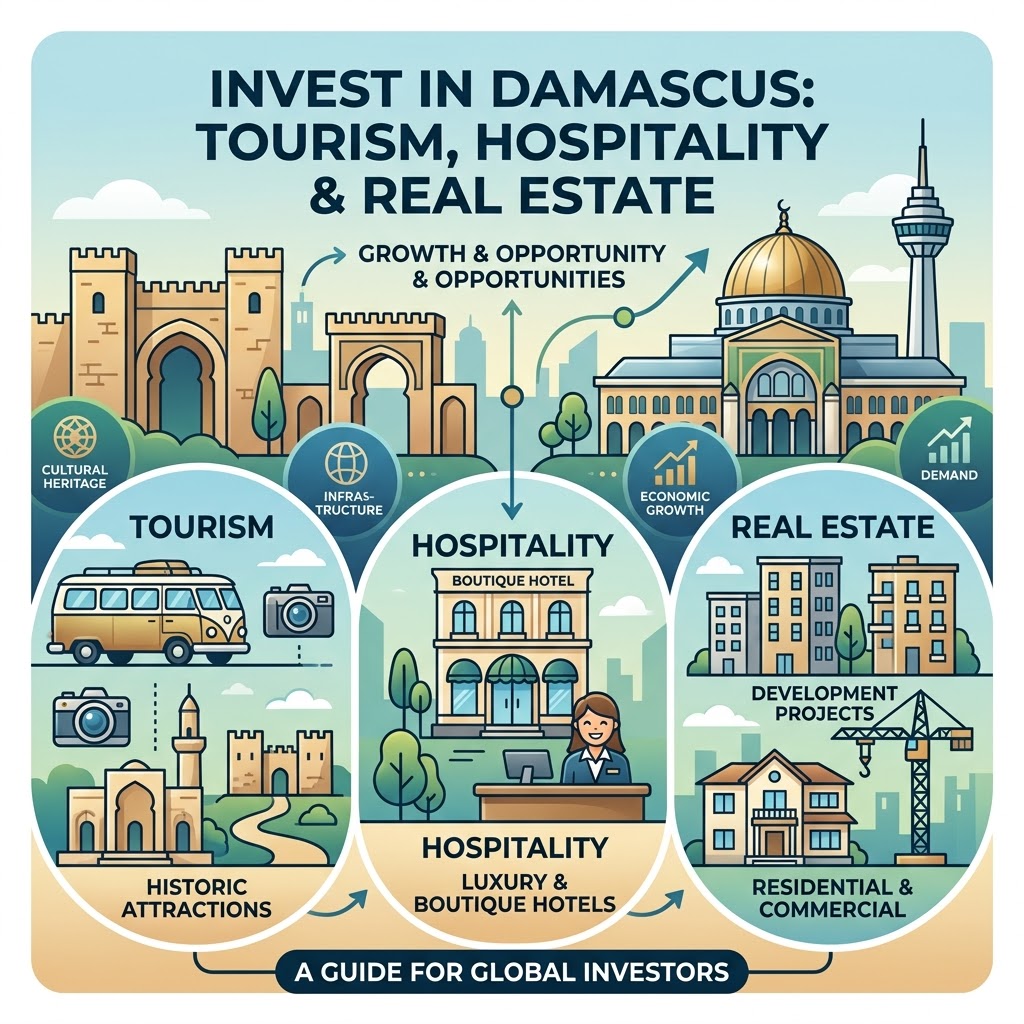
Investing in Damascus: Tourism, Hospitality & Real Estate
A concise guide to investing in Damascus, exploring opportunities across tourism, hospitality and real estate while highlighting the city’s heritage, Syrian hospitality, cultural revival and growing visitor appeal.
10 Places Every Syrian Remembers From Childhood
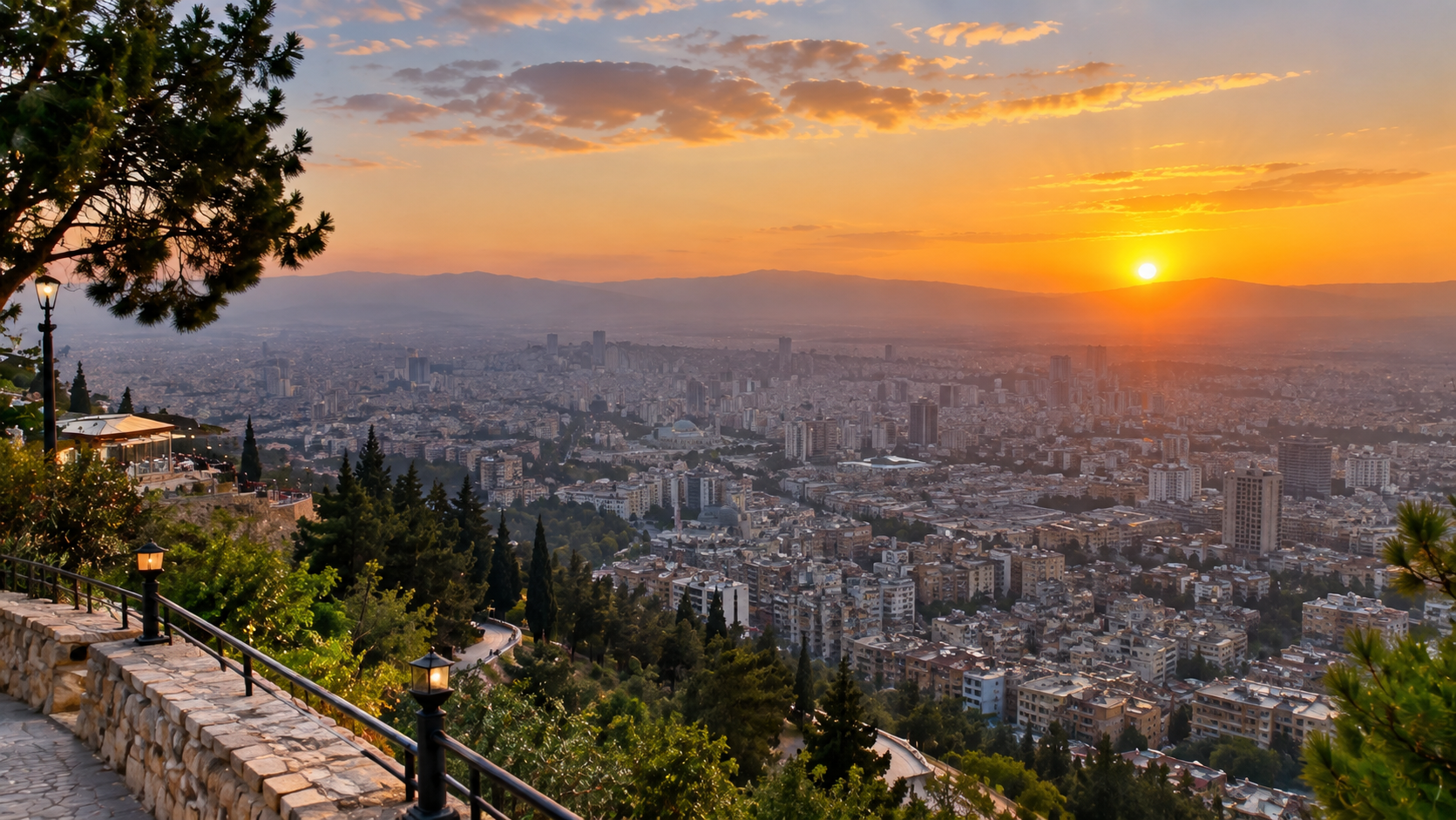
Take a nostalgic journey through 10 places that live in the childhood memories of generations of Syrians. From Damascus and Aleppo to family parks, markets, mountains, and seaside promenades, discover the places where ordinary Syrian days became unforgettable memories.
Ski Land Damascus: When Ice Skating Brings Back the Joy
Discover the renewed spirit of Damascus at Ski Land Mall, home to Syria’s largest ice-skating rink and a joyful family destination where memories, entertainment, and a new chapter of Syrian life come together.
Boozet Bakdash in Damascus: Discover Syria’s Legendary Ice Cream Tradition
Discover the story of Boozet Bakdash, one of Damascus's most recognizable culinary landmarks. Located in the historic Al-Hamidiyah Souq, this iconic ice cream shop offers visitors a taste of traditional Syrian booza, famous for its elastic texture, pistachio topping, and centuries-old culinary heritage. Explore its history, preparation, and place in the cultural experience of Old Damascus with yalla-syria.

Happy Land Damascus: The Ultimate Guide to Fun, Rides & Family Entertainment
Explore Happy Land Damascus, one of Syria’s popular entertainment destinations, featuring amusement rides, water activities, go-karting, restaurants, and family-friendly experiences

Unveiling the Cradle of History: Your Ultimate Guide to Syria Museums
Step into the cradle of civilization with our ultimate visitor guide to Syria museums. From the National Museum of Damascus and Aleppo National Museum to regional treasures in Palmyra, Sweida, and Bosra, this guide covers opening hours, entry fees for Syrian citizens and foreigners, exact locations, and contact numbers. Plan an unforgettable journey through Syria's rich archaeological heritage.
Discover Our Lady of Saidnaya Monastery: History, Faith, and Visitor Guide
yalla-syria is your ultimate travel guide to exploring Syria's rich history, ancient landmarks, and vibrant culture. From holy sites like Our Lady of Saidnaya Monastery to local food, top hotels, and outdoor adventures, we provide practical travel advice and hidden gems to help you plan an unforgettable Syrian journey.
.jpeg)
Cherubim Monastery Syria: A Journey Above the Clouds
Discover the timeless spiritual beauty and breath-taking mountain views of Cherubim Monastery in Saidnaya, Syria. This travel guide explores the ancient rock-carved caves, remarkable architecture, ideal photography times, and unforgettable open-air experiences high above the Qalamoun range. Perfect for history lovers, spiritual seekers, and avid travelers planning an authentic journey to Syria.
The Ultimate Guide to the Great Umayyad Mosque in Damascus
An engaging travel guide exploring the Great Umayyad Mosque in Damascus, Syria. It highlights the history, interior details, surrounding markets, hotels, rooftop cafes, photography tips, and local shopping recommendations.
The Saint’s Path: A Sacred Journey from Damascus to Maaloula and Sednaya
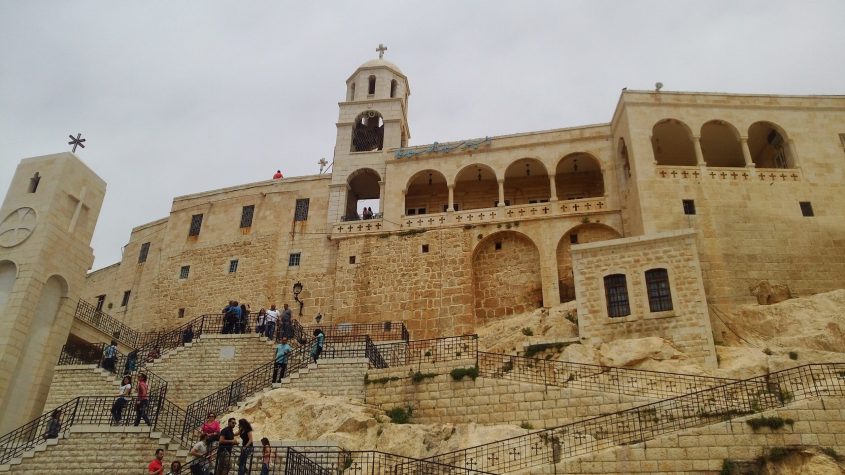
An immersive travel guide following the ancient Saint’s Path from Damascus to Maaloula and Sednaya. Experience ancient Aramaic history, sacred clifftop monasteries, local Syrian cuisine, hiking trails, and key travel advice for an unforgettable journey through Mount Qalamoun.
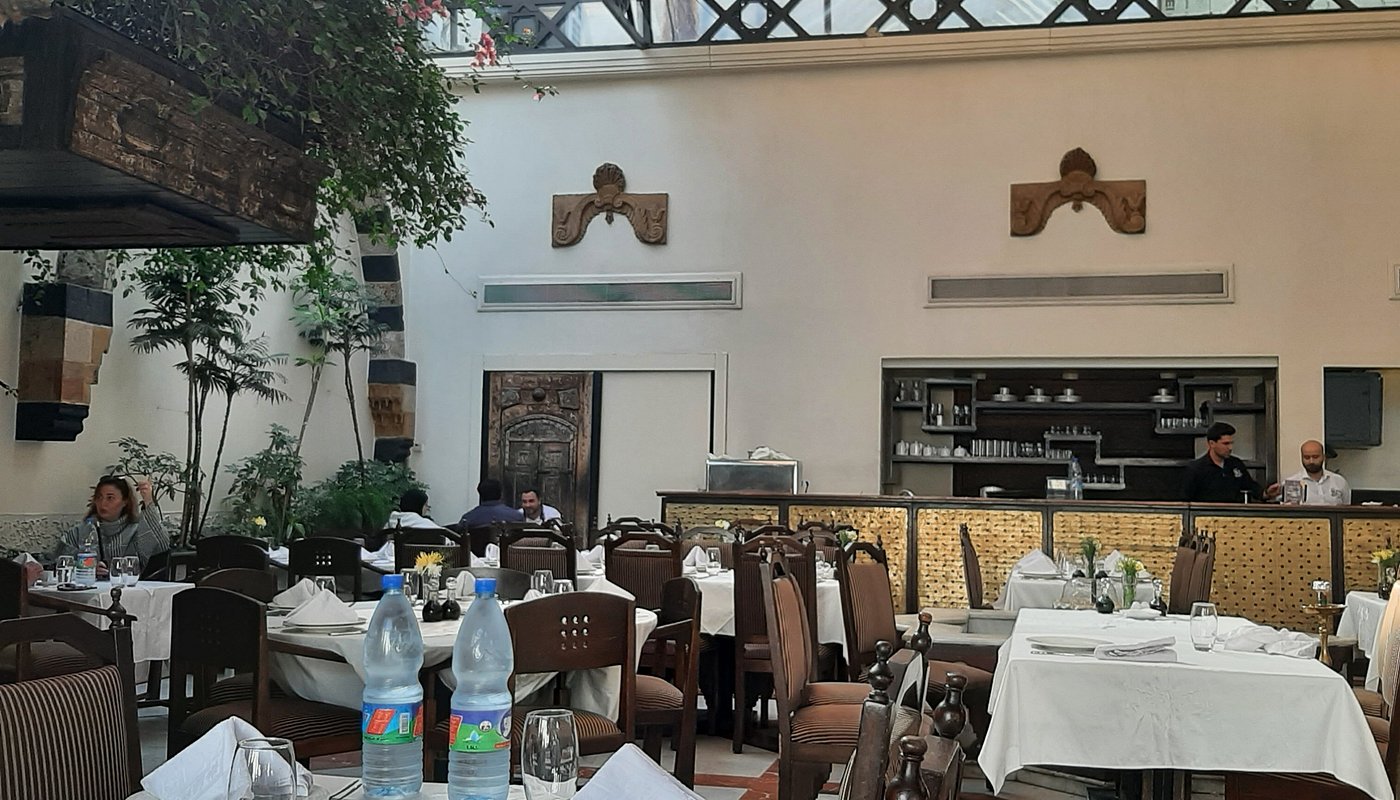
A Culinary Journey at Naranj Restaurant Damascus
An essential travel and dining guide for visiting Naranj Restaurant in Old Damascus, covering seating ambiance, signature food choices like Yabraq and Fatteh Makdous, shisha, valet parking, reservation tips, and nearby historical landmarks.
.jpeg)
Escape to Nature: The Ultimate Day Trip to Bloudan, Zabadani, and Madaya
Explore the breath-taking beauty of Syria with yalla-syria. Our curated day tour takes you from the tranquil refreshing waters of Ein El Fijeh to the lush heights of Bloudan, Zabadani, and Madaya. Experience rich historical landmarks, scenic stops at Lake Zarzar, mystic natural caves, authentic outdoor dining, vibrant local shopping, and unforgettable mountain photography spots all in a single seamlessly organized trip.
.webp)
Unveiling the Pearl of the Desert: A 3-Day Palmyra Syria Travel Guide
Discover the ancient beauty of Palmyra Syria with Yalla-Syria. Your ultimate travel guide for unforgettable 3-day desert tours, featuring rich history, historic stopovers, authentic local dining, camel rides, and top hotel recommendations for every budget. Plan your trip today
.webp)
Syria 3-Day Tour: From Mashta Al-Helou & Al-Kafroun to Tartous & Arwad
A complete 3-day travel itinerary guiding readers from Damascus through Al-Kafroun, Mashta Al-Helou, Marmarita, Tartous, and Arwad Island. The article highlights historical sites, natural wonders, and photography spots, seamlessly integrating local dining and budget options for travel planning.
.jpeg)
The Ultimate 3-Day Latakia Travel Itinerary: From Damascus to the Coast
3-day travel guide from Damascus to Latakia and its surroundings. Covers historic landmarks, nature spots, local cuisine, photography tips, scenic road stops, and hotel choices with budget estimates.
.jpeg)
The Ultimate 3-Day Aleppo Itinerary: From Damascus to Syria’s Cultural Heart
Embark on an unforgettable 3-day journey from Damascus to Aleppo with this complete travel guide. Discover historical stops along the M5 highway like Maaloula and Hama, explore Aleppo Citadel and the ancient souks, savor world-famous Aleppine cuisine, and find top-rated hotels for every budget.
.jpeg)
Top 4 Italian Restaurants in Damascus
A comprehensive guide to experiencing authentic Italian dining in the heart of Damascus. We cover four top spots—Nora Cafe, Napoli, Il Dono, and Dolce Forno—detailing their signature dishes, indoor and outdoor ambience, street or city views, price ranges, and reservation details to help travelers and food lovers enjoy an unforgettable meal in Syria.

Top 5 Healthy Food Restaurants in Damascus
A comprehensive guide for health-conscious travelers and locals looking for the finest nutrient-dense dining in Damascus. Covers five top spots, detailing their indoor and outdoor seating, ambiance, signature menu items, locations, contact numbers, and estimated price ranges per person.

The top Sushi restaurant in Damascus
A guide to the top sushi and fine dining spots in Damascus. Discover unique atmospheres, signature dishes, seating styles, reservation numbers, and average prices across popular districts like Abou Roumaneh, Shaalan, Mazzeh, Bab Touma, and Kafr Sousse.
Syria Shines Again: Experiencing the 63rd Damascus International Fair
Explore the economic and cultural rebirth of Syria through the 63rd edition of the Damascus International Fair. This guide covers everything tourists and business visitors need to know—from participating nations and live cultural shows to transportation details and event highlights.
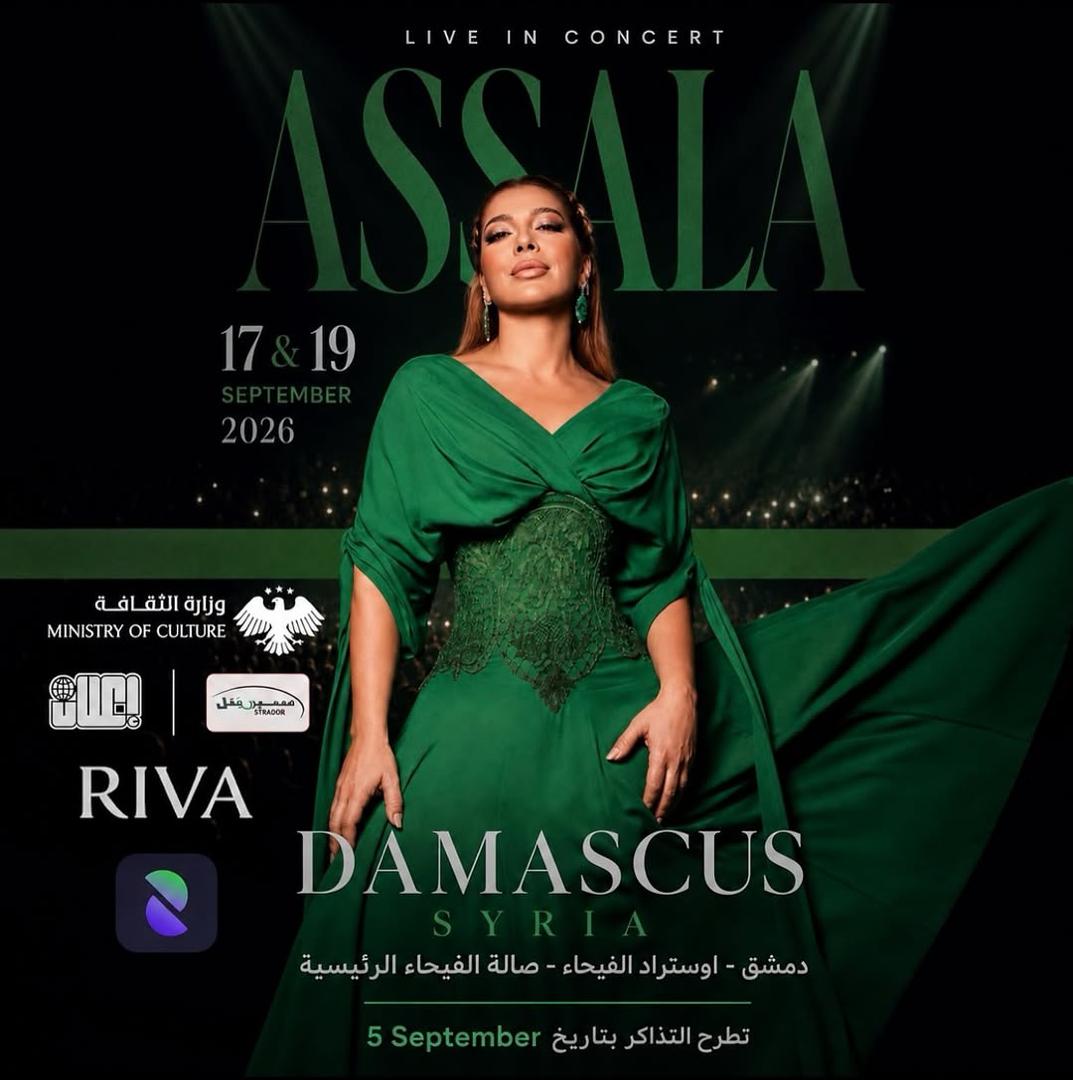
Asala’s Historic Concert at Al Fayhaa Hall in Damascus , The Return of Authenticity
Arab iconic singer Asala Nasri's historic return to perform live at Al Fayhaa Sports Hall in Damascus after 15 years of exile, detailing event dates, venue details, ticket sales, and her ongoing humanitarian legacy.

Bahar Organization in Syria Restoring Hope and Strength
An insightful, human-centered article highlighting the critical mission of Bahar Organization in Syria. Learn how this local NGO delivers essential healthcare, rehabilitates local infrastructure, empowers economic growth, and helps Syrian communities reclaim their future.
The Mariamite Cathedral of Damascus: A Timeless Beacon of Faith in Old Syria
Discover the spiritual heart of Syria with our comprehensive guide to the Mariamite Cathedral of Damascus. Uncover centuries of history, architectural marvels, hidden photography gems, nearby local dining, and top travel tips for exploring Old Damascus.
.jpg)
A Guide to the Country’s Most Iconic Traditional Souqs
Step into the vibrant heart of the Levant with our comprehensive travel guide to the traditional markets in Syria. From the iron-vaulted alleys of Damascus to the ancient stone domes of Aleppo and the welcoming streets of Homs, explore iconic Syrian souqs rich in history, culinary delights, photo opportunities, and authentic local crafts.
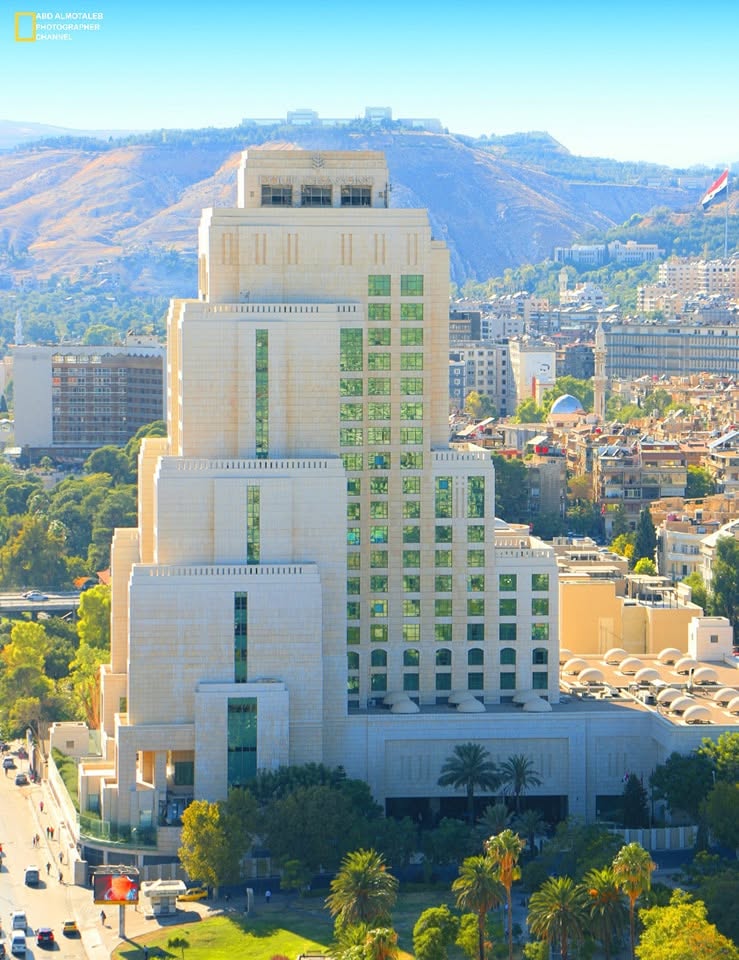
Top 10 Modern Hotels in Damascus
is your premier travel portal for discovering the authentic beauty, vibrant hospitality, and rich cultural heritage of Syria. From handpicked luxury accommodation reviews to curated trekking itineraries, photography guides, and local culinary tours, we help travelers experience the heart of Damascus and beyond with confidence and style.
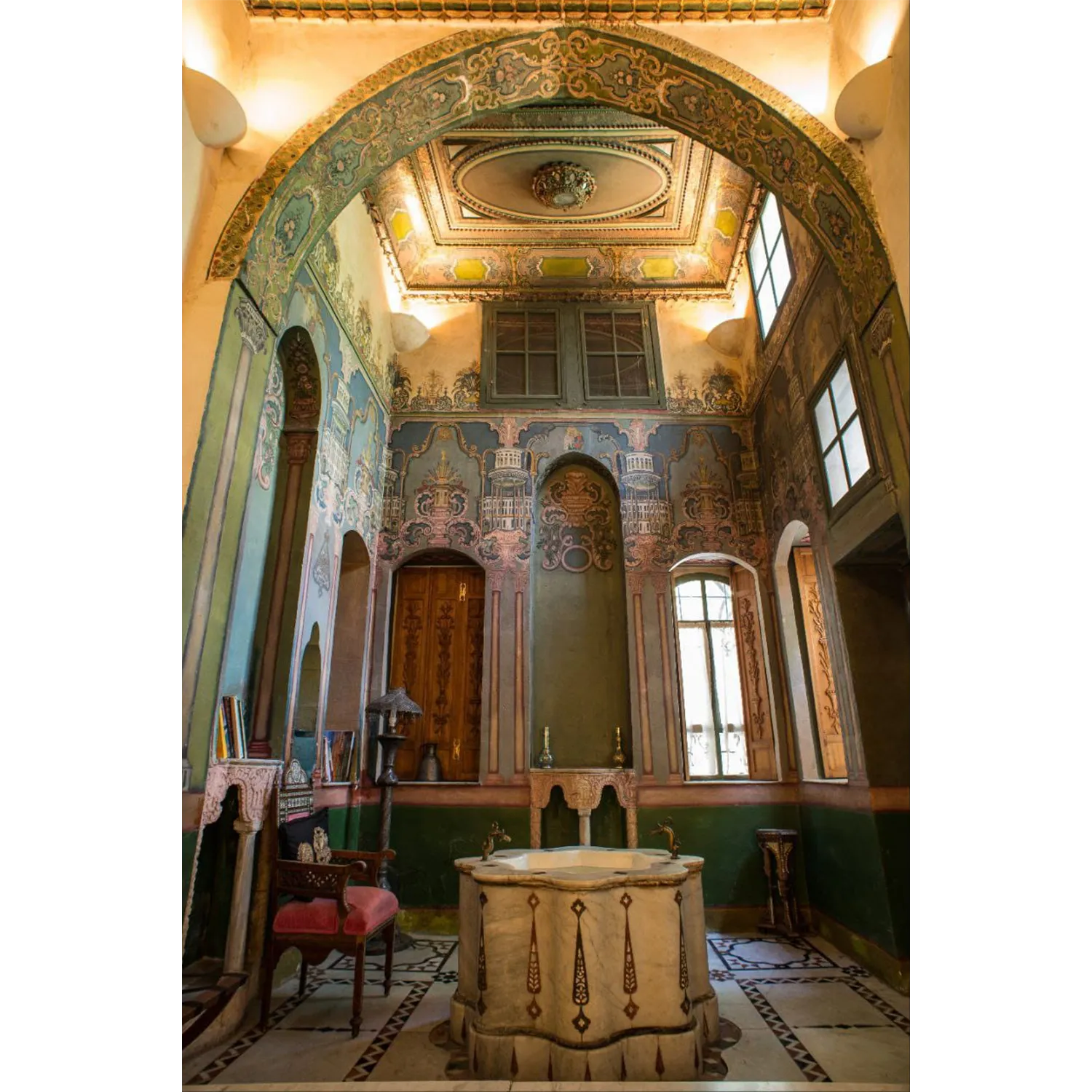
🏛️ The 10 Best Boutique Hotels in Old Damascus: Staying in Ancient Courtyard Palaces
Step into the timeless allure of Old Damascus with our complete guide to the top 10 traditional boutique hotels. From centuries-old courtyards and orange blossoms to local food spots, photography secrets, and day trips, discover the heart of Syria with yalla-syria.
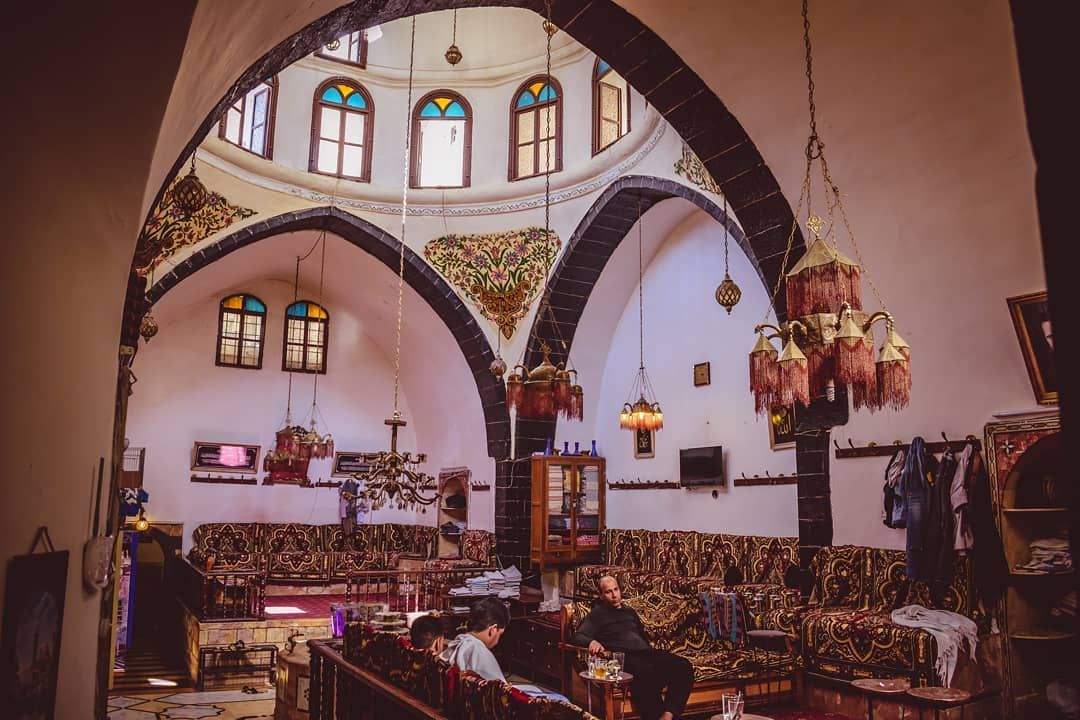
Top 5 Historic Bathhouses in Damascus: The Ultimate Hammam Guide
Step into the relaxing world of old Damascus with our guide to the top 5 historic hammams. From 900-year-old architectural wonders to soothing traditional massage rituals, discover where history, culture, and ultimate relaxation meet in the heart of Syria.
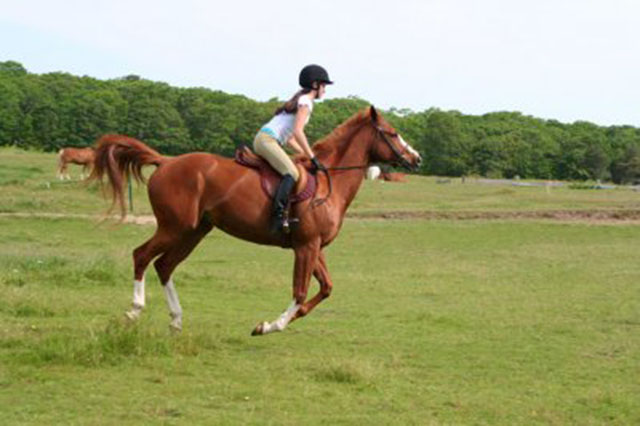
Top 5 Horse Riding Clubs in Damascus for Equestrian Lovers
Explore the ultimate guide to horse riding in Damascus with yalla-syria. Discover the top equestrian centers, nearby accommodations, transport options, dining, and scenic trail rides for an unforgettable adventure in Syria.
Discover Maaloula, Syria: A Journey to the Ancient Cliffside Sanctuary of Living History
Step into Maaloula, an ancient cliffside village in Syria where history comes alive. Home to the living language of Jesus Christ, stunning Byzantine monasteries, and breath-taking mountain gorges, this comprehensive travel guide covers everything from iconic landmarks and local cuisine to hiking trails, hotels, and expert photography tips.
Mousa Cave in Bloudan: A Spectacular Tourism Landmark Handcrafted by Human Hands
An inspiring look into Mousa Cave in Bloudan, showcasing Syria's rich heritage, human creativity, and resilience through one of the region's most spectacular handcrafted wonders.
The Magic of Al-Qalaa: Discovering Syria’s First Cave Restaurant in Damascus
Explore Al-Qalaa, the first magical cave restaurant in Damascus. Discover its unique stone-oven menu, serene waterfalls, and essential travel tips for Syria tourism.

A New Era for Syria’s Digital Future and Tourism
An insightful article exploring the landmark entry of Zain into the Syrian telecom market. It highlights how this 25-year partnership will revolutionize digital tourism, boost infrastructure, and empower tech-savvy travelers exploring Syria’s rich cultural heritage.
Wild Syria: Camping, Trekking, and Exploring with Ana Al-Souri
An ultimate guide for thrill-seekers looking to explore the hidden natural gems of Syria. From professional camping under the stars to high-altitude mountain trekking and eco-exploration, discover how the 'Ana Al-Souri' community is redefining Syrian adventure tourism."
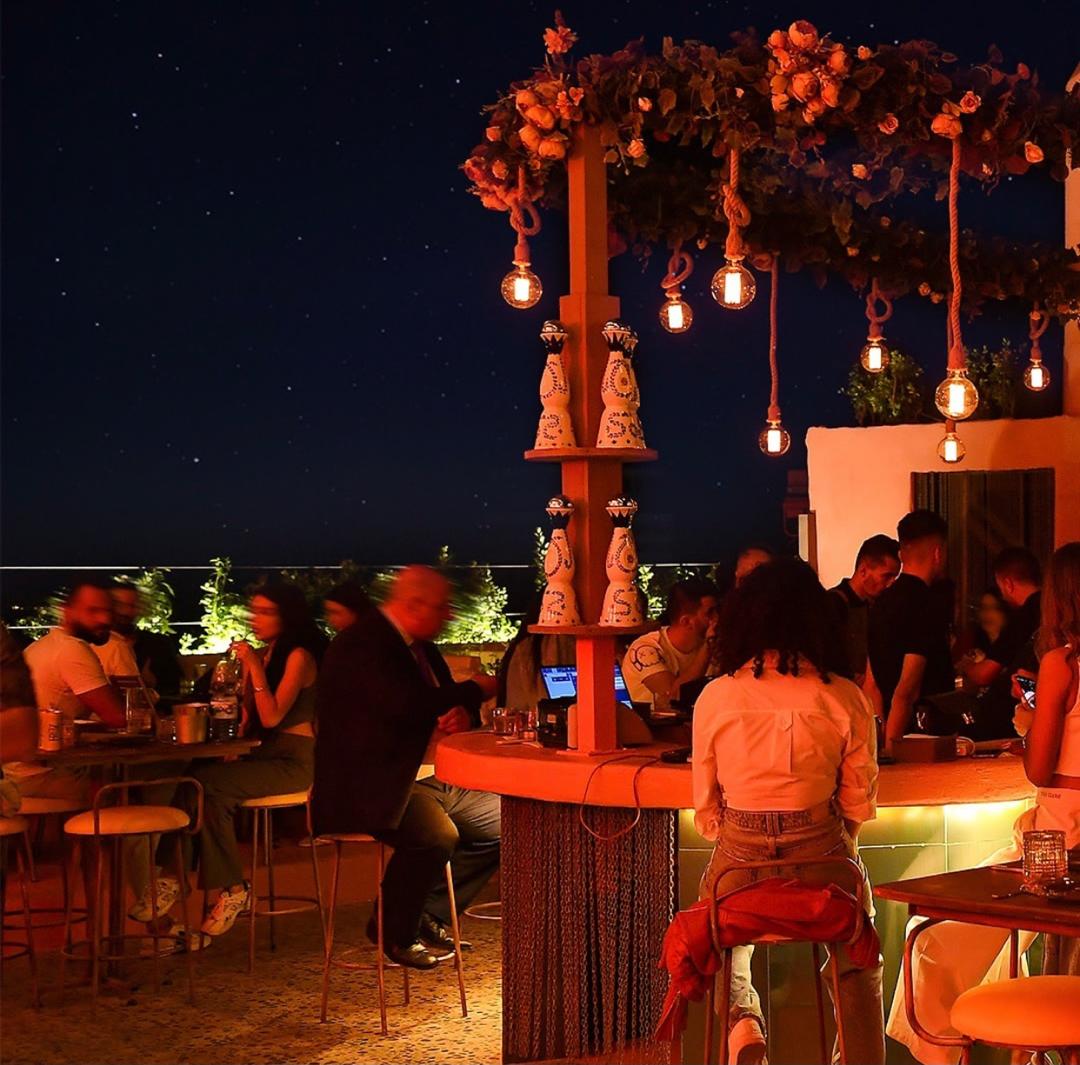
6 Best Rooftops Damascus for Magical Summer Nights
Your ultimate travel guide to exploring Syria’s vibrant culture, historic landmarks, top dining spots, and breathtaking summer nightlife in the heart of Damascus.
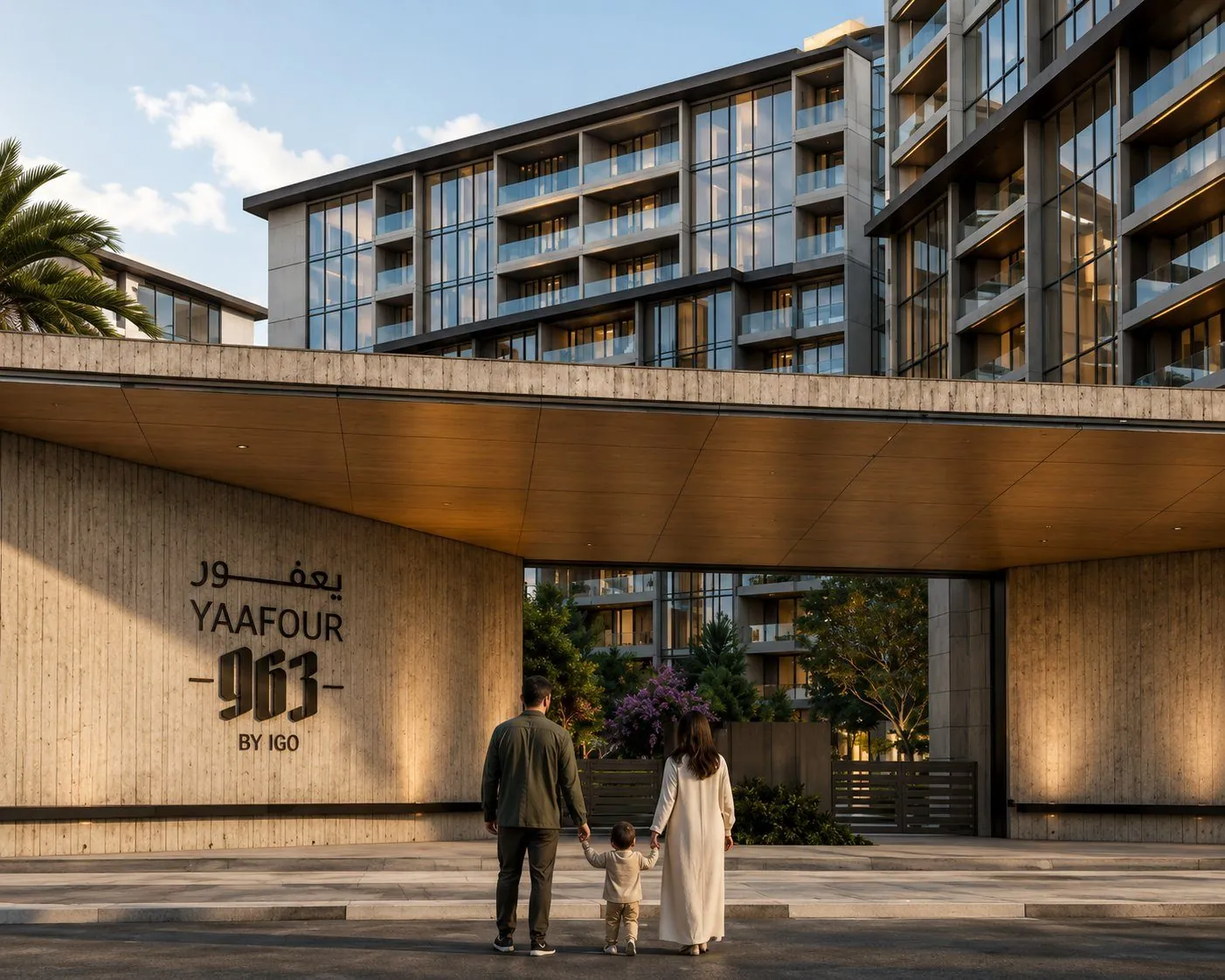
Yaafour 963: Redefining Luxury Living in the Damascus Countryside
An inside look at Yaafour 963, the massive new luxury residential project in the Damascus countryside, redefining modern living and upscale real estate in Syria.
.webp)
Halawet El Jibn: A Taste of Heaven in Traditional Syrian Sweets
A dedicated travel and cultural guide inviting international foodies and travelers to experience the authentic warmth, rich history, and legendary culinary heritage of Syria.
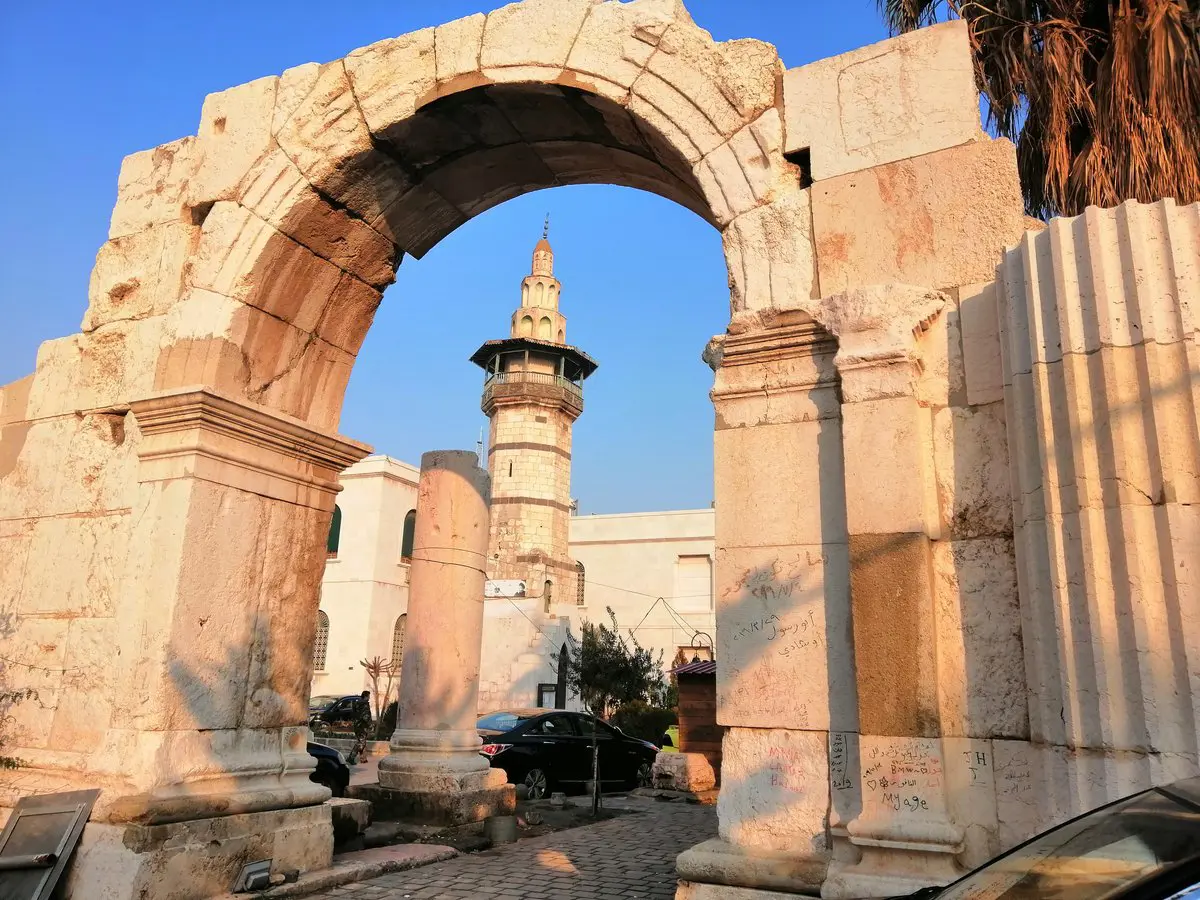
A 3-Day Syria Travel Itinerary for Damascus & Beyond
A comprehensive, soul-stirring guide for travelers wishing to explore the heart of Syria. This article covers a detailed 3-day plan from the ancient alleys of Damascus to the basalt ruins of Bosra, complete with vetted hotel recommendations and vital safety advice for a modern context.
A Deep Dive into Fardoss Tower Hotel , The Heart of Damascus
yalla-syria is your premier digital guide to exploring the hidden gems, historical landmarks, and world-class hospitality of Syria. From the ancient streets of Damascus to the Mediterranean coast, we bring you the heart of Syrian tourism.

The Best Beauty Centers in Syria for 2026
A comprehensive guide to the leading cosmetic and medical beauty centers in Syria for 2026, featuring contact details and specialized services for tourists and locals.

Best Money Transfer Companies in Syria 2026
A comprehensive guide tailored for travelers, expats, and locals exploring the financial landscape of Syria in 2026. This article highlights the most trusted licensed money transfer operators, their locations, and essential tips for secure transactions.
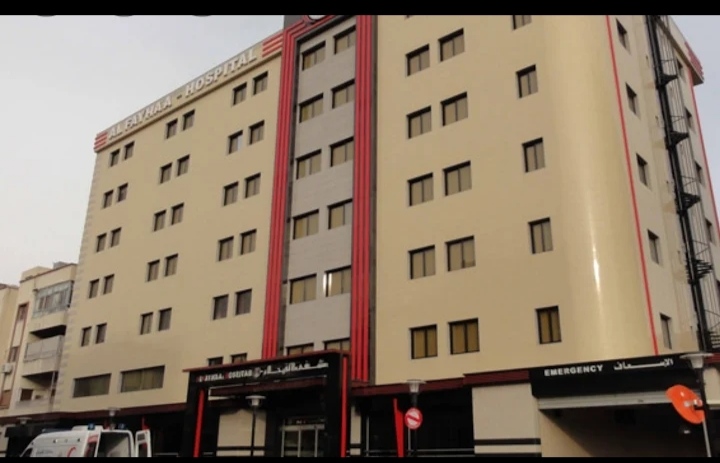
Best Hospitals in Damascus: Your Comprehensive Guide to Healthcare and Medical Services
A comprehensive guide for travelers and residents seeking the highest standards of healthcare in Damascus, Syria, highlighting top-rated private hospitals and specialized medical centers.
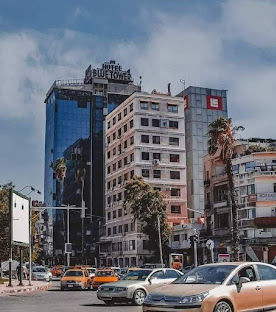
A Deep Dive into the Blue Tower Hotel Experience The Heart of Damascus
An in-depth guide to the Blue Tower Hotel in Damascus, highlighting its European design, premium amenities, and strategic location on Hamra Street for tourists and business travelers.
The Revolving Restaurant at Cham Palace: A 360-Degree Romance Above Damascus
A comprehensive guide to the iconic Revolving Restaurant at the Cham Palace Hotel in Damascus. This article explores the unique 360-degree dining experience, highlighting the romantic atmosphere, the signature "Steak Café de Paris," and why it remains the top choice for celebrations and luxury tourism in the heart of the Syrian capital.
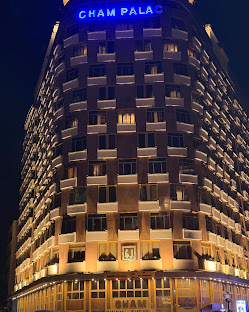
A Timeless Stay at Cham Palace Hotel In Damascus
An in-depth, human-centric guide to the iconic Cham Palace Hotel in Damascus. This article explores the hotel’s prime location near historic markets, its diverse dining options like the Revolving Restaurant, and its comprehensive wellness and business facilities, making it the ultimate choice for travelers seeking authenticity and comfort in the Syrian capital.
The Heartbeat of Damascus: Shawarma Abu Al-Abd and the Legend of the "Cartridge"
A deep dive into the legendary Shawarma Abu Al-Abd in the heart of Damascus, exploring their 60-year heritage, the famous "Cartridge" sandwich, and their creative Shawarma-stuffed Kibbeh.
The Art Studio Damascus: Your New Creative Sanctuary to Discover Your Talent
A deep dive into "The Art Studio" in Damascus, the city’s newest creative hub. Learn about their workshops in pottery, painting, and embroidery, and why this spot is a must-visit for locals and tourists alike.

The Digital Pulse of Damascus: Your Guide to the Best Delivery Apps in Syria
An essential guide for locals and tourists in Damascus exploring the digital revolution of delivery services. This article covers the top-rated apps for food, fresh vegetables, and household essentials, highlighting the convenience, speed, and cost-saving benefits of using Target Market, Bee Order, and Movo in the Syrian capital.
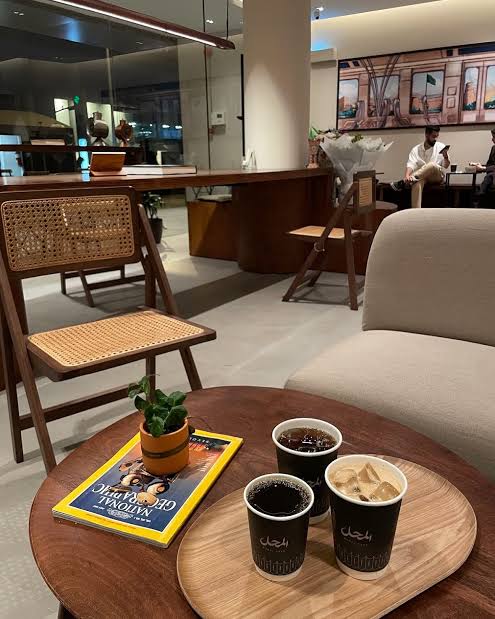
The Best Smoke-Free Cafes in Damascus ، Breath Fresh
Explore the hidden gems of Damascus. From quiet work corners to chocolate heavens, we guide you through the city's best non-smoking cafes for a fresh experience.

Navigating Damascus: The Ultimate Guide to the Best Taxi Apps for a Safe and Easy Ride
Getting around a city as vibrant and bustling as Damascus is an adventure in itself. Whether you are weaving through the historic streets of Old Damascus, heading to a lecture at Damascus University, or commuting from the suburbs in Rif Dimashq, the way you travel matters. Gone are the days of standing on a street corner, waving your hand, and haggling over a price that seems to change with the wind.
Al-Rabwah Damascus: Where the Barada River Whispers Secrets of the Past
When you think of Damascus, your mind might first drift to the ancient cobblestones of the Old City or the towering minarets of the Umayyad Mosque. But there is another side to the oldest continuously inhabited city in the world—a side where the air is cool, the water is rushing, and the greenery is so lush it feels like a dream. This is Al-Rabwah.
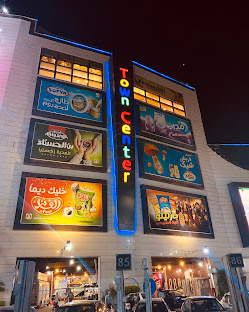
Town Center Damascus: The Pioneer of Modern Shopping in Syria
When you think of the evolution of retail in Damascus, one name stands above the rest: Town Center.
Al-Zaitoun Church : The Sacred Heart of Ancient Damascus
Discover the spiritual heart of Damascus at Al-Zaitoun Church. Located in Bab Sharqi, this magnificent Melkite Greek Catholic Cathedral blends Byzantine and Arabic architecture. A symbol of Syrian coexistence, it houses priceless icons and serves as a global religious landmark. A must-visit for history and culture lovers exploring Ancient Syria.
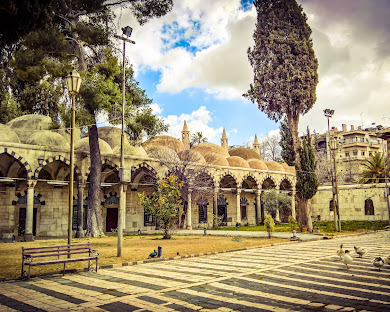
Al-Takiyya al-Sulaymaniyya: The Architectural Soul of Damascus
When you walk through the ancient gates of Damascus, the "Sham Sharif," you aren't just walking through a city; you are walking through layers of human history. Among its many jewels, Al-Takiyya al-Sulaymaniyya
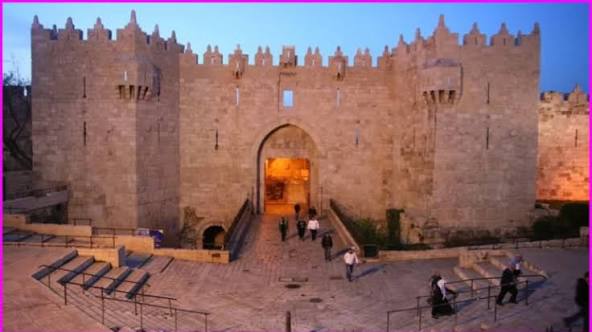
The Citadel of Damascus: A Stone Sentinel in the Heart of History
When you walk through the bustling markets of Old Damascus, the scent of jasmine and spices fills the air, and the echoes of centuries past resonate from the ancient walls. Amidst this living museum stands one of the most significant monuments of Islamic military architecture: The Citadel of Damascus.

Navigating the Syrian Banking Sector: A Complete Guide to Opening an Account for foreigners and citizens
Whether you are planning a long-term stay in the heart of Damascus, launching a business venture, or simply visiting as a tourist and looking for better ways to manage your expenses, understanding the financial landscape is crucial. Syria’s banking sector has evolved significantly, offering a blend of long-standing state institutions and modern private banks that provide digital services tailored to 21st-century needs.
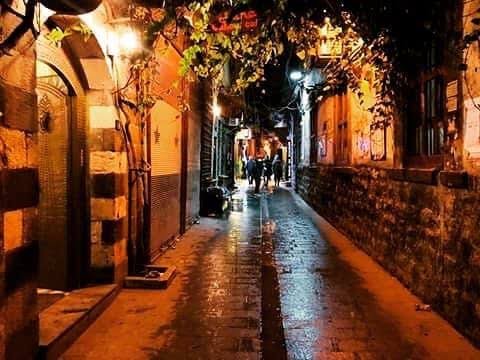
Al-Qaymariyya: A Journey Through the Living Soul of Old Damascus
Al-Qaymariyya in Damascus. Explore "Little India," ancient churches, mosques, and boutique hotels in the world's oldest inhabited capital
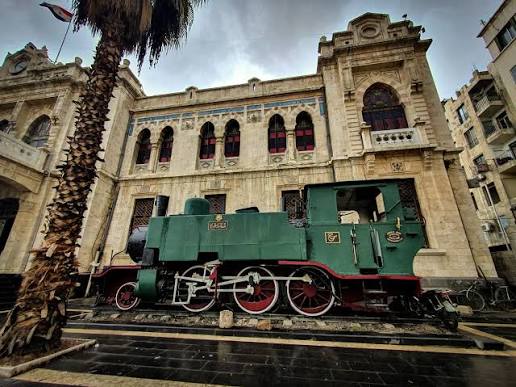
The Hijaz Railway Station The Soul of Damascus
When you stand in the heart of Damascus, just a short walk west of the bustling Al-Hamidiyah Souq, you encounter more than just a building. You encounter a silent storyteller. The Hijaz Railway Station.
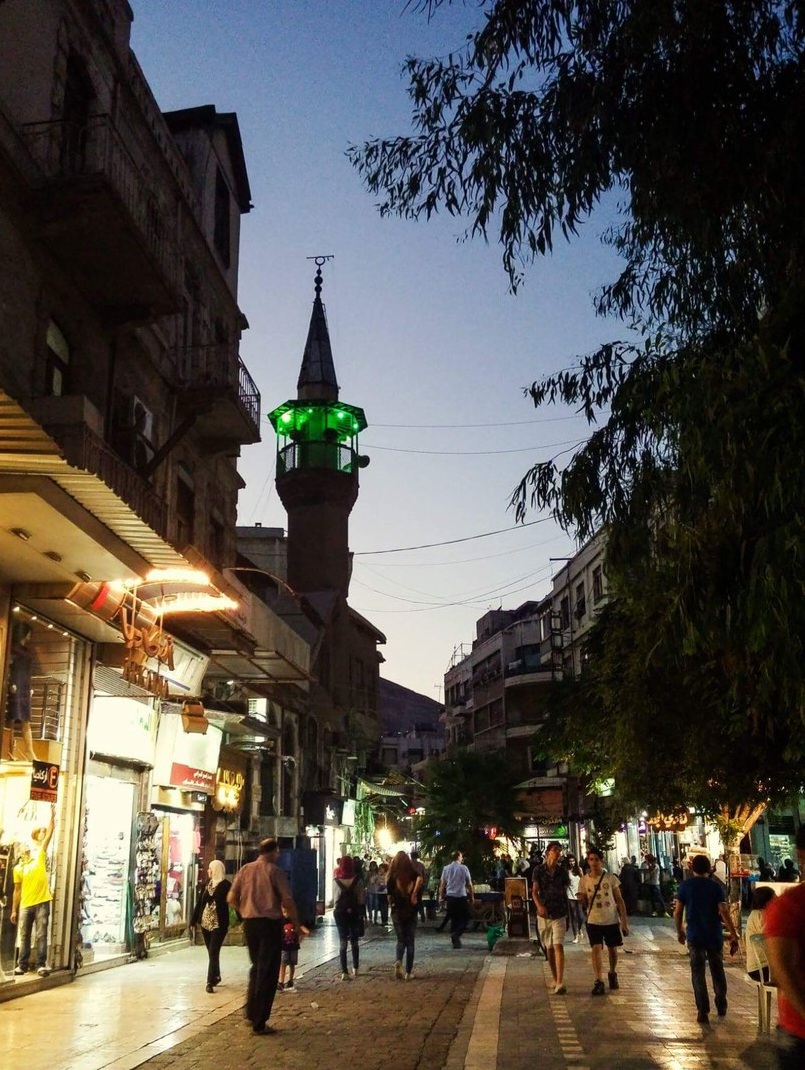
Salhiyeh Market The Beating Heart of Damascus
Salhiyeh Market in Damascus From the Parliament building to Al-Rawda Cafe, explore the history and charm of Syria’s iconic street.
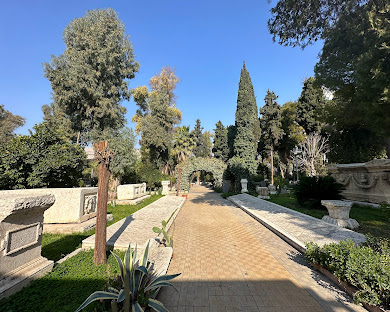
A Journey Through the National Museum of Damascus, The Soul of History
Explore the National Museum of Damascus with yalla-syria. Discover Syria's rich history, from ancient Ugarit to Islamic art, in the heart of Damascus
The Majestic Khan As'ad Pasha al-Azm ia The Crown Jewel of Damascus
The scent of roasted spices and dried herbs from the Al-Buzuriyah Souq leads you toward a massive stone portal that feels more like the entrance to a palace than a commercial inn. This is Khan As'ad Pasha al-Azm
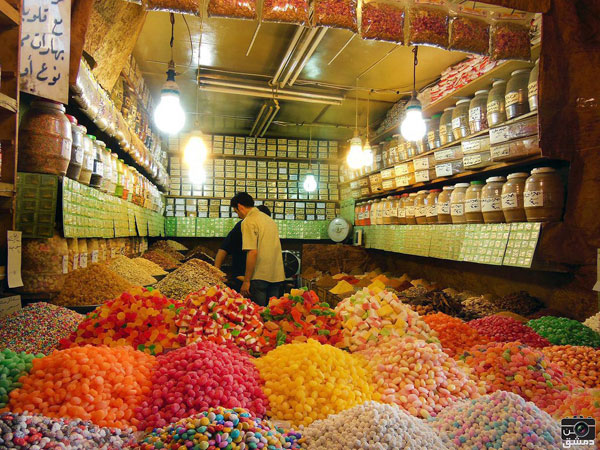
Al-Buzuriyah Souq in Damascus: Where History Scents the Details of Life
Al-Buzuriyah Souq emerges as an eternal anthem sung to the ears of time.
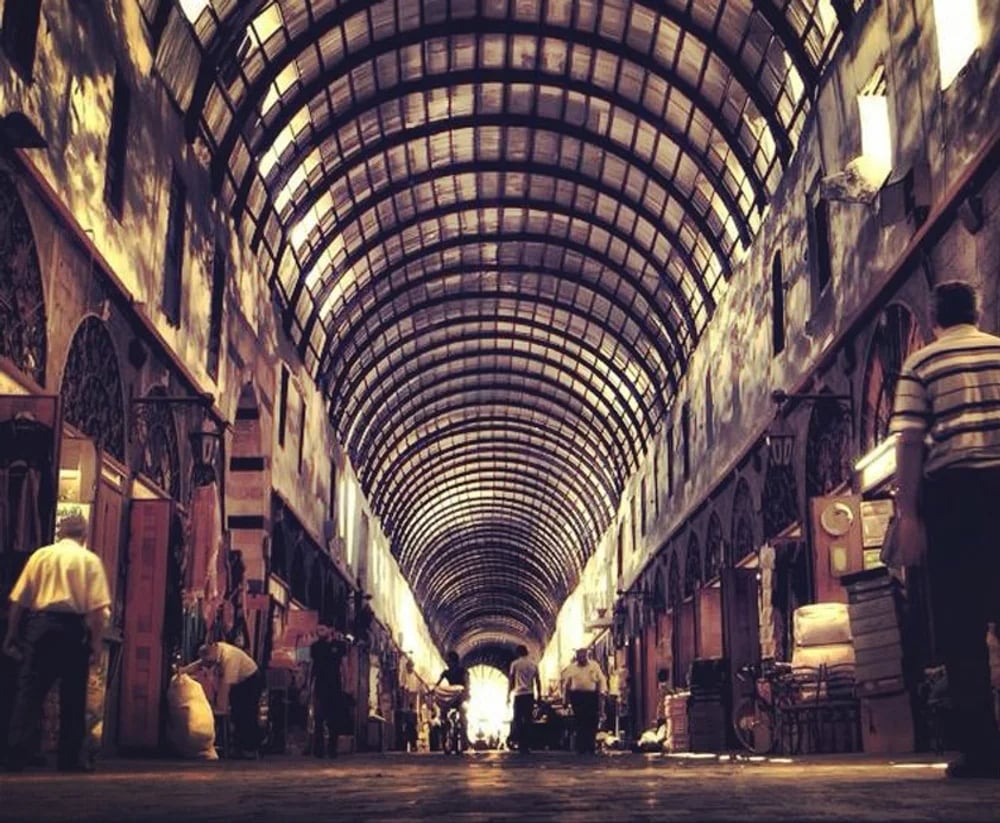
Al-Hamidiyah Souq in Damascus: A Living Masterpiece of History and Beauty
If cities had souls, the soul of Damascus would undoubtedly reside within the stone-paved corridors of Al-Hamidiyah Souq
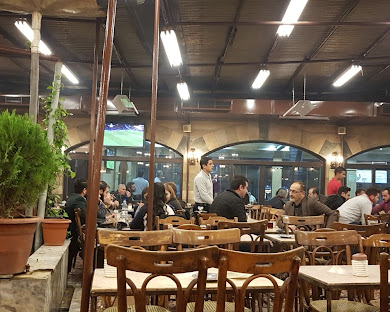
The Soul of Damascus: Rediscovering Al-Rawda Cafe’s Legacy and Liberty
In the heart of Damascus, where the scent of jasmine mingles with the echoes of history, there is a place that transcends the definition of a simple coffeehouse. Al-Rawda Cafe
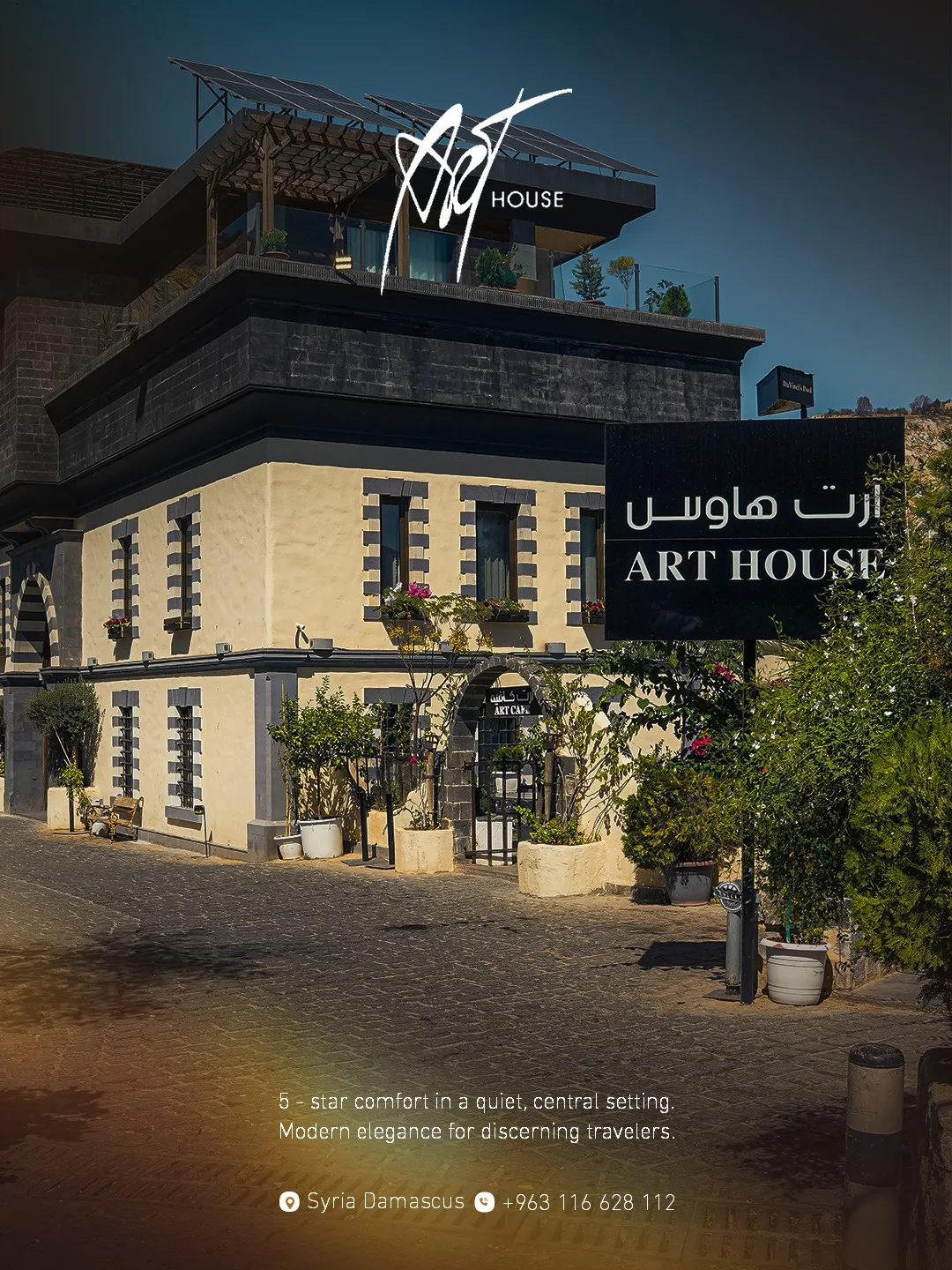
Art House Damascus: Where Ancient Heritage Meets Contemporary Syrian Soul
When you think of Damascus, your mind likely drifts to the scent of jasmine, the echoing calls to prayer in the Old City, and the timeless flow of the Barada River. But there is a place where these traditions don't just exist—they breathe.
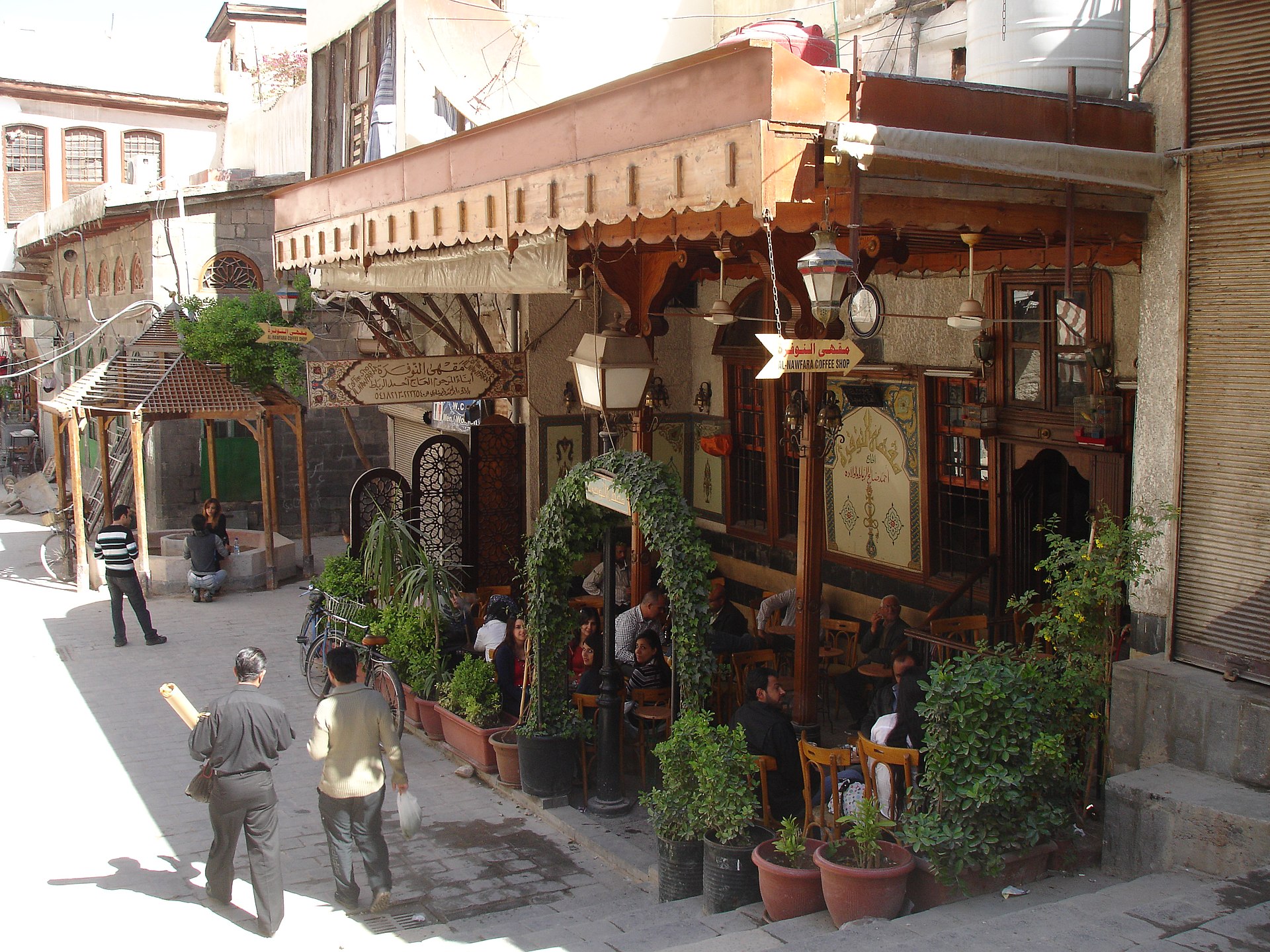
Stepping Back in Time: The Magic of Al-Nofara Coffeehouse in Damascus
If the stones of Old Damascus could speak, they would likely whisper the stories told within the walls of Al-Nofara Coffeehouse
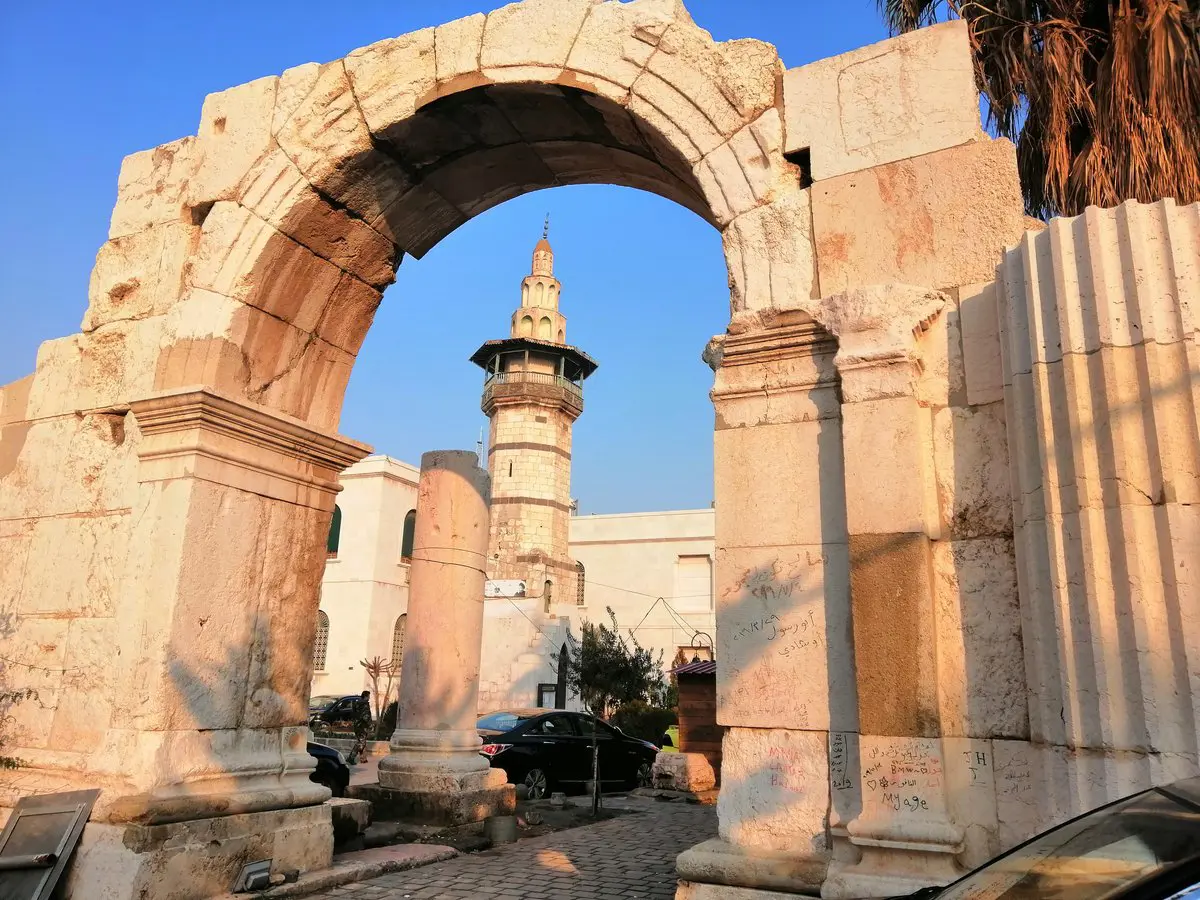
The Straight Street: Walking Through 2,000 Years of Damascus History
When you step onto the Straight Street in Damascus, you aren't just walking on pavement; you are retracing the footsteps of emperors, prophets, and conquerors
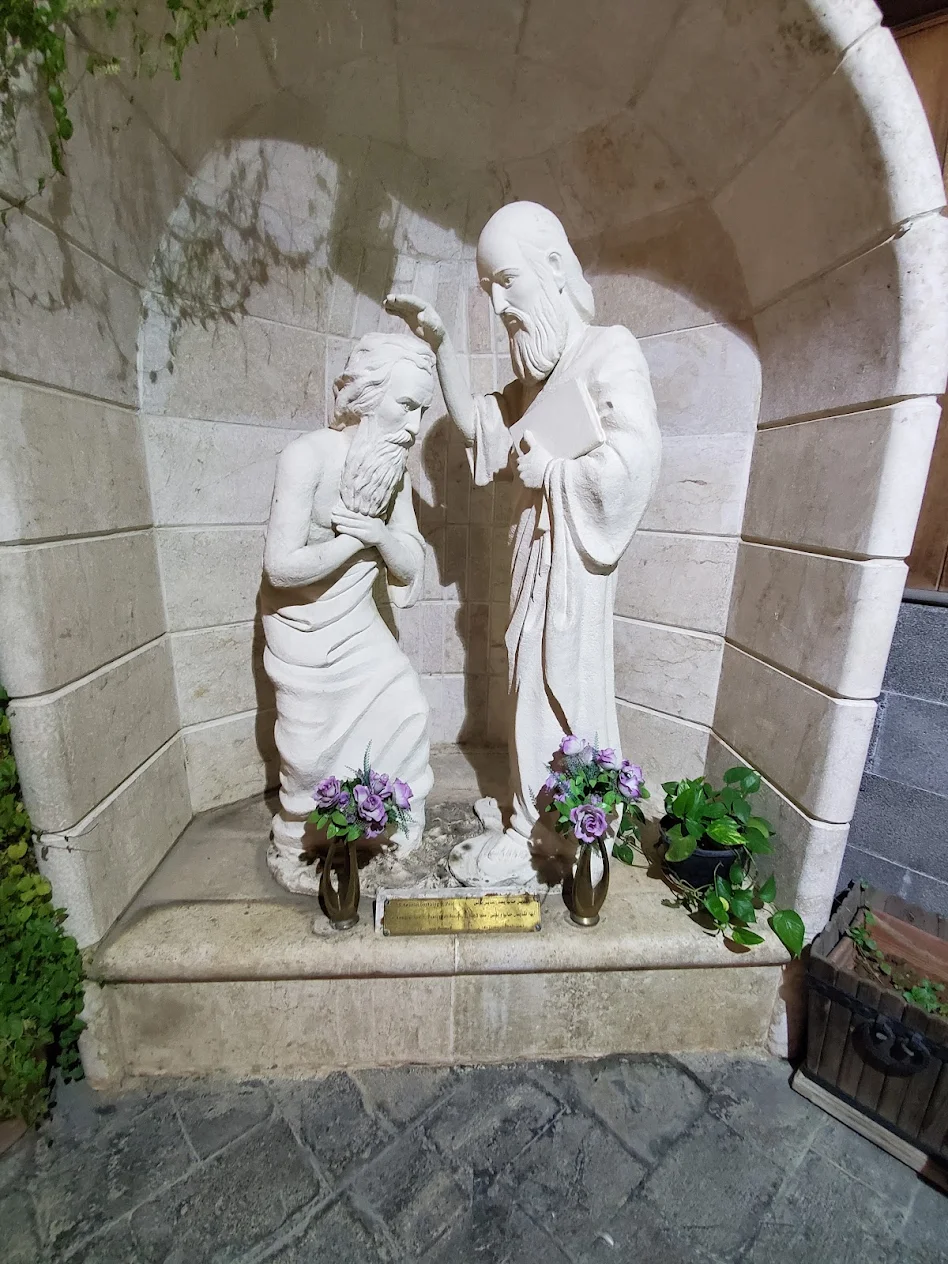
The Chapel of Saint Ananias: A Subterranean Journey into the Dawn of Christianity
Syria is often described as a massive open-air museum, but some of its most profound treasures aren't found on high pedestals or under golden domes. Instead, they are tucked away beneath the cobblestones of history
The Crown Jewel of Old Damascus: Unveiling the Secrets of Al-Azem Palace
When you step through the narrow, bustling alleys of the ancient city of Damascus, the air is thick with the scent of jasmine and the echoes of millennia. But nestled right in the heart of this labyrinth, near the Umayyad Mosque, lies a sanctuary of stillness and grandeur: Al-Azem Palace
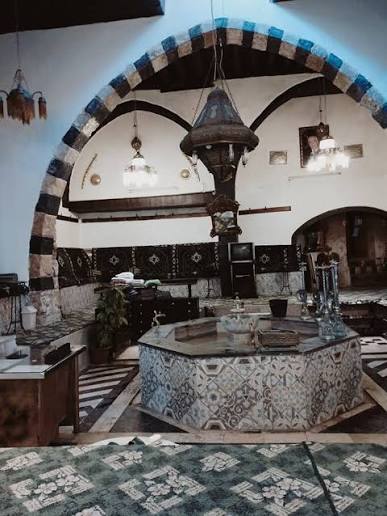
Hammam Nur al-Din al-Shahid: A Timeless Journey into the Heart of Old Damascus
When you step into the Old City of Damascus, the air changes. The scent of roasted coffee blends with the earthy aroma of dried herbs and spices from the Al-Buzuriyah Souq. But among the bustling shops, there is a hidden sanctuary of steam and stone that has stood the test of time for nearly nine centuries: Hammam Nur al-Din al-Shahid.

Sizzling Above the Clouds: Why Butcher restaurant is the Ultimate Dining Destination in Damascus
When people think of the culinary scene in Damascus, images of overflowing platters of hummus, fragrant kibbeh, and endless arrays of mezze usually come to mind.
Brocar Boutique restaurant
Damascus is not merely a city; it is a living breathing chronicle of human civilization. As the oldest continuously inhabited capital in the world, every cobblestone in its Old City whispers stories of empires, poets, and traders. In the heart of this timeless landscape
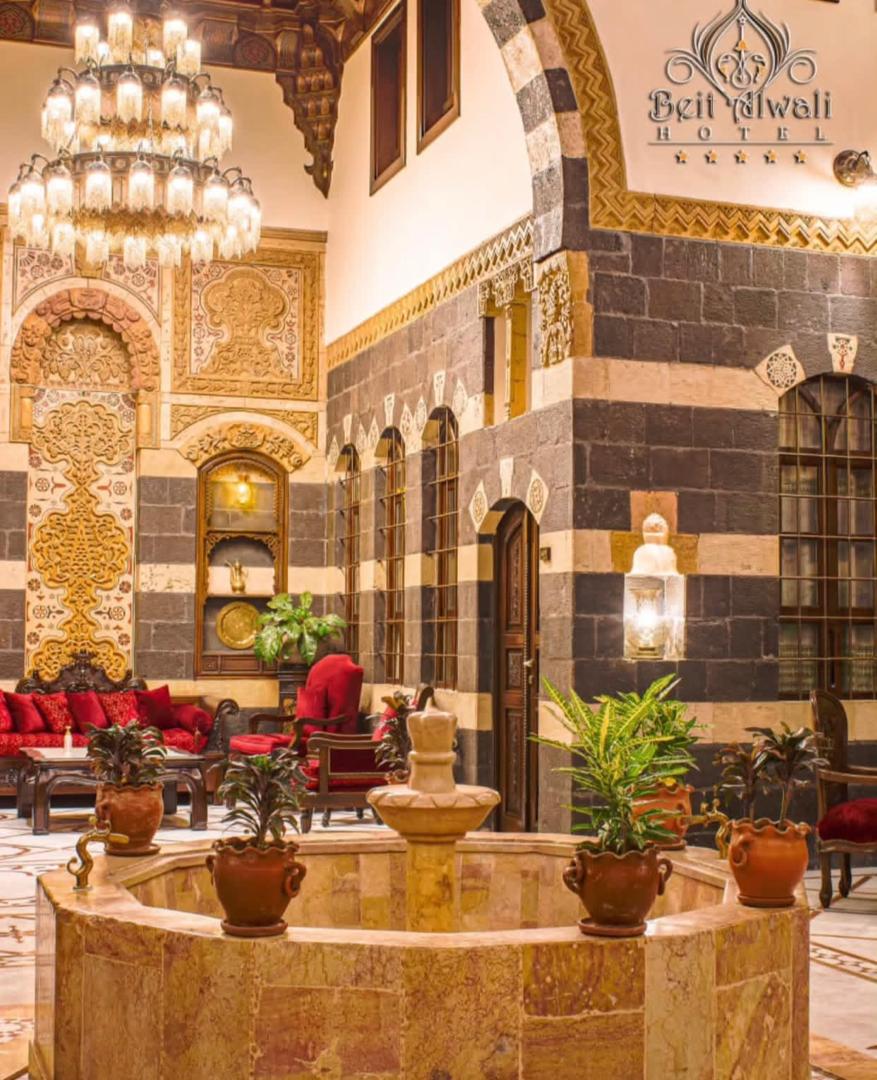
Beit Al Wali Hotel: A Luxurious Heritage Stay in Old Damascus
Damascus is often whispered about as the oldest continuously inhabited city in the world, a place where history isn't just found in books but is etched into the very stones of the alleyways. To truly "feel" Damascus, you cannot stay in a modern glass-and-steel skyscraper

Savor the Flavor: Why Chicky Diner is the Ultimate Fast Food Destination in Damascus
When you think of Damascus, your mind might instantly wander to the ancient alleys of the Old City or the scent of jasmine in the air. But there is another side to this vibrant capital—a modern, bustling energy found in places like Malki Avenue Mall. At the heart of this contemporary hub lies a culinary gem that has been winning hearts one bite at a time: Chickky Diner.
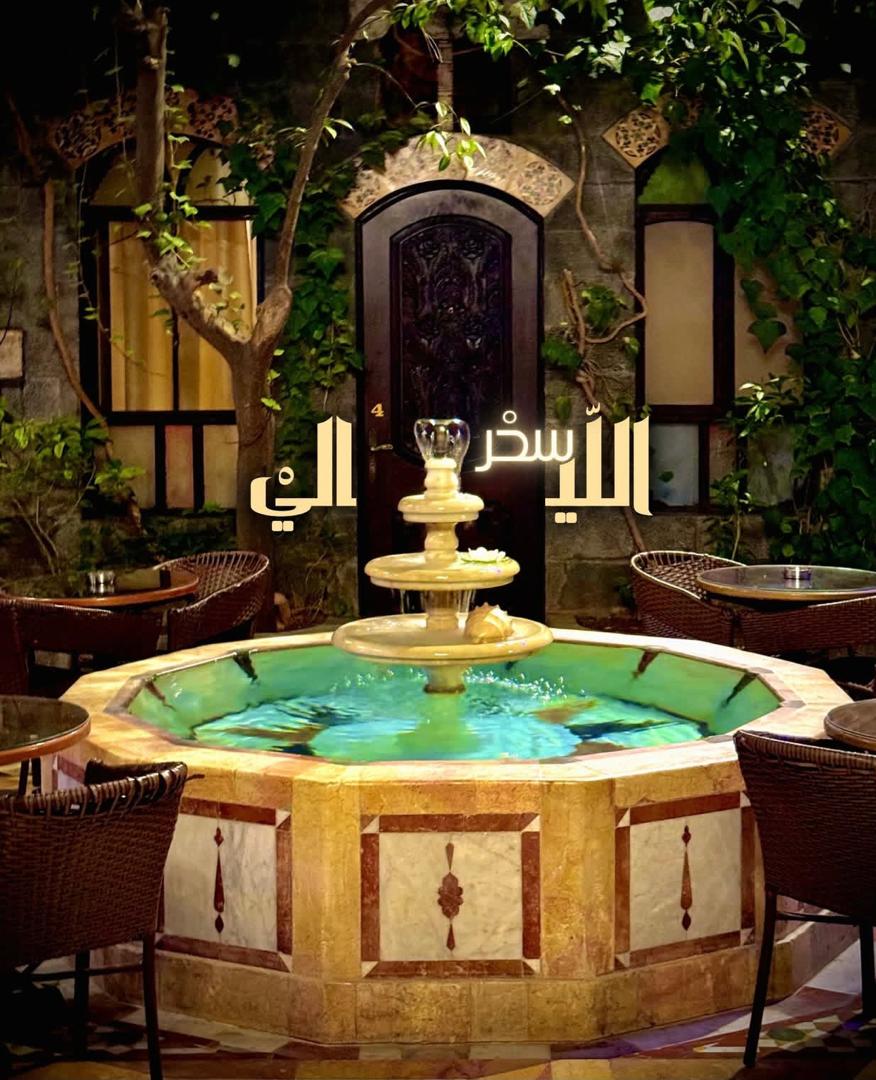
A Journey Through Time: The Timeless Elegance of Al-Zaytouna Boutique Hotel in Old Damascus
Damascus is often called the "Living Museum," a city where every cobblestone tells a story and every alleyway whispers secrets of civilizations past. In the heart of the Christian Quarter, specifically in the vibrant neighborhood of Bab Touma, stands a monument to this enduring legacy: Al-Zaytouna Boutique Hotel.
Where Memories Live: The Timeless Charm of the Pizzeria restaurant in Damascus
Damascus is a city that breathes history, but some of its most cherished stories aren't found in ancient ruins—they are found around a dinner table. For decades, the Pizzeria located at the landmark former Sheraton hotel has been more than just a restaurant; it is a sanctuary for those seeking a blend of high-end service and the warmth of a family living room.

Feel the Rush: Your Ultimate Guide to Karting Heroes Station in Damascus
If you think a trip to Damascus is only about ancient alleys and jasmine-scented courtyards, think again. While the history is breathtaking, there is a modern, high-octane side of the city waiting to be explored.
A Foodie’s Pilgrimage: Exploring Al-Midan Street, the Delicious Heart of Damascus
If Damascus is the soul of the Levant, then Al-Midan Street is undoubtedly its kitchen. Known to locals and travelers alike as the ultimate destination for food lovers, this bustling boulevard is more than just a road; it is a sensory explosion of sizzling meats, aromatic spices, and the legendary scent of clarified butter (samneh) from world-class pastry shops.
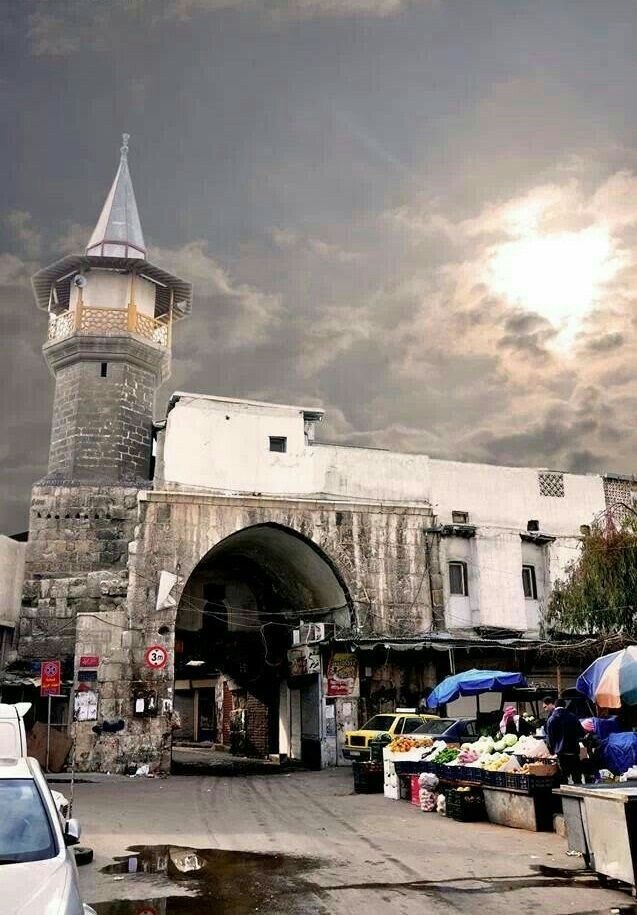
Discovering Damascus: The Seven Ancient Gates
Discover the history and stories behind the Seven Ancient Gates of Damascus, Syria. A journey through the best-preserved Roman portals of the Old City.\n