
10 Historical Sites You Must Visit in Syria: A Journey Through Time
Uncover the eternal beauty of Syria through its 10 most breathtaking historical sites. From ancient Roman theaters and UNESCO desert ruins to bustling souks and cliffside Christian monasteries, this comprehensive guide offers practical travel advice, local food tips, photo spots, and hotel suggestions for every explorer.
History & Heritage
3
34
What to expect?
Syria is a living museum, holding thousands of years of human history within its borders. If you are planning a journey into Syrian culture, exploring historical sites in Syria offers an unforgettable window into Roman empires, Islamic golden ages, and ancient civilizations. Through Syria tourism, visitors experience a timeless mosaic of heritage, warm hospitality, and historic landscapes.
Here are 10 legendary historical landmarks in Syria that belong on every traveler’s bucket list.
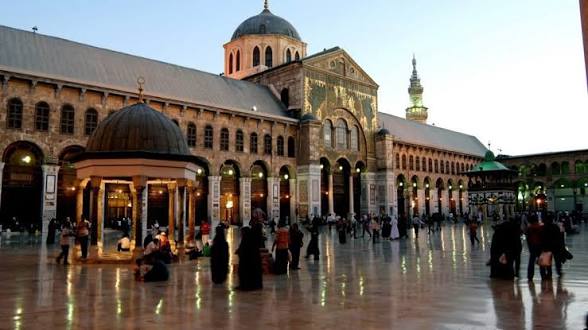
1. The Umayyad Mosque (Damascus)
The Great Umayyad Mosque stands at the cultural heart of Old Damascus. Built on the grounds of a Roman temple and later a Byzantine church, this masterpiece of early Islamic architecture showcases soaring minarets, intricate golden mosaics, and a majestic central courtyard. It also houses a shrine believed to contain the head of John the Baptist (Prophet Yahya).
• Ruins & Historical Features: Ancient Roman arches, Byzantine mosaic panels, and classical Islamic courtyard architecture.
• Best Nearby Photography Spot: The interior courtyard facing the Treasury Dome, or the view from the surrounding traditional rooftops.
• Best Time for Photography: Late afternoon (golden hour) as sunlight illuminates the mosaic facades.
• Famous Local Food: Traditional Damascus Fatteh (chickpeas, bread, yogurt, and pine nuts) and Baklava.
• Top Nearby Restaurants: Al-Khawali, Beit Jabri.
• Top Tourist Activities: Walking tours around the courtyard, visiting nearby Souk Al-Hamidiyah, reflecting inside the main prayer hall.
• Surrounding Attractions: Straight Street, Azem Palace, Souk Al-Hamidiyah.
• Nearby Hotels: Beit Al Mamlouka, Talisman Hotel, Art Palace Hotel.
2. Bab Touma & Bab Sharqi (Damascus)
These historic gates mark the eastern defense system of Old Damascus. Bab Touma serves as the entryway to the vibrant Christian Quarter, characterized by narrow cobblestone alleys and heritage houses. Bab Sharqi connects directly to Straight Street, one of the oldest continuously inhabited thoroughfares in human history.
• Ruins & Historical Features: Original Roman masonry and medieval gate arches.
• Best Nearby Photography Spot: The archways at Bab Sharqi framed by traditional street lanterns.
• Best Time for Photography: Early morning for quiet alley photography, or late evening for night life ambiance.
• Famous Local Food: Shawarma from street vendors and freshly baked Syrian pastries.
• Top Nearby Restaurants: Naranj Restaurant, Al-Dar Restaurant.
• Top Tourist Activities: Exploring art galleries, sipping mint tea in courtyard cafes, evening strolls along historic alleys.
• Surrounding Attractions: Saint Ananias Church, Al-Zaytoun Church.
• Nearby Hotels: Beit AI Wali, Beit Al-Sammān, Damascus Heritage House.
3. The Citadel of Aleppo
Dominating the skyline of Aleppo from a massive hill, this 3rd-millennium BC fortress is one of the largest and oldest castles in the world. Enclosed by a deep moat and thick defensive walls, it features royal reception halls, ancient temples, underground passages, and a mosque.
• Ruins & Historical Features: Ayyubid and Mamluk defensive entrance gates, royal throne room ruins, and ancient cisterns.
• Best Nearby Photography Spot: The massive stone bridge leading into the main gate of the Citadel.
• Best Time for Photography: Sunset, when the warm fortress stone glows against the skyline.
• Famous Local Food: Aleppine Kebab (with sour cherry or pistachio sauce) and Kibbeh.
• Top Nearby Restaurants: Al-Khashāb, Cordoba Restaurant.
• Top Tourist Activities: Walking through the throne room, exploring underground tunnels, taking in panoramic city views.
• Surrounding Attractions: Ancient Souks of Aleppo, Carlton Citadel area.
• Nearby Hotels: Planet Hotel Aleppo, Riga Palace Hotel.
4. Temples of Bel and Baalshamin (Palmyra)
Located in the desert oasis of Palmyra, these grand temples represented the pinnacle of Palmyrene religious life in the 1st century AD. Combining Greco-Roman architecture with Persian and Semitic influences, the tall stone columns and relief carvings highlight Palmyra's ancient wealth along the Silk Road.
• Ruins & Historical Features: Monumental stone doorways, engraved altars, classical Corinthian columns.
• Best Nearby Photography Spot: The central doorway arch framing the vast Syrian desert backdrop.
• Best Time for Photography: Sunrise, when soft orange light coats the ancient desert stone.
• Famous Local Food: Bedouin-style lamb stew and dates with cardamon-infused coffee.
• Top Nearby Restaurants: Local oasis tea stalls and traditional guesthouses.
• Top Tourist Activities: Guided historical tours, desert walks, stargazing near the ruins.
• Surrounding Attractions: The Valley of the Tombs, Palmyra Oasis.
• Nearby Hotels: Semiramis Palmyra Hotel (check operational status before travel), local desert camps.
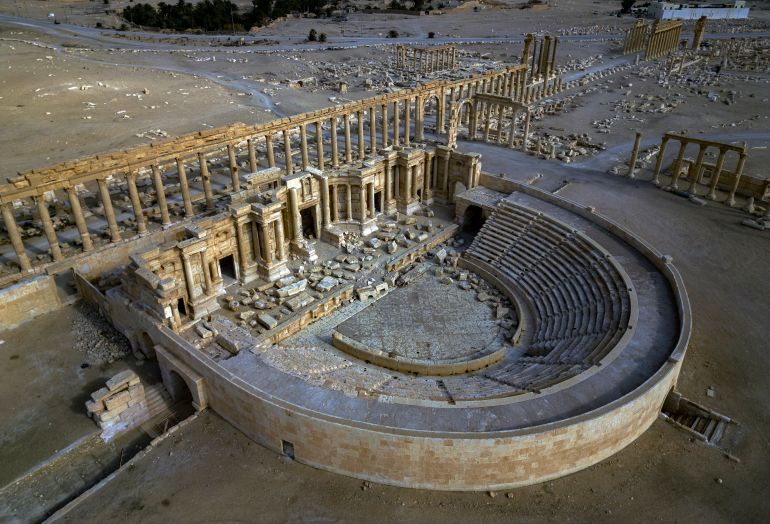
5. The Roman Theater of Palmyra
Built in the 2nd century AD, this semicircular stone theater is an architectural jewel set amidst Palmyra's ruins. It features a beautifully preserved stage wall (scaenae frons) and curved tiered seating that once held thousands of spectators for music and theatrical performances.
• Ruins & Historical Features: Preserved stone orchestra pit, curved seating tiers, carved limestone columns.
• Best Nearby Photography Spot: Top row of the theater seating looking down across the stage toward the desert.
• Best Time for Photography: Mid-morning or late afternoon when shadows emphasize the stonework geometry.
• Famous Local Food: Fresh citrus juices and local grilled flatbreads.
• Top Nearby Restaurants: Palmyra Oasis Rest Stop.
• Top Tourist Activities: Exploring sound acoustics on stage, historical photography.
• Surrounding Attractions: Palmyra Colonnade, Camp of Diocletian.
• Nearby Hotels: Cham Palace Palmyra, local desert rest houses.
6. The Great Colonnade of Palmyra
Stretching nearly a kilometer through the center of the ancient city, the Great Colonnade served as Palmyra's main ceremonial boulevard. The Corinthian columns once sheltered bustling market stalls and civic processions connecting the major temples and monuments.
• Ruins & Historical Features: Tall fluted columns, Roman arches, and bilingual inscriptions in Greek and Palmyrene.
• Best Nearby Photography Spot: Near the Monumental Arch looking down the sweeping row of columns.
• Best Time for Photography: Sunset, as long shadows cast across the open road.
• Famous Local Food: Traditional Syrian flatbreads with za'atar and local olives.
• Top Nearby Restaurants: Oasis Garden Rest Area.
• Top Tourist Activities: Photography walks, camel tours along the historical route.
• Surrounding Attractions: Tetrapylon, Palmyra Museum.
• Nearby Hotels: Zenobia Cham Palace, Oasis Guest House.
7. The Roman Mosaics and Ruins of Apamea
Perched above the Orontes River valley in the Orontes plain, Apamea was a major Seleucid and Roman city. It is famous for its grand avenue lined with twisted helical columns and stunning floor mosaics that depict mythological and wildlife scenes from antiquity.
• Ruins & Historical Features: Helical column shafts, defensive city walls, ancient Roman villa foundations.
• Best Nearby Photography Spot: Standing between the double row of spiral columns along the main avenue.
• Best Time for Photography: Early morning light to capture details on column carvings.
• Famous Local Food: Fresh Orontes river fish and regional vegetable dishes (Maza).
• Top Nearby Restaurants: Apamea Valley Rest Area, local family dining near Hama.
• Top Tourist Activities: Walking along the ancient avenue, visiting the Apamea Mosaic Museum in the nearby Ottoman Khan.
• Surrounding Attractions: Citadel of Moudhiq, City of Hama (Norias waterwheels).
• Nearby Hotels: Hama Cham Palace (located in nearby Hama).
8. The Walled Ancient City of Bosra
Bosra was once the capital of the Roman province of Arabia. Built almost entirely from dark basalt stone, this black-stone city features ancient Roman temples, early Christian basilicas, and historic mosques integrated into a unique urban landscape.
• Ruins & Historical Features: Massive intact Roman Theater enclosed inside a medieval Ayyubid citadel, basalt arches.
• Best Nearby Photography Spot: Inside the dark basalt theater, contrasting the black stone against the blue sky.
• Best Time for Photography: Noon to early afternoon when direct sunlight brightens the dark basalt stones.
• Famous Local Food: Mansaf (tender lamb cooked in fermented yogurt sauce served over rice).
• Top Nearby Restaurants: Bosra Citadel Cafe, local southern heritage diners.
• Top Tourist Activities: Attending cultural events at the theater, exploring the basalt streets and ancient baths.
• Surrounding Attractions: Al-Omari Mosque, Cathedral of Bosra.
• Nearby Hotels: Bosra Cham Palace.
9. Arwad Island (Tartous Coast)
Arwad is Syria’s only inhabited island, located off the Mediterranean coast near Tartous. Founded by Phoenician sailors, it served as an independent maritime trading fortress. Today, visitors can see remaining heavy Phoenician defensive sea walls along the coastline.
• Ruins & Historical Features: Ancient Phoenician sea wall blocks, Ottoman and Crusader coastal forts.
• Best Nearby Photography Spot: The harbor edge lined with handcrafted wooden fishing boats and stone fort walls.
• Best Time for Photography: Late afternoon during sunset over the Mediterranean Sea.
• Famous Local Food: Freshly caught seafood, grilled octopus, and Mediterranean fish appetizers.
• Top Nearby Restaurants: Al-Arwad Seafood Restaurant, Tartous Corniche diners.
• Top Tourist Activities: Taking a boat ride from Tartous harbor, visiting boatbuilding workshops, walking coastal alleys.
• Surrounding Attractions: Tartous Old Town, Amrit archaeological site on the mainland.
• Nearby Hotels: Shahin Tower Hotel (Tartous mainland), Junada Hotel.
10. The Cliffside Monasteries of Maaloula and Saidnaya
Located in the rugged Qalamoun Mountains, Maaloula and Saidnaya are spiritual centers of early Christianity. Maaloula is famous for its rock-carved monasteries and as one of the last places on earth where Western Aramaic—the language of Jesus Christ—is still spoken. Nearby Saidnaya houses the famous hilltop Convent of Our Lady of Saidnaya.
• Ruins & Historical Features: Ancient mountain caves, early Christian icons, rock-cut chapels, and narrow mountain gorges.
• Best Nearby Photography Spot: The summit above the Monastery of Saint Sergius (Mar Sarkis) overlooking the village gorge.
• Best Time for Photography: Early morning when sunlight hits the light limestone cliffs.
• Famous Local Food: Mountain honey, homemade grape wine, fresh mountain flatbreads with local cheese.
• Top Nearby Restaurants: Mar Sarkis View Restaurant, Al-Fajr Restaurant.
• Top Tourist Activities: Listening to Aramaic prayers, walking through the narrow mountain gorge (Grotto of Saint Thecla), exploring ancient icon collections.
• Surrounding Attractions: Monastery of Saint Thecla, Cherubim Monastery in Saidnaya.
• Nearby Hotels: Safir Hotel Maaloula, Saidnaya Grand Hotel.
Here are 10 legendary historical landmarks in Syria that belong on every traveler’s bucket list.
1. The Umayyad Mosque (Damascus)
The Great Umayyad Mosque stands at the cultural heart of Old Damascus. Built on the grounds of a Roman temple and later a Byzantine church, this masterpiece of early Islamic architecture showcases soaring minarets, intricate golden mosaics, and a majestic central courtyard. It also houses a shrine believed to contain the head of John the Baptist (Prophet Yahya).
• Ruins & Historical Features: Ancient Roman arches, Byzantine mosaic panels, and classical Islamic courtyard architecture.
• Best Nearby Photography Spot: The interior courtyard facing the Treasury Dome, or the view from the surrounding traditional rooftops.
• Best Time for Photography: Late afternoon (golden hour) as sunlight illuminates the mosaic facades.
• Famous Local Food: Traditional Damascus Fatteh (chickpeas, bread, yogurt, and pine nuts) and Baklava.
• Top Nearby Restaurants: Al-Khawali, Beit Jabri.
• Top Tourist Activities: Walking tours around the courtyard, visiting nearby Souk Al-Hamidiyah, reflecting inside the main prayer hall.
• Surrounding Attractions: Straight Street, Azem Palace, Souk Al-Hamidiyah.
• Nearby Hotels: Beit Al Mamlouka, Talisman Hotel, Art Palace Hotel.
2. Bab Touma & Bab Sharqi (Damascus)
These historic gates mark the eastern defense system of Old Damascus. Bab Touma serves as the entryway to the vibrant Christian Quarter, characterized by narrow cobblestone alleys and heritage houses. Bab Sharqi connects directly to Straight Street, one of the oldest continuously inhabited thoroughfares in human history.
• Ruins & Historical Features: Original Roman masonry and medieval gate arches.
• Best Nearby Photography Spot: The archways at Bab Sharqi framed by traditional street lanterns.
• Best Time for Photography: Early morning for quiet alley photography, or late evening for night life ambiance.
• Famous Local Food: Shawarma from street vendors and freshly baked Syrian pastries.
• Top Nearby Restaurants: Naranj Restaurant, Al-Dar Restaurant.
• Top Tourist Activities: Exploring art galleries, sipping mint tea in courtyard cafes, evening strolls along historic alleys.
• Surrounding Attractions: Saint Ananias Church, Al-Zaytoun Church.
• Nearby Hotels: Beit AI Wali, Beit Al-Sammān, Damascus Heritage House.
3. The Citadel of Aleppo
Dominating the skyline of Aleppo from a massive hill, this 3rd-millennium BC fortress is one of the largest and oldest castles in the world. Enclosed by a deep moat and thick defensive walls, it features royal reception halls, ancient temples, underground passages, and a mosque.
• Ruins & Historical Features: Ayyubid and Mamluk defensive entrance gates, royal throne room ruins, and ancient cisterns.
• Best Nearby Photography Spot: The massive stone bridge leading into the main gate of the Citadel.
• Best Time for Photography: Sunset, when the warm fortress stone glows against the skyline.
• Famous Local Food: Aleppine Kebab (with sour cherry or pistachio sauce) and Kibbeh.
• Top Nearby Restaurants: Al-Khashāb, Cordoba Restaurant.
• Top Tourist Activities: Walking through the throne room, exploring underground tunnels, taking in panoramic city views.
• Surrounding Attractions: Ancient Souks of Aleppo, Carlton Citadel area.
• Nearby Hotels: Planet Hotel Aleppo, Riga Palace Hotel.
4. Temples of Bel and Baalshamin (Palmyra)
Located in the desert oasis of Palmyra, these grand temples represented the pinnacle of Palmyrene religious life in the 1st century AD. Combining Greco-Roman architecture with Persian and Semitic influences, the tall stone columns and relief carvings highlight Palmyra's ancient wealth along the Silk Road.
• Ruins & Historical Features: Monumental stone doorways, engraved altars, classical Corinthian columns.
• Best Nearby Photography Spot: The central doorway arch framing the vast Syrian desert backdrop.
• Best Time for Photography: Sunrise, when soft orange light coats the ancient desert stone.
• Famous Local Food: Bedouin-style lamb stew and dates with cardamon-infused coffee.
• Top Nearby Restaurants: Local oasis tea stalls and traditional guesthouses.
• Top Tourist Activities: Guided historical tours, desert walks, stargazing near the ruins.
• Surrounding Attractions: The Valley of the Tombs, Palmyra Oasis.
• Nearby Hotels: Semiramis Palmyra Hotel (check operational status before travel), local desert camps.
5. The Roman Theater of Palmyra
Built in the 2nd century AD, this semicircular stone theater is an architectural jewel set amidst Palmyra's ruins. It features a beautifully preserved stage wall (scaenae frons) and curved tiered seating that once held thousands of spectators for music and theatrical performances.
• Ruins & Historical Features: Preserved stone orchestra pit, curved seating tiers, carved limestone columns.
• Best Nearby Photography Spot: Top row of the theater seating looking down across the stage toward the desert.
• Best Time for Photography: Mid-morning or late afternoon when shadows emphasize the stonework geometry.
• Famous Local Food: Fresh citrus juices and local grilled flatbreads.
• Top Nearby Restaurants: Palmyra Oasis Rest Stop.
• Top Tourist Activities: Exploring sound acoustics on stage, historical photography.
• Surrounding Attractions: Palmyra Colonnade, Camp of Diocletian.
• Nearby Hotels: Cham Palace Palmyra, local desert rest houses.
6. The Great Colonnade of Palmyra
Stretching nearly a kilometer through the center of the ancient city, the Great Colonnade served as Palmyra's main ceremonial boulevard. The Corinthian columns once sheltered bustling market stalls and civic processions connecting the major temples and monuments.
• Ruins & Historical Features: Tall fluted columns, Roman arches, and bilingual inscriptions in Greek and Palmyrene.
• Best Nearby Photography Spot: Near the Monumental Arch looking down the sweeping row of columns.
• Best Time for Photography: Sunset, as long shadows cast across the open road.
• Famous Local Food: Traditional Syrian flatbreads with za'atar and local olives.
• Top Nearby Restaurants: Oasis Garden Rest Area.
• Top Tourist Activities: Photography walks, camel tours along the historical route.
• Surrounding Attractions: Tetrapylon, Palmyra Museum.
• Nearby Hotels: Zenobia Cham Palace, Oasis Guest House.
7. The Roman Mosaics and Ruins of Apamea
Perched above the Orontes River valley in the Orontes plain, Apamea was a major Seleucid and Roman city. It is famous for its grand avenue lined with twisted helical columns and stunning floor mosaics that depict mythological and wildlife scenes from antiquity.
• Ruins & Historical Features: Helical column shafts, defensive city walls, ancient Roman villa foundations.
• Best Nearby Photography Spot: Standing between the double row of spiral columns along the main avenue.
• Best Time for Photography: Early morning light to capture details on column carvings.
• Famous Local Food: Fresh Orontes river fish and regional vegetable dishes (Maza).
• Top Nearby Restaurants: Apamea Valley Rest Area, local family dining near Hama.
• Top Tourist Activities: Walking along the ancient avenue, visiting the Apamea Mosaic Museum in the nearby Ottoman Khan.
• Surrounding Attractions: Citadel of Moudhiq, City of Hama (Norias waterwheels).
• Nearby Hotels: Hama Cham Palace (located in nearby Hama).
8. The Walled Ancient City of Bosra
Bosra was once the capital of the Roman province of Arabia. Built almost entirely from dark basalt stone, this black-stone city features ancient Roman temples, early Christian basilicas, and historic mosques integrated into a unique urban landscape.
• Ruins & Historical Features: Massive intact Roman Theater enclosed inside a medieval Ayyubid citadel, basalt arches.
• Best Nearby Photography Spot: Inside the dark basalt theater, contrasting the black stone against the blue sky.
• Best Time for Photography: Noon to early afternoon when direct sunlight brightens the dark basalt stones.
• Famous Local Food: Mansaf (tender lamb cooked in fermented yogurt sauce served over rice).
• Top Nearby Restaurants: Bosra Citadel Cafe, local southern heritage diners.
• Top Tourist Activities: Attending cultural events at the theater, exploring the basalt streets and ancient baths.
• Surrounding Attractions: Al-Omari Mosque, Cathedral of Bosra.
• Nearby Hotels: Bosra Cham Palace.
9. Arwad Island (Tartous Coast)
Arwad is Syria’s only inhabited island, located off the Mediterranean coast near Tartous. Founded by Phoenician sailors, it served as an independent maritime trading fortress. Today, visitors can see remaining heavy Phoenician defensive sea walls along the coastline.
• Ruins & Historical Features: Ancient Phoenician sea wall blocks, Ottoman and Crusader coastal forts.
• Best Nearby Photography Spot: The harbor edge lined with handcrafted wooden fishing boats and stone fort walls.
• Best Time for Photography: Late afternoon during sunset over the Mediterranean Sea.
• Famous Local Food: Freshly caught seafood, grilled octopus, and Mediterranean fish appetizers.
• Top Nearby Restaurants: Al-Arwad Seafood Restaurant, Tartous Corniche diners.
• Top Tourist Activities: Taking a boat ride from Tartous harbor, visiting boatbuilding workshops, walking coastal alleys.
• Surrounding Attractions: Tartous Old Town, Amrit archaeological site on the mainland.
• Nearby Hotels: Shahin Tower Hotel (Tartous mainland), Junada Hotel.
10. The Cliffside Monasteries of Maaloula and Saidnaya
Located in the rugged Qalamoun Mountains, Maaloula and Saidnaya are spiritual centers of early Christianity. Maaloula is famous for its rock-carved monasteries and as one of the last places on earth where Western Aramaic—the language of Jesus Christ—is still spoken. Nearby Saidnaya houses the famous hilltop Convent of Our Lady of Saidnaya.
• Ruins & Historical Features: Ancient mountain caves, early Christian icons, rock-cut chapels, and narrow mountain gorges.
• Best Nearby Photography Spot: The summit above the Monastery of Saint Sergius (Mar Sarkis) overlooking the village gorge.
• Best Time for Photography: Early morning when sunlight hits the light limestone cliffs.
• Famous Local Food: Mountain honey, homemade grape wine, fresh mountain flatbreads with local cheese.
• Top Nearby Restaurants: Mar Sarkis View Restaurant, Al-Fajr Restaurant.
• Top Tourist Activities: Listening to Aramaic prayers, walking through the narrow mountain gorge (Grotto of Saint Thecla), exploring ancient icon collections.
• Surrounding Attractions: Monastery of Saint Thecla, Cherubim Monastery in Saidnaya.
• Nearby Hotels: Safir Hotel Maaloula, Saidnaya Grand Hotel.
Reviews & Ratings
0.0
★★★★★
0 reviews
💬
No reviews yet. Be the first to review!
Contact & Location
Activity
34
Views
3
Likes
📍 Location
Location not specified
More History & Heritage Places
15 Hidden Places in Syria That Look Like They Belong in Another World
Syria
New
History & Heritage.jpeg&w=1200&q=75)
🏰 Aleppo Citadel: A Journey Through Thousands of Years of Syrian History
Aleppo
New
History & Heritage
Unveiling the Orontes River: A 3-Day Syrian Journey
Hama
New
Adventure .jpeg&w=1200&q=75)
Discovering the Euphrates River: History, Travel, and Beauty in Syria
Raqqa
New
Adventure 
Unveiling the Cradle of History: Your Ultimate Guide to Syria Museums
Tartus
New
Culture & LifestyleDiscover Our Lady of Saidnaya Monastery: History, Faith, and Visitor Guide
Damascus
New
Culture & Lifestyle