
Discovering Shahba Syria: Ancient Ruins, Timeless History, and Mountain Magic in Philippopolis
Discover Shahba (ancient Philippopolis), the basalt jewel of As-Suwayda, Syria. This ultimate guide covers its imperial Roman history, world-renowned mosaic museum, vibrant modern life, local culinary delights, hiking and photography spots, transportation, and practical travel tips for visiting this historic mountain town.
What to expect?
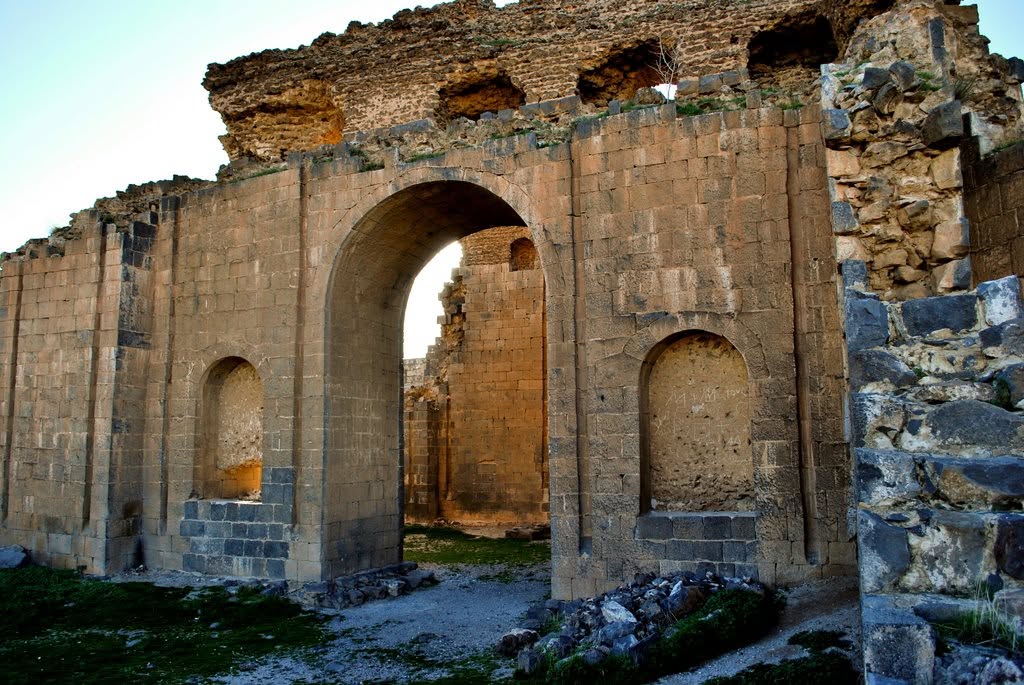
Planning a travel to Shahba Syria offers a unique window into classical civilization. Located in the As-Suwayda tourism region, Shahba Syria—historically known as Philippopolis—is an extraordinary open-air museum. Built entirely from rich black volcanic basalt, this mountain city is famous as the home of Emperor Philip the Arab. Visitors flock here to explore the Shahba ruins, stand before magnificent imperial gates, and admire masterworks at the famous Shahba mosaic museum. Beyond its ancient charm, Shahba invites travelers to experience warm local hospitality, breathtaking volcanic mountain trails, and rich cultural traditions.
1. The Historical Roots: From Stone Age Caves to Imperial Rome
Nestled in the lush hills of Jabal al-Arab (Jabal al-Druze), just 85 kilometers south of Damascus, Shahba’s human history stretches back to prehistoric times. Archaeological digs around surrounding volcanic hills like Tel Shihan, Al-Gharara, and Tlal Al-Jamal have uncovered flint tools and cave shelters used by Stone Age communities. Over the centuries, the region hosted Hellenistic, Nabataean, and Byzantine civilizations.
However, Shahba's defining golden era arrived in 244 AD when Marcus Julius Philippus—a native son of Shahba—became the Roman Emperor Philip the Arab. Determined to transform his humble hometown into a imperial metropolis worthy of Rome, he renamed it Philippopolis and constructed a grand, grid-planned city complete with paved stone streets, baths, temples, and defensive walls.
2. Key Archaeological Wonders in Shahba
Today, Shahba stands as one of Syria's most complete Roman basalt cities. Key highlights include:
• The Four Imperial Gates: Standing proud at the north, south, east, and west entrances of the city, these monumental stone arches marked the entry points into Philippopolis.
• The Decumanus & Cardo Streets: Original stone-paved Roman avenues where ancient chariot ruts are still visible today.
• The Roman Theatre: A remarkably well-preserved compact theatre built entirely from dark basalt stone, retaining its lower seating, vaulted arch passages, and stage structure.
• The Imperial Baths (Thermae): Unusually large for a town of its size, featuring complex heating channels and marble-lined halls.
• The Mosaic Museum of Shahba: A world-class treasure house containing some of the rarest and most intricate Roman floor mosaics ever discovered, portraying scenes from Greek mythology like Orpheus, Artemis, and the marriage of Bacchus and Ariadne.
• The Kalybe & Philippion: Sacred shrines and memorial structures erected to honor the emperor’s family and divine protectors.
3. Modern Shahba: Agriculture, Commerce, and Daily Life
Modern Shahba is a bustling hub that seamlessly blends the past with the present. Surrounding the black basalt monuments are vibrant markets, elegant residential villas, and thriving fruit orchards. Thanks to its rich volcanic soil and pleasant mountain climate—cool in summer and snow-dusted in winter—Shahba is renowned for growing high-quality apples, grapes, figs, pears, and olives.
4. Travel Practicalities: Transport, Hiking, Photography, and Food
How to Get There & Transportation
• From Damascus: Minibuses (Servees) and private taxis depart regularly from Southern / Baramkeh stations in Damascus directly to As-Suwayda and Shahba (approx. 1 to 1.5 hours drive).
• Local Transport: Taxis and local microbuses operate frequently within Shahba and to neighboring villages.
Hiking & Camping Adventures
• Hiking Routes: The volcanic hills surrounding Shahba (such as Tel Shihan) offer excellent trekking trails. Hikers can explore ancient lava tubes, dormant volcanic craters, and panoramic ridge lines with sweeping views across Southern Syria.
• Camping: Wild camping is popular on the elevated slopes of Tel Shihan during spring (April–May) when the hilltops are blanketed in wildflowers. Always camp in groups and consult local guides.
Photography Tips & Golden Hours
• Best Spots: The West Gate, the interior arches of the Roman Theatre, the paved Decumanus street, and the summit of Tel Shihan for panoramic sunsets.
• Best Time for Photos: Early morning (6:00 AM – 7:30 AM) for soft light on the dark basalt, and late afternoon Golden Hour (5:00 PM – 6:30 PM) when the warm sunlight contrasts dramatically with the black Roman stones.
Local Cuisine & Top Dining
Shahba is famous for traditional Southern Syrian / Druze comfort foods:
• Mansaf As-Suwayda: A rich dish of coarse bulgur wheat topped with slow-cooked tender lamb and served with fermented yoghurt (Laban).
• Fresh Grape Molasses (Dibs 'Enab): A delicious local specialty produced in seasonal pressing houses.
• Mujadara & Fresh Flatbreads: Made with cold-pressed local olive oil and served alongside wild herbs.
• Dining: Local family-run restaurants and traditional cafes near the main city center offer authentic home-cooked meals and Syrian coffee.
5. Surrounding Attractions & Hotels
• Nearby Attractions: Combine your visit to Shahba with Qanawat (ancient Canatha, featuring Roman and Byzantine forest temples just 15 km south), As-Suwayda City, and Salkhad Castle.
• Hotels & Accommodations: Travelers usually stay at boutique guesthouses in Shahba or comfortable hotels in nearby As-Suwayda city center (only a 15-minute drive away), which offers a wider range of hotel options.
⚠️ Safety & Travel Advice
Important Note: Before planning any trip to Shahba, please check current official government travel advisories and consult with local licensed Syrian tour operators to ensure the latest security conditions and safe travel permissions are met.
1. The Historical Roots: From Stone Age Caves to Imperial Rome
Nestled in the lush hills of Jabal al-Arab (Jabal al-Druze), just 85 kilometers south of Damascus, Shahba’s human history stretches back to prehistoric times. Archaeological digs around surrounding volcanic hills like Tel Shihan, Al-Gharara, and Tlal Al-Jamal have uncovered flint tools and cave shelters used by Stone Age communities. Over the centuries, the region hosted Hellenistic, Nabataean, and Byzantine civilizations.
However, Shahba's defining golden era arrived in 244 AD when Marcus Julius Philippus—a native son of Shahba—became the Roman Emperor Philip the Arab. Determined to transform his humble hometown into a imperial metropolis worthy of Rome, he renamed it Philippopolis and constructed a grand, grid-planned city complete with paved stone streets, baths, temples, and defensive walls.
2. Key Archaeological Wonders in Shahba
Today, Shahba stands as one of Syria's most complete Roman basalt cities. Key highlights include:
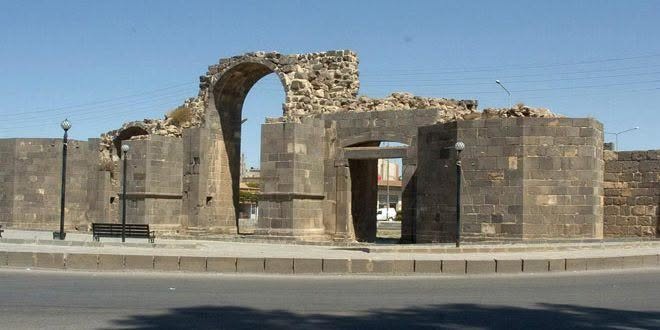
• The Four Imperial Gates: Standing proud at the north, south, east, and west entrances of the city, these monumental stone arches marked the entry points into Philippopolis.
• The Decumanus & Cardo Streets: Original stone-paved Roman avenues where ancient chariot ruts are still visible today.
• The Roman Theatre: A remarkably well-preserved compact theatre built entirely from dark basalt stone, retaining its lower seating, vaulted arch passages, and stage structure.
• The Imperial Baths (Thermae): Unusually large for a town of its size, featuring complex heating channels and marble-lined halls.
• The Mosaic Museum of Shahba: A world-class treasure house containing some of the rarest and most intricate Roman floor mosaics ever discovered, portraying scenes from Greek mythology like Orpheus, Artemis, and the marriage of Bacchus and Ariadne.
• The Kalybe & Philippion: Sacred shrines and memorial structures erected to honor the emperor’s family and divine protectors.
3. Modern Shahba: Agriculture, Commerce, and Daily Life
Modern Shahba is a bustling hub that seamlessly blends the past with the present. Surrounding the black basalt monuments are vibrant markets, elegant residential villas, and thriving fruit orchards. Thanks to its rich volcanic soil and pleasant mountain climate—cool in summer and snow-dusted in winter—Shahba is renowned for growing high-quality apples, grapes, figs, pears, and olives.
4. Travel Practicalities: Transport, Hiking, Photography, and Food
How to Get There & Transportation
• From Damascus: Minibuses (Servees) and private taxis depart regularly from Southern / Baramkeh stations in Damascus directly to As-Suwayda and Shahba (approx. 1 to 1.5 hours drive).
• Local Transport: Taxis and local microbuses operate frequently within Shahba and to neighboring villages.
Hiking & Camping Adventures
• Hiking Routes: The volcanic hills surrounding Shahba (such as Tel Shihan) offer excellent trekking trails. Hikers can explore ancient lava tubes, dormant volcanic craters, and panoramic ridge lines with sweeping views across Southern Syria.
• Camping: Wild camping is popular on the elevated slopes of Tel Shihan during spring (April–May) when the hilltops are blanketed in wildflowers. Always camp in groups and consult local guides.
Photography Tips & Golden Hours
• Best Spots: The West Gate, the interior arches of the Roman Theatre, the paved Decumanus street, and the summit of Tel Shihan for panoramic sunsets.
• Best Time for Photos: Early morning (6:00 AM – 7:30 AM) for soft light on the dark basalt, and late afternoon Golden Hour (5:00 PM – 6:30 PM) when the warm sunlight contrasts dramatically with the black Roman stones.
Local Cuisine & Top Dining
Shahba is famous for traditional Southern Syrian / Druze comfort foods:
• Mansaf As-Suwayda: A rich dish of coarse bulgur wheat topped with slow-cooked tender lamb and served with fermented yoghurt (Laban).
• Fresh Grape Molasses (Dibs 'Enab): A delicious local specialty produced in seasonal pressing houses.
• Mujadara & Fresh Flatbreads: Made with cold-pressed local olive oil and served alongside wild herbs.
• Dining: Local family-run restaurants and traditional cafes near the main city center offer authentic home-cooked meals and Syrian coffee.
5. Surrounding Attractions & Hotels
• Nearby Attractions: Combine your visit to Shahba with Qanawat (ancient Canatha, featuring Roman and Byzantine forest temples just 15 km south), As-Suwayda City, and Salkhad Castle.
• Hotels & Accommodations: Travelers usually stay at boutique guesthouses in Shahba or comfortable hotels in nearby As-Suwayda city center (only a 15-minute drive away), which offers a wider range of hotel options.
⚠️ Safety & Travel Advice
Important Note: Before planning any trip to Shahba, please check current official government travel advisories and consult with local licensed Syrian tour operators to ensure the latest security conditions and safe travel permissions are met.
Reviews & Ratings
0.0
★★★★★
0 reviews
💬
No reviews yet. Be the first to review!
Contact & Location
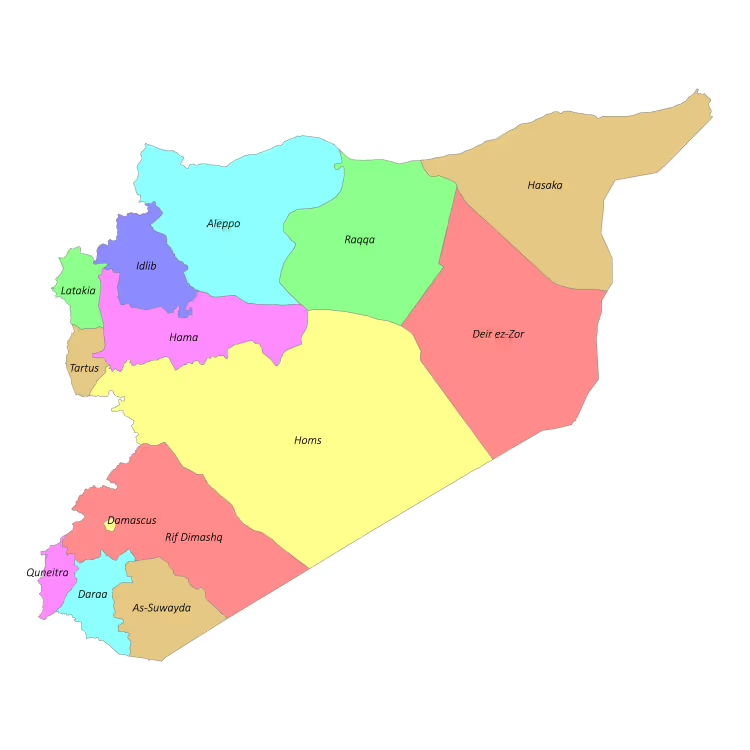
As-Suwayda
Activity
44
Views
1
Likes
Discovering Shahba Syria: Ancient Ruins, Timeless History, and Mountain Magic in Philippopolis
Similar Places
More in As-Suwayda

A New Era for Syria’s Digital Future and Tourism
Idlib
New
Services
The Best Beauty Centers in Syria for 2026
Damascus
New
Services
Best Money Transfer Companies in Syria 2026
Damascus
New
Services
Navigating the Syrian Banking Sector: A Complete Guide to Opening an Account for foreigners and citizens
Damascus
New
InvestmentMore History & Heritage Places
15 Hidden Places in Syria That Look Like They Belong in Another World
Syria
New
History & Heritage.jpeg&w=1200&q=75)
🏰 Aleppo Citadel: A Journey Through Thousands of Years of Syrian History
Aleppo
New
History & Heritage
Unveiling the Orontes River: A 3-Day Syrian Journey
Hama
New
Adventure .jpeg&w=1200&q=75)
Discovering the Euphrates River: History, Travel, and Beauty in Syria
Raqqa
New
Adventure 
Unveiling the Cradle of History: Your Ultimate Guide to Syria Museums
Tartus
New
Culture & LifestyleDiscover Our Lady of Saidnaya Monastery: History, Faith, and Visitor Guide
Damascus
New
Culture & Lifestyle