
Syrian Makdous: The Taste of Autumn, Childhood and Home
A warm journey into the heart of Syrian autumn, where makdous becomes more than a traditional food. It is a family ritual, a symbol of Syrian hospitality, and a taste of childhood that connects generations while reflecting a country slowly reclaiming its joy, traditions, and everyday celebrations.
Culture & Lifestyle
1
13
What to expect?
The Syrian Autumn Smells Like Makdous
Syrian makdous, makdous in Syria, Syrian food, Syrian cuisine, Syrian winter food, Syrian autumn traditions, and Syrian food traditions are not simply search terms for food lovers. For many Syrians, they are memories.
When autumn arrives in Syria, something changes inside the home.
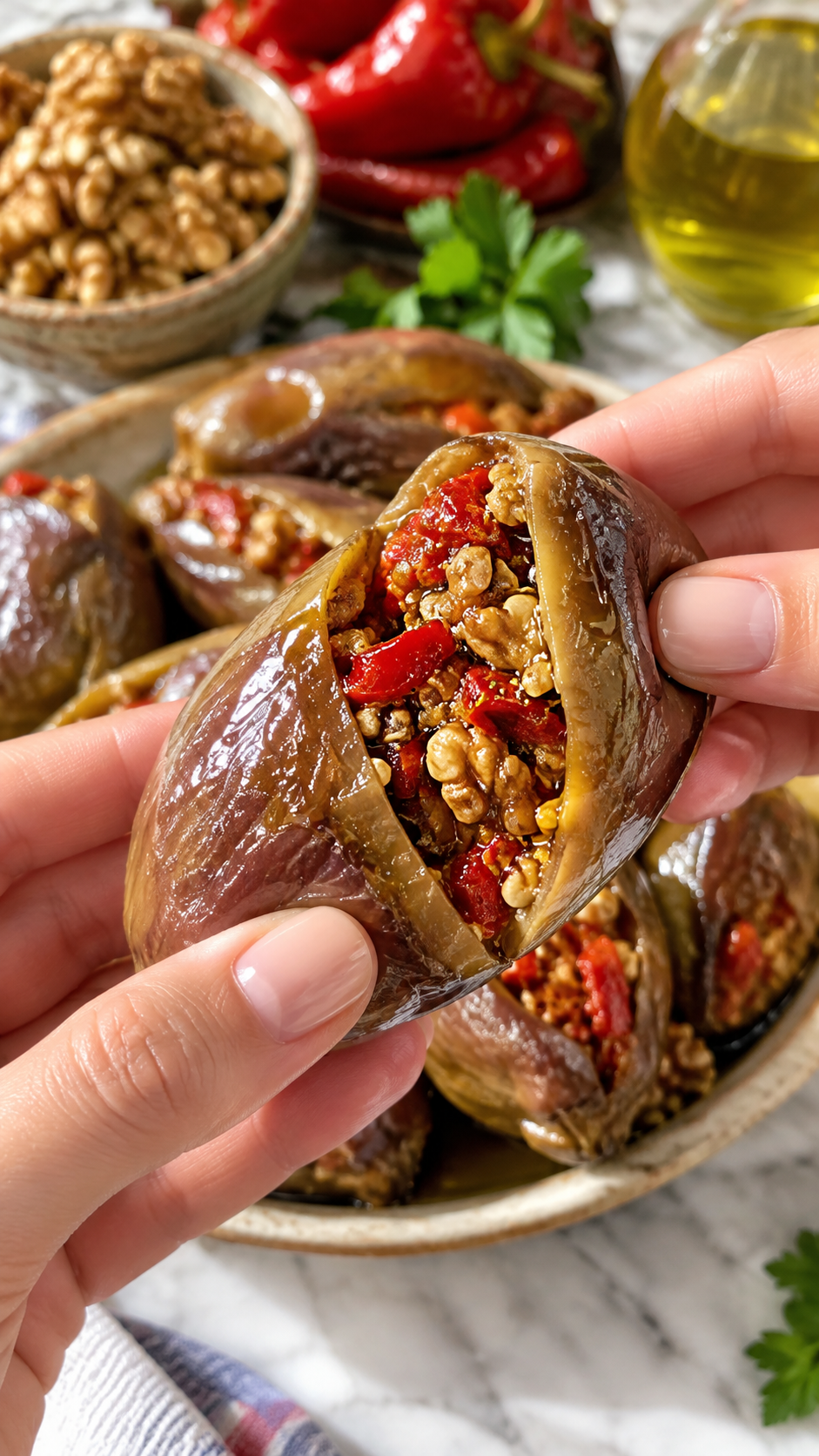
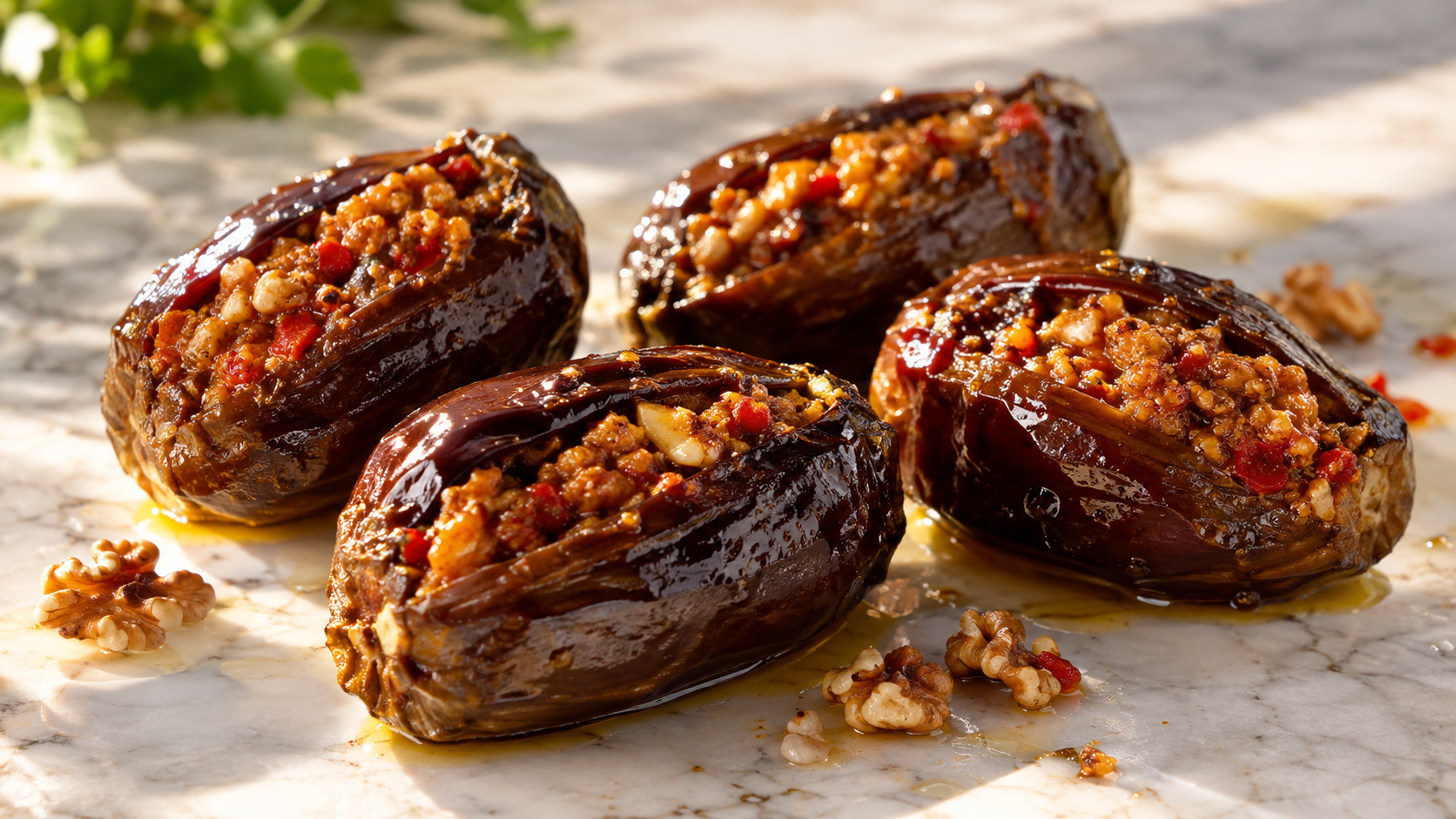
The summer heat begins to soften. Markets fill with seasonal vegetables. Families start thinking about winter, and kitchens become busier. Among all the preparations, one familiar sight returns year after year: eggplants waiting to be transformed into makdous, the famous Syrian preserve filled with walnuts, garlic, red pepper and olive oil.
For a Syrian child, this was never just food.
It was the smell of home.
Makdous: The King of the Syrian Pantry
If Syrian mouneh — the traditional practice of preserving seasonal foods for winter — had a king, many Syrians would proudly call it makdous.
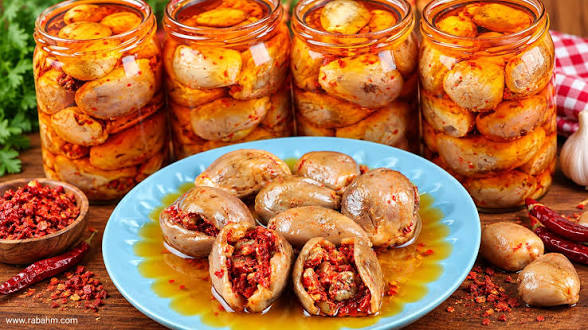
Small eggplants are carefully prepared, salted and left to release their moisture before being filled with a delicious mixture of walnuts, garlic and red pepper. They are then arranged in jars and covered with olive oil, waiting patiently for winter.
But the real story begins long before the first jar is opened.
It begins with family.
A Childhood Memory in Every Jar
Ask a Syrian about makdous, and there is a good chance the answer will not begin with a recipe.
It will begin with a memory.
A grandmother sitting in the kitchen.
A mother carefully preparing the eggplants.
Children standing nearby, trying to steal a piece of walnut filling.
The sound of conversation travelling through the house.
The kitchen table covered with ingredients.
And that special feeling that winter was coming — but everything would be alright because the house was prepared.
These small moments may seem ordinary, but they are exactly the memories that stay with us.
Years later, a single bite of makdous can bring them back.
That is the magic of Syrian food.
When Autumn Becomes a Family Celebration
Preparing Syrian makdous for winter is traditionally more than a kitchen task. It can become a small family event.
Relatives gather. Neighbours exchange advice. Someone brings fresh eggplants. Someone else prepares the walnuts. Children watch, ask questions and sometimes get in the way.
There is laughter.
There is teasing.
There are stories.
And there is always someone saying that their way of making makdous is the best.
This is one of the beautiful sides of Syrian culture: food is rarely just about eating. It is about gathering people around the same table.
From the Syrian Pantry to the Breakfast Table
When winter finally arrives, the jars that were carefully prepared during autumn become little treasures.
Open one, and the fragrance of olive oil, garlic, pepper and walnuts immediately fills the room.
Makdous can appear at breakfast alongside bread, cheese, olives and tea. It can become part of a family lunch or a late-night snack.
Simple ingredients create something unforgettable.
And perhaps that is why traditional Syrian food has such an emotional place in the hearts of Syrians around the world.
Makdous and the Syria We Remember
For many years, Syria has been associated internationally with difficult images and painful headlines.
But Syria is also this.
It is the grandmother preparing food for her grandchildren.
It is the autumn market.
It is bread shared between neighbours.
It is a family gathering around a kitchen table.
It is laughter returning to streets and homes.
It is celebrations, traditions, music, food and ordinary people trying to build ordinary, beautiful days again.
The story of makdous quietly reflects that resilience.
It does not erase the difficult years.
Instead, it reminds us that a country's identity is much bigger than its wounds.
Why Makdous Matters to Syrian Tourism
For visitors interested in Syria tourism, authentic food traditions offer a different way to understand the country.
You can visit an ancient monument and admire thousands of years of history. You can walk through Damascus, explore traditional souqs, discover Aleppo's culinary heritage or experience Syrian hospitality.
But sometimes, culture is found somewhere much simpler.
Around a kitchen table.
The same philosophy already runs through Yalla-Syria's approach to discovering the country: Syria is not only a collection of monuments, but a living experience shaped by food, markets, traditions, people and everyday life.
The Taste of a Syria That Is Looking Forward
There is something quietly hopeful about making makdous.
You prepare it today because you believe there will be a tomorrow when you open the jar.
That simple act carries a powerful message.
Syria is remembering how to celebrate its seasons, protect its traditions and share its culture with a new generation.
And perhaps this is why makdous deserves its place as the king of Syrian mouneh.
Not simply because it tastes wonderful.
But because inside every jar there may be a grandmother's hands, a mother's kitchen, a child's laughter and a piece of home.
For Syrians, makdous is food.
For others discovering Syria, it can be an invitation to understand the country through its most human language: the language of food, family and memory.
---
FAQ: Syrian Makdous
What is Syrian makdous?
Syrian makdous is a traditional preserved eggplant dish usually stuffed with walnuts, garlic and red pepper, then stored under olive oil as part of the Syrian mouneh tradition.
When is makdous traditionally prepared in Syria?
Makdous is strongly associated with the late summer and autumn season, when families prepare and preserve eggplants for the coming winter.
Why is makdous important in Syrian culture?
Beyond being a popular food, makdous represents family traditions, seasonal preparation, hospitality and childhood memories passed from one generation to another.
How is makdous eaten in Syria?
It is commonly served as part of breakfast or alongside bread, cheese, olives and other dishes. It can also be enjoyed as part of a larger Syrian meal.
Why is Syrian makdous popular with food travelers?
Because it offers an authentic taste of Syrian home cooking and demonstrates how food, preservation techniques, family traditions and hospitality are deeply connected to Syrian culture.
What does makdous represent to Syrians?
For many Syrians, makdous represents home, childhood, family gatherings and the emotional connection between seasonal food and memories.

Syrian makdous, makdous in Syria, Syrian food, Syrian cuisine, Syrian winter food, Syrian autumn traditions, and Syrian food traditions are not simply search terms for food lovers. For many Syrians, they are memories.
When autumn arrives in Syria, something changes inside the home.
The summer heat begins to soften. Markets fill with seasonal vegetables. Families start thinking about winter, and kitchens become busier. Among all the preparations, one familiar sight returns year after year: eggplants waiting to be transformed into makdous, the famous Syrian preserve filled with walnuts, garlic, red pepper and olive oil.
For a Syrian child, this was never just food.
It was the smell of home.
Makdous: The King of the Syrian Pantry
If Syrian mouneh — the traditional practice of preserving seasonal foods for winter — had a king, many Syrians would proudly call it makdous.
Small eggplants are carefully prepared, salted and left to release their moisture before being filled with a delicious mixture of walnuts, garlic and red pepper. They are then arranged in jars and covered with olive oil, waiting patiently for winter.
But the real story begins long before the first jar is opened.
It begins with family.
A Childhood Memory in Every Jar
Ask a Syrian about makdous, and there is a good chance the answer will not begin with a recipe.
It will begin with a memory.
A grandmother sitting in the kitchen.
A mother carefully preparing the eggplants.
Children standing nearby, trying to steal a piece of walnut filling.
The sound of conversation travelling through the house.
The kitchen table covered with ingredients.
And that special feeling that winter was coming — but everything would be alright because the house was prepared.
These small moments may seem ordinary, but they are exactly the memories that stay with us.
Years later, a single bite of makdous can bring them back.
That is the magic of Syrian food.
When Autumn Becomes a Family Celebration
Preparing Syrian makdous for winter is traditionally more than a kitchen task. It can become a small family event.
Relatives gather. Neighbours exchange advice. Someone brings fresh eggplants. Someone else prepares the walnuts. Children watch, ask questions and sometimes get in the way.
There is laughter.
There is teasing.
There are stories.
And there is always someone saying that their way of making makdous is the best.
This is one of the beautiful sides of Syrian culture: food is rarely just about eating. It is about gathering people around the same table.
From the Syrian Pantry to the Breakfast Table
When winter finally arrives, the jars that were carefully prepared during autumn become little treasures.
Open one, and the fragrance of olive oil, garlic, pepper and walnuts immediately fills the room.
Makdous can appear at breakfast alongside bread, cheese, olives and tea. It can become part of a family lunch or a late-night snack.
Simple ingredients create something unforgettable.
And perhaps that is why traditional Syrian food has such an emotional place in the hearts of Syrians around the world.
Makdous and the Syria We Remember
For many years, Syria has been associated internationally with difficult images and painful headlines.
But Syria is also this.
It is the grandmother preparing food for her grandchildren.
It is the autumn market.
It is bread shared between neighbours.
It is a family gathering around a kitchen table.
It is laughter returning to streets and homes.
It is celebrations, traditions, music, food and ordinary people trying to build ordinary, beautiful days again.
The story of makdous quietly reflects that resilience.
It does not erase the difficult years.
Instead, it reminds us that a country's identity is much bigger than its wounds.
Why Makdous Matters to Syrian Tourism
For visitors interested in Syria tourism, authentic food traditions offer a different way to understand the country.
You can visit an ancient monument and admire thousands of years of history. You can walk through Damascus, explore traditional souqs, discover Aleppo's culinary heritage or experience Syrian hospitality.
But sometimes, culture is found somewhere much simpler.
Around a kitchen table.
The same philosophy already runs through Yalla-Syria's approach to discovering the country: Syria is not only a collection of monuments, but a living experience shaped by food, markets, traditions, people and everyday life.
The Taste of a Syria That Is Looking Forward
There is something quietly hopeful about making makdous.
You prepare it today because you believe there will be a tomorrow when you open the jar.
That simple act carries a powerful message.
Syria is remembering how to celebrate its seasons, protect its traditions and share its culture with a new generation.
And perhaps this is why makdous deserves its place as the king of Syrian mouneh.
Not simply because it tastes wonderful.
But because inside every jar there may be a grandmother's hands, a mother's kitchen, a child's laughter and a piece of home.
For Syrians, makdous is food.
For others discovering Syria, it can be an invitation to understand the country through its most human language: the language of food, family and memory.
---
FAQ: Syrian Makdous
What is Syrian makdous?
Syrian makdous is a traditional preserved eggplant dish usually stuffed with walnuts, garlic and red pepper, then stored under olive oil as part of the Syrian mouneh tradition.
When is makdous traditionally prepared in Syria?
Makdous is strongly associated with the late summer and autumn season, when families prepare and preserve eggplants for the coming winter.
Why is makdous important in Syrian culture?
Beyond being a popular food, makdous represents family traditions, seasonal preparation, hospitality and childhood memories passed from one generation to another.
How is makdous eaten in Syria?
It is commonly served as part of breakfast or alongside bread, cheese, olives and other dishes. It can also be enjoyed as part of a larger Syrian meal.
Why is Syrian makdous popular with food travelers?
Because it offers an authentic taste of Syrian home cooking and demonstrates how food, preservation techniques, family traditions and hospitality are deeply connected to Syrian culture.
What does makdous represent to Syrians?
For many Syrians, makdous represents home, childhood, family gatherings and the emotional connection between seasonal food and memories.
Reviews & Ratings
0.0
★★★★★
0 reviews
💬
No reviews yet. Be the first to review!
Contact & Location
Activity
13
Views
1
Likes
📍 Location
Location not specified
More Culture & Lifestyle Places
10 Places Every Syrian Remembers From Childhood
Damascus
New
Culture & Lifestyle.jpeg&w=1200&q=75)
Discovering the Euphrates River: History, Travel, and Beauty in Syria
Raqqa
New
Adventure 
Unveiling the Cradle of History: Your Ultimate Guide to Syria Museums
Tartus
New
Culture & LifestyleDiscover Our Lady of Saidnaya Monastery: History, Faith, and Visitor Guide
Damascus
New
Culture & Lifestyle
Echoes of History: Discovering 10 Magnificent Castles in Syria
Syria
New
Culture & Lifestyle.jpeg&w=1200&q=75)
Cherubim Monastery Syria: A Journey Above the Clouds
Damascus
New
Culture & Lifestyle