
Al-Kahf Castle: The Ancient Rock Fortress of Tartus, Syria
Uncover the secrets of Al-Kahf Castle in Tartus, Syria—a three-tier mountain fortress carved directly into solid rock. Learn how to reach this virgin historical gem, explore ancient Roman ruins, trek scenic valleys, camp under starry skies, and savor local coastal delicacies.
What to expect?
Al-Kahf Castle: The Ancient Rock Fortress of Tartus, Syria
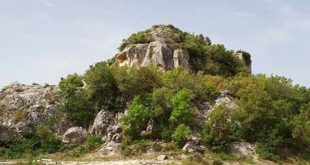
Tucked deep within the rugged green mountains of Tartus Governorate lies one of the Middle East's most enigmatic secrets: Al-Kahf Castle Syria. Known in Arabic as Qala'at al-Kahf (Citadel of the Cave), this virgin historical wonder offers a rare adventure for anyone interested in travel to Syria and authentic Syria tourism. Unlike traditional medieval castles built block-by-block above ground, the Al-Kahf Fortress caves were hand-carved directly into a massive limestone mountain block. Rising above lush mountain valleys near Al-Kahf Castle Tartus, this untouched three-tier mountain citadel blends nature, ancient mystery, and breathtaking coastal mountain scenery.
Geographic Location & Natural Shield
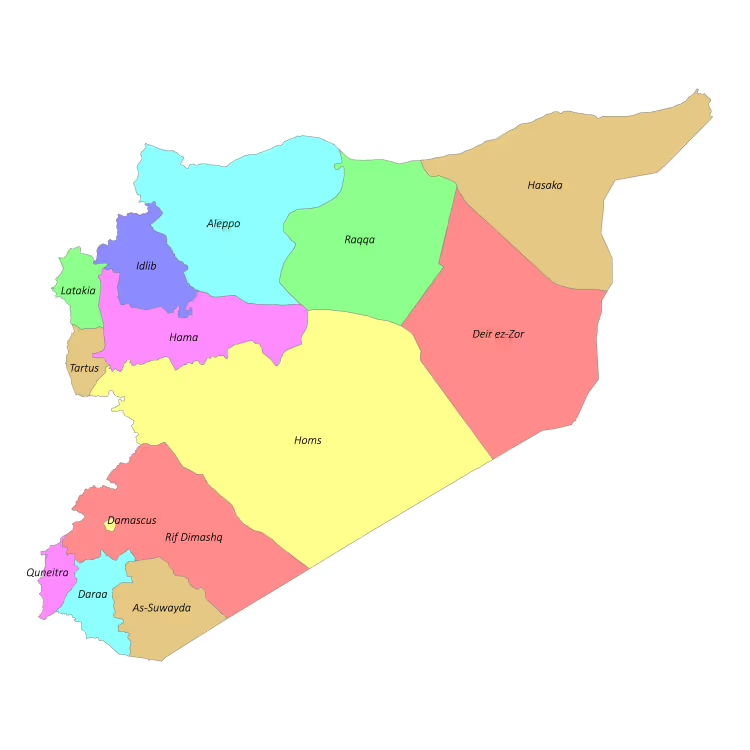
Al-Kahf Castle is located in Tartus Governorate in western Syria, situated about 15 kilometers north of the town of Sheikh Badr and southwest of Al-Qadmus. Perched atop a strategic rocky hill surrounded by steep ravines and forested slopes, the terrain forms a powerful natural fortress.
The immediate surroundings are blessed with vibrant greenery and a network of freshwater mountain springs, including Ain al-Fatra, Ain al-Mahas, and Ain al-Shamaliyya. These abundant water sources made the site a self-sustained haven for ancient dwellers and soldiers throughout centuries of history.
Architectural Marvels: A Citadel Carved from Stone
The castle gets its name—Al-Kahf (The Cave)—from its extraordinary subterranean layout. Ancient builders hollowed out the interior of the living mountain rock to create a multi-level complex:
1. Three-Tiered Underground Cave System: Three internal floors carved out of live rock feature large assembly halls, storage chambers, and western-facing ventilation shafts that let natural light and cool mountain air flow through the stone rooms.
2. The Giant Carved Staircase: Visitors ascend to the summit via a massive stone-cut staircase. Ancient craftsmen intentionally grooved and textured (tahzeez) the steps to ensure traction for horses and guards during snowy winters and rainy seasons.
3. Hydraulic Engineering & Thermal Baths: At the peak, stone channels gathered rainwater into internal reservoirs. Ancient baths carved into the rock were fed by these channels, showcasing advanced medieval water management.
4. Ancient Wine Press & Granaries: Subterranean chambers include compact rock-carved basins used for pressing mountain grapes into wine, alongside deep stone pantries for grain storage.
5. Triple Defense Walls: Three outer protective stone walls were constructed across the slope as interceptive defense barriers, making direct military assault nearly impossible.
6. The Industrial Cave (4 km Away): Approximately four kilometers from the main citadel sits an auxiliary stone cave containing archaeological evidence of ancient industrial toolmaking across different historical periods.
Layers of Untold History
Al-Kahf Castle preserves remnants from multiple civilizations. Tucked beneath dense wild oak thickets near the castle lie the remains of two ancient Roman temples. Elsewhere on the stone walls, visitors can spot medieval Arabic inscriptions from the Ismaili (Nizari) period alongside older Byzantine Greek carvings.
During the French Mandate period, local Syrian revolutionaries used the castle's impenetrable cave network as a secret military base. Because French forces were unable to navigate or breach the complex cave systems, the citadel remained unlooted, keeping much of its buried heritage intact beneath the earth.
Traveler’s Practical Guide: Transportation & Access
* From Tartus City: Drive east toward Sheikh Badr (approx. 35 km / 40-minute drive). From Sheikh Badr town, proceed 15 km north along countryside mountain roads toward the castle valley.
* Public Transit: Frequent microbuses run between Tartus city center and Sheikh Badr. From Sheikh Badr, local taxis or countryside minibuses can drop you near the entrance valley.
* Vehicle Recommendation: A sturdy car or SUV is recommended for navigating the steep, winding mountain roads leading down to the valley floor.
Outdoor Activities: Hiking, Camping & Exploration
Wild Camping: Camping around Al-Kahf Castle is an unforgettable wilderness experience. The elevated grassy ridges near Ain al-Fatra* spring offer peaceful night skies and fresh mountain air. Campers should bring all necessary supplies, food, water filters, and warm gear for chilly mountain nights.
* Trekking & Hiking: The area features stunning hiking routes through oak forests, rocky cliffs, and riverbeds connecting Sheikh Badr to Al-Qadmus. An 8–10 km day trek around the castle valley offers scenic mountain panoramas and hidden spring stops.
Photography Guide: Best Locations & Golden Hours
For photography enthusiasts, Al-Kahf Castle provides unmatched light and texture contrast:
* Best Time for Photos (Golden Hour): Late afternoon (4:00 PM – 6:30 PM) is ideal. The low sun streams directly into the western ventilation openings, illuminating the inner cave chambers with warm golden light rays.
* Morning Light (6:30 AM – 8:30 AM): Early morning brings soft light and mountain mist hovering over the surrounding oak canopy and Roman temple ruins.
* Top Shooting Spots:
* Opposing North Ridge: For wide-angle panoramic landscape shots of the entire rock citadel.
* The Grooved Entrance Staircase: Close-up shots of the textured stone steps leading into the massive rock doorway framed by oak roots.
* West Cave Openings: Interior-to-exterior silhouette shots framing the green valley through ancient cave windows.
Famous Local Food & Gastronomy
Exploring the Tartus mountain region is complete only after tasting authentic coastal Syrian cuisine:
* Sora & Kishk Soup: Traditional mountain soups made with cracked wheat, yogurt, and aromatic local spices.
* Makhlouta: A hearty stew of mixed mountain grains and legumes cooked over open fires.
Fresh Mountain Cheese & Saj Bread: Local oak-smoked cheeses served with hot, freshly baked Khubz Saj* flatbread, wild olive oil, and sumac.
Wild Herb Salads: Fresh salads featuring wild mountain thyme (Za'atar barri*), dandelions, and arugula tossed with pure Tartus olive oil and pomegranate molasses.
Nearby Attractions Worth Visiting
Al-Qadmus Citadel & Village (20 km): A high-altitude mountain resort town famous for cool summer breezes, historic alleys, and sweeping mountain vistas.
Local Springs (Ain al-Fatra, Ain al-Mahas, Ain al-Shamaliyya): Perfect spots for picnics and fresh drinking water right near the castle paths.
Nearby Accommodations & Hotels
* Guesthouses in Sheikh Badr & Al-Qadmus: Local family-run guesthouses and eco-lodges offer cozy rooms, warm mountain hospitality, and home-cooked Syrian meals (15–20 minutes drive).
Hotels in Tartus City (35–40 km away): For travelers preferring luxury sea-view accommodations, Tartus city offers excellent option choices including Shahin Tower Hotel, Jounada Hotel, and Arados Hotel*.
Final Visitor Tips
Because Al-Kahf Castle remains an undisturbed, virgin archaeological site, visitors should wear durable hiking boots, carry reliable flashlights for cavern exploration, practice "Leave No Trace" eco-principles, and respect the ancient historic stone structures.
،
Reviews & Ratings
0.0
★★★★★
0 reviews
💬
No reviews yet. Be the first to review!
Contact & Location
Tartus
Activity
28
Views
1
Likes
Al-Kahf Castle: The Ancient Rock Fortress of Tartus, Syria
Similar Places
.jpeg&w=1200&q=75)
.jpeg&w=1200&q=75)
More in Tartus
Syrian Maldives: 7 Incredible Beaches and Coastal Gems in Syria
Tartus
New
Adventure Ziplining in Tartous, Syria: An Unforgettable Mountain Adventure
Tartus
New
Adventure .webp&w=1200&q=75)
Syria 3-Day Tour: From Mashta Al-Helou & Al-Kafroun to Tartous & Arwad
Tartus
New
Travel Guides
Bahar Organization in Syria Restoring Hope and Strength
Tartus
New
Syria-Rising
Discovering the Tropical Forest of Tartus: Syria’s Hidden Paradise
Tartus
New
Nature & Outdoors
Discovering Nabaa Al-Fawwar in Tartus: Syria’s Hidden Gem of Nature and Heritage
Tartus
New
Nature & OutdoorsMore History & Heritage Places
15 Hidden Places in Syria That Look Like They Belong in Another World
Syria
New
History & Heritage.jpeg&w=1200&q=75)
🏰 Aleppo Citadel: A Journey Through Thousands of Years of Syrian History
Aleppo
New
History & Heritage
Unveiling the Orontes River: A 3-Day Syrian Journey
Hama
New
Adventure .jpeg&w=1200&q=75)
Discovering the Euphrates River: History, Travel, and Beauty in Syria
Raqqa
New
Adventure 
Unveiling the Cradle of History: Your Ultimate Guide to Syria Museums
Tartus
New
Culture & LifestyleDiscover Our Lady of Saidnaya Monastery: History, Faith, and Visitor Guide
Damascus
New
Culture & Lifestyle