
Discover Amrit, Syria: The Ancient Phoenician Wonder Carved in Stone
Step back thousands of years into Phoenician history with our complete travel guide to Amrit, Syria. Discover ancient rock-carved temples, the world's oldest Olympic stadium, stunning coastal views, local Tartus dining, and essential visitor tips.
.jpeg)
What to expect?
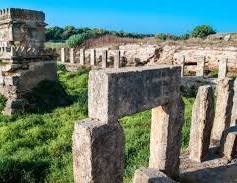
Imagine standing on a sun-drenched Mediterranean shore where history is etched directly into the bedrock. When you visit Amrit Tartus, you aren't just visiting a historical spot; you are stepping into a vibrant legacy that spans over four millennia. Known in antiquity as ancient Marathus Phoenician temple territory, Amrit Syria holds some of the world's most significant cultural treasures. From a sacred water sanctuary dedicated to healing to an athletic stadium older than classical Greece, this captivating Amrit archaeological site offers travelers an unforgettable journey through time.
The Rich History of Amrit (Marathus)
Founded by the Amorites in the 3rd millennium BCE, Amrit served as a thriving coastal city closely tied to the island kingdom of Arwad. During the Hellenistic period under Alexander the Great, the city became known as Marathus and grew into one of the most prominent hubs along the Eastern Mediterranean. It was economically prosperous enough to mint its own coinage during the 3rd and 2nd centuries BCE.
Long before modern wellness retreats or formal sports arenas existed, the ancient inhabitants of Amrit created spaces dedicated to physical prowess, spiritual reflection, and physical healing—leaving behind monuments that continue to amaze archaeologists today.
Must-See Monuments in Amrit
1. The Phoenician Temple of Melqart
Carved directly into the natural rock face overlooking the Amrit (Maratyas) River, this temple is among the most unique ancient structures in the Levant.
• The Sacred Water Pool: A large rock-cut basin was supplied by a holy spring through carved channels. Pilgrims brought ceramic jugs to fill with sacred water, seeking divine healing.
• The Central Shrine: At the heart of the pool sits a bedrock platform holding a cella (sanctuary) where the statue of the deity once stood.
• Dedicated to Melqart: Inscriptions confirm the sanctuary was dedicated to Melqart (associated with Heracles), revered as a god of healing and protection.
• Global Artifacts: Artifacts from this temple now reside in famous institutions like the Louvre in Paris, as well as the National Museum of Damascus and the Tartus Museum.
2. The Ancient Olympic Stadium
Amrit features an athletic stadium that rivals—and predates—the famous Olympic stadium in Athens.
• Engineering Marvel: Measuring 230 meters long and 30 meters wide, the stadium was carved straight out of the flat rock layer, complete with seven rows of terraced seating for spectators.
• Cultural Legacy: Phoenicians hosted running races, athletic competitions, and festivals here, carrying their passion for athletics across the Mediterranean to ancient Greece.
3. Funerary Architecture & Royal Tombs
Amrit’s rock-hewn tombs and funerary towers reflect deep ancient beliefs about the afterlife:
• Azar Tombs: Feature multi-story burial chambers holding human-shaped terracotta sarcophagi dating to the 6th century BCE.
• The Royal Tomb: Located near the main Tartus-Tripoli road, this 5th-century BCE tomb was reused in the Roman era. Excavations uncovered marble busts, unique ram-shaped terracotta lamps, and intricate artifacts.
Practical Travel Information for Visitors
🏨 Where to Stay: Hotels Near Amrit
Because Amrit is a dedicated archaeological zone located just 7 km south of Tartus city, accommodations are situated in nearby Tartus:
• Junaada Hotel (5-Star): A luxury beachfront hotel offering premium amenities, sea views, and fine dining.
• Porto Tartous Resort (5-Star): Excellent for families looking for modern resort amenities along the coast.
• Shahin Tower Hotel (4-Star): Located centrally in Tartus city, offering comfortable lodging with easy transport access.
• Budget & Mid-Range Options (2 to 3-Star): Various local guesthouses and boutique hotels are available within Tartus city center.
🚗 How to Get There (Transport)
• By Car/Taxi: A quick 10–15 minute drive south along the coastal road from central Tartus. Taxis are easily available and affordable.
• Microbuses (Servis): Local minibuses run regularly between central Tartus and neighboring southern villages along the main highway; ask to be dropped near the Amrit site entrance.
📸 Best Time for Photography
• Golden Hour (1 hour before Sunset): The warm evening light hits the limestone carvings and the central pool of the Melqart Temple, creating striking golden reflections and long, dramatic shadows. Early morning is also ideal for quiet, crowd-free shots.
🏕️ Camping & Outdoor Activities
• Camping: While setting up camp directly inside the fenced archaeological site is restricted to preserve the artifacts, primitive camping is popular along the nearby sandy beach stretches just outside the main ruins area.
• Hiking & Walking: The coastal plain surrounding Amrit offers gentle flat-terrain hiking trails along the riverbed and coastal paths, perfect for exploring the ancient quarries and tower tombs scattered throughout the landscape.
🍽️ Local Flavors & Nearby Dining
Visiting the Tartus region means enjoying fresh Syrian Mediterranean cuisine. Be sure to try:
• Fresh Coastal Seafood: Grilled sea bass (Sultan Ibrahim), red mullet, and calamari prepared with olive oil, lemon, and local garlic.
• Sfiha & Local Pastries: Freshly baked flatbreads topped with spiced minced meat or wild thyme (Za'atar).
• Syrian Meze: Fresh Moutabal (roasted eggplant dip), Fattoush salad with crisp fried pita, and local olive oils.
Recommended Restaurants Nearby:
• Al-Shat (The Shore) Restaurants: Seafood spots situated along the Tartus Corniche offering fresh catches of the day with panoramic sea views.
• Amrit Garden Cafe & Restaurant: Located near the road leading to the site, offering light Syrian mezze, cold drinks, and outdoor seating.
🏛️ Nearby Attractions Worth Visiting
Extend your trip by exploring other historic sites nearby:
• Arwad Island: A short boat ride from the Tartus harbor brings you to Syria's only inhabited island, rich in Phoenician sea wall remnants and charming narrow alleys.
• Tartus Old City & Cathedral of Our Lady of Tartus: A well-preserved Crusader structure now housing the Tartus Museum.
• Margat Castle (Qala'at Marqab): A massive volcanic black-stone Crusader fortress situated on a hilltop north of Tartus.
The Rich History of Amrit (Marathus)
Founded by the Amorites in the 3rd millennium BCE, Amrit served as a thriving coastal city closely tied to the island kingdom of Arwad. During the Hellenistic period under Alexander the Great, the city became known as Marathus and grew into one of the most prominent hubs along the Eastern Mediterranean. It was economically prosperous enough to mint its own coinage during the 3rd and 2nd centuries BCE.
Long before modern wellness retreats or formal sports arenas existed, the ancient inhabitants of Amrit created spaces dedicated to physical prowess, spiritual reflection, and physical healing—leaving behind monuments that continue to amaze archaeologists today.
Must-See Monuments in Amrit
1. The Phoenician Temple of Melqart
Carved directly into the natural rock face overlooking the Amrit (Maratyas) River, this temple is among the most unique ancient structures in the Levant.
• The Sacred Water Pool: A large rock-cut basin was supplied by a holy spring through carved channels. Pilgrims brought ceramic jugs to fill with sacred water, seeking divine healing.
• The Central Shrine: At the heart of the pool sits a bedrock platform holding a cella (sanctuary) where the statue of the deity once stood.
• Dedicated to Melqart: Inscriptions confirm the sanctuary was dedicated to Melqart (associated with Heracles), revered as a god of healing and protection.
• Global Artifacts: Artifacts from this temple now reside in famous institutions like the Louvre in Paris, as well as the National Museum of Damascus and the Tartus Museum.
2. The Ancient Olympic Stadium
Amrit features an athletic stadium that rivals—and predates—the famous Olympic stadium in Athens.
• Engineering Marvel: Measuring 230 meters long and 30 meters wide, the stadium was carved straight out of the flat rock layer, complete with seven rows of terraced seating for spectators.
• Cultural Legacy: Phoenicians hosted running races, athletic competitions, and festivals here, carrying their passion for athletics across the Mediterranean to ancient Greece.
3. Funerary Architecture & Royal Tombs
Amrit’s rock-hewn tombs and funerary towers reflect deep ancient beliefs about the afterlife:
• Azar Tombs: Feature multi-story burial chambers holding human-shaped terracotta sarcophagi dating to the 6th century BCE.
• The Royal Tomb: Located near the main Tartus-Tripoli road, this 5th-century BCE tomb was reused in the Roman era. Excavations uncovered marble busts, unique ram-shaped terracotta lamps, and intricate artifacts.
Practical Travel Information for Visitors
🏨 Where to Stay: Hotels Near Amrit
Because Amrit is a dedicated archaeological zone located just 7 km south of Tartus city, accommodations are situated in nearby Tartus:
• Junaada Hotel (5-Star): A luxury beachfront hotel offering premium amenities, sea views, and fine dining.
• Porto Tartous Resort (5-Star): Excellent for families looking for modern resort amenities along the coast.
• Shahin Tower Hotel (4-Star): Located centrally in Tartus city, offering comfortable lodging with easy transport access.
• Budget & Mid-Range Options (2 to 3-Star): Various local guesthouses and boutique hotels are available within Tartus city center.
🚗 How to Get There (Transport)
• By Car/Taxi: A quick 10–15 minute drive south along the coastal road from central Tartus. Taxis are easily available and affordable.
• Microbuses (Servis): Local minibuses run regularly between central Tartus and neighboring southern villages along the main highway; ask to be dropped near the Amrit site entrance.
📸 Best Time for Photography
• Golden Hour (1 hour before Sunset): The warm evening light hits the limestone carvings and the central pool of the Melqart Temple, creating striking golden reflections and long, dramatic shadows. Early morning is also ideal for quiet, crowd-free shots.
🏕️ Camping & Outdoor Activities
• Camping: While setting up camp directly inside the fenced archaeological site is restricted to preserve the artifacts, primitive camping is popular along the nearby sandy beach stretches just outside the main ruins area.
• Hiking & Walking: The coastal plain surrounding Amrit offers gentle flat-terrain hiking trails along the riverbed and coastal paths, perfect for exploring the ancient quarries and tower tombs scattered throughout the landscape.
🍽️ Local Flavors & Nearby Dining
Visiting the Tartus region means enjoying fresh Syrian Mediterranean cuisine. Be sure to try:
• Fresh Coastal Seafood: Grilled sea bass (Sultan Ibrahim), red mullet, and calamari prepared with olive oil, lemon, and local garlic.
• Sfiha & Local Pastries: Freshly baked flatbreads topped with spiced minced meat or wild thyme (Za'atar).
• Syrian Meze: Fresh Moutabal (roasted eggplant dip), Fattoush salad with crisp fried pita, and local olive oils.
Recommended Restaurants Nearby:
• Al-Shat (The Shore) Restaurants: Seafood spots situated along the Tartus Corniche offering fresh catches of the day with panoramic sea views.
• Amrit Garden Cafe & Restaurant: Located near the road leading to the site, offering light Syrian mezze, cold drinks, and outdoor seating.
🏛️ Nearby Attractions Worth Visiting
Extend your trip by exploring other historic sites nearby:
• Arwad Island: A short boat ride from the Tartus harbor brings you to Syria's only inhabited island, rich in Phoenician sea wall remnants and charming narrow alleys.
• Tartus Old City & Cathedral of Our Lady of Tartus: A well-preserved Crusader structure now housing the Tartus Museum.
• Margat Castle (Qala'at Marqab): A massive volcanic black-stone Crusader fortress situated on a hilltop north of Tartus.
Reviews & Ratings
0.0
★★★★★
0 reviews
💬
No reviews yet. Be the first to review!
Contact & Location
Tartus
Activity
32
Views
1
Likes
Discover Amrit, Syria: The Ancient Phoenician Wonder Carved in Stone
Similar Places
.jpeg&w=1200&q=75)
More in Tartus
Syrian Maldives: 7 Incredible Beaches and Coastal Gems in Syria
Tartus
New
Adventure Ziplining in Tartous, Syria: An Unforgettable Mountain Adventure
Tartus
New
Adventure .webp&w=1200&q=75)
Syria 3-Day Tour: From Mashta Al-Helou & Al-Kafroun to Tartous & Arwad
Tartus
New
Travel Guides
Bahar Organization in Syria Restoring Hope and Strength
Tartus
New
Syria-Rising
Discovering the Tropical Forest of Tartus: Syria’s Hidden Paradise
Tartus
New
Nature & Outdoors
Discovering Nabaa Al-Fawwar in Tartus: Syria’s Hidden Gem of Nature and Heritage
Tartus
New
Nature & OutdoorsMore Culture & Lifestyle Places

Syrian Makdous: The Taste of Autumn, Childhood and Home
Syria
New
Culture & Lifestyle
10 Places Every Syrian Remembers From Childhood
Damascus
New
Culture & Lifestyle.jpeg&w=1200&q=75)
Discovering the Euphrates River: History, Travel, and Beauty in Syria
Raqqa
New
Adventure 
Unveiling the Cradle of History: Your Ultimate Guide to Syria Museums
Tartus
New
Culture & LifestyleDiscover Our Lady of Saidnaya Monastery: History, Faith, and Visitor Guide
Damascus
New
Culture & Lifestyle
Echoes of History: Discovering 10 Magnificent Castles in Syria
Syria
New
Culture & Lifestyle