
Discovering Apamea: Syria’s Ancient Gem of the Orontes Valley
Step back in time with our complete guide to Apamea, one of Syria's most impressive archaeological treasures. From walking down the majestic Great Colonnade to exploring medieval fortresses, discover the rich history, local tips, and practical travel advice for visiting Apamea with yalla-syria.
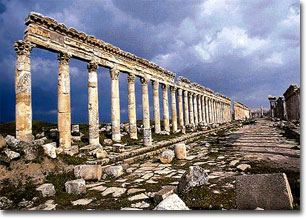
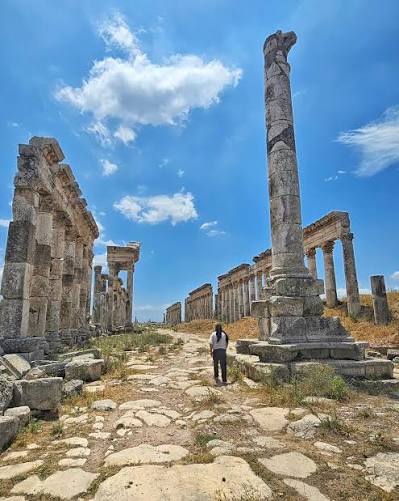
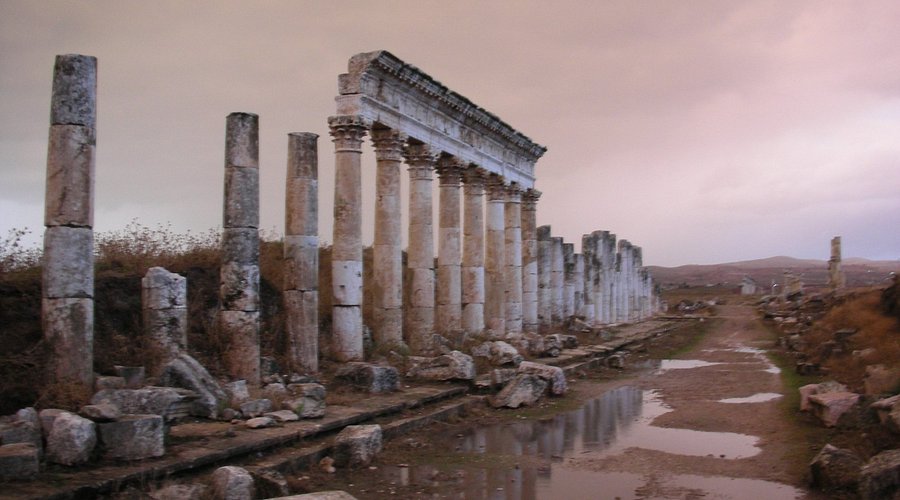
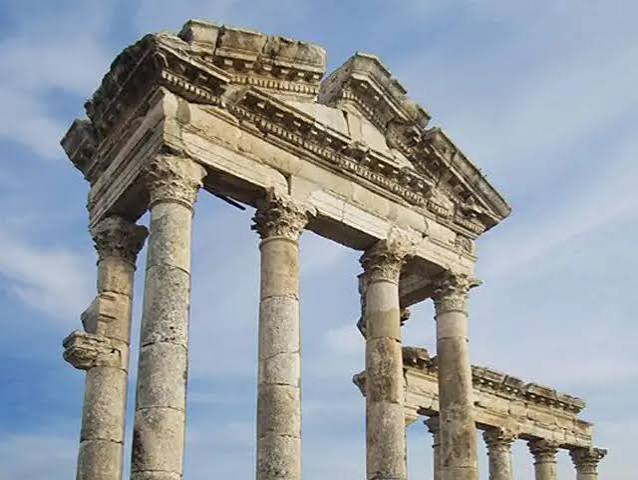
What to expect?
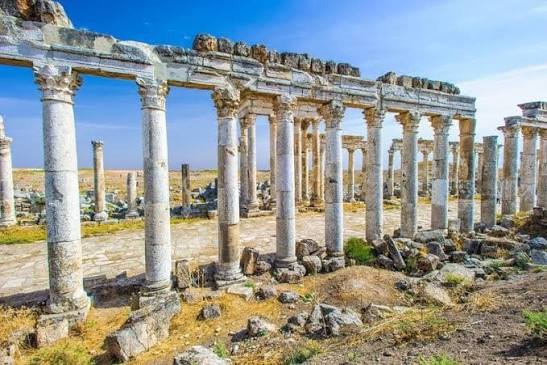
When you first stand before the breathtaking ancient ruins of Apamea, time seems to stop. Located in Apamea Syria, just 55 kilometers north of Hama, this magnificent city offers an unforgettable journey through millennia of human history. For passion-driven travelers seeking authentic cultural encounters, Syria tourism reveals one of its absolute brightest highlights here: the iconic Great Colonnade Apamea standing tall beside the formidable Al-Madiq Castle.
The Rich History of Apamea
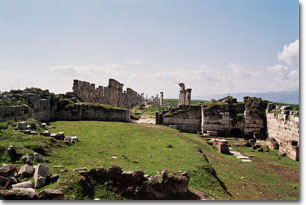
Apamea is a living tapestry of civilizations. Over the centuries, Hellenistic, Roman, Byzantine, and Islamic eras have left their undeniable marks on this sacred soil.
• Hellenistic Foundations: Refounded around 300 BC by Seleucus I Nicator, the city was named "Apamea" after his Persian wife, Apama. It quickly grew into the vital military capital of the Seleucid Empire.
• Roman & Byzantine Glory: Following the Roman conquest of Syria in 64 BC, Apamea flourished into a wealthy metropolis. It later thrived during the Byzantine era as a major Christian spiritual center.
• Islamic & Medieval Era: Muslim forces entered the city peacefully in 638 AD. It was later seized by Crusaders and annexed to the Principality of Antioch before being reclaimed by Nur ad-Din Zangi. Devastating earthquakes between 1157 and 1170 reduced much of the urban area to ruins, leading to a gradual decline.
• Rediscovery: Belgian archaeological missions in the 20th century—led by scholars like Mayence and Lacoste—began excavating and restoring the magnificent colonnades and city walls we admire today.
Top Places to See in Apamea
1. The Great Colonnade
Spanning an impressive 1.85 kilometers in length and 37.5 meters in width (including its side porticoes), this monumental street is the heart of Apamea. Its unique spiral-fluted columns set it apart from almost any other Roman avenue in the world.
2. Al-Madiq Castle (Qal'at al-Madiq)
Perched just west of the main site, this fortress originally served as an acropolis before becoming a key Roman military stronghold. Today, its striking Islamic architecture reflects rebuilding efforts by Nur ad-Din Zangi. A vibrant local village remains nestled inside its massive irregular stone walls.
3. The Roman Theater
Situated between the main street and the modern village, this site was once home to one of the largest Roman theaters in the entire Empire. Built near the end of the 2nd century AD, much of its stonework was repurposed over time, yet its vast scale remains breathtaking.
4. Roman Dwellings & "House of the Consuls"
Discovered during 1973 excavations, these grand residences feature beautifully restored northern facades, grand courtyards, and elegant peristyle columns.
5. Early Christian Churches
• The Circular Church: Dates back to the reign of Emperor Justinian, featuring a distinctive round hall terminating in an eastern apse.
• The Atrium Church: A cozy 5th-century structure expanded during Justinian's era.
• The Eastern Cathedral: A grand complex dating back to 533 AD, highlighting Apamea's weight as a Byzantine religious hub.
6. The Roman Baths
Built around 117 AD during the final year of Emperor Trajan’s reign, these vast thermal baths showcase imperial grandiosity with hot and cold rooms designed for relaxation and community.
7. The Agora & Temple of Zeus Bellos
This wide open plaza sits behind the main portico. Nearby lie the historical remains of the Temple of Zeus Bellos, destroyed in 384 AD under the orders of Bishop Marcellus.
Essential Visitor Information & Travel Tips
📷 Best Time for Photography
The absolute best time to shoot photos at Apamea is during Golden Hour—roughly an hour before sunset or just after sunrise. The warm sunlight hits the spiral columns, casting dramatic long shadows along the 1.8-kilometer main street.
🥾 Activities: Hiking & Camping
• Hiking: A walking tour down the entire length of the main street and up to Al-Madiq Castle offers an excellent outdoor trek. You can also explore surrounding trails along the Orontes river basin.
• Camping: While organized commercial campsites directly within the archaeological zone are limited to preserve the antiquities, nearby open spots in the Orontes valley (Ghab Plain) offer great natural camping experiences under permission from local guides.
🍽️ Local Cuisine & Restaurants
While visiting, enjoy authentic central Syrian dishes:
• Hama-style Kebabs and fresh grilled meats.
• Crispy Falafel & Fresh Hummus from traditional local bakeries in nearby towns.
• Halawat el-Jibn: A famous sweet cheese roll topped with pistachio and sugar syrup, iconic to the nearby Hama region.
• Dining Note: Family-run traditional eateries near Qal'at al-Madiq serve hearty, fresh local meals. For formal dining, head into nearby Hama city.
🏨 Accommodation & Hotels
Because Apamea is protected as an archaeological sanctuary, there are no 4 or 5-star hotels directly inside the ancient ruins site.
• Visitors typically stay in Hama (55 km south), which features charming heritage hotels and mid-range accommodations (3-star to 4-star properties like Cham Palace Hama or local boutique traditional houses).
🚗 How to Get There
• By Car / Taxi: Hiring a private driver or taking a taxi from Hama or Lattakia is the easiest way to reach Apamea.
• Local Microbuses (Servis): Frequent local minivans connect Hama to Suqaylabiyah or Al-Madiq Castle, making day trips straightforward and budget-friendly.
Surrounding Attractions Worth Visiting
If you are exploring Apamea, consider adding these nearby gems to your itinerary:
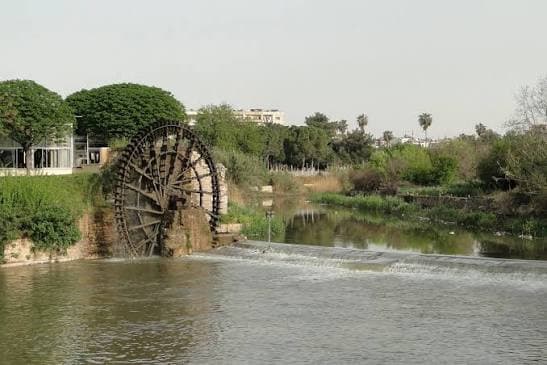
• Hama's Norias: The famous giant ancient wooden waterwheels along the Orontes River.
• Masyaf Castle: A dramatic medieval fortress located short drive to the southwest.
• Al-Ghab Plain: A scenic agricultural valley ideal for countryside drives and natural scenery.
The Rich History of Apamea
Apamea is a living tapestry of civilizations. Over the centuries, Hellenistic, Roman, Byzantine, and Islamic eras have left their undeniable marks on this sacred soil.
• Hellenistic Foundations: Refounded around 300 BC by Seleucus I Nicator, the city was named "Apamea" after his Persian wife, Apama. It quickly grew into the vital military capital of the Seleucid Empire.
• Roman & Byzantine Glory: Following the Roman conquest of Syria in 64 BC, Apamea flourished into a wealthy metropolis. It later thrived during the Byzantine era as a major Christian spiritual center.
• Islamic & Medieval Era: Muslim forces entered the city peacefully in 638 AD. It was later seized by Crusaders and annexed to the Principality of Antioch before being reclaimed by Nur ad-Din Zangi. Devastating earthquakes between 1157 and 1170 reduced much of the urban area to ruins, leading to a gradual decline.
• Rediscovery: Belgian archaeological missions in the 20th century—led by scholars like Mayence and Lacoste—began excavating and restoring the magnificent colonnades and city walls we admire today.
Top Places to See in Apamea
1. The Great Colonnade
Spanning an impressive 1.85 kilometers in length and 37.5 meters in width (including its side porticoes), this monumental street is the heart of Apamea. Its unique spiral-fluted columns set it apart from almost any other Roman avenue in the world.
2. Al-Madiq Castle (Qal'at al-Madiq)
Perched just west of the main site, this fortress originally served as an acropolis before becoming a key Roman military stronghold. Today, its striking Islamic architecture reflects rebuilding efforts by Nur ad-Din Zangi. A vibrant local village remains nestled inside its massive irregular stone walls.
3. The Roman Theater
Situated between the main street and the modern village, this site was once home to one of the largest Roman theaters in the entire Empire. Built near the end of the 2nd century AD, much of its stonework was repurposed over time, yet its vast scale remains breathtaking.
4. Roman Dwellings & "House of the Consuls"
Discovered during 1973 excavations, these grand residences feature beautifully restored northern facades, grand courtyards, and elegant peristyle columns.
5. Early Christian Churches
• The Circular Church: Dates back to the reign of Emperor Justinian, featuring a distinctive round hall terminating in an eastern apse.
• The Atrium Church: A cozy 5th-century structure expanded during Justinian's era.
• The Eastern Cathedral: A grand complex dating back to 533 AD, highlighting Apamea's weight as a Byzantine religious hub.
6. The Roman Baths
Built around 117 AD during the final year of Emperor Trajan’s reign, these vast thermal baths showcase imperial grandiosity with hot and cold rooms designed for relaxation and community.
7. The Agora & Temple of Zeus Bellos
This wide open plaza sits behind the main portico. Nearby lie the historical remains of the Temple of Zeus Bellos, destroyed in 384 AD under the orders of Bishop Marcellus.
Essential Visitor Information & Travel Tips
📷 Best Time for Photography
The absolute best time to shoot photos at Apamea is during Golden Hour—roughly an hour before sunset or just after sunrise. The warm sunlight hits the spiral columns, casting dramatic long shadows along the 1.8-kilometer main street.
🥾 Activities: Hiking & Camping
• Hiking: A walking tour down the entire length of the main street and up to Al-Madiq Castle offers an excellent outdoor trek. You can also explore surrounding trails along the Orontes river basin.
• Camping: While organized commercial campsites directly within the archaeological zone are limited to preserve the antiquities, nearby open spots in the Orontes valley (Ghab Plain) offer great natural camping experiences under permission from local guides.
🍽️ Local Cuisine & Restaurants
While visiting, enjoy authentic central Syrian dishes:
• Hama-style Kebabs and fresh grilled meats.
• Crispy Falafel & Fresh Hummus from traditional local bakeries in nearby towns.
• Halawat el-Jibn: A famous sweet cheese roll topped with pistachio and sugar syrup, iconic to the nearby Hama region.
• Dining Note: Family-run traditional eateries near Qal'at al-Madiq serve hearty, fresh local meals. For formal dining, head into nearby Hama city.
🏨 Accommodation & Hotels
Because Apamea is protected as an archaeological sanctuary, there are no 4 or 5-star hotels directly inside the ancient ruins site.
• Visitors typically stay in Hama (55 km south), which features charming heritage hotels and mid-range accommodations (3-star to 4-star properties like Cham Palace Hama or local boutique traditional houses).
🚗 How to Get There
• By Car / Taxi: Hiring a private driver or taking a taxi from Hama or Lattakia is the easiest way to reach Apamea.
• Local Microbuses (Servis): Frequent local minivans connect Hama to Suqaylabiyah or Al-Madiq Castle, making day trips straightforward and budget-friendly.
Surrounding Attractions Worth Visiting
If you are exploring Apamea, consider adding these nearby gems to your itinerary:
• Hama's Norias: The famous giant ancient wooden waterwheels along the Orontes River.
• Masyaf Castle: A dramatic medieval fortress located short drive to the southwest.
• Al-Ghab Plain: A scenic agricultural valley ideal for countryside drives and natural scenery.
Reviews & Ratings
0.0
★★★★★
0 reviews
💬
No reviews yet. Be the first to review!
Contact & Location
Hama
Activity
38
Views
1
Likes

Discovering Apamea: Syria’s Ancient Gem of the Orontes Valley
Similar Places
More in Hama
Unveiling the Orontes River: A 3-Day Syrian Journey
Hama
New
Adventure .jpeg&w=1200&q=75)
The Ultimate 3-Day Aleppo Itinerary: From Damascus to Syria’s Cultural Heart
Hama
New
Travel Guides
Bahar Organization in Syria Restoring Hope and Strength
Tartus
New
Syria-Rising
Top 4 Hotels in Hama
Hama
New
Hotels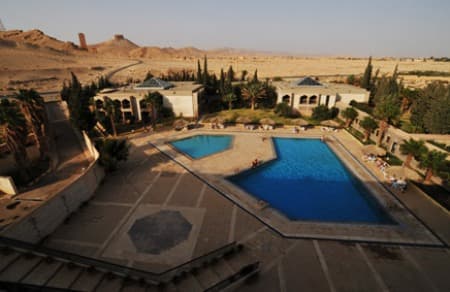
Top 5 Hotels in Palmyra, Syria _ Discover History
Hama
New
Hotels
A New Era for Syria’s Digital Future and Tourism
Idlib
New
ServicesMore Culture & Lifestyle Places

Syrian Makdous: The Taste of Autumn, Childhood and Home
Syria
New
Culture & Lifestyle
10 Places Every Syrian Remembers From Childhood
Damascus
New
Culture & Lifestyle.jpeg&w=1200&q=75)
Discovering the Euphrates River: History, Travel, and Beauty in Syria
Raqqa
New
Adventure 
Unveiling the Cradle of History: Your Ultimate Guide to Syria Museums
Tartus
New
Culture & LifestyleDiscover Our Lady of Saidnaya Monastery: History, Faith, and Visitor Guide
Damascus
New
Culture & Lifestyle
Echoes of History: Discovering 10 Magnificent Castles in Syria
Syria
New
Culture & Lifestyle