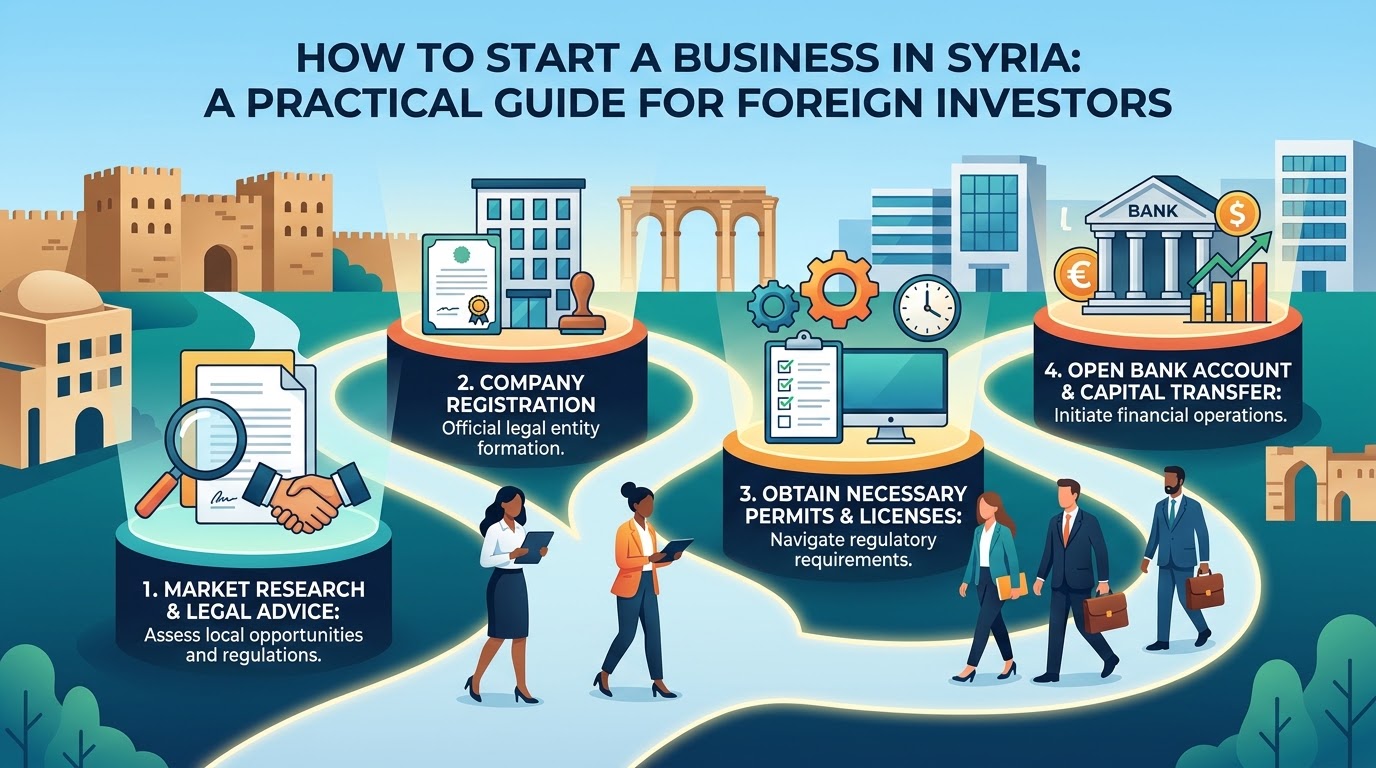
How to Start a Business in Syria: A Practical Guide for Foreign Investors
A practical 2026 guide for foreign investors exploring how to start a business in Syria, covering market research, legal setup, investment licensing, tourism opportunities, local partnerships, compliance, and the country's emerging economic and tourism landscape.
Investment
30
What to expect?
Syria is entering a new chapter, and for international entrepreneurs, understanding how to start a business in Syria is becoming increasingly important. From foreign investors in Syria and emerging Syria business opportunities to tourism, hospitality, technology, trade, and services, the country is attracting renewed attention from people looking to invest in Syria.
For investors interested in Syria tourism investment, the opportunity is particularly connected to the country's historic cities, cultural heritage, hospitality traditions, restaurants, hotels, travel experiences, and growing tourism ecosystem.
But starting a business in Syria requires more than capital. It requires research, patience, local knowledge, legal preparation, and a clear understanding of the market.
Why Consider Investing in Syria?
Syria has something few markets can easily replicate: an extraordinary combination of history, culture, food, architecture, landscapes, and human connection.
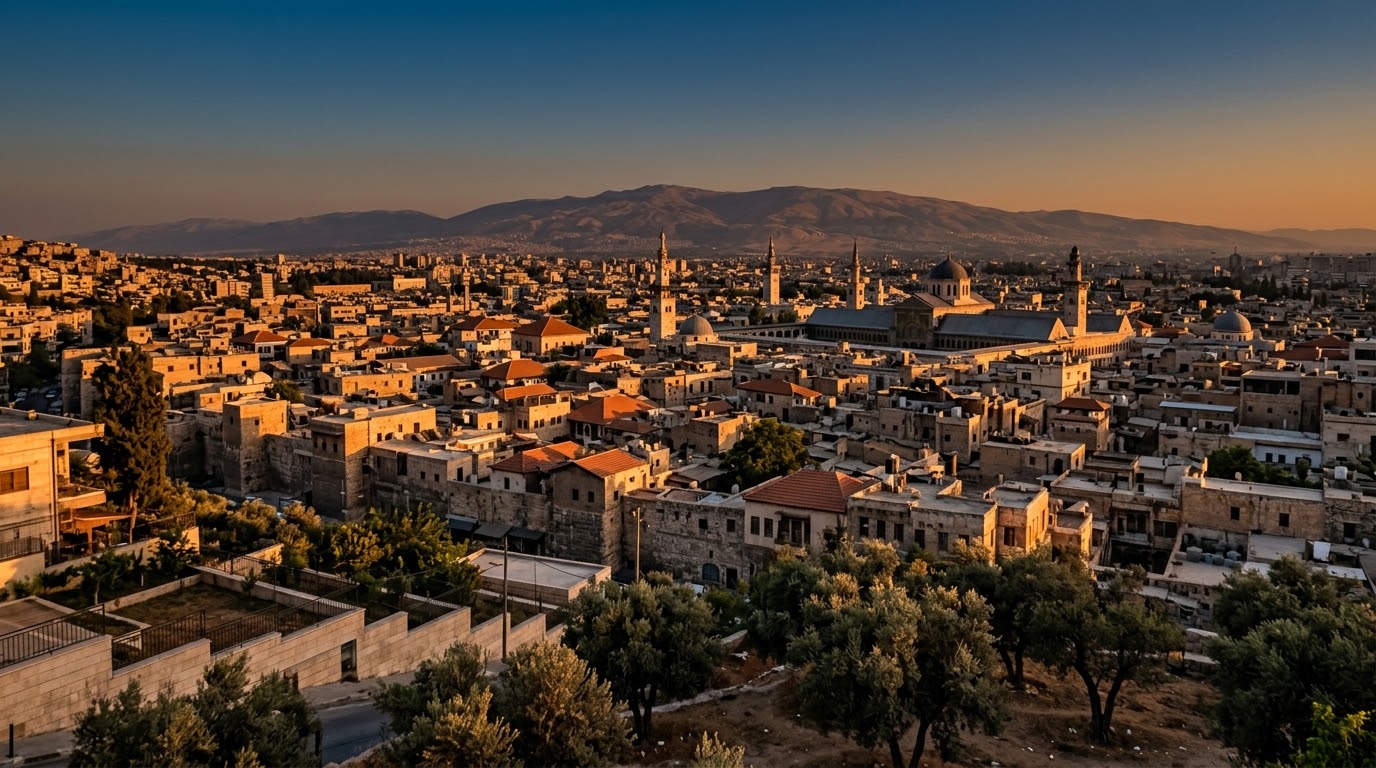
Damascus, Aleppo, Homs, Latakia, Tartous, Palmyra and other destinations offer different commercial possibilities, while Syrian cuisine, traditional markets, historic neighborhoods and cultural experiences create opportunities beyond conventional tourism.
The country is also experiencing a period of economic and commercial transition. According to Syrian authorities, more than 1,800 new companies were registered during the first months of 2026, while efforts were underway to modernize company-registration services and introduce more digital procedures.
For an entrepreneur, that does not mean the market is without challenges. It means that careful preparation is essential.
How to Start a Business in Syria: Step by Step
1. Research the Syrian Market
Start by identifying a genuine market need.
Study your target customers, competitors, purchasing power, suppliers, operating costs and potential locations. If you are considering tourism, examine where visitors are going, what experiences they are seeking and which services remain underserved.
Potential sectors include:
- Tourism and hospitality
- Hotels and guesthouses
- Restaurants and food experiences
- Travel and tour services
- Technology and digital services
- Agriculture and food production
- Manufacturing
- Logistics and transportation
- Real estate development
- Health and education services
The strongest business idea is usually one that solves a local problem while also having a realistic path to international or regional customers.
2. Choose the Right Business Structure
Foreign investors should determine the appropriate legal structure before committing capital.
The Syrian investment framework has been undergoing significant changes. In 2026, Syrian authorities announced reforms allowing projects to have 100% foreign ownership, removing earlier requirements for foreign investors to have local partners in covered investment projects.
However, ownership rules can differ according to the activity, property arrangements, licensing requirements and other applicable regulations.
This is why investors should confirm the rules applicable to their specific project with qualified Syrian legal and financial professionals before incorporation.
3. Understand Investment Licensing and Registration
A business may require commercial registration, sector-specific approvals, municipal permissions, investment licensing or other authorizations depending on its activity.
The investor process generally begins with preparing the project, identifying the relevant authority, submitting the required documents and completing the applicable licensing and registration procedures.
A Syrian investor guide describes the Investor Services Center as a one-stop mechanism intended to coordinate applications and licenses across public authorities.
The practical lesson is simple: do not treat company registration as the first and only step. The activity, ownership structure, location, financing and regulatory requirements should be understood first.
4. Build a Reliable Local Network
Local knowledge can make a major difference.
A trusted local accountant, lawyer, consultant, supplier, property professional or business partner can help a foreign entrepreneur understand procedures that may not be obvious from outside the country.
Take time to build relationships rather than choosing partners solely because they promise speed.
Syria's business culture remains strongly relationship-driven, and personal trust can be an important part of establishing a sustainable operation.
Tourism and Hospitality: A Sector to Watch
Tourism is one of the areas where business and culture naturally meet.
Syria's ancient cities, archaeological sites, traditional markets, coastline, mountains, cuisine and distinctive hospitality create opportunities for hotels, restaurants, cultural tours, boutique accommodation, transportation, travel services and authentic local experiences.
Yalla-Syria itself focuses on connecting travelers with Syrian hotels, restaurants, historical sites, cafés, activities and experiences, while also highlighting investment opportunities in tourism and hospitality.
For an investor, this opens the door to business models that are not simply about accommodation.
A successful tourism business could sell an experience: a traditional Damascus breakfast, a guided Old City walk, a culinary tour, a cultural workshop, a countryside escape or a carefully designed heritage stay.
Investing in Damascus and Beyond
Damascus remains an important commercial and cultural center, but investors should not automatically limit their search to the capital.
Aleppo offers a powerful heritage and culinary identity. The Syrian coast offers opportunities connected to leisure and hospitality. Mountain areas can support nature and outdoor tourism, while smaller cities and rural destinations may offer niche opportunities.
The right location depends on the business model, customer profile, infrastructure and operating requirements.
Yalla-Syria's growing focus on destinations, hotels, restaurants, heritage, nature, road trips and local experiences can also help investors understand the broader tourism ecosystem.
Compliance and Risk Management
Foreign investors should conduct proper due diligence before transferring money, signing contracts or acquiring assets.
Important areas include:
- Local corporate and investment regulations
- Tax and accounting obligations
- Banking and payment arrangements
- Ownership and property rules
- Import and export requirements
- Employment regulations
- Sector-specific licensing
- International sanctions and compliance requirements
Regulations affecting Syria can change, and requirements may also differ depending on the investor's country of residence and the nature of the transaction.
For example, UK government guidance updated in April 2026 specifically advises businesses interested in Syria to consider applicable sanctions, licensing and compliance requirements.
Professional legal and financial advice should therefore be considered an essential part of the investment process.
A New Business Atmosphere in Syria
Starting a business in Syria today is about more than spreadsheets and permits.
Across Syrian cities, everyday life continues to carry its own rhythm: cafés filling again, families gathering for meals, traditional markets staying alive, cultural activities returning, and celebrations bringing people into public spaces.
That human atmosphere matters to tourism and hospitality investors.
Syria is not simply a destination with ancient monuments. It is a living country where people cook, celebrate, trade, create, welcome guests and rebuild their daily routines.
For businesses connected to tourism, culture and hospitality, that authenticity can become one of the country's greatest commercial assets.
What Foreign Investors Should Do Before Investing
Before committing significant capital, prepare a clear investment checklist:
Research the market. Understand your customers and competitors.
Verify the legal framework. Confirm ownership, licensing and registration requirements.
Choose your location carefully. Damascus is not the only potential market.
Build a professional local team. Legal, accounting and operational expertise can save time and reduce risk.
Check banking and payment routes. Make sure your intended financing structure is workable.
Conduct due diligence. Verify properties, partners, suppliers and contracts independently.
Start with a realistic business model. Avoid assuming that low costs automatically mean high profits.
Think long term. Building a trusted brand in an emerging market takes time.
Is Syria Ready for Foreign Investors?
The answer depends on the project.
Syria's investment environment is evolving, with reforms aimed at attracting capital, simplifying procedures and encouraging new business activity. At the same time, investors still need to account for regulatory, operational, financial and compliance considerations.
The opportunity is therefore best approached with optimism and professional due diligence.
For entrepreneurs who understand the market, respect local culture and build their businesses around genuine customer needs, Syria's next chapter may offer interesting possibilities.
Final Thoughts
Learning how to start a business in Syria is the first step. The real work begins with choosing the right opportunity, understanding the rules, finding trustworthy local expertise and creating something that adds genuine value.
Syria is gradually presenting itself through a different lens: not only through its past, but through its people, businesses, restaurants, hotels, celebrations, creativity and hopes for the future.
For foreign entrepreneurs, that creates a market worth studying carefully.
And for those looking specifically at tourism, hospitality and cultural experiences, Yalla-Syria provides a useful window into the places, people and experiences that make Syria unique.
Discover Syria. Invest in Syria. Grow with Syria.
---
Frequently Asked Questions
Can foreigners start a business in Syria?
Foreign investors can establish investment projects in Syria subject to the applicable laws, licensing requirements and sector-specific regulations. Recent reforms announced in 2026 allow 100% foreign ownership for covered investment projects, but investors should verify the rules applicable to their specific activity.
What are the best business opportunities in Syria?
Potential opportunities include tourism, hospitality, restaurants, food production, technology, agriculture, manufacturing, logistics, healthcare, education and real estate development. The right opportunity depends on market demand, regulations, capital requirements and the investor's expertise.
Is tourism a good sector for investment in Syria?
Tourism offers opportunities linked to Syria's historic cities, heritage sites, cuisine, coastline, nature, hotels, restaurants and cultural experiences. However, investors should conduct detailed market, legal and operational due diligence before committing capital.
How do I register a company in Syria?
The process depends on the business activity and legal structure. Investors may need commercial registration, investment licensing and sector-specific approvals. Current investor guidance describes an Investor Services Center designed to coordinate relevant public-sector procedures.
What should foreign investors check before investing in Syria?
Foreign investors should review ownership rules, licensing, taxes, banking, property rights, contracts, local partners, import requirements and applicable international sanctions or compliance obligations before investing.
Why should investors consider tourism in Damascus?
Damascus combines historic architecture, traditional markets, cuisine, hospitality and cultural experiences, creating opportunities for accommodation, restaurants, guided experiences, cultural tourism and related services.
Is Syria's business environment changing?
Yes. Syrian authorities have announced reforms aimed at modernizing investment and company-registration procedures, while official figures indicate increased company registrations during 2026. Investors should nevertheless verify current requirements because the regulatory environment continues to evolve.
For investors interested in Syria tourism investment, the opportunity is particularly connected to the country's historic cities, cultural heritage, hospitality traditions, restaurants, hotels, travel experiences, and growing tourism ecosystem.
But starting a business in Syria requires more than capital. It requires research, patience, local knowledge, legal preparation, and a clear understanding of the market.
Why Consider Investing in Syria?
Syria has something few markets can easily replicate: an extraordinary combination of history, culture, food, architecture, landscapes, and human connection.
Damascus, Aleppo, Homs, Latakia, Tartous, Palmyra and other destinations offer different commercial possibilities, while Syrian cuisine, traditional markets, historic neighborhoods and cultural experiences create opportunities beyond conventional tourism.
The country is also experiencing a period of economic and commercial transition. According to Syrian authorities, more than 1,800 new companies were registered during the first months of 2026, while efforts were underway to modernize company-registration services and introduce more digital procedures.
For an entrepreneur, that does not mean the market is without challenges. It means that careful preparation is essential.
How to Start a Business in Syria: Step by Step
1. Research the Syrian Market
Start by identifying a genuine market need.
Study your target customers, competitors, purchasing power, suppliers, operating costs and potential locations. If you are considering tourism, examine where visitors are going, what experiences they are seeking and which services remain underserved.
Potential sectors include:
- Tourism and hospitality
- Hotels and guesthouses
- Restaurants and food experiences
- Travel and tour services
- Technology and digital services
- Agriculture and food production
- Manufacturing
- Logistics and transportation
- Real estate development
- Health and education services
The strongest business idea is usually one that solves a local problem while also having a realistic path to international or regional customers.
2. Choose the Right Business Structure
Foreign investors should determine the appropriate legal structure before committing capital.
The Syrian investment framework has been undergoing significant changes. In 2026, Syrian authorities announced reforms allowing projects to have 100% foreign ownership, removing earlier requirements for foreign investors to have local partners in covered investment projects.
However, ownership rules can differ according to the activity, property arrangements, licensing requirements and other applicable regulations.
This is why investors should confirm the rules applicable to their specific project with qualified Syrian legal and financial professionals before incorporation.
3. Understand Investment Licensing and Registration
A business may require commercial registration, sector-specific approvals, municipal permissions, investment licensing or other authorizations depending on its activity.
The investor process generally begins with preparing the project, identifying the relevant authority, submitting the required documents and completing the applicable licensing and registration procedures.
A Syrian investor guide describes the Investor Services Center as a one-stop mechanism intended to coordinate applications and licenses across public authorities.
The practical lesson is simple: do not treat company registration as the first and only step. The activity, ownership structure, location, financing and regulatory requirements should be understood first.
4. Build a Reliable Local Network
Local knowledge can make a major difference.
A trusted local accountant, lawyer, consultant, supplier, property professional or business partner can help a foreign entrepreneur understand procedures that may not be obvious from outside the country.
Take time to build relationships rather than choosing partners solely because they promise speed.
Syria's business culture remains strongly relationship-driven, and personal trust can be an important part of establishing a sustainable operation.
Tourism and Hospitality: A Sector to Watch
Tourism is one of the areas where business and culture naturally meet.
Syria's ancient cities, archaeological sites, traditional markets, coastline, mountains, cuisine and distinctive hospitality create opportunities for hotels, restaurants, cultural tours, boutique accommodation, transportation, travel services and authentic local experiences.
Yalla-Syria itself focuses on connecting travelers with Syrian hotels, restaurants, historical sites, cafés, activities and experiences, while also highlighting investment opportunities in tourism and hospitality.
For an investor, this opens the door to business models that are not simply about accommodation.
A successful tourism business could sell an experience: a traditional Damascus breakfast, a guided Old City walk, a culinary tour, a cultural workshop, a countryside escape or a carefully designed heritage stay.
Investing in Damascus and Beyond
Damascus remains an important commercial and cultural center, but investors should not automatically limit their search to the capital.
Aleppo offers a powerful heritage and culinary identity. The Syrian coast offers opportunities connected to leisure and hospitality. Mountain areas can support nature and outdoor tourism, while smaller cities and rural destinations may offer niche opportunities.
The right location depends on the business model, customer profile, infrastructure and operating requirements.
Yalla-Syria's growing focus on destinations, hotels, restaurants, heritage, nature, road trips and local experiences can also help investors understand the broader tourism ecosystem.
Compliance and Risk Management
Foreign investors should conduct proper due diligence before transferring money, signing contracts or acquiring assets.
Important areas include:
- Local corporate and investment regulations
- Tax and accounting obligations
- Banking and payment arrangements
- Ownership and property rules
- Import and export requirements
- Employment regulations
- Sector-specific licensing
- International sanctions and compliance requirements
Regulations affecting Syria can change, and requirements may also differ depending on the investor's country of residence and the nature of the transaction.
For example, UK government guidance updated in April 2026 specifically advises businesses interested in Syria to consider applicable sanctions, licensing and compliance requirements.
Professional legal and financial advice should therefore be considered an essential part of the investment process.
A New Business Atmosphere in Syria
Starting a business in Syria today is about more than spreadsheets and permits.
Across Syrian cities, everyday life continues to carry its own rhythm: cafés filling again, families gathering for meals, traditional markets staying alive, cultural activities returning, and celebrations bringing people into public spaces.
That human atmosphere matters to tourism and hospitality investors.
Syria is not simply a destination with ancient monuments. It is a living country where people cook, celebrate, trade, create, welcome guests and rebuild their daily routines.
For businesses connected to tourism, culture and hospitality, that authenticity can become one of the country's greatest commercial assets.
What Foreign Investors Should Do Before Investing
Before committing significant capital, prepare a clear investment checklist:
Research the market. Understand your customers and competitors.
Verify the legal framework. Confirm ownership, licensing and registration requirements.
Choose your location carefully. Damascus is not the only potential market.
Build a professional local team. Legal, accounting and operational expertise can save time and reduce risk.
Check banking and payment routes. Make sure your intended financing structure is workable.
Conduct due diligence. Verify properties, partners, suppliers and contracts independently.
Start with a realistic business model. Avoid assuming that low costs automatically mean high profits.
Think long term. Building a trusted brand in an emerging market takes time.
Is Syria Ready for Foreign Investors?
The answer depends on the project.
Syria's investment environment is evolving, with reforms aimed at attracting capital, simplifying procedures and encouraging new business activity. At the same time, investors still need to account for regulatory, operational, financial and compliance considerations.
The opportunity is therefore best approached with optimism and professional due diligence.
For entrepreneurs who understand the market, respect local culture and build their businesses around genuine customer needs, Syria's next chapter may offer interesting possibilities.
Final Thoughts
Learning how to start a business in Syria is the first step. The real work begins with choosing the right opportunity, understanding the rules, finding trustworthy local expertise and creating something that adds genuine value.
Syria is gradually presenting itself through a different lens: not only through its past, but through its people, businesses, restaurants, hotels, celebrations, creativity and hopes for the future.
For foreign entrepreneurs, that creates a market worth studying carefully.
And for those looking specifically at tourism, hospitality and cultural experiences, Yalla-Syria provides a useful window into the places, people and experiences that make Syria unique.
Discover Syria. Invest in Syria. Grow with Syria.
---
Frequently Asked Questions
Can foreigners start a business in Syria?
Foreign investors can establish investment projects in Syria subject to the applicable laws, licensing requirements and sector-specific regulations. Recent reforms announced in 2026 allow 100% foreign ownership for covered investment projects, but investors should verify the rules applicable to their specific activity.
What are the best business opportunities in Syria?
Potential opportunities include tourism, hospitality, restaurants, food production, technology, agriculture, manufacturing, logistics, healthcare, education and real estate development. The right opportunity depends on market demand, regulations, capital requirements and the investor's expertise.
Is tourism a good sector for investment in Syria?
Tourism offers opportunities linked to Syria's historic cities, heritage sites, cuisine, coastline, nature, hotels, restaurants and cultural experiences. However, investors should conduct detailed market, legal and operational due diligence before committing capital.
How do I register a company in Syria?
The process depends on the business activity and legal structure. Investors may need commercial registration, investment licensing and sector-specific approvals. Current investor guidance describes an Investor Services Center designed to coordinate relevant public-sector procedures.
What should foreign investors check before investing in Syria?
Foreign investors should review ownership rules, licensing, taxes, banking, property rights, contracts, local partners, import requirements and applicable international sanctions or compliance obligations before investing.
Why should investors consider tourism in Damascus?
Damascus combines historic architecture, traditional markets, cuisine, hospitality and cultural experiences, creating opportunities for accommodation, restaurants, guided experiences, cultural tourism and related services.
Is Syria's business environment changing?
Yes. Syrian authorities have announced reforms aimed at modernizing investment and company-registration procedures, while official figures indicate increased company registrations during 2026. Investors should nevertheless verify current requirements because the regulatory environment continues to evolve.
Reviews & Ratings
0.0
★★★★★
0 reviews
💬
No reviews yet. Be the first to review!
Contact & Location
Activity
30
Views
0
Likes
📍 Location
Location not specified
More Investment Places
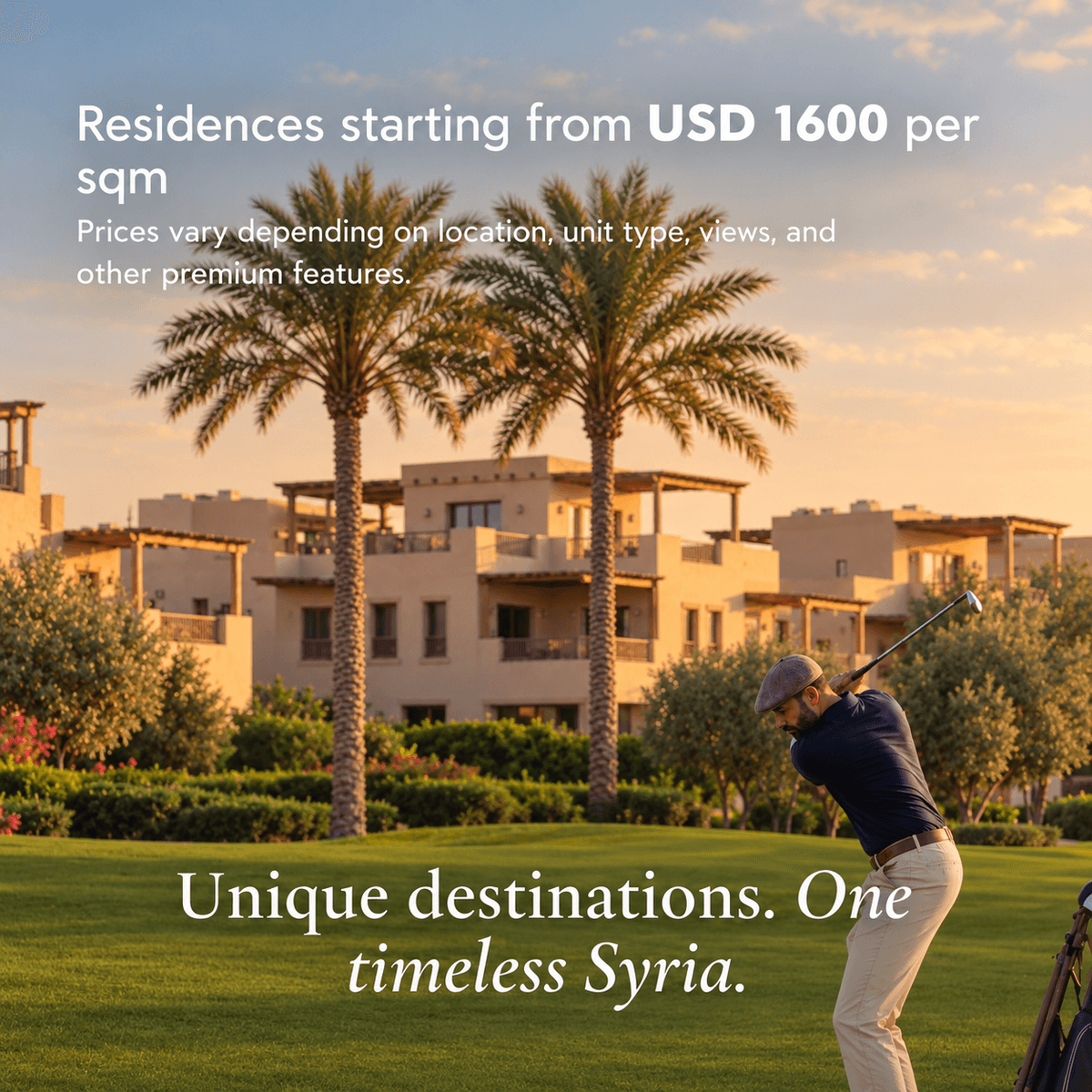
Eagle Hills Syria: A New Vision for Damascus and Latakia
Damascus
New
Investment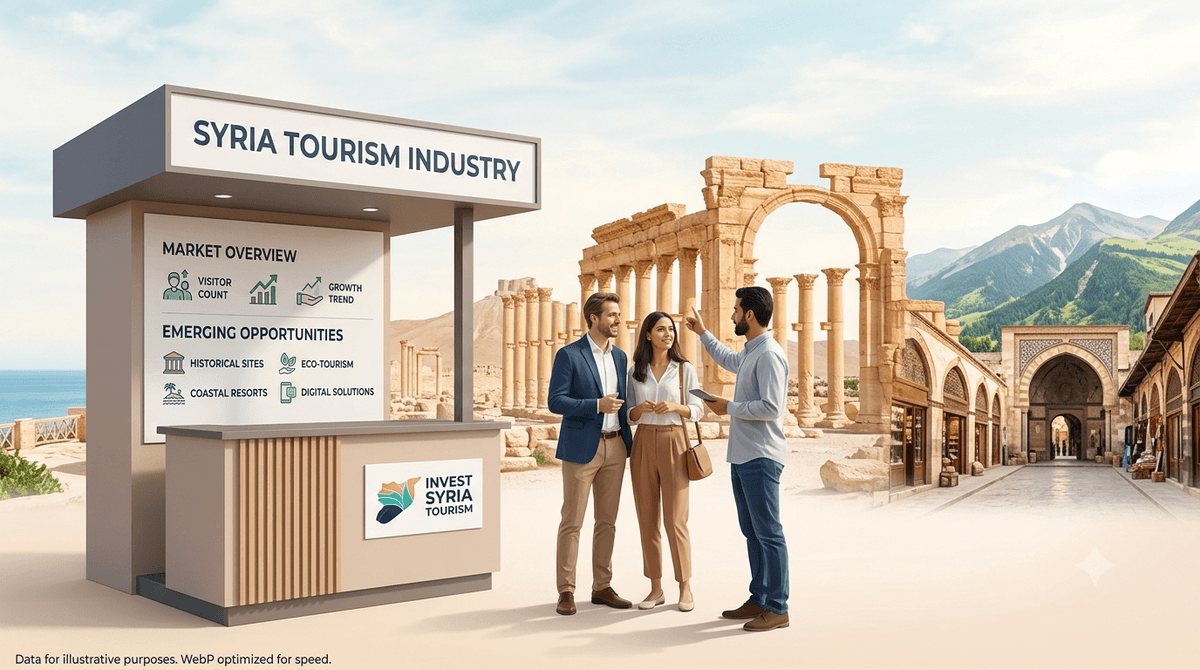
Syria Tourism Industry: Market Overview & Emerging Opportunities
Syria
New
Investment
Syria Investment Law: A Guide for International Investors
Syria
New
Investment
Syria Investment Opportunities: Tourism, Real Estate & Hospitality
Syria
New
Investment
Business Opportunities in Syria: Sectors to Watch
Syria
New
Investment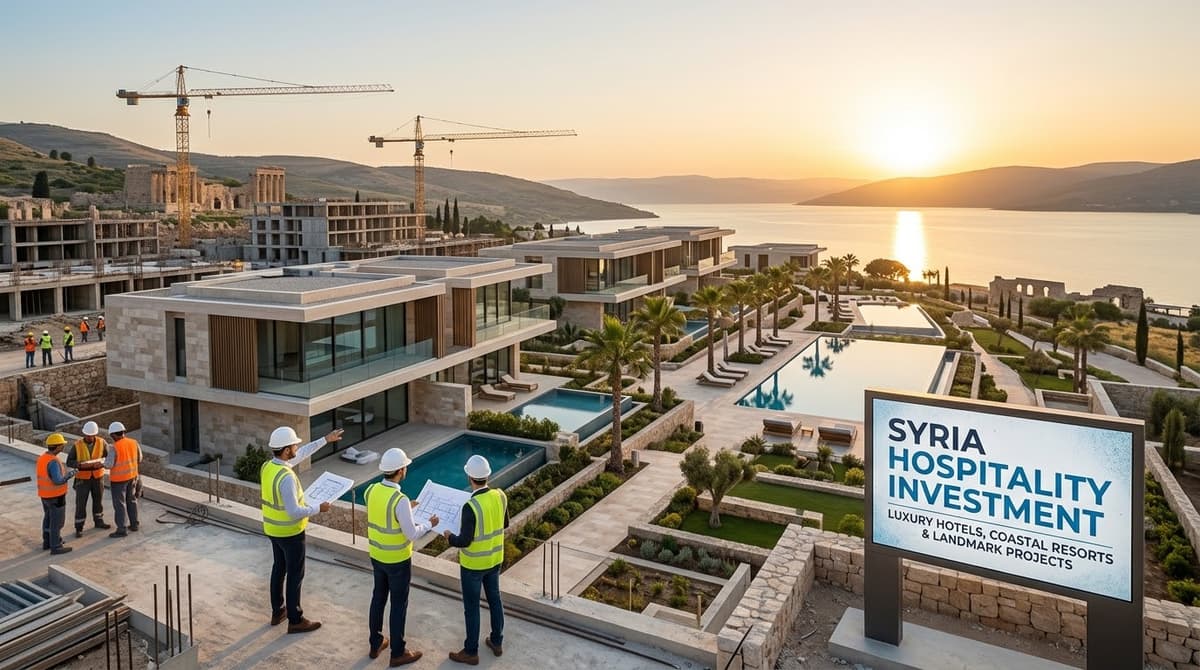
Hospitality Investment in Syria: Hotels, Resorts & Tourism Projects
Syria
New
Investment