Real Estate Investment in Syria: A Guide for International Investors
A practical guide to real estate investment in Syria for international investors, exploring property opportunities, tourism growth, legal considerations and the country’s emerging investment landscape.
Investment
15
What to expect?
Real Estate Investment in Syria is attracting renewed attention as the country enters a new phase focused on tourism, reconstruction, business activity and reconnecting with international markets. For investors researching Syria real estate investment, property investment in Syria, and emerging real estate opportunities in Syria, the market deserves careful attention.
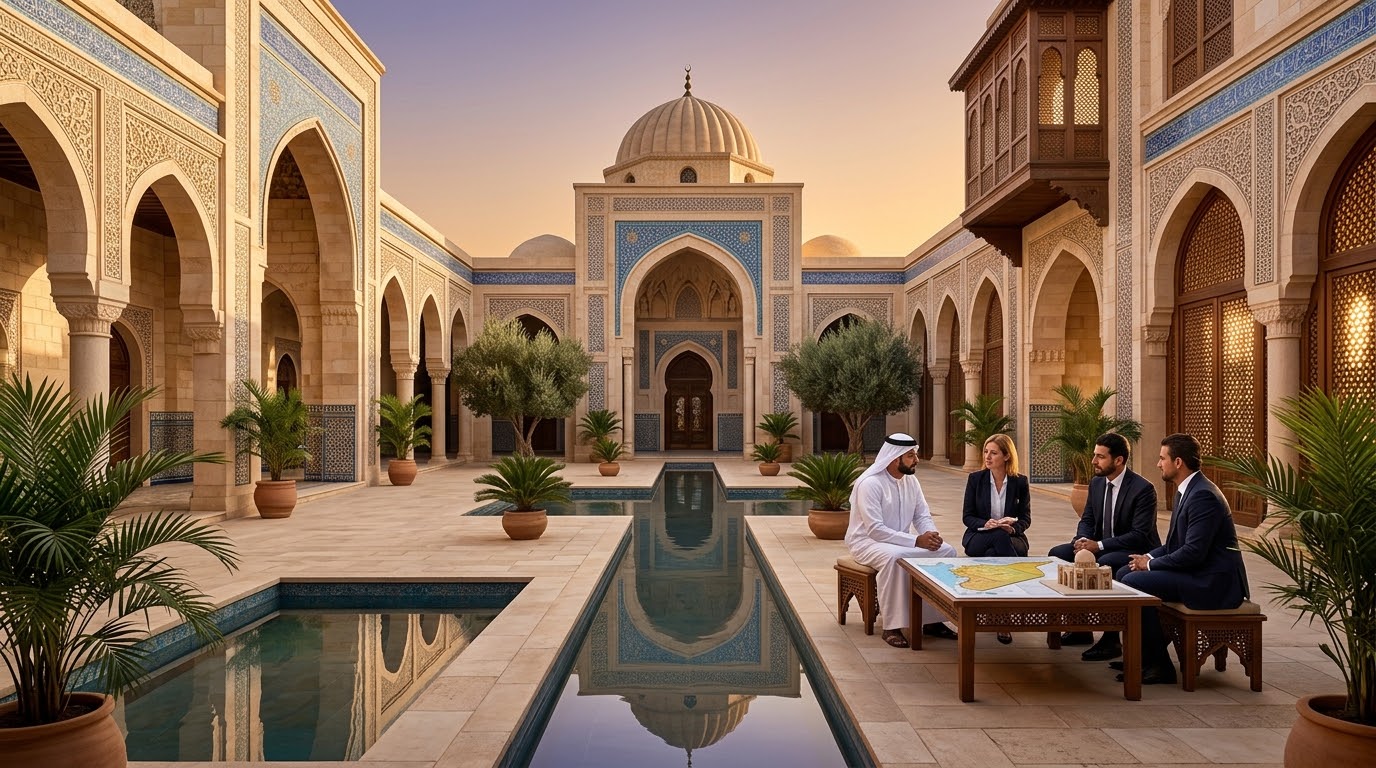
Syria is more than a property market. It is a country of historic cities, Mediterranean coastline, ancient heritage sites, traditional markets, restaurants, cafés and a culture built around hospitality. As tourism activity begins to recover, real estate connected to accommodation, hospitality, retail and tourism services may become increasingly relevant.
Yalla-Syria positions itself at the intersection of tourism and investment, helping international audiences discover Syria while exploring opportunities connected to its future.
Why Consider Real Estate Investment in Syria?
The Syrian property market is entering a period of transition. Years of disruption created major challenges, but they also left significant demand for housing, hospitality, commercial spaces and the rehabilitation of existing properties.
For an investor, this means the opportunity is not limited to buying an apartment. Potential areas include:
- Residential property
- Hotels and serviced apartments
- Tourism-related properties
- Commercial real estate
- Restaurants and hospitality spaces
- Renovation and redevelopment projects
- Properties serving returning Syrians and international visitors
Recent tourism figures indicate a significant change in visitor activity. Syria recorded more than 3.5 million visitors during the first half of 2026, while international arrivals increased sharply compared with the previous year. At the same time, the tourism sector continues to face infrastructure and hotel-capacity challenges.
This creates an important connection between Syria tourism investment and real estate.
Syria Real Estate Investment and the Tourism Opportunity
Tourism can have a direct impact on property demand.
Damascus, Aleppo, Homs, Tartus, Latakia and other destinations combine cultural heritage, food, hospitality and local experiences. Historic markets, traditional neighbourhoods, restaurants and heritage properties can form part of a broader tourism ecosystem.
The return of visitors can increase demand for hotels, short-term accommodation, restaurants, cafés, retail locations and tourism services.
Syria's tourism recovery is already visible in the reopening of businesses and the return of visitors to historic destinations. Reports in 2026 have highlighted increased activity across Damascus and other parts of the country, including renewed interest in coastal destinations.
For investors, the opportunity is therefore not simply buying property in Syria. It is understanding how a property fits into the wider economic and tourism environment.
Where Are the Potential Real Estate Opportunities in Syria?
Damascus Real Estate
Damascus remains central to Syria's business, cultural and tourism activity. Properties in established urban areas may appeal to investors interested in residential, commercial or hospitality uses.
The Old City and surrounding historic areas also have particular cultural value, although heritage properties require specialist assessment before renovation or redevelopment.
Aleppo Property Investment
Aleppo has enormous historical and commercial importance. Its traditional markets, architecture and cultural identity make the city relevant to long-term tourism and urban-recovery strategies.
Investors considering Aleppo should assess each property individually, paying particular attention to title status, building condition, planning restrictions and infrastructure.
Syrian Coast and Tourism Real Estate
Tartus and Latakia offer a different investment profile, combining residential demand with coastal tourism.
Hotels, holiday accommodation, restaurants and mixed-use properties may become increasingly relevant as domestic and international tourism develops.
Historic and Heritage Properties
Syria's heritage is one of its strongest tourism assets. Damascus, Aleppo, Bosra and other historic destinations offer opportunities connected to cultural tourism.
However, heritage properties should never be evaluated on location alone. Restoration requirements, ownership documentation, planning rules and permitted uses need professional verification.
Can Foreigners Buy Property in Syria?
Foreign ownership is a legal area that requires particular attention.
Syrian legislation provides routes for non-Syrian ownership under specific conditions, while the applicable requirements can depend on nationality, residency, property type, purpose of ownership and required approvals. Syrian Law No. 12 of 2021 amended earlier foreign-ownership rules and established conditions for non-Syrian ownership.
Recent 2026 legal guidance also emphasizes that the distinction between Syrian nationals living abroad and non-Syrian nationals is important when assessing ownership rights.
International investors should therefore obtain current Syrian legal advice before signing a purchase agreement, transferring funds or establishing an investment structure.
Rules and administrative procedures can change, and an individual property purchase is not necessarily treated in the same way as a structured investment or development project.
What Should Investors Check Before Buying Property in Syria?
1. Verify the Title
The first question should not be the asking price.
It should be: Who legally owns the property?
Investors should verify the title through the relevant real estate registry and confirm that the seller has the legal authority to transfer the property.
2. Check Registration and Documents
Avoid relying solely on informal agreements or promises.
Ownership documents, registration status, inheritance claims, powers of attorney, mortgages, liens and other encumbrances should be independently checked.
3. Understand Planning and Permitted Use
A property suitable for residential use may not automatically be suitable for a hotel, restaurant or commercial project.
Before investing, confirm zoning, building regulations, permitted use and any development restrictions.
4. Conduct Technical Due Diligence
A qualified engineer should assess the property's structural condition, utilities, access, construction quality and renovation requirements.
This is particularly important for older buildings and properties affected by years of neglect or damage.
5. Review the Investment Structure
International investors should examine how the investment will be owned, financed, operated and eventually exited.
Depending on the project, this may involve a personal purchase, a Syrian company, a development structure or another legally appropriate arrangement.
Is Syria Real Estate Investment Risk-Free?
No real estate market is risk-free, and Syria requires additional due diligence because its legal, economic and infrastructure environment is still evolving.
Investors should consider:
- Ownership and title risks
- Regulatory changes
- Currency and payment considerations
- Infrastructure limitations
- Construction and renovation costs
- Property management
- Local market liquidity
- Compliance and sanctions-related considerations
- Exit strategy
A low purchase price should never be treated as proof of a good investment.
The strongest opportunities are usually those where the investor understands the property, the legal structure, the local demand and the realistic long-term business model.
The Human Side of Investing in Syria
Numbers tell only part of the story.
Walk through Damascus and you encounter more than buildings. You find old markets coming alive, cafés filling with conversations, family restaurants welcoming customers and cultural traditions continuing across generations.
Across Syria, people are also trying to move beyond years defined by conflict and rebuild everyday life.
Festivals, cultural activities, restaurants, tourism experiences and social gatherings are helping create a different atmosphere around the country. The change is gradual and uneven, but it is part of a wider effort to reconnect Syria with visitors, businesses and the Syrian diaspora.
For investors, this human dimension matters.
Real estate becomes more valuable when it supports real communities, creates useful spaces and connects naturally with the places people want to visit, live in and experience.
A Practical Strategy for International Investors
For anyone researching how to invest in real estate in Syria, a disciplined process is essential:
Research the market → select the location → verify ownership → conduct legal due diligence → inspect the property → evaluate the business model → check regulatory requirements → structure the investment → plan the exit.
Do not start with the question, "How cheap is this property?"
Start with:
"Why will this property be valuable in five or ten years?"
That question can change the entire investment strategy.
Syria's Real Estate Market: A Market in Transition
Syria is not a conventional mature real estate market. It is a market experiencing reconstruction, tourism recovery, changing investment conditions and renewed interest from Syrians abroad and international audiences.
That creates both opportunities and uncertainty.
The investors who approach the market professionally will need more than capital. They will need reliable local partners, lawyers, engineers, market research and patience.
For tourism-focused investors, the combination of Syria real estate investment, hospitality and cultural tourism may be particularly important as visitor activity develops.
Final Thoughts
Real Estate Investment in Syria is becoming part of a much bigger story: the gradual reopening of a country with extraordinary cultural heritage, strong human connections and significant reconstruction needs.
The opportunity is real, but successful investing requires realism as well as optimism.
From Damascus's historic streets to Aleppo's cultural heritage and the Mediterranean coast, Syria offers a property landscape that is closely connected to tourism, hospitality and the country's future economic development.
For international investors, the next step should not be rushing into a purchase. It should be understanding the market, verifying every document and finding the right local professional team.
Discover Syria. Understand its opportunities. Invest carefully. And be part of its next chapter.
---
Frequently Asked Questions
Is real estate investment in Syria open to international investors?
Foreign ownership is possible under Syrian law in certain circumstances, but requirements vary according to nationality, residency, property type, purpose and applicable approvals. Investors should obtain current legal advice before purchasing.
Can foreigners buy property in Syria?
Non-Syrians may be able to acquire property subject to applicable laws, approvals and conditions. The rules should be checked for the specific investor and property before any transaction.
What are the best real estate investment opportunities in Syria?
Potential areas include residential property, hospitality, tourism accommodation, commercial real estate, redevelopment and properties connected to cultural tourism. Suitability depends heavily on location, title, permitted use and investment strategy.
Is Damascus suitable for real estate investment?
Damascus is a major commercial, cultural and tourism centre and offers different types of property opportunities. However, every property requires independent legal, technical and financial due diligence.
Why is tourism important for Syrian real estate?
Growing tourism can create demand for hotels, serviced accommodation, restaurants, retail and tourism-related businesses. Syria's visitor numbers increased substantially during 2026, although infrastructure and hotel capacity remain important challenges.
What should I check before buying property in Syria?
Check ownership and title registration, seller authority, existing claims or encumbrances, planning rules, permitted use, building condition, utilities, transaction costs and the legal requirements applicable to your nationality and investment structure.
Should international investors use a Syrian lawyer?
Yes. Because property laws, administrative procedures and investment requirements can change, an independent Syrian lawyer should review the property documents and transaction structure before funds are transferred or contracts are finalized.
Is Syria real estate investment suitable for every investor?
No. The market requires careful due diligence, local knowledge and an appropriate risk horizon. Investors should evaluate their own objectives, financing, compliance requirements and exit strategy before committing capital.
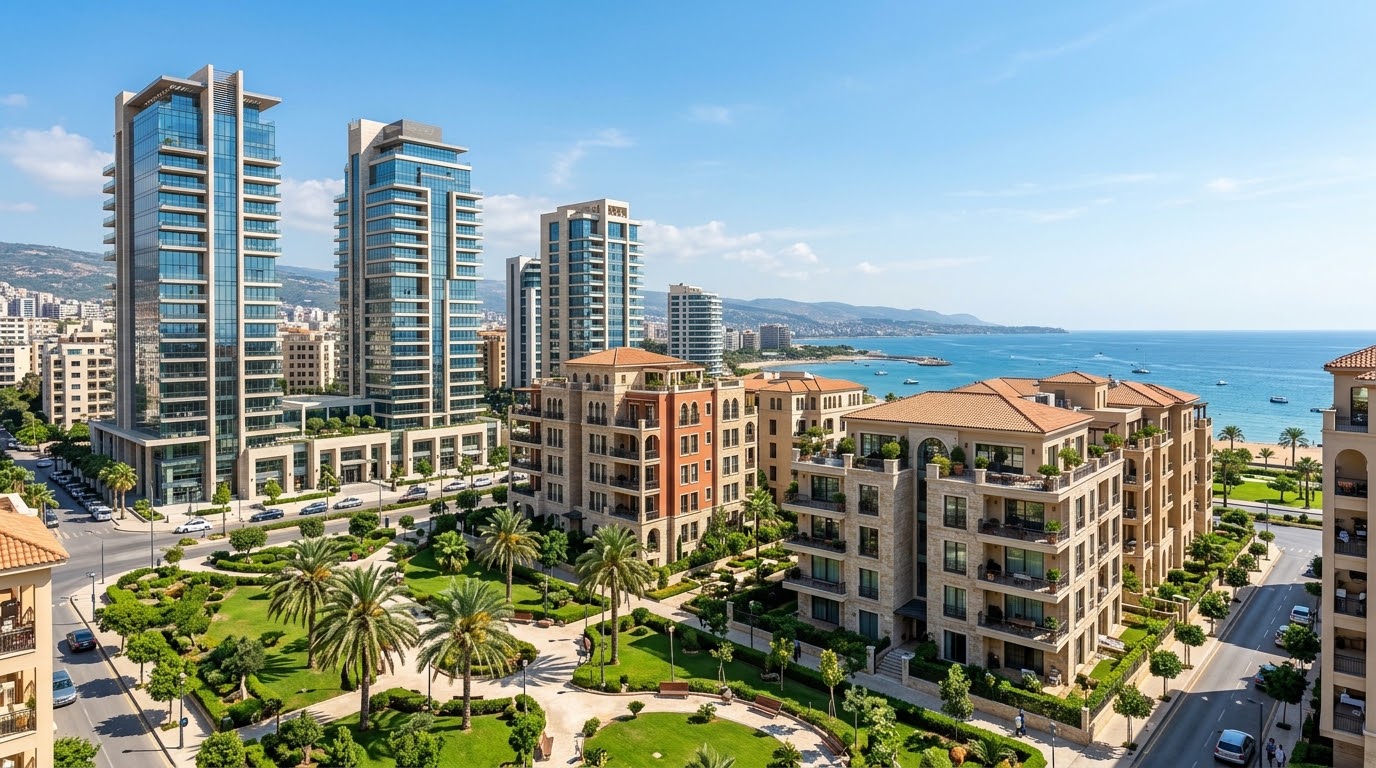
Syria is more than a property market. It is a country of historic cities, Mediterranean coastline, ancient heritage sites, traditional markets, restaurants, cafés and a culture built around hospitality. As tourism activity begins to recover, real estate connected to accommodation, hospitality, retail and tourism services may become increasingly relevant.
Yalla-Syria positions itself at the intersection of tourism and investment, helping international audiences discover Syria while exploring opportunities connected to its future.
Why Consider Real Estate Investment in Syria?
The Syrian property market is entering a period of transition. Years of disruption created major challenges, but they also left significant demand for housing, hospitality, commercial spaces and the rehabilitation of existing properties.
For an investor, this means the opportunity is not limited to buying an apartment. Potential areas include:
- Residential property
- Hotels and serviced apartments
- Tourism-related properties
- Commercial real estate
- Restaurants and hospitality spaces
- Renovation and redevelopment projects
- Properties serving returning Syrians and international visitors
Recent tourism figures indicate a significant change in visitor activity. Syria recorded more than 3.5 million visitors during the first half of 2026, while international arrivals increased sharply compared with the previous year. At the same time, the tourism sector continues to face infrastructure and hotel-capacity challenges.
This creates an important connection between Syria tourism investment and real estate.
Syria Real Estate Investment and the Tourism Opportunity
Tourism can have a direct impact on property demand.
Damascus, Aleppo, Homs, Tartus, Latakia and other destinations combine cultural heritage, food, hospitality and local experiences. Historic markets, traditional neighbourhoods, restaurants and heritage properties can form part of a broader tourism ecosystem.
The return of visitors can increase demand for hotels, short-term accommodation, restaurants, cafés, retail locations and tourism services.
Syria's tourism recovery is already visible in the reopening of businesses and the return of visitors to historic destinations. Reports in 2026 have highlighted increased activity across Damascus and other parts of the country, including renewed interest in coastal destinations.
For investors, the opportunity is therefore not simply buying property in Syria. It is understanding how a property fits into the wider economic and tourism environment.
Where Are the Potential Real Estate Opportunities in Syria?
Damascus Real Estate
Damascus remains central to Syria's business, cultural and tourism activity. Properties in established urban areas may appeal to investors interested in residential, commercial or hospitality uses.
The Old City and surrounding historic areas also have particular cultural value, although heritage properties require specialist assessment before renovation or redevelopment.
Aleppo Property Investment
Aleppo has enormous historical and commercial importance. Its traditional markets, architecture and cultural identity make the city relevant to long-term tourism and urban-recovery strategies.
Investors considering Aleppo should assess each property individually, paying particular attention to title status, building condition, planning restrictions and infrastructure.
Syrian Coast and Tourism Real Estate
Tartus and Latakia offer a different investment profile, combining residential demand with coastal tourism.
Hotels, holiday accommodation, restaurants and mixed-use properties may become increasingly relevant as domestic and international tourism develops.
Historic and Heritage Properties
Syria's heritage is one of its strongest tourism assets. Damascus, Aleppo, Bosra and other historic destinations offer opportunities connected to cultural tourism.
However, heritage properties should never be evaluated on location alone. Restoration requirements, ownership documentation, planning rules and permitted uses need professional verification.
Can Foreigners Buy Property in Syria?
Foreign ownership is a legal area that requires particular attention.
Syrian legislation provides routes for non-Syrian ownership under specific conditions, while the applicable requirements can depend on nationality, residency, property type, purpose of ownership and required approvals. Syrian Law No. 12 of 2021 amended earlier foreign-ownership rules and established conditions for non-Syrian ownership.
Recent 2026 legal guidance also emphasizes that the distinction between Syrian nationals living abroad and non-Syrian nationals is important when assessing ownership rights.
International investors should therefore obtain current Syrian legal advice before signing a purchase agreement, transferring funds or establishing an investment structure.
Rules and administrative procedures can change, and an individual property purchase is not necessarily treated in the same way as a structured investment or development project.
What Should Investors Check Before Buying Property in Syria?
1. Verify the Title
The first question should not be the asking price.
It should be: Who legally owns the property?
Investors should verify the title through the relevant real estate registry and confirm that the seller has the legal authority to transfer the property.
2. Check Registration and Documents
Avoid relying solely on informal agreements or promises.
Ownership documents, registration status, inheritance claims, powers of attorney, mortgages, liens and other encumbrances should be independently checked.
3. Understand Planning and Permitted Use
A property suitable for residential use may not automatically be suitable for a hotel, restaurant or commercial project.
Before investing, confirm zoning, building regulations, permitted use and any development restrictions.
4. Conduct Technical Due Diligence
A qualified engineer should assess the property's structural condition, utilities, access, construction quality and renovation requirements.
This is particularly important for older buildings and properties affected by years of neglect or damage.
5. Review the Investment Structure
International investors should examine how the investment will be owned, financed, operated and eventually exited.
Depending on the project, this may involve a personal purchase, a Syrian company, a development structure or another legally appropriate arrangement.
Is Syria Real Estate Investment Risk-Free?
No real estate market is risk-free, and Syria requires additional due diligence because its legal, economic and infrastructure environment is still evolving.
Investors should consider:
- Ownership and title risks
- Regulatory changes
- Currency and payment considerations
- Infrastructure limitations
- Construction and renovation costs
- Property management
- Local market liquidity
- Compliance and sanctions-related considerations
- Exit strategy
A low purchase price should never be treated as proof of a good investment.
The strongest opportunities are usually those where the investor understands the property, the legal structure, the local demand and the realistic long-term business model.
The Human Side of Investing in Syria
Numbers tell only part of the story.
Walk through Damascus and you encounter more than buildings. You find old markets coming alive, cafés filling with conversations, family restaurants welcoming customers and cultural traditions continuing across generations.
Across Syria, people are also trying to move beyond years defined by conflict and rebuild everyday life.
Festivals, cultural activities, restaurants, tourism experiences and social gatherings are helping create a different atmosphere around the country. The change is gradual and uneven, but it is part of a wider effort to reconnect Syria with visitors, businesses and the Syrian diaspora.
For investors, this human dimension matters.
Real estate becomes more valuable when it supports real communities, creates useful spaces and connects naturally with the places people want to visit, live in and experience.
A Practical Strategy for International Investors
For anyone researching how to invest in real estate in Syria, a disciplined process is essential:
Research the market → select the location → verify ownership → conduct legal due diligence → inspect the property → evaluate the business model → check regulatory requirements → structure the investment → plan the exit.
Do not start with the question, "How cheap is this property?"
Start with:
"Why will this property be valuable in five or ten years?"
That question can change the entire investment strategy.
Syria's Real Estate Market: A Market in Transition
Syria is not a conventional mature real estate market. It is a market experiencing reconstruction, tourism recovery, changing investment conditions and renewed interest from Syrians abroad and international audiences.
That creates both opportunities and uncertainty.
The investors who approach the market professionally will need more than capital. They will need reliable local partners, lawyers, engineers, market research and patience.
For tourism-focused investors, the combination of Syria real estate investment, hospitality and cultural tourism may be particularly important as visitor activity develops.
Final Thoughts
Real Estate Investment in Syria is becoming part of a much bigger story: the gradual reopening of a country with extraordinary cultural heritage, strong human connections and significant reconstruction needs.
The opportunity is real, but successful investing requires realism as well as optimism.
From Damascus's historic streets to Aleppo's cultural heritage and the Mediterranean coast, Syria offers a property landscape that is closely connected to tourism, hospitality and the country's future economic development.
For international investors, the next step should not be rushing into a purchase. It should be understanding the market, verifying every document and finding the right local professional team.
Discover Syria. Understand its opportunities. Invest carefully. And be part of its next chapter.
---
Frequently Asked Questions
Is real estate investment in Syria open to international investors?
Foreign ownership is possible under Syrian law in certain circumstances, but requirements vary according to nationality, residency, property type, purpose and applicable approvals. Investors should obtain current legal advice before purchasing.
Can foreigners buy property in Syria?
Non-Syrians may be able to acquire property subject to applicable laws, approvals and conditions. The rules should be checked for the specific investor and property before any transaction.
What are the best real estate investment opportunities in Syria?
Potential areas include residential property, hospitality, tourism accommodation, commercial real estate, redevelopment and properties connected to cultural tourism. Suitability depends heavily on location, title, permitted use and investment strategy.
Is Damascus suitable for real estate investment?
Damascus is a major commercial, cultural and tourism centre and offers different types of property opportunities. However, every property requires independent legal, technical and financial due diligence.
Why is tourism important for Syrian real estate?
Growing tourism can create demand for hotels, serviced accommodation, restaurants, retail and tourism-related businesses. Syria's visitor numbers increased substantially during 2026, although infrastructure and hotel capacity remain important challenges.
What should I check before buying property in Syria?
Check ownership and title registration, seller authority, existing claims or encumbrances, planning rules, permitted use, building condition, utilities, transaction costs and the legal requirements applicable to your nationality and investment structure.
Should international investors use a Syrian lawyer?
Yes. Because property laws, administrative procedures and investment requirements can change, an independent Syrian lawyer should review the property documents and transaction structure before funds are transferred or contracts are finalized.
Is Syria real estate investment suitable for every investor?
No. The market requires careful due diligence, local knowledge and an appropriate risk horizon. Investors should evaluate their own objectives, financing, compliance requirements and exit strategy before committing capital.
Reviews & Ratings
0.0
★★★★★
0 reviews
💬
No reviews yet. Be the first to review!
Contact & Location
Activity
15
Views
0
Likes
📍 Location
Location not specified
More Investment Places
Eagle Hills Syria: A New Vision for Damascus and Latakia
Damascus
New
Investment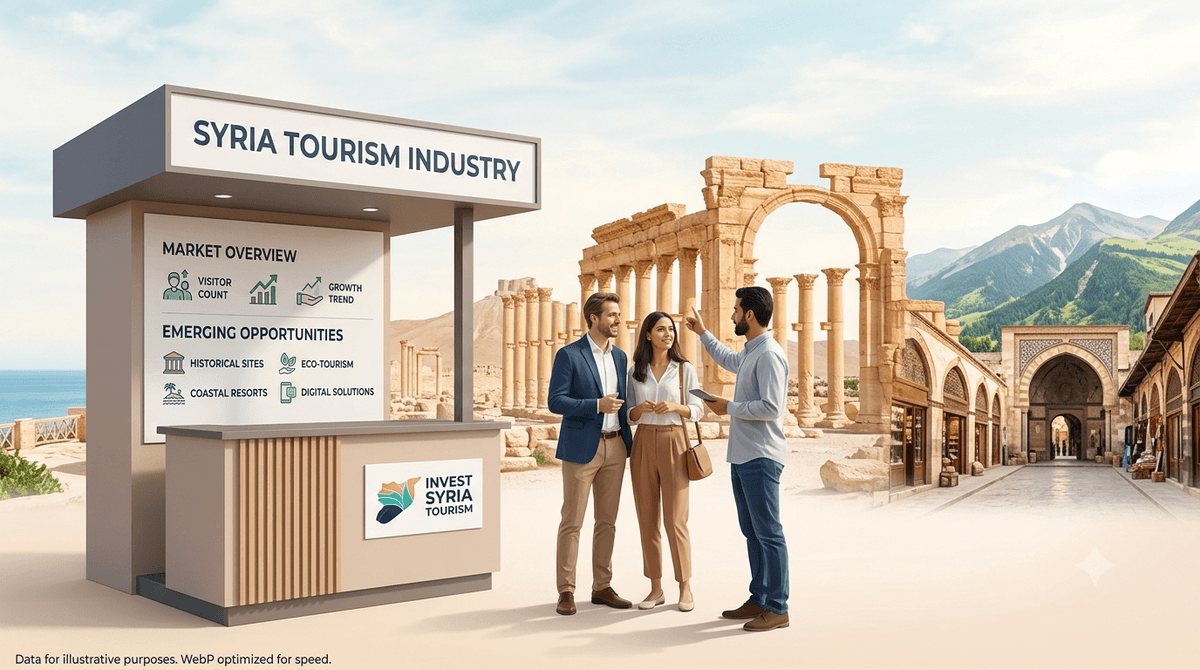
Syria Tourism Industry: Market Overview & Emerging Opportunities
Syria
New
Investment
Syria Investment Law: A Guide for International Investors
Syria
New
Investment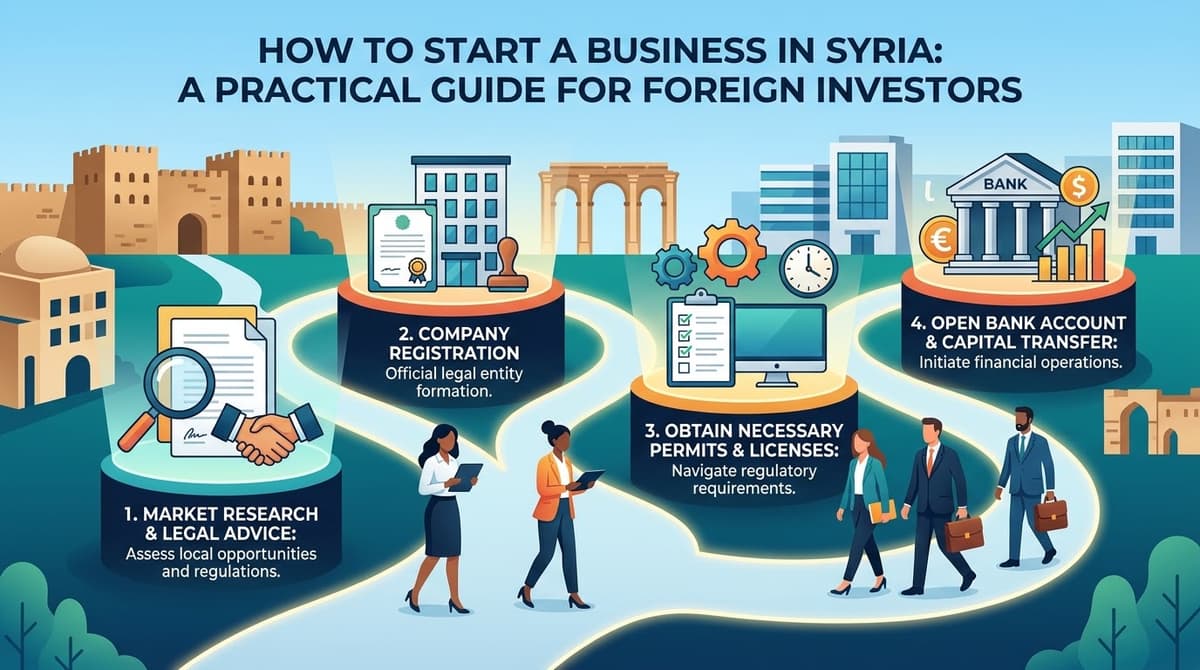
How to Start a Business in Syria: A Practical Guide for Foreign Investors
Syria
New
Investment
Syria Investment Opportunities: Tourism, Real Estate & Hospitality
Syria
New
Investment
Business Opportunities in Syria: Sectors to Watch
Syria
New
Investment