
Syria Travel Guide 2026: Everything You Need to Know Before You Go
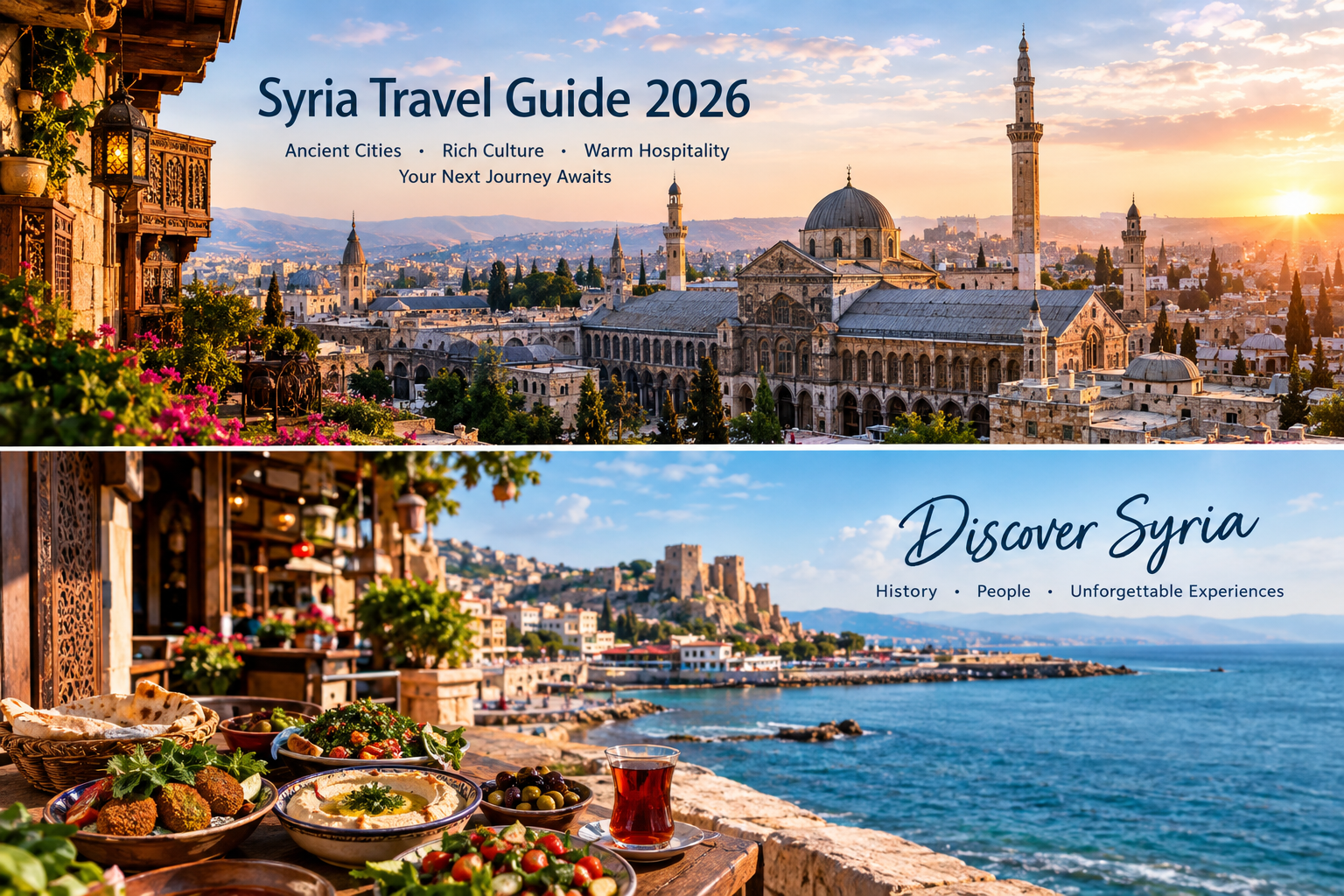
Explore Syria in 2026 through a comprehensive travel guide covering historic cities, cultural traditions, local cuisine, celebrations, photography locations, and practical travel tips. Discover the warmth of Syrian hospitality, the country's rich heritage, and its evolving tourism landscape as Syria welcomes visitors eager to experience its history, beauty, and everyday life.
Travel Guides
25
What to expect?
Discover Syria through its ancient cities, welcoming communities, extraordinary cuisine, colorful celebrations, and landscapes shaped by thousands of years of history. This complete Syria travel guide for 2026 introduces the places, experiences, and practical considerations that can help you plan a meaningful journey.
Introduction: Discovering a New Side of Syria
Syria is a country where history lives in the streets, the smell of freshly brewed coffee fills traditional courtyards, and a simple conversation can become one of the most memorable parts of a journey.
For travelers searching for a Syria travel guide 2026 ,Syria tourism 2026, or information about how to visit Syria, this country offers an experience that goes beyond famous monuments. From the historic streets of Damascus to the distinctive character of Aleppo, the Mediterranean atmosphere of Latakia and Tartous, and the cultural heritage of cities across the country, Syria presents a wide range of experiences for curious visitors.
Syria is also a place where hospitality remains an important part of everyday social life. Over the years, numerous foreign travelers have visited Syria, with some spending extended periods in the country and describing their experiences of Syrian generosity, friendships, and cultural discovery. These individual experiences illustrate why human connection is such an important part of travel.
In 2026, interest in Syria's tourism potential is connected not only to its historic attractions but also to its cultural life, local businesses, traditional food, and efforts to build a renewed identity beyond the years of conflict. The country's tourism story includes heritage preservation, community life, and the experiences of people who want to share Syria with the wider world.
1. Why Visit Syria in 2026?
Syria offers travelers the opportunity to explore ancient heritage, experience authentic local traditions, and discover a culture that has influenced the history of the Middle East for centuries.
For visitors interested in history, architecture, food, photography, and cultural experiences, Syria has many possible highlights. The country is not defined by a single attraction. Its character emerges through the combination of old neighborhoods, markets, religious architecture, local restaurants, natural scenery, and personal encounters.
A Country of Ancient Civilizations
Syria's geographical location has connected different civilizations, cultures, and trading routes throughout history. Roman, Byzantine, Islamic, and Ottoman influences can be seen in different places, alongside older archaeological remains.
Exploring Syria allows visitors to learn about the region's cultural development through historic buildings, museums, archaeological sites, and traditional urban environments.
Syrian Hospitality and Human Connection
One of the experiences frequently associated with Syrian travel is the warmth of personal interaction. Guests may be invited to share food, drink tea or coffee, and learn about family traditions.
For foreign visitors, these moments can become as meaningful as visiting a famous monument. Travel is not only about photographing a place; it is also about understanding the people who live there.
A Tourism Landscape in Transition
Syria's tourism sector has opportunities connected to heritage, hospitality, accommodation, transportation, local experiences, and cultural tourism. As communities and businesses work toward renewed activity, visitors may encounter a country whose tourism identity is evolving.
Travelers should distinguish between established tourist services and developing offerings, confirming practical arrangements before departure.
2. Best Places to Visit in Syria
Choosing where to go depends on your interests, available time, and the places accessible through your travel arrangements. Syria offers a variety of historic cities, coastal destinations, cultural sites, and scenic environments.
The following destinations provide a starting point for exploring the country. Opening hours, access, transportation, and site conditions should be confirmed locally before visiting.
Damascus : The Historic Heart of Syria
Damascus is one of the most important destinations for travelers interested in Syrian history and urban culture. Its old city combines traditional architecture, narrow lanes, markets, courtyards, and historic religious sites.
Visitors can explore the atmosphere of the Old City, discover traditional shops, enjoy Syrian cuisine, and spend time in cafés and restaurants.
Things to explore in Damascus:
- The Old City and its traditional streets.
- Souq al-Hamidiyah.
- The Umayyad Mosque , subject to visitor access and local arrangements.
- Traditional Damascene houses and courtyards.
- Local restaurants, cafés, and sweet shops.
- Mount Qasioun viewpoints, where access and conditions permit.
Damascus is particularly rewarding for travelers who enjoy slow exploration. Walking through its historic neighborhoods can reveal details that are easy to miss on a tightly scheduled tour.
Aleppo: Heritage, Markets, and Cultural Character
Aleppo has a distinctive place in Syria's history, with its citadel, traditional market heritage, and long-standing commercial identity.
The city offers opportunities to learn about traditional crafts, local cuisine, architecture, and the history of trade in the region. Its heritage is also connected to ongoing restoration and preservation efforts, making it important to check which areas and attractions are open to visitors.
Potential Aleppo experiences include:
- Exploring the area around the Citadel.
- Discovering traditional foods associated with Aleppine cuisine.
- Learning about soap-making and local crafts.
- Visiting accessible historic neighborhoods and cultural spaces.
- Experiencing the city's cafés and everyday atmosphere.
Aleppo is especially interesting for visitors who want to explore Syria through its food, heritage, and cultural traditions.
Palmyra : Archaeological Heritage
Palmyra is internationally known for its ancient archaeological heritage and its role in the history of the Syrian desert.
The site represents an important part of Syria's cultural and archaeological identity. Anyone considering a visit should confirm current access, local arrangements, preservation restrictions, and whether guided visits are available.
Why Palmyra matters to travelers:
- Ancient architecture and archaeological history.
- Understanding Palmyra's role in regional trade.
- Photography of historic landscapes, where permitted.
- Learning about cultural heritage preservation.
Palmyra is a destination for travelers who appreciate the connection between ancient civilizations and the landscapes in which they developed.
Latakia and Tartous: Syria's Mediterranean Coast
Syria's Mediterranean coast offers a different travel atmosphere, with seaside landscapes, coastal communities, restaurants, and access to nearby natural areas.
Latakia and Tartous can appeal to travelers looking for a combination of coastal scenery, local food, and a more relaxed seaside experience.
Possible coastal experiences:
- Enjoying Mediterranean views.
- Exploring local seafood restaurants.
- Visiting coastal markets and cafés.
- Photographing the sea during sunrise or sunset.
- Discovering nearby destinations through local transport or organized tours.
The best coastal itinerary depends on the season, weather, and the accessibility of individual attractions.
Hama: Waterwheels and Traditional Identity
Hama is known for its historic wooden waterwheels, or norias, which have become an important symbol of the city.
The waterwheels, along with the Orontes River and surrounding urban environment, offer opportunities for photography and cultural exploration.
Visitors interested in Hama can explore its architectural character, local cuisine, and connections to Syrian history while confirming the availability of individual sites.
Maaloula: Language, Heritage, and Mountain Scenery
Maaloula is a mountain town known for its religious heritage, distinctive architecture, and historical connection to Aramaic linguistic traditions.
It can be of particular interest to travelers exploring the religious and cultural diversity of Syria. Visits should be planned around local access arrangements and the operating status of specific religious and heritage sites.
3. Best Time to Visit Syria in 2026
The best time to visit Syria depends on the destination and the type of experience you want. Spring and autumn are often attractive periods for exploring historic cities and outdoor destinations because temperatures can be more comfortable than during the hottest summer months.
Spring: A Season for Exploration
Spring can be a pleasant period for walking tours, photography, and exploring cultural destinations. Depending on the region and weather, travelers may enjoy milder temperatures and landscapes with seasonal greenery.
Spring is worth considering for:
- Historic city tours.
- Outdoor photography.
- Exploring rural landscapes.
- Cultural and culinary experiences.
Summer: The Mediterranean Coast
Summer can be appealing for travelers interested in the coast, although temperatures may be high in inland cities.
Coastal destinations such as Latakia and Tartous may be considered for seaside activities, local food, and evening walks. Travelers should plan outdoor activities around the day's weather.
Autumn: Culture and City Walks
Autumn can offer opportunities for city exploration, photography, and cultural visits. Travelers interested in markets, historic architecture, and food experiences may appreciate the seasonal atmosphere.
Winter: A Different Perspective
Winter conditions vary across Syria. Coastal areas, inland cities, and mountain regions can experience different weather patterns. Visitors should consider seasonal temperatures, rainfall, transportation, and accommodation when preparing an itinerary.
Travel tip: Check the latest local weather forecasts and confirm opening hours and access arrangements before visiting attractions.
4. Syrian Culture: The Heart of the Travel Experience
A journey through Syria becomes more meaningful when travelers take time to understand the culture, traditions, and social customs of the communities they visit.
Syrian culture is expressed through food, family gatherings, hospitality, music, architecture, religious traditions, and local celebrations.
Traditional Syrian Hospitality
Guests are often welcomed through shared meals, coffee, tea, and conversation. Hospitality can differ between families and regions, but offering visitors something to eat or drink is a familiar part of many Syrian social settings.
Travelers can show appreciation by being respectful, asking permission before photographing people, and taking an interest in local customs.
Traditional Markets and Craftsmanship
Syrian markets provide an opportunity to discover locally produced goods, traditional crafts, spices, sweets, and everyday products.
In historic commercial districts, the shopping experience may involve more than purchasing an item. Visitors can learn about production methods, family businesses, and the cultural importance of particular crafts.
Religious and Cultural Diversity
Syria has a diverse cultural and religious heritage. Historic mosques, churches, monasteries, and other religious sites form part of the country's identity.
When visiting religious places, travelers should observe local etiquette, follow any dress requirements, and respect worshippers and site-specific rules.
5. Syrian Food: What You Should Try
Syrian cuisine is one of the most enjoyable ways to explore the country's regional traditions, with dishes that reflect local ingredients, family recipes, and centuries of culinary exchange.
Food is an important part of daily life, and different cities have their own specialties and variations.
Must-Try Syrian Dishes
Kibbeh: A traditional dish prepared in different forms, with variations in ingredients, fillings, and preparation methods.
Fatteh: A dish with regional variations that often combines bread, chickpeas, yogurt, and other ingredients.
Hummus: A widely enjoyed chickpea-based dish, commonly served as part of a meal or mezze spread.
Muhammara: A dip associated particularly with Aleppine cuisine, commonly made with red peppers, walnuts, and other ingredients.
Shawarma : A popular street-food option found in many Syrian cities, with preparation and serving styles varying by establishment.
Baklava and Syrian sweets: Traditional sweet shops offer a range of pastries and desserts, including varieties made with nuts, syrup, and delicate pastry.
A Food Experience Worth Making Time For
Rather than rushing through meals, travelers can set aside time to explore local restaurants, bakeries, cafés, and traditional sweet shops.
Trying regional dishes and speaking with restaurant owners or local residents can provide a more personal understanding of Syrian culinary culture.
6. Things to Do in Syria in 2026
Syria offers experiences for travelers who enjoy history, photography, food, cultural exploration, and discovering local communities.
The best itinerary is often one that combines major attractions with time to explore at a slower pace.
Explore Historic Neighborhoods
Walking through traditional neighborhoods allows visitors to appreciate architecture, markets, courtyards, and the rhythm of everyday life.
Consider spending time observing details such as carved doors, stone walls, traditional shopfronts, and the relationship between historic buildings and modern life.
Visit Traditional Cafés
Cafés can be an ideal place to pause during a travel day. Depending on the city, visitors may find traditional coffee, tea, sweets, and opportunities for conversation.
Discover Local Markets
Markets offer a way to experience local commerce and craftsmanship. Travelers can look for regional foods, handmade goods, spices, textiles, and souvenirs.
Ask about prices, payment options, and shipping arrangements where relevant.
Explore Syrian Celebrations
Celebrations and festivals can provide opportunities to discover Syrian music, food, community traditions, and local cultural expression.
The dates and scale of events vary, so visitors should check local announcements and event organizers for confirmed schedules.
Experience the Coast
For travelers interested in coastal scenery, Syria's Mediterranean region offers opportunities to enjoy sea views, local restaurants, and photography.
Individual activities and access to beaches or attractions should be confirmed locally.
7. The Best Places for Photography in Syria
Syria offers a diverse range of photography subjects, from ancient architecture and traditional markets to coastal landscapes and historic neighborhoods.
Photography enthusiasts can plan their journey around light, location, season, and local access.
Damascus: Architecture and Street Photography
The Old City of Damascus provides opportunities to photograph traditional architecture, market details, doors, courtyards, and historic streets.
Best time: Early morning for softer light and quieter streets, or late afternoon for warm architectural tones.
Aleppo: Historic Structures and Cultural Details
Aleppo's heritage architecture and traditional commercial identity offer subjects for architectural and documentary-style photography.
Best time: Morning or late afternoon, subject to site access and local conditions.
Hama: The Historic Waterwheels
Hama's norias offer distinctive photography opportunities, particularly for travelers interested in architecture and historic engineering.
Best time: During daylight hours, depending on weather and access.
Mediterranean Coast: Sunrise and Sunset
The coastal region can be appealing for landscape photography, with the sea, shoreline, and changing light providing different visual perspectives.
Best time: Sunrise and sunset, with the exact timing depending on the season and location.
Photography Etiquette
Always ask permission before photographing people, especially children, private homes, and sensitive locations. Follow any restrictions at religious, archaeological, or government-related sites.
8. Practical Syria Travel Tips for 2026
Good preparation can help you enjoy your trip more comfortably and make it easier to focus on the cultural experiences you came to discover.
Travel arrangements, documentation, transportation, and payment options should be confirmed before departure and again before traveling between destinations.
Entry Requirements and Travel Documents
Check the applicable visa and entry requirements with the relevant Syrian authorities or official diplomatic representatives before booking your trip.
Requirements can vary according to nationality, purpose of travel, and the entry route.
Prepare:
- A valid passport.
- Any required visa or authorization.
- Copies of important travel documents.
- Confirmed accommodation details where needed.
- Contact information for your travel provider.
Currency and Payments
The Syrian pound is the local currency. Payment methods, exchange availability, and acceptance of foreign currency can vary between businesses and locations.
Travelers should confirm current exchange arrangements, carry appropriate payment options, and clarify prices before making purchases.
Transportation in Syria
Transportation options may include taxis, private drivers, intercity services, and organized tours, depending on the destination.
If you plan to travel between several cities, discuss the route, journey times, costs, and stops with your transportation provider in advance.
Accommodation
Syria offers different types of accommodation, depending on the destination and availability. These may include hotels, guesthouses, and other lodging options.
When selecting accommodation, consider:
- Location and access to attractions.
- Check-in and check-out arrangements.
- Available services and facilities.
- Booking confirmation and cancellation conditions.
- Payment arrangements.
A reliable booking process can make travel planning easier, especially for visitors arranging accommodation from abroad.
9. How Long Should You Stay in Syria?
The ideal length of a Syria trip depends on the number of destinations you want to explore and how much time you wish to spend experiencing local culture.
There is no single itinerary that suits every traveler. Some visitors prefer a short city break, while others want a longer journey that includes several regions.
Short Trip: 3 to 4 Days
A short trip could focus on one primary destination, such as Damascus, with time for historic neighborhoods, food, and cultural experiences.
This approach is suitable for travelers who want to explore one city without creating a demanding schedule.
One Week in Syria
A week can allow for a broader itinerary, potentially combining Damascus with another destination, depending on travel arrangements and access.
Plan realistic travel times and leave space for unexpected discoveries.
Longer Stay: Two Weeks or More
A longer stay may allow travelers to explore additional cities, spend more time with local communities, and experience a slower pace.
Many foreign visitors who have spent extended periods in Syria have shared experiences centered on hospitality, friendships, and everyday cultural life. Longer stays can provide more opportunities for this type of personal interaction.
Travel planning tip: Avoid adding too many destinations simply to complete a checklist. Allow time to appreciate each place.
10. Syria's Celebrations, Events, and Community Life
Celebrations are an important part of cultural identity, and Syria's social life includes religious occasions, family gatherings, traditional customs, and local events.
The character of celebrations varies between communities and regions. Depending on the time of year, travelers may encounter different food traditions, decorations, music, and forms of community participation.
Religious and Seasonal Celebrations
Religious holidays, including Eid celebrations and Christian festivals, may be observed in different communities throughout Syria. The experience varies according to local traditions and the specific occasion.
Visitors should respect local customs and confirm event dates before planning their itinerary around a celebration.
Local Cultural Events
Cultural programming may include exhibitions, music, traditional crafts, and community activities. Availability differs by city and season.
Check with local cultural institutions, event organizers, and tourism providers for current schedules.
Enjoying Syrian Social Life
Some of the most memorable travel experiences may come from everyday activities: sharing a meal, visiting a café, browsing a market, or talking with local residents.
A positive travel experience is often built through curiosity, patience, and mutual respect.
11. Sustainable and Responsible Tourism in Syria
Responsible tourism can help visitors engage respectfully with local communities, cultural heritage, and small businesses.
Travelers can make thoughtful choices when visiting historic neighborhoods, archaeological locations, and traditional communities.
Support Local Businesses
Where practical, consider spending money with local restaurants, independent shops, guides, and craft producers.
Purchasing locally made products can provide a direct connection to the region's traditions and economic activity.
Respect Cultural Heritage
Do not touch, remove, or damage archaeological materials. Follow site instructions and respect restrictions on photography and access.
Be Considerate of Local Communities
Ask permission before photographing people or private spaces. Dress appropriately for the location and observe local customs.
Reduce Travel Waste
Use reusable water bottles where suitable, dispose of waste responsibly, and avoid damaging natural or historic environments.
Small actions can contribute to a more respectful visitor experience.
12. Planning Your Syria Trip Through Yalla-Syria
Yalla-Syria aims to help travelers discover Syria through tourism information, destinations, cultural experiences, and travel-related services.
A useful travel website should make it easier for visitors to research places, compare options, and organize the practical details of their journey.
As hotel booking and car rental services become available through the platform, travelers may have additional ways to organize accommodation and transportation in connection with their trip.
Before making a booking, users should review the available service details, pricing, cancellation terms, and provider information.
What Travelers Can Explore on Yalla-Syria
- Syria travel guides and destination information.
- Historic cities and cultural attractions.
- Local food and tourism experiences.
- Photography inspiration.
- Accommodation and transportation options as available.
- Articles about Syrian heritage and everyday life.
The goal is to connect people with Syria's destinations and tourism opportunities through accessible, informative content.
13. Frequently Asked Questions About Traveling to Syria in 2026
What is Syria known for?
Syria is known for its ancient archaeological heritage, historic cities, traditional cuisine, cultural diversity, and long-standing hospitality traditions.
Which cities should I include in a Syria travel itinerary?
Damascus, Aleppo, Hama, Latakia, Tartous, and other destinations may be considered depending on your interests, available time, and current travel arrangements.
What food should I try in Syria?
Consider exploring Syrian mezze, kibbeh, hummus, regional specialties, shawarma, and traditional sweets. Dishes and preparation styles vary between cities.
Is Syria suitable for photography tourism?
Syria offers architectural, cultural, archaeological, and coastal photography subjects. Visitors should confirm access and follow local photography rules.
How can I plan accommodation in Syria?
Research accommodation in your destination, compare available services, and confirm booking details directly with the provider or through an established booking service.
How long should I spend in Syria?
The length of your stay depends on your itinerary. A short trip may focus on one city, while a longer stay allows more time for cultural experiences and visiting multiple destinations.
Can foreign travelers experience Syrian hospitality?
Many foreign travelers have described experiences of Syrian hospitality, including sharing meals, meeting local people, and forming personal connections. Experiences vary from person to person.
Conclusion: Discover Syria Beyond the Map
Syria Travel Guide 2026 is an invitation to explore a country through its history, people, food, architecture, celebrations, and landscapes.
From the traditional streets of Damascus to the cultural heritage of Aleppo, the waterwheels of Hama, and the Mediterranean atmosphere of the coast, Syria offers many different ways to experience its identity.
The country's tourism story is connected to its heritage and its ongoing efforts to develop new opportunities for visitors, businesses, and communities. As travelers explore Syria, they can discover not only historic landmarks but also the everyday experiences that make each destination distinctive.
For those interested in exploring Syria, the most meaningful journey may be one that combines curiosity with respect, allowing time to appreciate the places visited and the people encountered along the way.
Discover Syria. Explore its culture. Experience its hospitality. Find your next journey with yalla-syria.com.

Introduction: Discovering a New Side of Syria
Syria is a country where history lives in the streets, the smell of freshly brewed coffee fills traditional courtyards, and a simple conversation can become one of the most memorable parts of a journey.
For travelers searching for a Syria travel guide 2026 ,Syria tourism 2026, or information about how to visit Syria, this country offers an experience that goes beyond famous monuments. From the historic streets of Damascus to the distinctive character of Aleppo, the Mediterranean atmosphere of Latakia and Tartous, and the cultural heritage of cities across the country, Syria presents a wide range of experiences for curious visitors.
Syria is also a place where hospitality remains an important part of everyday social life. Over the years, numerous foreign travelers have visited Syria, with some spending extended periods in the country and describing their experiences of Syrian generosity, friendships, and cultural discovery. These individual experiences illustrate why human connection is such an important part of travel.
In 2026, interest in Syria's tourism potential is connected not only to its historic attractions but also to its cultural life, local businesses, traditional food, and efforts to build a renewed identity beyond the years of conflict. The country's tourism story includes heritage preservation, community life, and the experiences of people who want to share Syria with the wider world.
1. Why Visit Syria in 2026?
Syria offers travelers the opportunity to explore ancient heritage, experience authentic local traditions, and discover a culture that has influenced the history of the Middle East for centuries.
For visitors interested in history, architecture, food, photography, and cultural experiences, Syria has many possible highlights. The country is not defined by a single attraction. Its character emerges through the combination of old neighborhoods, markets, religious architecture, local restaurants, natural scenery, and personal encounters.
A Country of Ancient Civilizations
Syria's geographical location has connected different civilizations, cultures, and trading routes throughout history. Roman, Byzantine, Islamic, and Ottoman influences can be seen in different places, alongside older archaeological remains.
Exploring Syria allows visitors to learn about the region's cultural development through historic buildings, museums, archaeological sites, and traditional urban environments.
Syrian Hospitality and Human Connection
One of the experiences frequently associated with Syrian travel is the warmth of personal interaction. Guests may be invited to share food, drink tea or coffee, and learn about family traditions.
For foreign visitors, these moments can become as meaningful as visiting a famous monument. Travel is not only about photographing a place; it is also about understanding the people who live there.
A Tourism Landscape in Transition
Syria's tourism sector has opportunities connected to heritage, hospitality, accommodation, transportation, local experiences, and cultural tourism. As communities and businesses work toward renewed activity, visitors may encounter a country whose tourism identity is evolving.
Travelers should distinguish between established tourist services and developing offerings, confirming practical arrangements before departure.
2. Best Places to Visit in Syria
Choosing where to go depends on your interests, available time, and the places accessible through your travel arrangements. Syria offers a variety of historic cities, coastal destinations, cultural sites, and scenic environments.
The following destinations provide a starting point for exploring the country. Opening hours, access, transportation, and site conditions should be confirmed locally before visiting.
Damascus : The Historic Heart of Syria
Damascus is one of the most important destinations for travelers interested in Syrian history and urban culture. Its old city combines traditional architecture, narrow lanes, markets, courtyards, and historic religious sites.
Visitors can explore the atmosphere of the Old City, discover traditional shops, enjoy Syrian cuisine, and spend time in cafés and restaurants.
Things to explore in Damascus:
- The Old City and its traditional streets.
- Souq al-Hamidiyah.
- The Umayyad Mosque , subject to visitor access and local arrangements.
- Traditional Damascene houses and courtyards.
- Local restaurants, cafés, and sweet shops.
- Mount Qasioun viewpoints, where access and conditions permit.
Damascus is particularly rewarding for travelers who enjoy slow exploration. Walking through its historic neighborhoods can reveal details that are easy to miss on a tightly scheduled tour.
Aleppo: Heritage, Markets, and Cultural Character
Aleppo has a distinctive place in Syria's history, with its citadel, traditional market heritage, and long-standing commercial identity.
The city offers opportunities to learn about traditional crafts, local cuisine, architecture, and the history of trade in the region. Its heritage is also connected to ongoing restoration and preservation efforts, making it important to check which areas and attractions are open to visitors.
Potential Aleppo experiences include:
- Exploring the area around the Citadel.
- Discovering traditional foods associated with Aleppine cuisine.
- Learning about soap-making and local crafts.
- Visiting accessible historic neighborhoods and cultural spaces.
- Experiencing the city's cafés and everyday atmosphere.
Aleppo is especially interesting for visitors who want to explore Syria through its food, heritage, and cultural traditions.
Palmyra : Archaeological Heritage
Palmyra is internationally known for its ancient archaeological heritage and its role in the history of the Syrian desert.
The site represents an important part of Syria's cultural and archaeological identity. Anyone considering a visit should confirm current access, local arrangements, preservation restrictions, and whether guided visits are available.
Why Palmyra matters to travelers:
- Ancient architecture and archaeological history.
- Understanding Palmyra's role in regional trade.
- Photography of historic landscapes, where permitted.
- Learning about cultural heritage preservation.
Palmyra is a destination for travelers who appreciate the connection between ancient civilizations and the landscapes in which they developed.
Latakia and Tartous: Syria's Mediterranean Coast
Syria's Mediterranean coast offers a different travel atmosphere, with seaside landscapes, coastal communities, restaurants, and access to nearby natural areas.
Latakia and Tartous can appeal to travelers looking for a combination of coastal scenery, local food, and a more relaxed seaside experience.
Possible coastal experiences:
- Enjoying Mediterranean views.
- Exploring local seafood restaurants.
- Visiting coastal markets and cafés.
- Photographing the sea during sunrise or sunset.
- Discovering nearby destinations through local transport or organized tours.
The best coastal itinerary depends on the season, weather, and the accessibility of individual attractions.
Hama: Waterwheels and Traditional Identity
Hama is known for its historic wooden waterwheels, or norias, which have become an important symbol of the city.
The waterwheels, along with the Orontes River and surrounding urban environment, offer opportunities for photography and cultural exploration.
Visitors interested in Hama can explore its architectural character, local cuisine, and connections to Syrian history while confirming the availability of individual sites.
Maaloula: Language, Heritage, and Mountain Scenery
Maaloula is a mountain town known for its religious heritage, distinctive architecture, and historical connection to Aramaic linguistic traditions.
It can be of particular interest to travelers exploring the religious and cultural diversity of Syria. Visits should be planned around local access arrangements and the operating status of specific religious and heritage sites.
3. Best Time to Visit Syria in 2026
The best time to visit Syria depends on the destination and the type of experience you want. Spring and autumn are often attractive periods for exploring historic cities and outdoor destinations because temperatures can be more comfortable than during the hottest summer months.
Spring: A Season for Exploration
Spring can be a pleasant period for walking tours, photography, and exploring cultural destinations. Depending on the region and weather, travelers may enjoy milder temperatures and landscapes with seasonal greenery.
Spring is worth considering for:
- Historic city tours.
- Outdoor photography.
- Exploring rural landscapes.
- Cultural and culinary experiences.
Summer: The Mediterranean Coast
Summer can be appealing for travelers interested in the coast, although temperatures may be high in inland cities.
Coastal destinations such as Latakia and Tartous may be considered for seaside activities, local food, and evening walks. Travelers should plan outdoor activities around the day's weather.
Autumn: Culture and City Walks
Autumn can offer opportunities for city exploration, photography, and cultural visits. Travelers interested in markets, historic architecture, and food experiences may appreciate the seasonal atmosphere.
Winter: A Different Perspective
Winter conditions vary across Syria. Coastal areas, inland cities, and mountain regions can experience different weather patterns. Visitors should consider seasonal temperatures, rainfall, transportation, and accommodation when preparing an itinerary.
Travel tip: Check the latest local weather forecasts and confirm opening hours and access arrangements before visiting attractions.
4. Syrian Culture: The Heart of the Travel Experience
A journey through Syria becomes more meaningful when travelers take time to understand the culture, traditions, and social customs of the communities they visit.
Syrian culture is expressed through food, family gatherings, hospitality, music, architecture, religious traditions, and local celebrations.
Traditional Syrian Hospitality
Guests are often welcomed through shared meals, coffee, tea, and conversation. Hospitality can differ between families and regions, but offering visitors something to eat or drink is a familiar part of many Syrian social settings.
Travelers can show appreciation by being respectful, asking permission before photographing people, and taking an interest in local customs.
Traditional Markets and Craftsmanship
Syrian markets provide an opportunity to discover locally produced goods, traditional crafts, spices, sweets, and everyday products.
In historic commercial districts, the shopping experience may involve more than purchasing an item. Visitors can learn about production methods, family businesses, and the cultural importance of particular crafts.
Religious and Cultural Diversity
Syria has a diverse cultural and religious heritage. Historic mosques, churches, monasteries, and other religious sites form part of the country's identity.
When visiting religious places, travelers should observe local etiquette, follow any dress requirements, and respect worshippers and site-specific rules.
5. Syrian Food: What You Should Try
Syrian cuisine is one of the most enjoyable ways to explore the country's regional traditions, with dishes that reflect local ingredients, family recipes, and centuries of culinary exchange.
Food is an important part of daily life, and different cities have their own specialties and variations.
Must-Try Syrian Dishes
Kibbeh: A traditional dish prepared in different forms, with variations in ingredients, fillings, and preparation methods.
Fatteh: A dish with regional variations that often combines bread, chickpeas, yogurt, and other ingredients.
Hummus: A widely enjoyed chickpea-based dish, commonly served as part of a meal or mezze spread.
Muhammara: A dip associated particularly with Aleppine cuisine, commonly made with red peppers, walnuts, and other ingredients.
Shawarma : A popular street-food option found in many Syrian cities, with preparation and serving styles varying by establishment.
Baklava and Syrian sweets: Traditional sweet shops offer a range of pastries and desserts, including varieties made with nuts, syrup, and delicate pastry.
A Food Experience Worth Making Time For
Rather than rushing through meals, travelers can set aside time to explore local restaurants, bakeries, cafés, and traditional sweet shops.
Trying regional dishes and speaking with restaurant owners or local residents can provide a more personal understanding of Syrian culinary culture.
6. Things to Do in Syria in 2026
Syria offers experiences for travelers who enjoy history, photography, food, cultural exploration, and discovering local communities.
The best itinerary is often one that combines major attractions with time to explore at a slower pace.
Explore Historic Neighborhoods
Walking through traditional neighborhoods allows visitors to appreciate architecture, markets, courtyards, and the rhythm of everyday life.
Consider spending time observing details such as carved doors, stone walls, traditional shopfronts, and the relationship between historic buildings and modern life.
Visit Traditional Cafés
Cafés can be an ideal place to pause during a travel day. Depending on the city, visitors may find traditional coffee, tea, sweets, and opportunities for conversation.
Discover Local Markets
Markets offer a way to experience local commerce and craftsmanship. Travelers can look for regional foods, handmade goods, spices, textiles, and souvenirs.
Ask about prices, payment options, and shipping arrangements where relevant.
Explore Syrian Celebrations
Celebrations and festivals can provide opportunities to discover Syrian music, food, community traditions, and local cultural expression.
The dates and scale of events vary, so visitors should check local announcements and event organizers for confirmed schedules.
Experience the Coast
For travelers interested in coastal scenery, Syria's Mediterranean region offers opportunities to enjoy sea views, local restaurants, and photography.
Individual activities and access to beaches or attractions should be confirmed locally.
7. The Best Places for Photography in Syria
Syria offers a diverse range of photography subjects, from ancient architecture and traditional markets to coastal landscapes and historic neighborhoods.
Photography enthusiasts can plan their journey around light, location, season, and local access.
Damascus: Architecture and Street Photography
The Old City of Damascus provides opportunities to photograph traditional architecture, market details, doors, courtyards, and historic streets.
Best time: Early morning for softer light and quieter streets, or late afternoon for warm architectural tones.
Aleppo: Historic Structures and Cultural Details
Aleppo's heritage architecture and traditional commercial identity offer subjects for architectural and documentary-style photography.
Best time: Morning or late afternoon, subject to site access and local conditions.
Hama: The Historic Waterwheels
Hama's norias offer distinctive photography opportunities, particularly for travelers interested in architecture and historic engineering.
Best time: During daylight hours, depending on weather and access.
Mediterranean Coast: Sunrise and Sunset
The coastal region can be appealing for landscape photography, with the sea, shoreline, and changing light providing different visual perspectives.
Best time: Sunrise and sunset, with the exact timing depending on the season and location.
Photography Etiquette
Always ask permission before photographing people, especially children, private homes, and sensitive locations. Follow any restrictions at religious, archaeological, or government-related sites.
8. Practical Syria Travel Tips for 2026
Good preparation can help you enjoy your trip more comfortably and make it easier to focus on the cultural experiences you came to discover.
Travel arrangements, documentation, transportation, and payment options should be confirmed before departure and again before traveling between destinations.
Entry Requirements and Travel Documents
Check the applicable visa and entry requirements with the relevant Syrian authorities or official diplomatic representatives before booking your trip.
Requirements can vary according to nationality, purpose of travel, and the entry route.
Prepare:
- A valid passport.
- Any required visa or authorization.
- Copies of important travel documents.
- Confirmed accommodation details where needed.
- Contact information for your travel provider.
Currency and Payments
The Syrian pound is the local currency. Payment methods, exchange availability, and acceptance of foreign currency can vary between businesses and locations.
Travelers should confirm current exchange arrangements, carry appropriate payment options, and clarify prices before making purchases.
Transportation in Syria
Transportation options may include taxis, private drivers, intercity services, and organized tours, depending on the destination.
If you plan to travel between several cities, discuss the route, journey times, costs, and stops with your transportation provider in advance.
Accommodation
Syria offers different types of accommodation, depending on the destination and availability. These may include hotels, guesthouses, and other lodging options.
When selecting accommodation, consider:
- Location and access to attractions.
- Check-in and check-out arrangements.
- Available services and facilities.
- Booking confirmation and cancellation conditions.
- Payment arrangements.
A reliable booking process can make travel planning easier, especially for visitors arranging accommodation from abroad.
9. How Long Should You Stay in Syria?
The ideal length of a Syria trip depends on the number of destinations you want to explore and how much time you wish to spend experiencing local culture.
There is no single itinerary that suits every traveler. Some visitors prefer a short city break, while others want a longer journey that includes several regions.
Short Trip: 3 to 4 Days
A short trip could focus on one primary destination, such as Damascus, with time for historic neighborhoods, food, and cultural experiences.
This approach is suitable for travelers who want to explore one city without creating a demanding schedule.
One Week in Syria
A week can allow for a broader itinerary, potentially combining Damascus with another destination, depending on travel arrangements and access.
Plan realistic travel times and leave space for unexpected discoveries.
Longer Stay: Two Weeks or More
A longer stay may allow travelers to explore additional cities, spend more time with local communities, and experience a slower pace.
Many foreign visitors who have spent extended periods in Syria have shared experiences centered on hospitality, friendships, and everyday cultural life. Longer stays can provide more opportunities for this type of personal interaction.
Travel planning tip: Avoid adding too many destinations simply to complete a checklist. Allow time to appreciate each place.
10. Syria's Celebrations, Events, and Community Life
Celebrations are an important part of cultural identity, and Syria's social life includes religious occasions, family gatherings, traditional customs, and local events.
The character of celebrations varies between communities and regions. Depending on the time of year, travelers may encounter different food traditions, decorations, music, and forms of community participation.
Religious and Seasonal Celebrations
Religious holidays, including Eid celebrations and Christian festivals, may be observed in different communities throughout Syria. The experience varies according to local traditions and the specific occasion.
Visitors should respect local customs and confirm event dates before planning their itinerary around a celebration.
Local Cultural Events
Cultural programming may include exhibitions, music, traditional crafts, and community activities. Availability differs by city and season.
Check with local cultural institutions, event organizers, and tourism providers for current schedules.
Enjoying Syrian Social Life
Some of the most memorable travel experiences may come from everyday activities: sharing a meal, visiting a café, browsing a market, or talking with local residents.
A positive travel experience is often built through curiosity, patience, and mutual respect.
11. Sustainable and Responsible Tourism in Syria
Responsible tourism can help visitors engage respectfully with local communities, cultural heritage, and small businesses.
Travelers can make thoughtful choices when visiting historic neighborhoods, archaeological locations, and traditional communities.
Support Local Businesses
Where practical, consider spending money with local restaurants, independent shops, guides, and craft producers.
Purchasing locally made products can provide a direct connection to the region's traditions and economic activity.
Respect Cultural Heritage
Do not touch, remove, or damage archaeological materials. Follow site instructions and respect restrictions on photography and access.
Be Considerate of Local Communities
Ask permission before photographing people or private spaces. Dress appropriately for the location and observe local customs.
Reduce Travel Waste
Use reusable water bottles where suitable, dispose of waste responsibly, and avoid damaging natural or historic environments.
Small actions can contribute to a more respectful visitor experience.
12. Planning Your Syria Trip Through Yalla-Syria
Yalla-Syria aims to help travelers discover Syria through tourism information, destinations, cultural experiences, and travel-related services.
A useful travel website should make it easier for visitors to research places, compare options, and organize the practical details of their journey.
As hotel booking and car rental services become available through the platform, travelers may have additional ways to organize accommodation and transportation in connection with their trip.
Before making a booking, users should review the available service details, pricing, cancellation terms, and provider information.
What Travelers Can Explore on Yalla-Syria
- Syria travel guides and destination information.
- Historic cities and cultural attractions.
- Local food and tourism experiences.
- Photography inspiration.
- Accommodation and transportation options as available.
- Articles about Syrian heritage and everyday life.
The goal is to connect people with Syria's destinations and tourism opportunities through accessible, informative content.
13. Frequently Asked Questions About Traveling to Syria in 2026
What is Syria known for?
Syria is known for its ancient archaeological heritage, historic cities, traditional cuisine, cultural diversity, and long-standing hospitality traditions.
Which cities should I include in a Syria travel itinerary?
Damascus, Aleppo, Hama, Latakia, Tartous, and other destinations may be considered depending on your interests, available time, and current travel arrangements.
What food should I try in Syria?
Consider exploring Syrian mezze, kibbeh, hummus, regional specialties, shawarma, and traditional sweets. Dishes and preparation styles vary between cities.
Is Syria suitable for photography tourism?
Syria offers architectural, cultural, archaeological, and coastal photography subjects. Visitors should confirm access and follow local photography rules.
How can I plan accommodation in Syria?
Research accommodation in your destination, compare available services, and confirm booking details directly with the provider or through an established booking service.
How long should I spend in Syria?
The length of your stay depends on your itinerary. A short trip may focus on one city, while a longer stay allows more time for cultural experiences and visiting multiple destinations.
Can foreign travelers experience Syrian hospitality?
Many foreign travelers have described experiences of Syrian hospitality, including sharing meals, meeting local people, and forming personal connections. Experiences vary from person to person.
Conclusion: Discover Syria Beyond the Map
Syria Travel Guide 2026 is an invitation to explore a country through its history, people, food, architecture, celebrations, and landscapes.
From the traditional streets of Damascus to the cultural heritage of Aleppo, the waterwheels of Hama, and the Mediterranean atmosphere of the coast, Syria offers many different ways to experience its identity.
The country's tourism story is connected to its heritage and its ongoing efforts to develop new opportunities for visitors, businesses, and communities. As travelers explore Syria, they can discover not only historic landmarks but also the everyday experiences that make each destination distinctive.
For those interested in exploring Syria, the most meaningful journey may be one that combines curiosity with respect, allowing time to appreciate the places visited and the people encountered along the way.
Discover Syria. Explore its culture. Experience its hospitality. Find your next journey with yalla-syria.com.
Reviews & Ratings
0.0
★★★★★
0 reviews
💬
No reviews yet. Be the first to review!
Contact & Location
Activity
25
Views
0
Likes
📍 Location
Location not specified
More Travel Guides Places
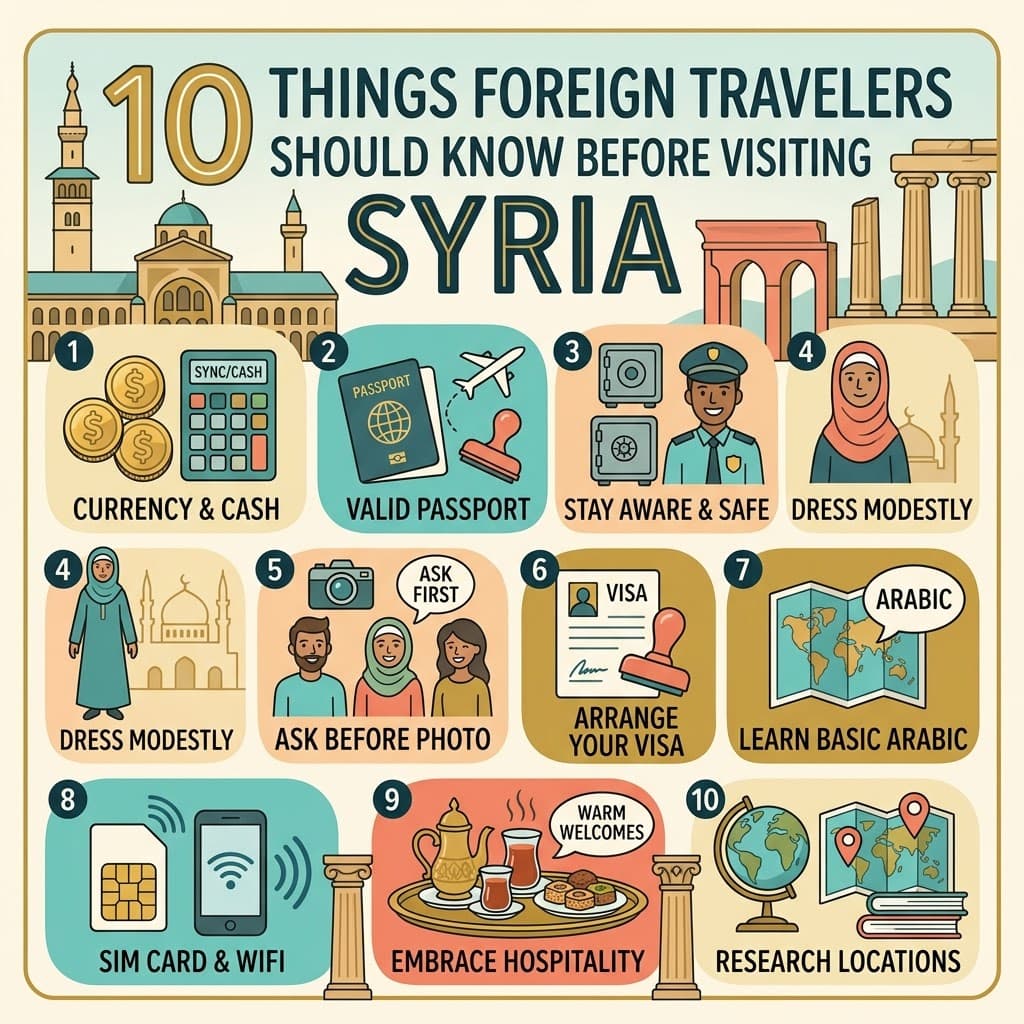
Visiting Syria: 10 Essential Tips for Foreign Travelers
Syria
New
Travel Guides
How Much Does a Trip to Syria Cost in 2026? A Realistic Budget Guide
Syria
New
Travel Guides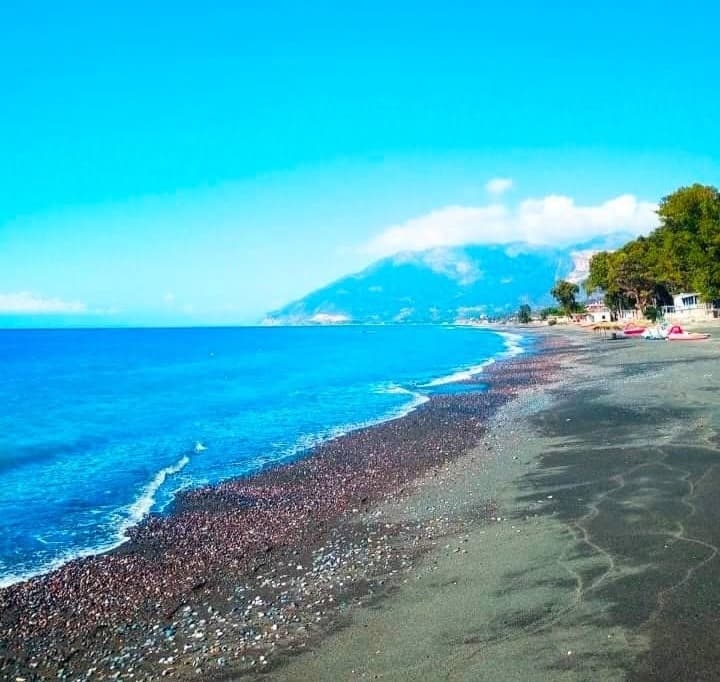
Syrian Maldives: 7 Incredible Beaches and Coastal Gems in Syria
Tartus
New
Adventure 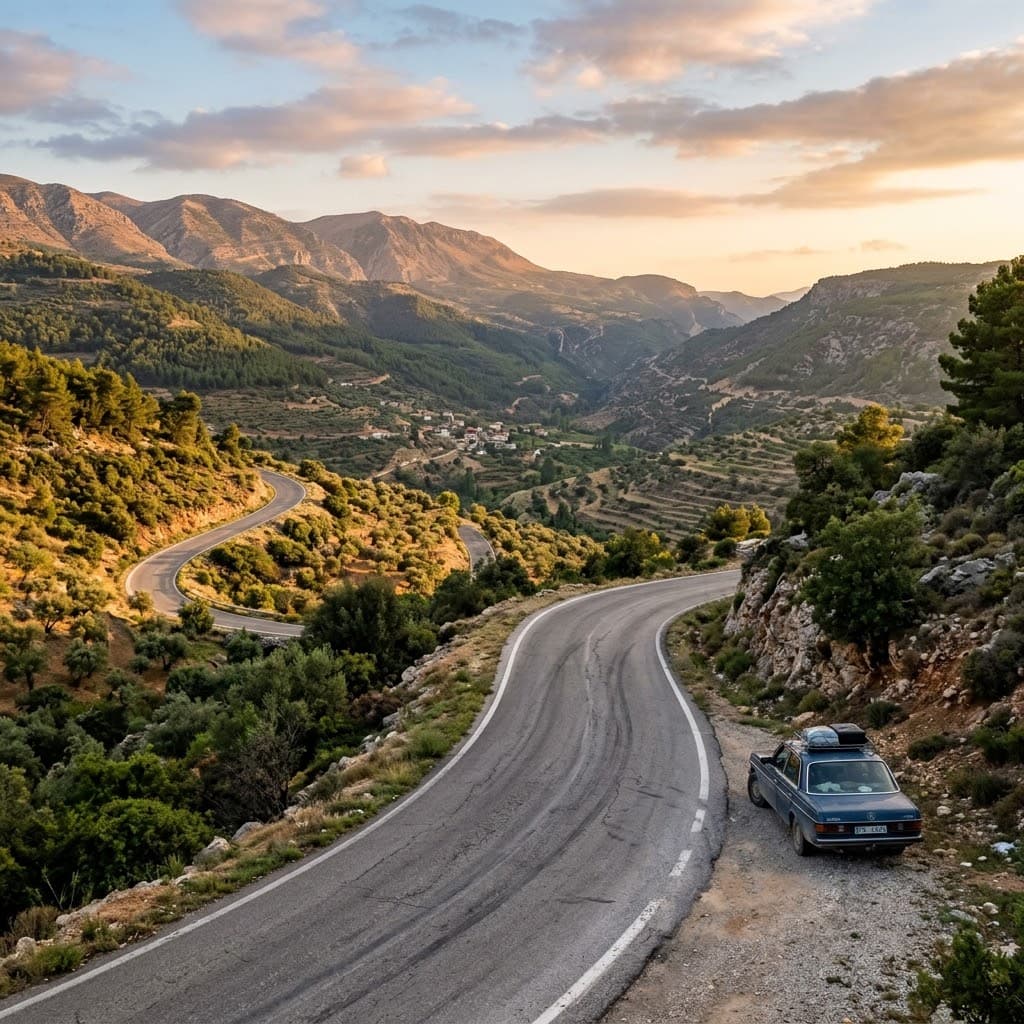
The Most Beautiful Roads in Syria: A Road Trip Through the Country
Syria
New
Travel Guides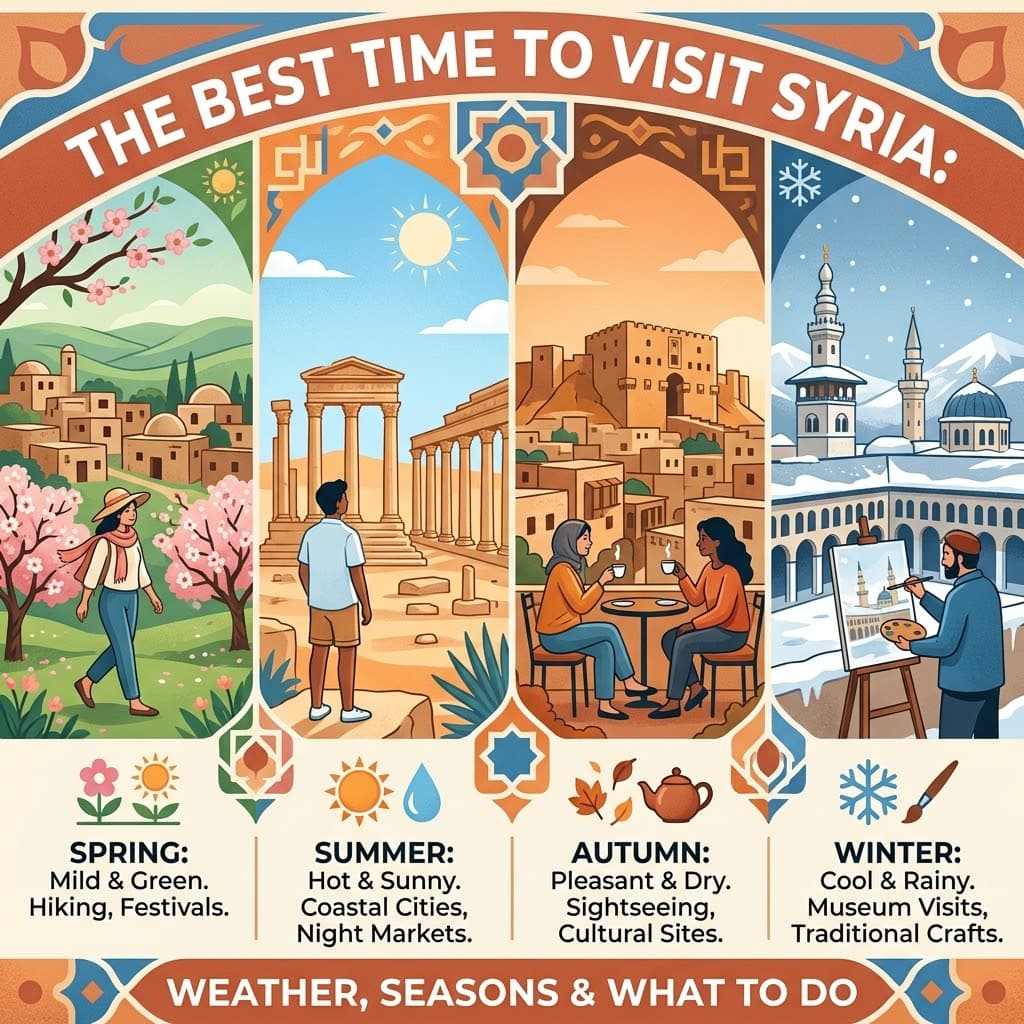
The Best Time to Visit Syria: Weather, Seasons & What to Do
Syria
New
Travel Guides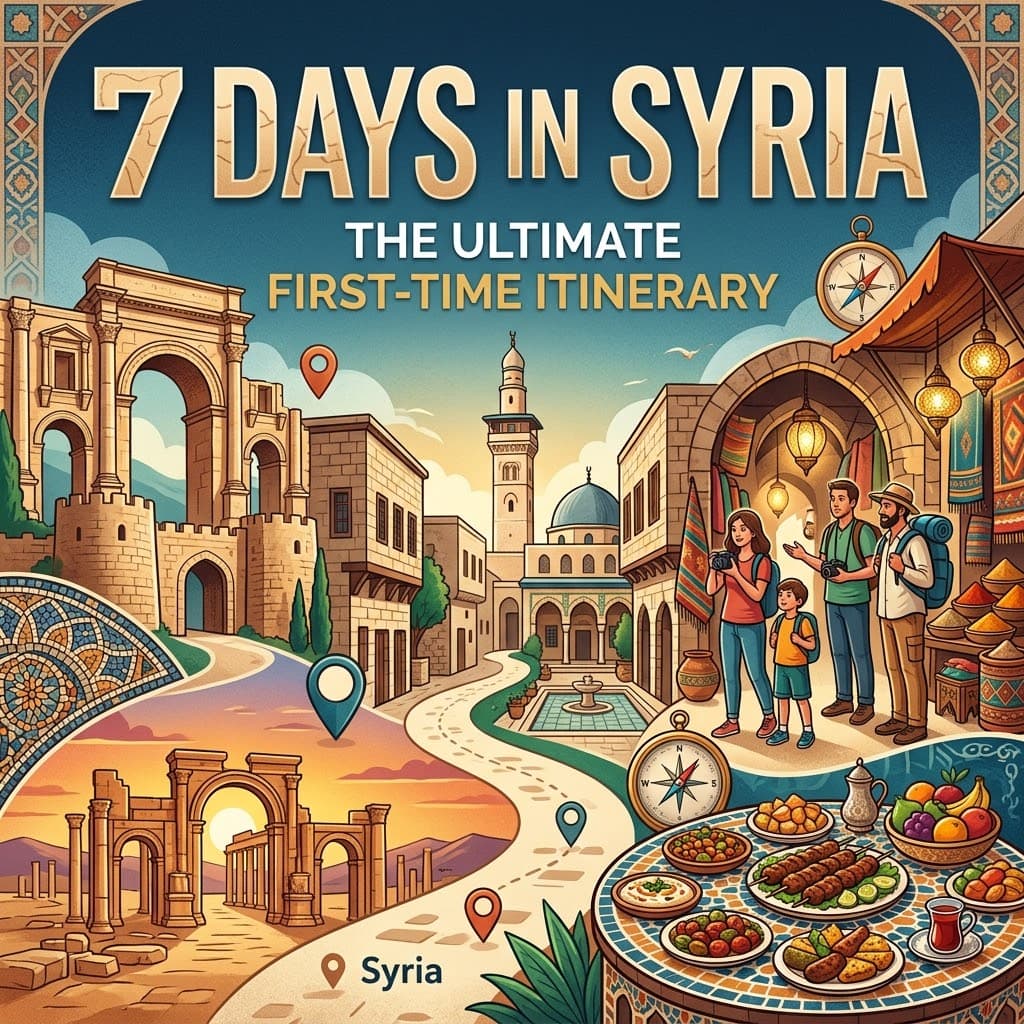
7 Days in Syria: The Ultimate First-Time Itinerary
Syria
New
Travel Guides