
🏛️ Ugarit Syria: Where History Wrote Its First Letter and Sang Its First Note
An engaging guide to Ugarit Syria (Ras Shamra), highlighting its monumental discovery of the world's first alphabet and musical notation, alongside practical travel tips including nearby hotels, dining, best photography times, and regional activities.
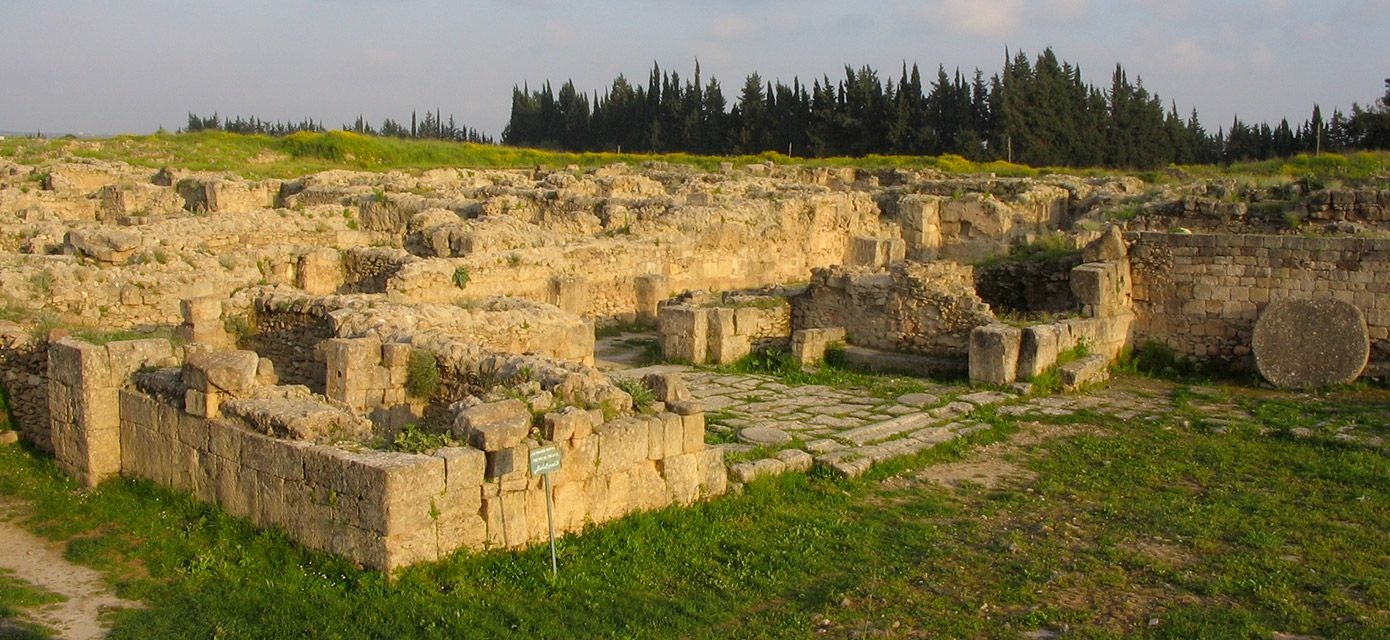
What to expect?
Have you ever wondered where the written word truly found its rhythm? Welcome to Ugarit Syria, an exceptional archaeological gem located on the mound of Ras Shamra, just a few kilometers north of Latakia. This ancient coastal kingdom didn't just participate in human history; it fundamentally reshaped it. Famous for producing the world’s earliest complete cuneiform ancient alphabet and the oldest recorded musical notation, Ugarit stands as an enduring symbol of human intellect, culture, and trade in the Eastern Mediterranean.
If you are planning your ultimate Syria tourism adventure, exploring the ruins of Ugarit Syria offers an unforgettable journey back to the Bronze Age. Here is everything you need to know about this extraordinary site, along with practical tips for your trip.
The Story of Ugarit: From Neolithic Farmers to the Sea Peoples
The name Ugarit originates from the Akkadian word Ugaru, meaning "field" or "enclosed fortification." Humans settled at the site of Ras Shamra continuously from as early as 7500 BCE (the Neolithic era) through the Late Bronze Age.
Ugarit reached its golden age during the 14th and 15th centuries BCE, serving as a thriving cosmopolitan harbor town connecting Mesopotamia, Egypt, Anatolia, and the Mediterranean world. However, around 1180 BCE, amid widespread political and social upheavals caused by regional migrations and the mysterious "Sea Peoples," the kingdom was destroyed, leaving behind a treasure trove of clay tablets beneath the soil.
A Chance Discovery That Changed Archaeology
In 1928, a local farmer’s plow struck heavy stones while tilling a field near the bay of Minet el-Beida (the ancient port of Ugarit, Ma'khadu). The stones belonged to an underground tomb. This accidental finding prompted systematic excavations in 1929 led by French archaeologist Claude Schaeffer.
Key Historical & Cultural Milestones
• The World's First Alphabet: Ugarit introduced a 30-letter cuneiform script. Unlike complex hieroglyphics or syllabaries, this revolutionary system simplified writing so that common people—not just scribes—could record trade, law, and literature.
• The Oldest Recorded Music: Archaeologists discovered clay tablets featuring a hymn dedicated to Nikkal (the goddess of orchards), complete with precise musical notations—making it the oldest known music sheet in the world.
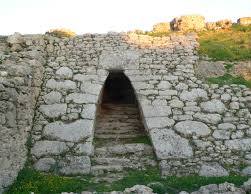
• Architectural Wonder: Spanning roughly 27 hectares, the city featured a grand Royal Palace (over 7,000 m²), fortified entry gates, residential quarters, and two prominent temples dedicated to Baal and Dagan on the Acropolis hill.
Essential Travel Guide for Visiting Ugarit
Since Ugarit is an archaeological ruin site (Tel Ras Shamra), there are no hotels or modern commercial settlements directly inside the ruins. Visitors stay in the nearby city of Latakia (about 10–12 km south) or along the Blue Coast (Shat al-Azraq).
🏨 Nearby Accommodation & Hotels
• Afamia Resort Latakia (5 Stars): Located right on the coast near the site, offering beachfront luxury, swimming pools, and excellent dining.
• Cote d'Azur Cham Hotel (4-5 Stars): A classic resort option along the Latakia shoreline, perfect for families and seaside relaxation.
• Meridien Latakia / Local City Hotels (3-4 Stars): Various options in downtown Latakia cater to budget-conscious travelers seeking comfortable, authentic stays.
🚗 How to Get There & Local Transport
• By Car / Taxi: The easiest option is hiring a private driver or taxi from downtown Latakia or the local resorts. The drive takes around 15–20 minutes.
• Microbuses (Servis): Budget travelers can take a public microbus heading toward Shat al-Azraq or Minet el-Beida and walk a short distance to the entrance.
📸 Best Time for Photography
• Golden Hour (4:30 PM – 6:30 PM): Late afternoon provides warm sunlight hitting the ancient stone foundations and the Mediterranean Sea in the background, creating stunning photo opportunities.
• Early Morning (7:00 AM – 9:00 AM): Great for clear lighting with fewer visitors around.
🍲 Local Cuisine & Best Restaurants
The region is famous for fresh Mediterranean seafood and coastal Syrian specialties:
• Must-Try Dishes: Grilled sea bass or red mullet (Sultan Ibrahim), Sayadieh (spiced fish and rice with caramelized onions), fresh tabbouleh, and local mezze with olive oil and pomegranate molasses.
• Recommended Nearby Dining: * Castello Restaurant: Scenic seafood dining with coastal views.
• Zeytoona / Coastal Cafes: Great spots along the Latakia waterfront for traditional mezze and fresh juices.
🥾 Outdoor Activities, Camping & Hiking
• Hiking & Walking Tours: Guided walks through the 27-hectare mound allow you to explore the Royal Palace, the House of the High Priest, and the ancient streets.
• Camping: While direct overnight camping on the ruins is prohibited to preserve the site, organized beach camping and eco-tours are popular along the nearby Ibn al-Hani peninsula and northern Latakia beaches.
Nearby Attractions Worth Visiting
Extend your trip by exploring nearby points of interest:
• Minet el-Beida: The ancient harbor town of Ugarit, perfect for coastal views.
• Ras Ibn Hani: A beautiful peninsula with seaside resorts and secondary archaeological remains.
• Salah Ed-Din Castle (Qal'at Salah al-Din): A breathtaking UNESCO World Heritage fortress set in the mountains, about a 45-minute drive inland.
• Downtown Latakia & Port: Perfect for evening strolls, bustling souks, and authentic Syrian coffee shops.
If you are planning your ultimate Syria tourism adventure, exploring the ruins of Ugarit Syria offers an unforgettable journey back to the Bronze Age. Here is everything you need to know about this extraordinary site, along with practical tips for your trip.
The Story of Ugarit: From Neolithic Farmers to the Sea Peoples
The name Ugarit originates from the Akkadian word Ugaru, meaning "field" or "enclosed fortification." Humans settled at the site of Ras Shamra continuously from as early as 7500 BCE (the Neolithic era) through the Late Bronze Age.
Ugarit reached its golden age during the 14th and 15th centuries BCE, serving as a thriving cosmopolitan harbor town connecting Mesopotamia, Egypt, Anatolia, and the Mediterranean world. However, around 1180 BCE, amid widespread political and social upheavals caused by regional migrations and the mysterious "Sea Peoples," the kingdom was destroyed, leaving behind a treasure trove of clay tablets beneath the soil.
A Chance Discovery That Changed Archaeology
In 1928, a local farmer’s plow struck heavy stones while tilling a field near the bay of Minet el-Beida (the ancient port of Ugarit, Ma'khadu). The stones belonged to an underground tomb. This accidental finding prompted systematic excavations in 1929 led by French archaeologist Claude Schaeffer.
Key Historical & Cultural Milestones
• The World's First Alphabet: Ugarit introduced a 30-letter cuneiform script. Unlike complex hieroglyphics or syllabaries, this revolutionary system simplified writing so that common people—not just scribes—could record trade, law, and literature.
• The Oldest Recorded Music: Archaeologists discovered clay tablets featuring a hymn dedicated to Nikkal (the goddess of orchards), complete with precise musical notations—making it the oldest known music sheet in the world.
• Architectural Wonder: Spanning roughly 27 hectares, the city featured a grand Royal Palace (over 7,000 m²), fortified entry gates, residential quarters, and two prominent temples dedicated to Baal and Dagan on the Acropolis hill.
Essential Travel Guide for Visiting Ugarit
Since Ugarit is an archaeological ruin site (Tel Ras Shamra), there are no hotels or modern commercial settlements directly inside the ruins. Visitors stay in the nearby city of Latakia (about 10–12 km south) or along the Blue Coast (Shat al-Azraq).
🏨 Nearby Accommodation & Hotels
• Afamia Resort Latakia (5 Stars): Located right on the coast near the site, offering beachfront luxury, swimming pools, and excellent dining.
• Cote d'Azur Cham Hotel (4-5 Stars): A classic resort option along the Latakia shoreline, perfect for families and seaside relaxation.
• Meridien Latakia / Local City Hotels (3-4 Stars): Various options in downtown Latakia cater to budget-conscious travelers seeking comfortable, authentic stays.
🚗 How to Get There & Local Transport
• By Car / Taxi: The easiest option is hiring a private driver or taxi from downtown Latakia or the local resorts. The drive takes around 15–20 minutes.
• Microbuses (Servis): Budget travelers can take a public microbus heading toward Shat al-Azraq or Minet el-Beida and walk a short distance to the entrance.
📸 Best Time for Photography
• Golden Hour (4:30 PM – 6:30 PM): Late afternoon provides warm sunlight hitting the ancient stone foundations and the Mediterranean Sea in the background, creating stunning photo opportunities.
• Early Morning (7:00 AM – 9:00 AM): Great for clear lighting with fewer visitors around.
🍲 Local Cuisine & Best Restaurants
The region is famous for fresh Mediterranean seafood and coastal Syrian specialties:
• Must-Try Dishes: Grilled sea bass or red mullet (Sultan Ibrahim), Sayadieh (spiced fish and rice with caramelized onions), fresh tabbouleh, and local mezze with olive oil and pomegranate molasses.
• Recommended Nearby Dining: * Castello Restaurant: Scenic seafood dining with coastal views.
• Zeytoona / Coastal Cafes: Great spots along the Latakia waterfront for traditional mezze and fresh juices.
🥾 Outdoor Activities, Camping & Hiking
• Hiking & Walking Tours: Guided walks through the 27-hectare mound allow you to explore the Royal Palace, the House of the High Priest, and the ancient streets.
• Camping: While direct overnight camping on the ruins is prohibited to preserve the site, organized beach camping and eco-tours are popular along the nearby Ibn al-Hani peninsula and northern Latakia beaches.
Nearby Attractions Worth Visiting
Extend your trip by exploring nearby points of interest:
• Minet el-Beida: The ancient harbor town of Ugarit, perfect for coastal views.
• Ras Ibn Hani: A beautiful peninsula with seaside resorts and secondary archaeological remains.
• Salah Ed-Din Castle (Qal'at Salah al-Din): A breathtaking UNESCO World Heritage fortress set in the mountains, about a 45-minute drive inland.
• Downtown Latakia & Port: Perfect for evening strolls, bustling souks, and authentic Syrian coffee shops.
Reviews & Ratings
0.0
★★★★★
0 reviews
💬
No reviews yet. Be the first to review!
Contact & Location
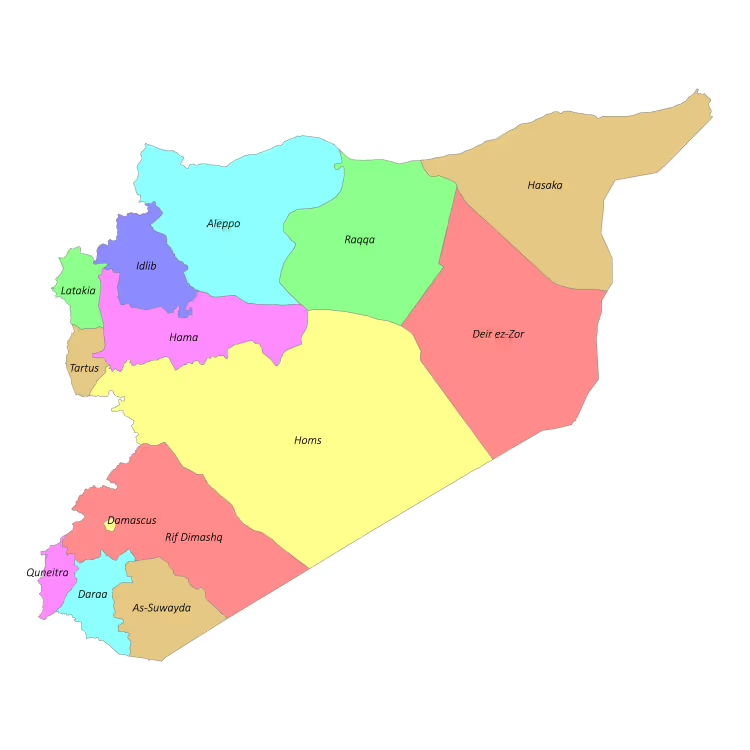
Latakia
Activity
16
Views
0
Likes
📍 Location
🏛️ Ugarit Syria: Where History Wrote Its First Letter and Sang Its First Note
Similar Places
More in Latakia
Eagle Hills Syria: A New Vision for Damascus and Latakia
Damascus
New
Investment
Syrian Maldives: 7 Incredible Beaches and Coastal Gems in Syria
Tartus
New
Adventure .jpeg&w=1200&q=75)
The Ultimate 3-Day Latakia Travel Itinerary: From Damascus to the Coast
Latakia
New
Travel Guides
Bahar Organization in Syria Restoring Hope and Strength
Tartus
New
Syria-RisingDiscover Slenfeh Lattakia Syria: The Ultimate Mountain Escape
Latakia
New
Nature & Outdoors
Gazelle Island in Mashquita: Discover Syria’s Pristine Eco-Paradise
Latakia
New
Nature & OutdoorsMore Culture & Lifestyle Places

Syrian Makdous: The Taste of Autumn, Childhood and Home
Syria
New
Culture & Lifestyle
10 Places Every Syrian Remembers From Childhood
Damascus
New
Culture & Lifestyle.jpeg&w=1200&q=75)
Discovering the Euphrates River: History, Travel, and Beauty in Syria
Raqqa
New
Adventure 
Unveiling the Cradle of History: Your Ultimate Guide to Syria Museums
Tartus
New
Culture & LifestyleDiscover Our Lady of Saidnaya Monastery: History, Faith, and Visitor Guide
Damascus
New
Culture & Lifestyle
Echoes of History: Discovering 10 Magnificent Castles in Syria
Syria
New
Culture & Lifestyle