
Al-Buzuriyah Souq in Damascus: Where History Scents the Details of Life
Al-Buzuriyah Souq emerges as an eternal anthem sung to the ears of time.
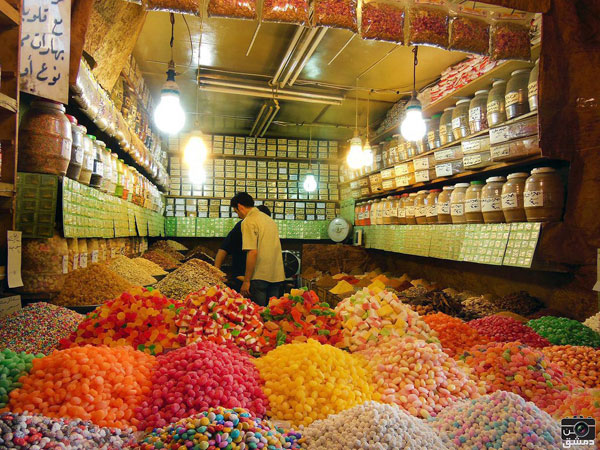
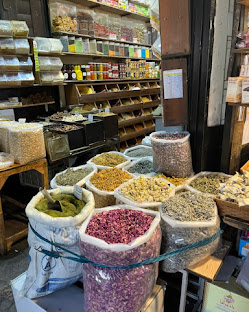
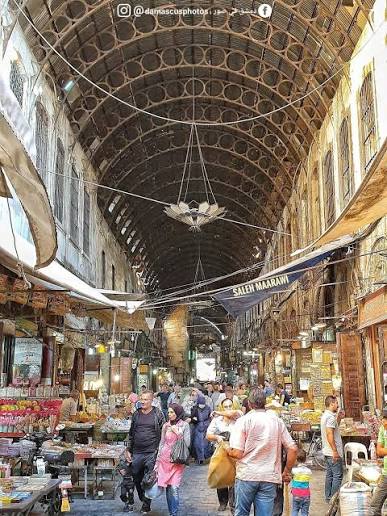
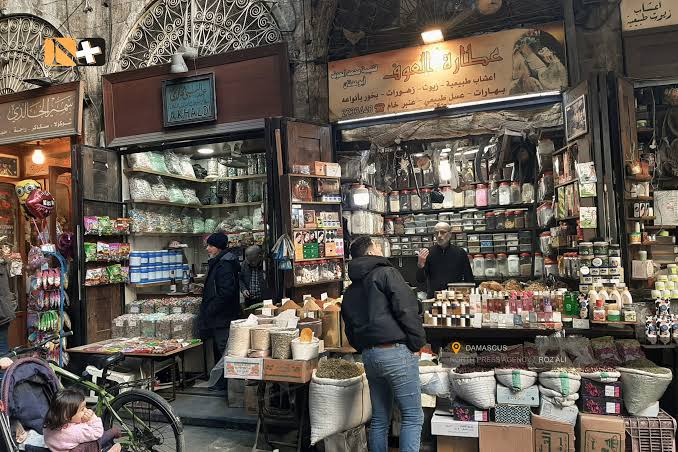
What to expect?
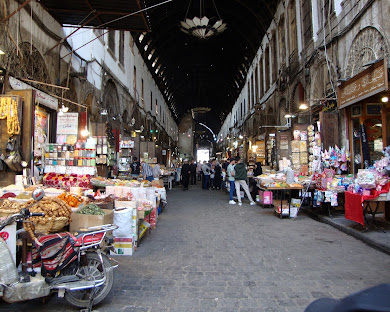
Damascus is not just a city; it is a living memory where every stone tells a story of a thousand years. In the heart of Old Damascus, where alleys intertwine like love poems and ancient walls embrace the secrets of centuries, Al-Buzuriyah Souq emerges as an eternal anthem sung to the ears of time.
At yalla-syria, we invite you on a sensory journey through one of the most delicate and culturally rich neighborhoods in the Levant. Al-Buzuriyah is not merely a marketplace; it is an open exhibition of nostalgia and a living archive of the traditional Damascene lifestyle. Here, the air is thick with the scent of anise and cloves, and the spice shops shimmer like lavish treasures in a basement of light and heritage.
The Fragrant Artery in the Heart of Damascus
Geographically, Al-Buzuriyah Souq is strategically cradled in an architectural embrace that radiates historical significance. Located south of the Umayyad Mosque and just steps away from Azem Palace—the masterpiece of Damascene architecture—the market flows between these two landmarks like a golden artery.
If you were to look at Al-Buzuriyah from above, you would see it as a pulsing vein in the Damascene body. From it, the pulse of craftsmen branches out, the fragrance of perfumers overflows, and tourists flow like memory cells searching for their origins. Though the street is narrow, its depth is as vast as the sky. Its colors are vivid, and its aromas reach you long before your feet touch its time-polished stones.
Walking through this souq feels like a dive into layers of time rather than a mere physical movement. Each shop is a window to a bygone century, and every scent is a living incantation from ancient Damascene eras. Passers-by do not just pass; they exchange looks of affection and wonder. It is a theater where daily rituals of a life that knows how to balance livelihood with joy are constantly renewed.
Why is it Called "Al-Buzuriyah"?
The name "Al-Buzuriyah" is derived from the Arabic word "Buzur" (seeds). Since ancient times, the shops here have specialized in everything related to seeds, herbs, spices, incense, and medicinal plants. These items were essential for traditional medicine, pharmacy, and domestic rituals. Over time, the name became a symbol of the place—a title whispered with elegance whenever fragrance, healing, and memory are mentioned.
A Souq Within a Souq: The Art of Specialization
What fascinates visitors to Al-Buzuriyah is the hidden philosophy of its layout. At yalla-syria, we believe this market is a "multiverse" of sensory experiences. As you walk, you transition from one world to another within a single neighborhood:
1. The Realm of Perfumes (Dakkakin al-Tayyib)
Here, glass showcases line up like honeycombs, displaying perfume vials as if they were small lanterns inhabited by spirits. You will find:
• Rose Water & Orange Blossom: Distilled from the gardens of the Ghouta.
• Jasmine Oil: The true essence of Damascus.
• Musk and Amber: Scents that stop time and grant a moment of pure wonder.
2. The Herbalists (The Traditional Doctors)
On the other side, dry leaves and ancient branches become a language of healing. Under weathered signs, shopkeepers—who are often masters of folk wisdom—offer remedies for every ailment. Whether it’s marjoram for the stomach, chamomile for headaches, or the famous licorice (Erq al-Sous), the sellers here don’t just sell herbs; they decode pain through experience passed down through generations.
3. The Sweetness of Damascus
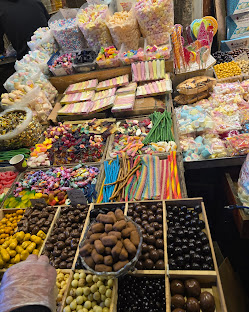
Turning a corner, you are greeted by traditional sweet shops. They don’t just sell sugar; they sell nostalgia wrapped in colored paper. You will see:
• Rahat al-Halkoum (Turkish Delight): Arranged like pink and white marble.
• Halawet al-Jibn: A creamy delicacy that locals and tourists flock to.
• Mabrouma and Barazek: The crunchy, nutty gold of Syrian hospitality.
4. Incense and Spirituality
In hidden corners, stores of incense (Bakhoor) create an atmosphere of serenity. With raw amber and precious Indian Oud, these shops provide a spiritual tapestry that cannot be bought with money elsewhere. It is the scent of a prayer or a mother’s whisper.
The Guardians of the Seeds: A Legacy of Trust
The shop owners in Al-Buzuriyah are more than just merchants; they are the Guardians of Damascene Heritage. They know the secrets of every blend and can distinguish the authentic from the imitation with a single sniff.
Abu Nizar, who inherited his shop from his grandfather over 50 years ago, tells us: "Ginger has a heart, and Anise has a mood. We don't just sell these plants; we converse with them." This deep connection to the craft is what keeps the market alive. For decades, the "Hakim" (folk doctor) relied on this market to prescribe treatments that matched the "humors" of the soul, not just the symptoms of the body.
A Carnival of Seasons
Al-Buzuriyah changes its "dress" according to the season. During Islamic holidays (Eids) and festivals, the market turns into a popular carnival. Oriental sweets are stacked like rubies, and decorations hang from every door. Damascenes from all districts come here to buy their holiday provisions, filling the air with laughter and the rhythmic calls of vendors. It is a time when the souq feels like a bride being escorted to a new celebration.
Authenticity vs. Modernity: Will the Fragrance Survive?
In an era of giant shopping malls and e-commerce, Al-Buzuriyah faces the challenges of the modern world. However, it stands tall, asserting its dominance as the "Mother of Senses."
Visitors don't just come here to shop; they come to experience a "sacred slowness" that is missing in the age of globalization. Whether it’s a tourist looking for a piece of the glorious past or a local seeking the comfort of a familiar scent, Al-Buzuriyah remains a sanctuary for the soul.
Conclusion: A Poem Written in Scent
Al-Buzuriyah Souq is not just a destination for tourism in Syria; it is a language spoken by the stones, the sellers, and the light. It is a frozen moment of time in a perfume bottle. Walking through it is like walking between the verses of an ancient Arabic poem—a city within a city, where hearts still beat with the rhythm of Old Damascus.
When the heart of Damascus wants to speak, it speaks through Al-Buzuriyah—with a fragrance that is never forgotten
Reviews & Ratings
0.0
★★★★★
0 reviews
💬
No reviews yet. Be the first to review!
Contact & Location
Old City
Damascus
Activity
67
Views
13
Likes
📍 Location
Al-Buzuriyah Souq in Damascus: Where History Scents the Details of Life
Similar Places

Unveiling the Cradle of History: Your Ultimate Guide to Syria Museums
Tartus
New
Culture & LifestyleDiscover Our Lady of Saidnaya Monastery: History, Faith, and Visitor Guide
Damascus
New
Culture & Lifestyle.jpeg&w=1200&q=75)
Cherubim Monastery Syria: A Journey Above the Clouds
Damascus
New
Culture & Lifestyle
The Ultimate Guide to the Great Umayyad Mosque in Damascus
Damascus
New
Culture & Lifestyle
The Saint’s Path: A Sacred Journey from Damascus to Maaloula and Sednaya
Damascus
New
History & HeritageThe Mariamite Cathedral of Damascus: A Timeless Beacon of Faith in Old Syria
Damascus
New
Culture & LifestyleMore in Damascus
A Taste of Damascus: 5 Authentic Local Restaurants You Must Visit
Damascus
New
Caffe & Restaurants
Eagle Hills Syria: A New Vision for Damascus and Latakia
Damascus
New
Investment
Fashion Gate Mall Syria: A New Luxury Shopping Destination in Damascus
Damascus
New
Markets & Shopping
Investing in Damascus: Tourism, Hospitality & Real Estate
Damascus
New
Investment
10 Places Every Syrian Remembers From Childhood
Damascus
New
Culture & LifestyleSki Land Damascus: When Ice Skating Brings Back the Joy
Damascus
5.0(1)
Adventure More History & Heritage Places
15 Hidden Places in Syria That Look Like They Belong in Another World
Syria
New
History & Heritage.jpeg&w=1200&q=75)
🏰 Aleppo Citadel: A Journey Through Thousands of Years of Syrian History
Aleppo
New
History & Heritage
Unveiling the Orontes River: A 3-Day Syrian Journey
Hama
New
Adventure .jpeg&w=1200&q=75)
Discovering the Euphrates River: History, Travel, and Beauty in Syria
Raqqa
New
Adventure Unveiling the Cradle of History: Your Ultimate Guide to Syria Museums
Tartus
New
Culture & LifestyleDiscover Our Lady of Saidnaya Monastery: History, Faith, and Visitor Guide
Damascus
New
Culture & Lifestyle