
The Hijaz Railway Station The Soul of Damascus
When you stand in the heart of Damascus, just a short walk west of the bustling Al-Hamidiyah Souq, you encounter more than just a building. You encounter a silent storyteller. The Hijaz Railway Station.
What to expect?
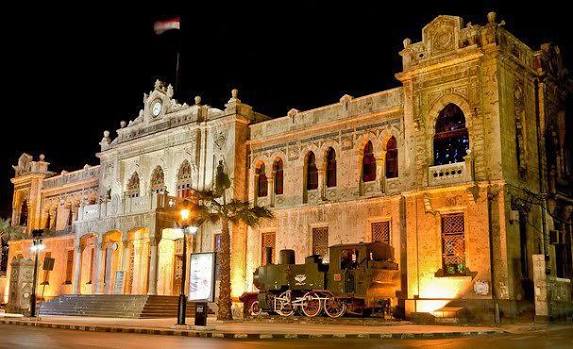
The Hijaz Railway Station is not merely a transit hub of the past; it is a living testament to Syrian grandeur, a bridge between continents, and a masterpiece of architectural fusion that has watched over the city for more than a century.
At yalla-syria, we believe that every stone in Damascus has a memory. Today, we invite you to step into the hall of the Hijaz Station, where the scent of old wood, the gleam of stained glass, and the echoes of steam engines tell the story of a dream realized by a Sultan and built by the hands of the faithful.
The Birth of a Vision: Sultan Abdul Hamid II’s Dream
The story of the Hijaz Railway began with a grand vision. Sultan Abdul Hamid II, the last powerful Ottoman monarch, harbored a dream that many deemed impossible: a railway that would connect the spiritual heart of Islam—Medina—with the historical soul of the Levant—Damascus.
In his personal memoirs, the Sultan wrote with profound relief: "Finally, the Hijaz line has been realized; that dream that has long haunted my imagination." This was not a project for profit or conquest; it was a project for the people. Before the railway, the pilgrimage to Mecca was a grueling 40-day trek through scorching deserts, facing water shortages and tribal unrest. The Sultan’s mission was to transform those 40 days of hardship into just five days of safety and comfort. It was, in the truest sense, a "Service to Islam."
A Monument Built by the People
What makes the Hijaz Railway Station truly unique is how it was funded. This wasn't just a state project; it was a global Islamic endeavor. To raise the necessary capital, the Ottoman Empire implemented creative and heartfelt strategies:
• Voluntary Contributions: Civil servants across the empire donated ten percent of their salaries. Far from protesting, they viewed it as a national and religious duty.
• Global Solidarity: From the Khedive of Egypt, Abbas Hilmi, to the Muslims of India, donations poured in.
• Honors and Titles: The Sultan issued special stamps and even sold titles like "Bey" and "Pasha"—with the title of Pasha reaching a value of 200 Ottoman gold liras—to fund the tracks.
Work began in 1900. Piece by piece, the line extended from Damascus to Daraa (1903), reached Haifa (1905), touched Madain Saleh (1906), and finally arrived in Medina in 1908.
Architectural Splendor: East Meets West
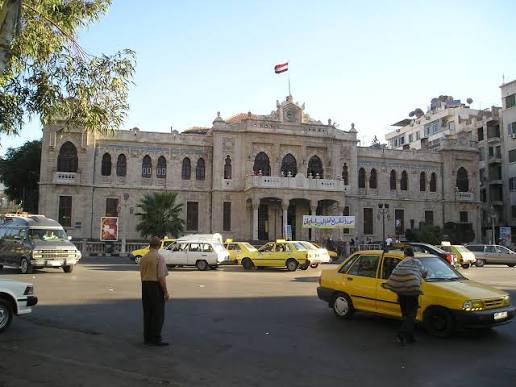
The building itself is an "Architectural Masterpiece" that captivates anyone with an eye for detail. Designed by the Spanish architect Fernando de Aranda, the station is a stunning example of how European influences can harmonize with Oriental soul. De Aranda, who became so enamored with Damascus that he made it his home, managed to blend Ottoman tradition with Spanish-Moorish flourishes.
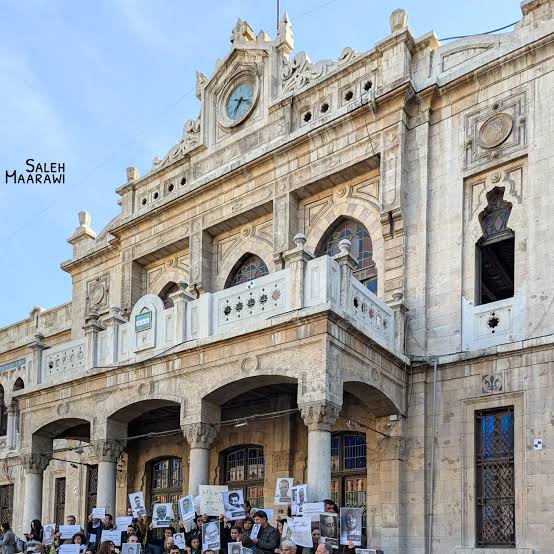
The facade is a rhythm of carved stone arches and wooden windows inlaid with colored glass. One cannot talk about the station without mentioning the famous Clock Tower, which remains a steadfast witness to the passage of time.
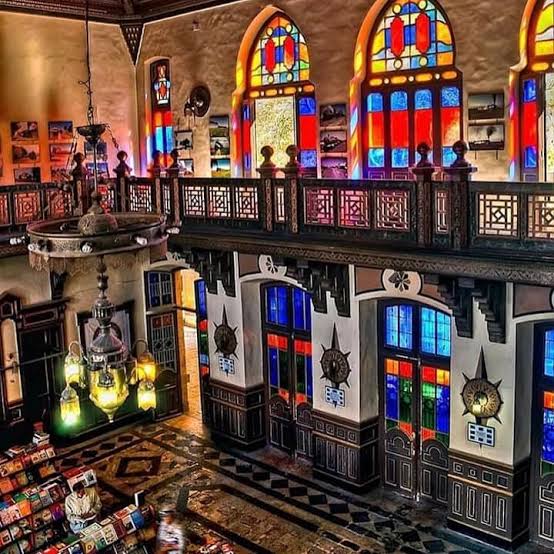
Step inside the main waiting hall, and you are greeted by rare plaster decorations and intricate woodwork. Interestingly, the exquisite wooden decor seen today was a gift from the Al-Dahan family over 120 years ago—a testament to the community's pride in this landmark.
The Five-Day Miracle
On August 22, 1908, the first train whistled its departure from Damascus to Medina. The impact was immediate and staggering.
• Travel Time: Reduced from 40 days to just 5 days.
• Pilgrim Numbers: Before the train, roughly 80,000 pilgrims made the journey annually. After the railway opened, that number surged to 300,000.
• A Historic Light: The completion of the railway coincided with a miraculous event: the first time the Prophet’s Mosque in Medina was ever lit by electricity, powered by the infrastructure brought by the railway.
A Cultural and Economic Crossroads
The Hijaz Station was never just a corridor for trains. It was a "Bridge of Human Values." It served as a vital artery for merchants and intellectuals. During the Arab Renaissance, its halls welcomed thinkers, leaders, and royalty, including Sharif Hussein bin Ali. It facilitated a cultural exchange that reinforced Damascus’s status as the ultimate gathering point for pilgrims and travelers coming from across Asia.
Preserving the Legacy: The Museums of Hijaz
Today, while the steam whistles have gone quiet, the station lives on as a multifaceted museum. It is a "Living Museum" that preserves the engineering marvels of the early 20th century.
Visitors to the station can explore:
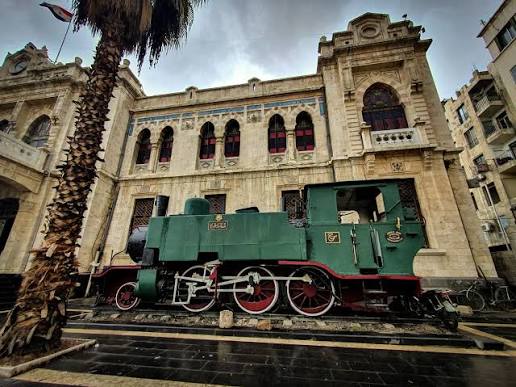
• The Outdoor Locomotive Museum: Featuring 14 vintage steam engines, complete with historical explanations of their origins and capacity.
• The Live Museum: Housing massive lathes used for grinding train wheels and other heavy maintenance equipment.
• The Archaeological Collection: A nostalgic look at the tools of the trade—antique ticket cutters, historical documents, vintage lanterns, and photographs that capture the golden age of rail travel.
Why You Must Visit with yalla-syria
The Hijaz Railway Station is located in a prime spot for any tourist. After exploring the narrow alleys of the Old City and shopping in Al-Hamidiyah, the station offers a moment of quiet reflection on Syria’s logistical and cultural genius. It is a place for the "connoisseurs of memory"—those who want to feel the pulse of history rather than just read about it.
It stands as a symbol of unity, an icon of the Islamic and Arab world, and a reminder that Damascus has always been—and will always be—a destination where the world meets.
Conclusion: A Timeless Landmark
The Hijaz Railway Station is more than stone and track; it is a monument to a time when a train ride could unite a region and a Sultan's dream could change the lives of millions. Whether you are an architecture enthusiast, a history buff, or a traveler seeking the soul of Syria, the Hijaz Station is a mandatory stop on your itinerary.
At yalla-syria, we believe that every stone in Damascus has a memory. Today, we invite you to step into the hall of the Hijaz Station, where the scent of old wood, the gleam of stained glass, and the echoes of steam engines tell the story of a dream realized by a Sultan and built by the hands of the faithful.
The Birth of a Vision: Sultan Abdul Hamid II’s Dream
The story of the Hijaz Railway began with a grand vision. Sultan Abdul Hamid II, the last powerful Ottoman monarch, harbored a dream that many deemed impossible: a railway that would connect the spiritual heart of Islam—Medina—with the historical soul of the Levant—Damascus.
In his personal memoirs, the Sultan wrote with profound relief: "Finally, the Hijaz line has been realized; that dream that has long haunted my imagination." This was not a project for profit or conquest; it was a project for the people. Before the railway, the pilgrimage to Mecca was a grueling 40-day trek through scorching deserts, facing water shortages and tribal unrest. The Sultan’s mission was to transform those 40 days of hardship into just five days of safety and comfort. It was, in the truest sense, a "Service to Islam."
A Monument Built by the People
What makes the Hijaz Railway Station truly unique is how it was funded. This wasn't just a state project; it was a global Islamic endeavor. To raise the necessary capital, the Ottoman Empire implemented creative and heartfelt strategies:
• Voluntary Contributions: Civil servants across the empire donated ten percent of their salaries. Far from protesting, they viewed it as a national and religious duty.
• Global Solidarity: From the Khedive of Egypt, Abbas Hilmi, to the Muslims of India, donations poured in.
• Honors and Titles: The Sultan issued special stamps and even sold titles like "Bey" and "Pasha"—with the title of Pasha reaching a value of 200 Ottoman gold liras—to fund the tracks.
Work began in 1900. Piece by piece, the line extended from Damascus to Daraa (1903), reached Haifa (1905), touched Madain Saleh (1906), and finally arrived in Medina in 1908.
Architectural Splendor: East Meets West
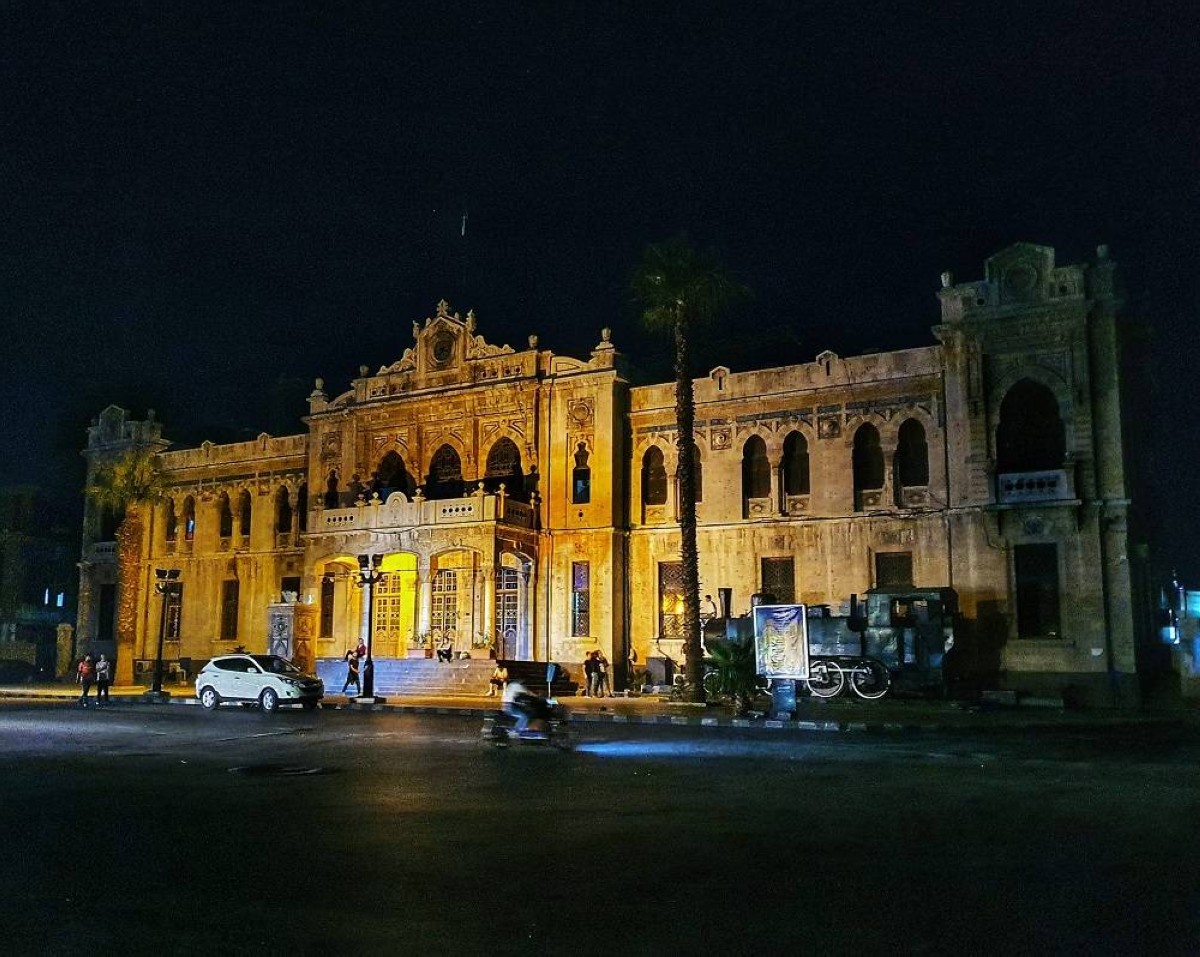
The building itself is an "Architectural Masterpiece" that captivates anyone with an eye for detail. Designed by the Spanish architect Fernando de Aranda, the station is a stunning example of how European influences can harmonize with Oriental soul. De Aranda, who became so enamored with Damascus that he made it his home, managed to blend Ottoman tradition with Spanish-Moorish flourishes.
The facade is a rhythm of carved stone arches and wooden windows inlaid with colored glass. One cannot talk about the station without mentioning the famous Clock Tower, which remains a steadfast witness to the passage of time.
Step inside the main waiting hall, and you are greeted by rare plaster decorations and intricate woodwork. Interestingly, the exquisite wooden decor seen today was a gift from the Al-Dahan family over 120 years ago—a testament to the community's pride in this landmark.
The Five-Day Miracle
On August 22, 1908, the first train whistled its departure from Damascus to Medina. The impact was immediate and staggering.
• Travel Time: Reduced from 40 days to just 5 days.
• Pilgrim Numbers: Before the train, roughly 80,000 pilgrims made the journey annually. After the railway opened, that number surged to 300,000.
• A Historic Light: The completion of the railway coincided with a miraculous event: the first time the Prophet’s Mosque in Medina was ever lit by electricity, powered by the infrastructure brought by the railway.
A Cultural and Economic Crossroads
The Hijaz Station was never just a corridor for trains. It was a "Bridge of Human Values." It served as a vital artery for merchants and intellectuals. During the Arab Renaissance, its halls welcomed thinkers, leaders, and royalty, including Sharif Hussein bin Ali. It facilitated a cultural exchange that reinforced Damascus’s status as the ultimate gathering point for pilgrims and travelers coming from across Asia.
Preserving the Legacy: The Museums of Hijaz
Today, while the steam whistles have gone quiet, the station lives on as a multifaceted museum. It is a "Living Museum" that preserves the engineering marvels of the early 20th century.
Visitors to the station can explore:
• The Outdoor Locomotive Museum: Featuring 14 vintage steam engines, complete with historical explanations of their origins and capacity.
• The Live Museum: Housing massive lathes used for grinding train wheels and other heavy maintenance equipment.
• The Archaeological Collection: A nostalgic look at the tools of the trade—antique ticket cutters, historical documents, vintage lanterns, and photographs that capture the golden age of rail travel.
Why You Must Visit with yalla-syria
The Hijaz Railway Station is located in a prime spot for any tourist. After exploring the narrow alleys of the Old City and shopping in Al-Hamidiyah, the station offers a moment of quiet reflection on Syria’s logistical and cultural genius. It is a place for the "connoisseurs of memory"—those who want to feel the pulse of history rather than just read about it.
It stands as a symbol of unity, an icon of the Islamic and Arab world, and a reminder that Damascus has always been—and will always be—a destination where the world meets.
Conclusion: A Timeless Landmark
The Hijaz Railway Station is more than stone and track; it is a monument to a time when a train ride could unite a region and a Sultan's dream could change the lives of millions. Whether you are an architecture enthusiast, a history buff, or a traveler seeking the soul of Syria, the Hijaz Station is a mandatory stop on your itinerary.
Reviews & Ratings
0.0
★★★★★
0 reviews
💬
No reviews yet. Be the first to review!
Contact & Location
Old City
Damascus
Activity
40
Views
2
Likes
The Hijaz Railway Station The Soul of Damascus
Similar Places
10 Places Every Syrian Remembers From Childhood
Damascus
New
Culture & Lifestyle
Unveiling the Cradle of History: Your Ultimate Guide to Syria Museums
Tartus
New
Culture & LifestyleDiscover Our Lady of Saidnaya Monastery: History, Faith, and Visitor Guide
Damascus
New
Culture & Lifestyle.jpeg&w=1200&q=75)
Cherubim Monastery Syria: A Journey Above the Clouds
Damascus
New
Culture & Lifestyle
The Ultimate Guide to the Great Umayyad Mosque in Damascus
Damascus
New
Culture & LifestyleSyria Shines Again: Experiencing the 63rd Damascus International Fair
Damascus
New
Culture & LifestyleMore in Damascus

A Taste of Damascus: 5 Authentic Local Restaurants You Must Visit
Damascus
New
Caffe & Restaurants
Eagle Hills Syria: A New Vision for Damascus and Latakia
Damascus
New
Investment
Fashion Gate Mall Syria: A New Luxury Shopping Destination in Damascus
Damascus
New
Markets & Shopping
Investing in Damascus: Tourism, Hospitality & Real Estate
Damascus
New
InvestmentSki Land Damascus: When Ice Skating Brings Back the Joy
Damascus
5.0(1)
Adventure 
Boozet Bakdash in Damascus: Discover Syria’s Legendary Ice Cream Tradition
Damascus
New
Food & DrinkMore Culture & Lifestyle Places

Syrian Makdous: The Taste of Autumn, Childhood and Home
Syria
New
Culture & Lifestyle10 Places Every Syrian Remembers From Childhood
Damascus
New
Culture & Lifestyle.jpeg&w=1200&q=75)
Discovering the Euphrates River: History, Travel, and Beauty in Syria
Raqqa
New
Adventure Unveiling the Cradle of History: Your Ultimate Guide to Syria Museums
Tartus
New
Culture & LifestyleDiscover Our Lady of Saidnaya Monastery: History, Faith, and Visitor Guide
Damascus
New
Culture & Lifestyle
Echoes of History: Discovering 10 Magnificent Castles in Syria
Syria
New
Culture & Lifestyle