
Discover the Secrets of Ancient Ebla: Syria’s Lost Empire
Discover Ebla with yalla-syria: Explore Syria’s ancient Bronze Age empire, world-famous cuneiform archives, travel tips, and historic sites in one ultimate guide
Culture & Lifestyle
1
33
What to expect?
Step back nearly 4,500 years into the heart of the Levant, where one of the ancient world’s most formidable civilizations once thrived. Long before modern borders shaped the Near East, the ancient kingdom of Ebla stood as a towering hub of trade, governance, and diplomacy. Situated in northwestern Syria, this Bronze Age power forged an empire that stretched from the Anatolian plateau down to the Sinai Peninsula, bridging the Mediterranean coast with the Euphrates Valley. Today, a visit to its historical site offers travelers an unmatched look into the deep roots of human civilization.
The Rediscovery of Tell Mardikh
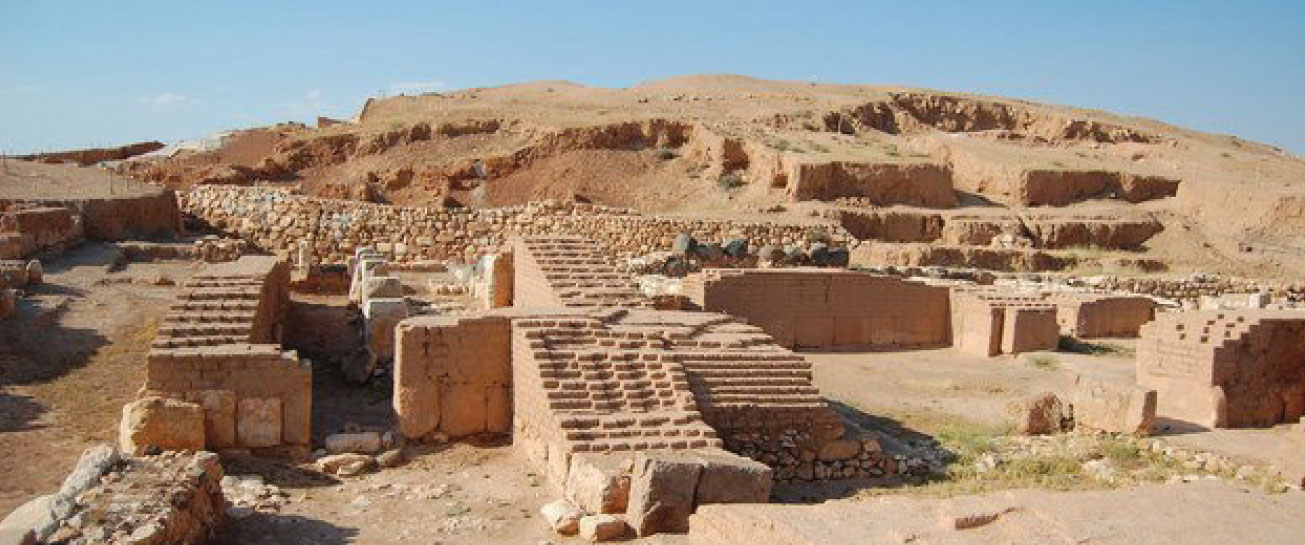
For centuries, the true location of Ebla remained a mystery, preserved only in faint references across ancient Akkadian, Hittite, and Egyptian texts. That changed in the 1960s when an Italian archaeological team from the University of Rome, led by Paolo Matthiae, began excavating Tell Mardikh—a large mound near Saraqib in the Idlib Governorate, roughly 55 kilometers southwest of Aleppo.
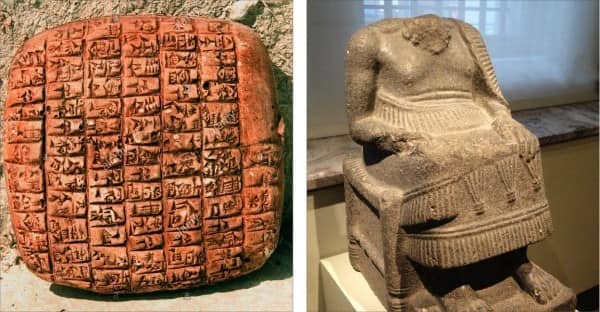
In 1968, archaeologists unearthed a basalt statue dedicated to King Ibbit-Lim. The Akkadian cuneiform inscription on the statue contained the word "Ebla," confirming the site's identity. Subsequent excavations in 1974 and 1975 uncovered the famed Royal Archives of Ebla—thousands of intact clay tablets that permanently altered our understanding of Bronze Age history.
The Royal Archives: A Window into the Past
The clay tablets discovered at Tell Mardikh revealed a sophisticated society with advanced administrative, legal, and literary systems:
• Bilingual Dictionaries: Scholars discovered word lists translating Sumerian into Eblaite (a local Semitic language), forming the oldest known bilingual dictionaries in history.
• Diplomacy and Law: The archives contained royal decrees, legal contracts, property records, and international treaties—including a major trade agreement between Ebla and Ashur.
• Literature and Beliefs: Over twenty myths, hymns, and incantations were uncovered, shedding light on the spiritual life and polytheistic worship of the region, including devotions to deities like Dagan and Ishtar.
+-----------------------------------------------------------------------+
| EBLA AT A GLANCE |
+-------------------+---------------------------------------------------+
| Historical Era | Early Bronze Age (Peak: ~2400–2250 BCE) |
| Key Excavator | Paolo Matthiae (University of Rome) |
| Primary Site | Tell Mardikh (Idlib Governorate, Syria) |
| Major Discovery | Royal Archives (Oldest bilingual dictionaries) |
+-------------------+---------------------------------------------------+
Practical Travel Guide for Visitors
What to See and Do
• Explore the Royal Palace: Walk through the ruins of the G-Palace, including the central court, the audience hall, and the mud-brick throne pedestal.
• Photography: The optimal time for photography is during the golden hour (6:00 AM – 7:30 AM or 5:00 PM – 6:30 PM), when the soft light highlights the textures of the ancient mud-brick structures and stone foundations against the surrounding landscape.
• Hiking and Walking: Guided heritage walks around the mound (Tell Mardikh) offer panoramic views of the surrounding countryside and allow you to trace the perimeter of the ancient city walls.
Accommodation and Dining
Because Tell Mardikh is an archaeological site, modern hotels and luxury amenities are located in nearby major urban hubs rather than directly on the mound:
• Hotels: Visitors typically stay in Aleppo (approx. 55 km north), which features a range of accommodation options from traditional 3-star boutique hotels converted from Ottoman mansions to 4-star and 5-star international hotel properties.
• Dining: Local eateries in the surrounding region serve iconic Syrian dishes. Be sure to try Aleppine Kebabs (such as Kebab Karaz with sour cherries), Kibbeh (prepared in dozens of local varieties), fresh Hummus, and regional flatbreads with olive oil and za'atar.
Transportation and Logistics
• Getting There: Transport is typically arranged via private car, organized tour buses, or taxi services departing from Aleppo or Idlib along the main M5 highway route toward Saraqib.
• Camping: While there are no established commercial campsites directly on the archaeological mound, organized outdoor excursion groups occasionally arrange nearby desert and countryside camping experiences under expert local guidance.
Nearby Destinations Worth Visiting
Combining a visit to Ebla with other nearby historical landmarks creates a rich travel itinerary:
• The Ancient City of Aleppo: Explore the UNESCO-listed Citadel of Aleppo, historical souks, and the National Museum of Aleppo (which houses key artifacts and tablets recovered from Ebla).
• The Dead Cities (Northern Syria): A collection of hundreds of abandoned Byzantine-era stone villages scattered across the limestone massif nearby, including the famous Church of Saint Simeon Stylites.
• Ma'arrat al-Nu'man: Located further south along the highway, known for its rich history and historical mosaic collections.
The Rediscovery of Tell Mardikh
For centuries, the true location of Ebla remained a mystery, preserved only in faint references across ancient Akkadian, Hittite, and Egyptian texts. That changed in the 1960s when an Italian archaeological team from the University of Rome, led by Paolo Matthiae, began excavating Tell Mardikh—a large mound near Saraqib in the Idlib Governorate, roughly 55 kilometers southwest of Aleppo.
In 1968, archaeologists unearthed a basalt statue dedicated to King Ibbit-Lim. The Akkadian cuneiform inscription on the statue contained the word "Ebla," confirming the site's identity. Subsequent excavations in 1974 and 1975 uncovered the famed Royal Archives of Ebla—thousands of intact clay tablets that permanently altered our understanding of Bronze Age history.
The Royal Archives: A Window into the Past
The clay tablets discovered at Tell Mardikh revealed a sophisticated society with advanced administrative, legal, and literary systems:
• Bilingual Dictionaries: Scholars discovered word lists translating Sumerian into Eblaite (a local Semitic language), forming the oldest known bilingual dictionaries in history.
• Diplomacy and Law: The archives contained royal decrees, legal contracts, property records, and international treaties—including a major trade agreement between Ebla and Ashur.
• Literature and Beliefs: Over twenty myths, hymns, and incantations were uncovered, shedding light on the spiritual life and polytheistic worship of the region, including devotions to deities like Dagan and Ishtar.
+-----------------------------------------------------------------------+
| EBLA AT A GLANCE |
+-------------------+---------------------------------------------------+
| Historical Era | Early Bronze Age (Peak: ~2400–2250 BCE) |
| Key Excavator | Paolo Matthiae (University of Rome) |
| Primary Site | Tell Mardikh (Idlib Governorate, Syria) |
| Major Discovery | Royal Archives (Oldest bilingual dictionaries) |
+-------------------+---------------------------------------------------+
Practical Travel Guide for Visitors
What to See and Do
• Explore the Royal Palace: Walk through the ruins of the G-Palace, including the central court, the audience hall, and the mud-brick throne pedestal.
• Photography: The optimal time for photography is during the golden hour (6:00 AM – 7:30 AM or 5:00 PM – 6:30 PM), when the soft light highlights the textures of the ancient mud-brick structures and stone foundations against the surrounding landscape.
• Hiking and Walking: Guided heritage walks around the mound (Tell Mardikh) offer panoramic views of the surrounding countryside and allow you to trace the perimeter of the ancient city walls.
Accommodation and Dining
Because Tell Mardikh is an archaeological site, modern hotels and luxury amenities are located in nearby major urban hubs rather than directly on the mound:
• Hotels: Visitors typically stay in Aleppo (approx. 55 km north), which features a range of accommodation options from traditional 3-star boutique hotels converted from Ottoman mansions to 4-star and 5-star international hotel properties.
• Dining: Local eateries in the surrounding region serve iconic Syrian dishes. Be sure to try Aleppine Kebabs (such as Kebab Karaz with sour cherries), Kibbeh (prepared in dozens of local varieties), fresh Hummus, and regional flatbreads with olive oil and za'atar.
Transportation and Logistics
• Getting There: Transport is typically arranged via private car, organized tour buses, or taxi services departing from Aleppo or Idlib along the main M5 highway route toward Saraqib.
• Camping: While there are no established commercial campsites directly on the archaeological mound, organized outdoor excursion groups occasionally arrange nearby desert and countryside camping experiences under expert local guidance.
Nearby Destinations Worth Visiting
Combining a visit to Ebla with other nearby historical landmarks creates a rich travel itinerary:
• The Ancient City of Aleppo: Explore the UNESCO-listed Citadel of Aleppo, historical souks, and the National Museum of Aleppo (which houses key artifacts and tablets recovered from Ebla).
• The Dead Cities (Northern Syria): A collection of hundreds of abandoned Byzantine-era stone villages scattered across the limestone massif nearby, including the famous Church of Saint Simeon Stylites.
• Ma'arrat al-Nu'man: Located further south along the highway, known for its rich history and historical mosaic collections.
Reviews & Ratings
0.0
★★★★★
0 reviews
💬
No reviews yet. Be the first to review!
Contact & Location
Idlib
Activity
33
Views
1
Likes
📍 Location
Location not specified
Similar Places
More in Idlib

A New Era for Syria’s Digital Future and Tourism
Idlib
New
Services
Best Money Transfer Companies in Syria 2026
Damascus
New
Services
Navigating the Syrian Banking Sector: A Complete Guide to Opening an Account for foreigners and citizens
Damascus
New
Investment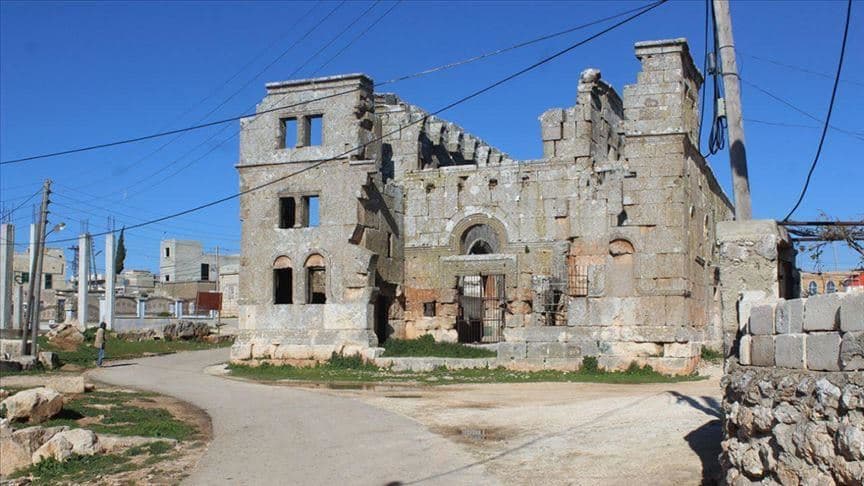
🕌 The Heart of the Almond: Qalb Lozeh Church, A Syrian Masterpiece
Idlib
New
History & HeritageMore Culture & Lifestyle Places

Syrian Makdous: The Taste of Autumn, Childhood and Home
Syria
New
Culture & Lifestyle
10 Places Every Syrian Remembers From Childhood
Damascus
New
Culture & Lifestyle.jpeg&w=1200&q=75)
Discovering the Euphrates River: History, Travel, and Beauty in Syria
Raqqa
New
Adventure 
Unveiling the Cradle of History: Your Ultimate Guide to Syria Museums
Tartus
New
Culture & LifestyleDiscover Our Lady of Saidnaya Monastery: History, Faith, and Visitor Guide
Damascus
New
Culture & Lifestyle
Echoes of History: Discovering 10 Magnificent Castles in Syria
Syria
New
Culture & Lifestyle