
The Magic of Saint Simeon Stylite Church: Syria’s Ancient Wonder
Explore the breathtaking Church of Saint Simeon Stylite (Qal'at Semaan), a crowning jewel of Syria’s Forgotten Cities. Discover its fascinating history, grand Byzantine architecture, local food experiences, photo spots, and practical travel tips for an unforgettable trip to northern Syria.
What to expect?
The Magic of Saint Simeon Stylite Church: Syria’s Ancient Wonder
If you are passionate about ancient history and hidden travel gems, visiting the Saint Simeon Stylite Church in northern Syria belongs on your bucket list. Known locally as Qal'at Semaan, this masterpiece of early Christian architecture sits majestically atop Mount Simeon Aleppo. As one of the most remarkable sites among the Forgotten Cities Syria, the Church of Saint Simeon blends spiritual heritage with breathtaking mountain vistas. In this guide, we will uncover its rich story, unique architecture, photography tips, hiking adventures, and practical travel advice for an inspiring journey with Syria tourism.
The Inspiring Story of Saint Simeon (389–459 AD)
To truly appreciate this sanctuary, one must understand the man who inspired it. Born around 389 AD in the village of Sisan (between Cilicia and Syria), Simeon was an Arab Syrian monk who sought an extraordinary path to spiritual purity.
To escape the growing crowds seeking his blessings, Simeon devised a radical form of asceticism: living atop a stone pillar. Starting with a modest column, he gradually raised its height to approximately 15 meters (nearly 50 feet). For 37 years, Simeon lived, prayed, and preached atop this pillar in the harsh Syrian weather. As Bishop Theodoret of Cyrrhus recorded, Simeon performed numerous miracles and spent the 40 days of Lent standing upright in prayer without food or water. He passed away on his pillar in 459 AD while in a state of prayer.
Relics and Historical Transformation
Following Simeon’s death, Byzantine Emperor Leo ordered his body to be brought to Antioch under the guard of 600 soldiers despite local resistance. Later, the relics were moved to Constantinople and laid to rest in the famed Hagia Sophia.
By 476 AD, Emperor Zeno constructed a monumental church complex around the pillar. For centuries, pilgrims from across Europe and the Middle East journeyed here year-round. Later, during the Crusades, the famous commander Saladin liberated the complex and converted it into a military fortress, which is why locals today refer to it interchangeably as Qal'at Semaan (The Castle of Simeon) and the Church of Saint Simeon.
Architectural Masterpiece: Exploring the Complex
Spanning over 5,000 square meters, the cathedral complex is regarded as the "Jewel of the Dead Cities" and one of the world's finest achievements in early Christian engineering.
1. The Great Cathedral & The Pillar
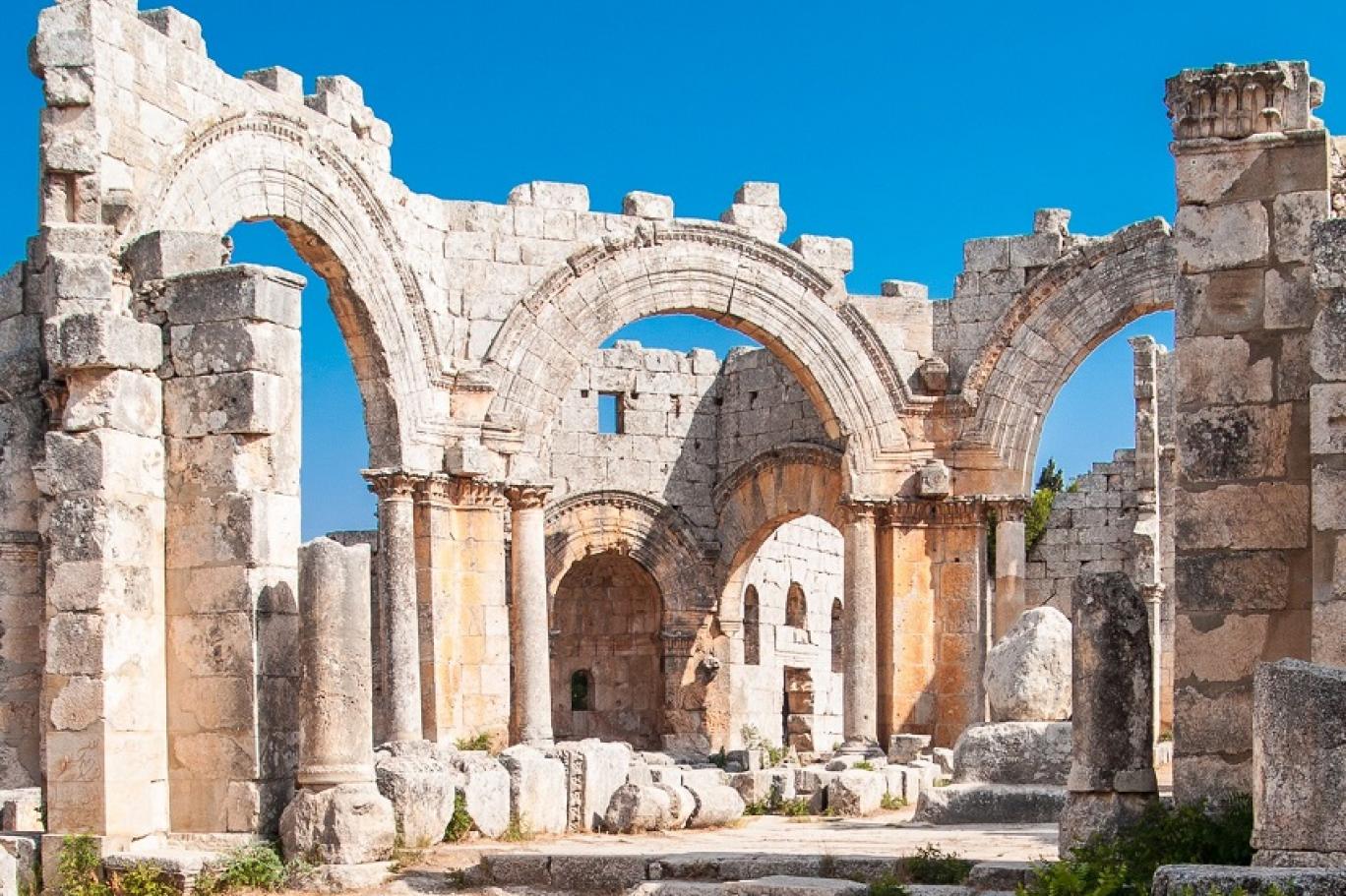
At the heart of the complex lies an octagonal central courtyard. In its middle rests the original limestone base of Saint Simeon’s pillar. Branching out from this octagonal hub are four distinct basilicas, arranged in the shape of a massive cross:
• The Four Wings: The Western, Northern, and Southern basilicas share similar dimensions.
• The East Basilica: This main sanctuary is the largest and most beautifully adorned wing. Because the stone base of the pillar was not aligned precisely to the east, architects ingeniously angled the entire East Basilica slightly northward to ensure prayers faced true east. Major liturgical services were held here, while the other wings accommodated pilgrims praying in different languages.
• Basilica Design: Built in classic basilica style, each wing features a central nave separated from side aisles by eight arches supported by nine elegant columns
.
2. The Monks' Cemetery (Crypt)
Located near the northern wall and dating to the late 5th century, this rock-cut chamber served as the resting place for the monastery’s monks. It contains eight rock tombs carved into the walls and an underground ossuary pit designed for sacred bone storage. A ninth tomb is carved directly into the northern outer fortress wall.
3. The Grand Monastery Complex
Adjoining the cathedral’s south and east sides is a 5,000-square-meter monastery. This three-story structure housed resident monks and featured livestock stables on the ground floor, a private basilica chapel for daily prayers, and outdoor stone basins used for pressing wine and olive oil. Visitors can also spot a raised rock platform used for outdoor sermons.
4. The Baptistery & Baptistery Church
Located just south of the main complex, this 2,000-square-meter area includes a square building housing an octagonal baptismal hall. Inside, a tiled baptismal pit with northern and southern staircases allowed adults to step down into the water for baptism. Adjacent to it stands a small chapel where post-baptismal rites were completed.
Practical Travel Guide: Hiking, Photography, & Local Insights
How to Get There
The church is situated approximately 60 kilometers (37 miles) northwest of Aleppo city.
• By Car / Private Taxi: Hiring a driver from Aleppo is the easiest and most flexible option. The scenic drive takes around 50 to 60 minutes through rolling limestone hills and olive groves.
• Guided Excursions: Local travel agencies in Aleppo offer day tours that bundle Saint Simeon with nearby historical stops.
Hiking & Outdoor Adventures
The surrounding Mount Simeon landscape is a paradise for outdoor enthusiasts:
• Hiking Trails: Take a day trek from Qal'at Semaan to nearby ancient sites like Brad or Kharab Shams. The terrain consists of gentle rocky limestone hills, wildflowers in spring, and centuries-old olive orchards.
• Camping: The peaceful valleys surrounding the complex offer wild outdoor camping opportunities under brilliant starry night skies. Be sure to carry proper gear, water, and respect local environmental guidelines.
Photography Tips
• Best Photo Spots: 1. The South Archway: Offers an iconic frame of the ancient stonework against the green valley below. 2. The Octagonal Courtyard: Capture the remains of Saint Simeon's pillar framed by soaring Byzantine arches. 3. The Baptistery Facade: Golden hour reflections highlight the intricate stonemasonry.
• Best Time for Photos: Golden Hour (4:30 PM – 6:30 PM). As the sun sets over northern Syria, the warm golden light illuminates the limestone arches, turning the entire complex into a photographer’s dream.
Local Cuisine & Nearby Attractions
What to Eat & Nearby Dining
After exploring the ruins, indulge in Aleppo's world-famous culinary heritage:
• Famous Dishes: Try Kebab Karaz (savory meat skewers cooked in sour cherry sauce), classic Aleppo Kebabs, freshly made Kibbeh Nayyeh, and warm flatbreads topped with local wild Za'atar and olive oil.
• Dining Options: Nearby towns like Daret Azza host traditional family-run eateries serving grilled meats and fresh mezze. Alternatively, return to Aleppo’s suburban garden restaurants for a full feast.
Nearby Attractions Worth Visiting
Combine your trip to Saint Simeon with these incredible nearby landmarks:
• Ain Dara Temple: An ancient Iron Age Syro-Hittite temple famous for its massive carved basalt footprints and protective lion statues.
• Brad: The historical village holding the tomb and early shrine of Saint Maron, patriarch of the Maronite tradition.
• The Citadel of Aleppo: A world-famous medieval fortress in the heart of nearby Aleppo city.
Accommodation & Where to Stay
Since the site is located in a rural heritage area, visitors usually stay in Aleppo:
• Heritage & Boutique Hotels: Stay in restored Ottoman mansions in Old Aleppo (e.g., Riga Palace or Coral Julia Dumna).
• Modern Hotels: Hotel options like Shahba Hotel offer full modern amenities, serving as an ideal base for daily excursions across northern Syria.
Final Thoughts
The Church of Saint Simeon Stylite is far more than an architecural monument; it is a moving testament to human faith, artistic brilliance, and enduring history. Whether you come to admire Byzantine stone carvings, hike the ancient valleys, or capture the golden hour sunset, a visit to Qal'at Semaan with yalla-syria promises an unforgettable journey into the beating heart of Syrian heritage.
If you are passionate about ancient history and hidden travel gems, visiting the Saint Simeon Stylite Church in northern Syria belongs on your bucket list. Known locally as Qal'at Semaan, this masterpiece of early Christian architecture sits majestically atop Mount Simeon Aleppo. As one of the most remarkable sites among the Forgotten Cities Syria, the Church of Saint Simeon blends spiritual heritage with breathtaking mountain vistas. In this guide, we will uncover its rich story, unique architecture, photography tips, hiking adventures, and practical travel advice for an inspiring journey with Syria tourism.
The Inspiring Story of Saint Simeon (389–459 AD)
To truly appreciate this sanctuary, one must understand the man who inspired it. Born around 389 AD in the village of Sisan (between Cilicia and Syria), Simeon was an Arab Syrian monk who sought an extraordinary path to spiritual purity.
To escape the growing crowds seeking his blessings, Simeon devised a radical form of asceticism: living atop a stone pillar. Starting with a modest column, he gradually raised its height to approximately 15 meters (nearly 50 feet). For 37 years, Simeon lived, prayed, and preached atop this pillar in the harsh Syrian weather. As Bishop Theodoret of Cyrrhus recorded, Simeon performed numerous miracles and spent the 40 days of Lent standing upright in prayer without food or water. He passed away on his pillar in 459 AD while in a state of prayer.
Relics and Historical Transformation
Following Simeon’s death, Byzantine Emperor Leo ordered his body to be brought to Antioch under the guard of 600 soldiers despite local resistance. Later, the relics were moved to Constantinople and laid to rest in the famed Hagia Sophia.
By 476 AD, Emperor Zeno constructed a monumental church complex around the pillar. For centuries, pilgrims from across Europe and the Middle East journeyed here year-round. Later, during the Crusades, the famous commander Saladin liberated the complex and converted it into a military fortress, which is why locals today refer to it interchangeably as Qal'at Semaan (The Castle of Simeon) and the Church of Saint Simeon.
Architectural Masterpiece: Exploring the Complex
Spanning over 5,000 square meters, the cathedral complex is regarded as the "Jewel of the Dead Cities" and one of the world's finest achievements in early Christian engineering.
1. The Great Cathedral & The Pillar
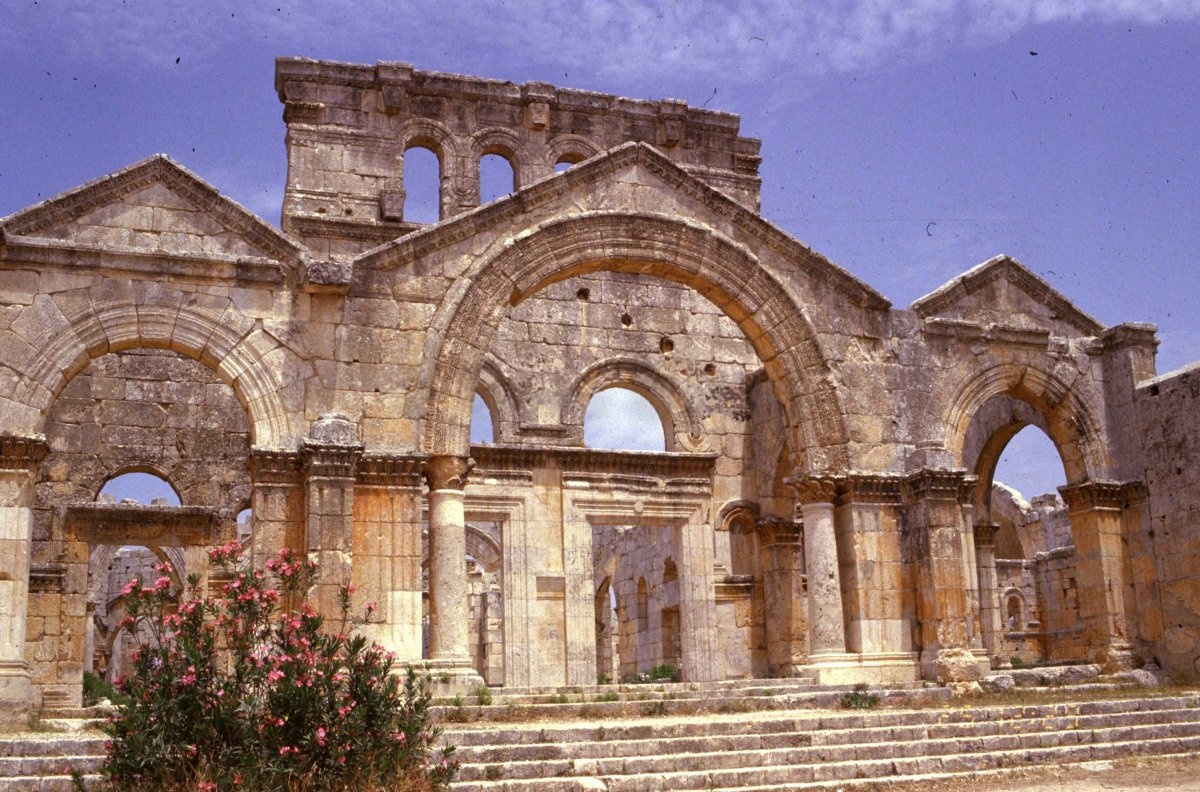
At the heart of the complex lies an octagonal central courtyard. In its middle rests the original limestone base of Saint Simeon’s pillar. Branching out from this octagonal hub are four distinct basilicas, arranged in the shape of a massive cross:
• The Four Wings: The Western, Northern, and Southern basilicas share similar dimensions.
• The East Basilica: This main sanctuary is the largest and most beautifully adorned wing. Because the stone base of the pillar was not aligned precisely to the east, architects ingeniously angled the entire East Basilica slightly northward to ensure prayers faced true east. Major liturgical services were held here, while the other wings accommodated pilgrims praying in different languages.
• Basilica Design: Built in classic basilica style, each wing features a central nave separated from side aisles by eight arches supported by nine elegant columns
.
2. The Monks' Cemetery (Crypt)
Located near the northern wall and dating to the late 5th century, this rock-cut chamber served as the resting place for the monastery’s monks. It contains eight rock tombs carved into the walls and an underground ossuary pit designed for sacred bone storage. A ninth tomb is carved directly into the northern outer fortress wall.
3. The Grand Monastery Complex
Adjoining the cathedral’s south and east sides is a 5,000-square-meter monastery. This three-story structure housed resident monks and featured livestock stables on the ground floor, a private basilica chapel for daily prayers, and outdoor stone basins used for pressing wine and olive oil. Visitors can also spot a raised rock platform used for outdoor sermons.
4. The Baptistery & Baptistery Church
Located just south of the main complex, this 2,000-square-meter area includes a square building housing an octagonal baptismal hall. Inside, a tiled baptismal pit with northern and southern staircases allowed adults to step down into the water for baptism. Adjacent to it stands a small chapel where post-baptismal rites were completed.
Practical Travel Guide: Hiking, Photography, & Local Insights
How to Get There
The church is situated approximately 60 kilometers (37 miles) northwest of Aleppo city.
• By Car / Private Taxi: Hiring a driver from Aleppo is the easiest and most flexible option. The scenic drive takes around 50 to 60 minutes through rolling limestone hills and olive groves.
• Guided Excursions: Local travel agencies in Aleppo offer day tours that bundle Saint Simeon with nearby historical stops.
Hiking & Outdoor Adventures
The surrounding Mount Simeon landscape is a paradise for outdoor enthusiasts:
• Hiking Trails: Take a day trek from Qal'at Semaan to nearby ancient sites like Brad or Kharab Shams. The terrain consists of gentle rocky limestone hills, wildflowers in spring, and centuries-old olive orchards.
• Camping: The peaceful valleys surrounding the complex offer wild outdoor camping opportunities under brilliant starry night skies. Be sure to carry proper gear, water, and respect local environmental guidelines.
Photography Tips
• Best Photo Spots: 1. The South Archway: Offers an iconic frame of the ancient stonework against the green valley below. 2. The Octagonal Courtyard: Capture the remains of Saint Simeon's pillar framed by soaring Byzantine arches. 3. The Baptistery Facade: Golden hour reflections highlight the intricate stonemasonry.
• Best Time for Photos: Golden Hour (4:30 PM – 6:30 PM). As the sun sets over northern Syria, the warm golden light illuminates the limestone arches, turning the entire complex into a photographer’s dream.
Local Cuisine & Nearby Attractions
What to Eat & Nearby Dining
After exploring the ruins, indulge in Aleppo's world-famous culinary heritage:
• Famous Dishes: Try Kebab Karaz (savory meat skewers cooked in sour cherry sauce), classic Aleppo Kebabs, freshly made Kibbeh Nayyeh, and warm flatbreads topped with local wild Za'atar and olive oil.
• Dining Options: Nearby towns like Daret Azza host traditional family-run eateries serving grilled meats and fresh mezze. Alternatively, return to Aleppo’s suburban garden restaurants for a full feast.
Nearby Attractions Worth Visiting
Combine your trip to Saint Simeon with these incredible nearby landmarks:
• Ain Dara Temple: An ancient Iron Age Syro-Hittite temple famous for its massive carved basalt footprints and protective lion statues.
• Brad: The historical village holding the tomb and early shrine of Saint Maron, patriarch of the Maronite tradition.
• The Citadel of Aleppo: A world-famous medieval fortress in the heart of nearby Aleppo city.
Accommodation & Where to Stay
Since the site is located in a rural heritage area, visitors usually stay in Aleppo:
• Heritage & Boutique Hotels: Stay in restored Ottoman mansions in Old Aleppo (e.g., Riga Palace or Coral Julia Dumna).
• Modern Hotels: Hotel options like Shahba Hotel offer full modern amenities, serving as an ideal base for daily excursions across northern Syria.
Final Thoughts
The Church of Saint Simeon Stylite is far more than an architecural monument; it is a moving testament to human faith, artistic brilliance, and enduring history. Whether you come to admire Byzantine stone carvings, hike the ancient valleys, or capture the golden hour sunset, a visit to Qal'at Semaan with yalla-syria promises an unforgettable journey into the beating heart of Syrian heritage.
Reviews & Ratings
0.0
★★★★★
0 reviews
💬
No reviews yet. Be the first to review!
Contact & Location
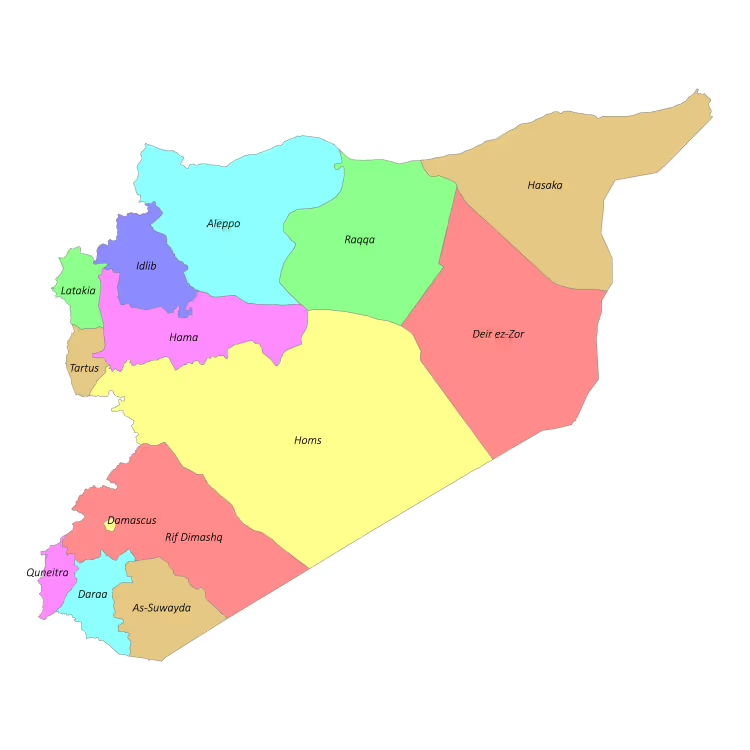
Idlib
Activity
59
Views
1
Likes
The Magic of Saint Simeon Stylite Church: Syria’s Ancient Wonder
Similar Places
More in Idlib

A New Era for Syria’s Digital Future and Tourism
Idlib
New
Services
Best Money Transfer Companies in Syria 2026
Damascus
New
Services
Navigating the Syrian Banking Sector: A Complete Guide to Opening an Account for foreigners and citizens
Damascus
New
Investment
🕌 The Heart of the Almond: Qalb Lozeh Church, A Syrian Masterpiece
Idlib
New
History & HeritageMore Culture & Lifestyle Places

Syrian Makdous: The Taste of Autumn, Childhood and Home
Syria
New
Culture & Lifestyle
10 Places Every Syrian Remembers From Childhood
Damascus
New
Culture & Lifestyle.jpeg&w=1200&q=75)
Discovering the Euphrates River: History, Travel, and Beauty in Syria
Raqqa
New
Adventure 
Unveiling the Cradle of History: Your Ultimate Guide to Syria Museums
Tartus
New
Culture & LifestyleDiscover Our Lady of Saidnaya Monastery: History, Faith, and Visitor Guide
Damascus
New
Culture & Lifestyle
Echoes of History: Discovering 10 Magnificent Castles in Syria
Syria
New
Culture & Lifestyle