
Is Syria Safe to Visit in 2026? Everything Travelers Need to Know
Discover what travelers should know about visiting Syria in 2026, including local hospitality, cultural experiences, travel planning, the changing face of Syrian tourism, and important official travel warnings.
Travel Guides
38
What to expect?
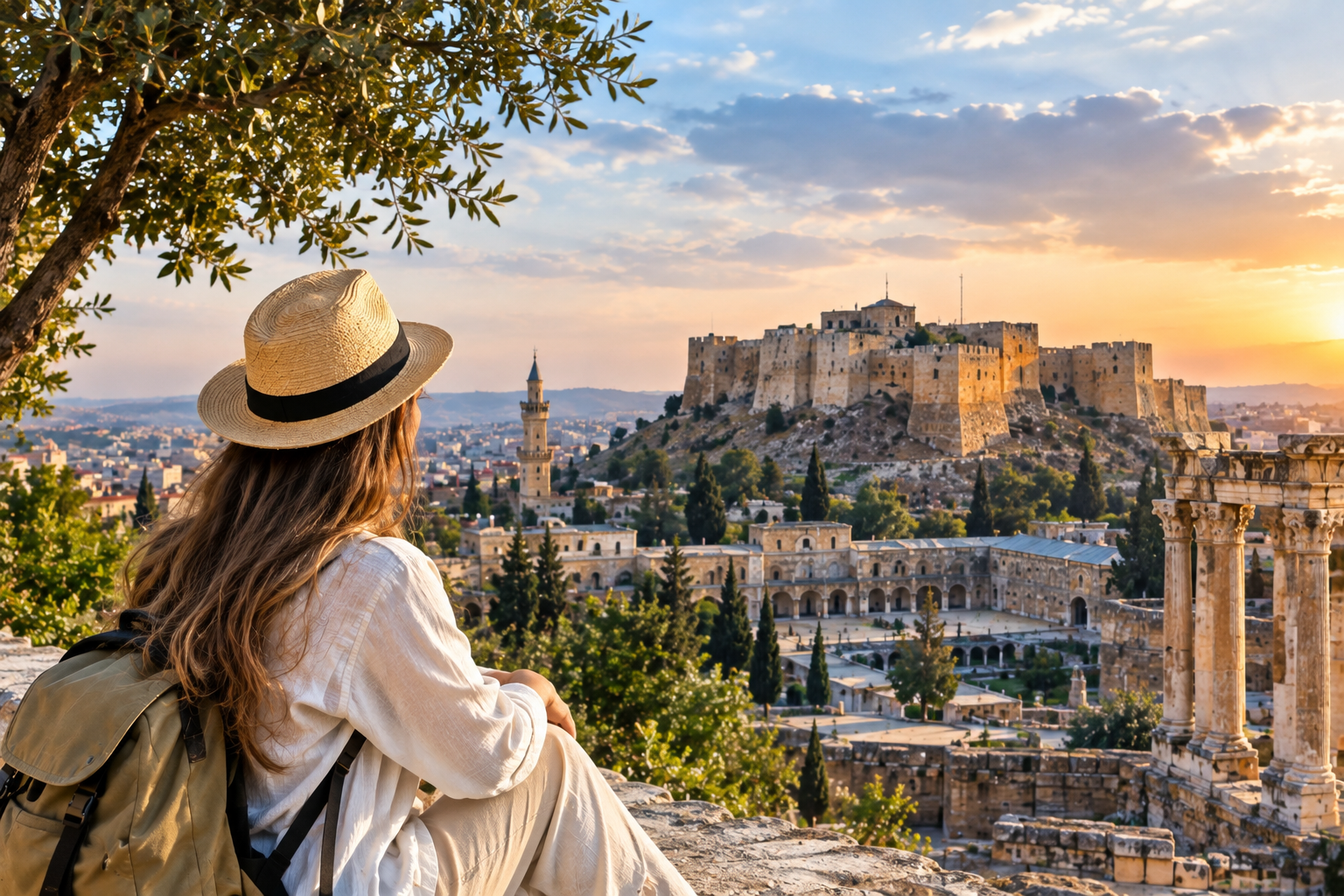
Is Syria safe to visit in 2026? This is an important question for anyone considering travel to the country. Syria is known for its ancient cities, remarkable architecture, diverse traditions, welcoming communities, and deep cultural history.
The country offers travelers opportunities to explore historic neighborhoods, traditional markets, religious landmarks, coastal landscapes, local cuisine, and everyday cultural life. At the same time, conditions can vary considerably between regions, and visitors should approach any journey with careful research, realistic expectations, and respect for local circumstances.
This guide explores Syria’s cultural attractions, local hospitality, travel experiences, practical planning considerations, and the official safety information that travelers must review before making a decision about visiting in 2026.
Syria in 2026: A Country of History, Hospitality, and Change
Syria has one of the richest cultural landscapes in the Middle East. From the historic streets of Damascus to the markets of Aleppo, the Mediterranean coastline, ancient ruins, traditional villages, and religious landmarks, the country offers a wide range of experiences for travelers interested in history and culture.
In recent years, international attention has often focused on Syria’s conflict and humanitarian challenges. However, the country is also home to millions of people continuing their daily lives, preserving traditions, rebuilding communities, and maintaining strong connections to their cultural identity.
Travelers who visit Syria may encounter both areas of ordinary daily life and locations affected by years of instability. Understanding this contrast is essential for responsible travel planning.
The Human Side of Syria: Hospitality Beyond the Headlines
One of the most frequently mentioned aspects of visiting Syria is the hospitality of its people. Syrian culture places strong value on welcoming guests, sharing food, offering coffee or tea, and helping visitors feel comfortable.
In many communities, visitors may experience warm conversations, traditional meals, spontaneous invitations, and genuine curiosity about their home countries. These personal encounters can become some of the most memorable parts of a journey.
Nevertheless, every travel experience is individual. A visitor’s positive interaction with local residents does not necessarily reflect conditions throughout the country or remove the need for careful preparation.
Foreign Travelers Visiting and Staying in Syria
Foreign travelers have shared experiences of visiting Syria, exploring its historic neighborhoods, meeting local people, and spending extended periods in the country. Some describe the warmth of Syrian communities, the country’s cultural depth, and the difference between international media coverage and everyday encounters.
One example often discussed online is the travel content published by American traveler Nick Maddock through his public Instagram account, @nickmaddockglobal. Travelers interested in his perspective can review his public content directly and distinguish personal observations from official travel information.
Personal travel stories can provide useful cultural insight, but they should not be treated as universal evidence of travel conditions.
Experiences may differ depending on the destination, date of travel, itinerary, and individual circumstances.
Damascus: History in the Heart of Syria
Damascus is one of the world’s oldest continuously inhabited cities and remains an important destination for travelers interested in history, architecture, food, and traditional urban life.
The Old City of Damascus includes historic markets, courtyards, mosques, churches, traditional houses, and narrow streets filled with cultural character.
Visitors may explore areas such as the Umayyad Mosque, Al-Hamidiyah Souq, Azm Palace, and traditional neighborhoods.
The experience of visiting Damascus can vary according to local circumstances.
Travelers should obtain updated information about transportation, accommodation, access restrictions, and local guidance before moving around the city.
Aleppo: A Historic City with a Powerful Cultural Identity
Aleppo has long been known for its historic citadel, traditional markets, cuisine, craftsmanship, and commercial heritage. The city’s history reflects centuries of cultural exchange across the region.
The Aleppo Citadel and the historic souqs are important symbols of the city’s identity.
Visitors interested in heritage tourism should research which sites are currently accessible and whether restoration or reconstruction work affects visits.
Travelers should avoid entering damaged, restricted, or unfamiliar areas without verified local guidance. Historic locations may contain structural or other hazards even when they appear open to visitors.
The Syrian Coast: Nature, Mountains, and Mediterranean Culture
Syria’s Mediterranean coastline offers a different perspective on the country. Coastal communities are known for seafood, sea views, mountain landscapes, and a distinct regional culture.
Tartous, Latakia, and surrounding areas feature beaches, coastal roads, traditional food, and opportunities for nature-focused travel.
The region also includes historical and archaeological attractions that appeal to visitors interested in the Mediterranean’s cultural heritage.
Before traveling to coastal areas, visitors should verify road conditions, local regulations, accommodation availability, and any current regional developments.
Syrian Celebrations, Traditions, and Everyday Life
Syrian cultural life includes religious celebrations, family gatherings, traditional music, local cuisine, handicrafts, and neighborhood markets.
Depending on the time of year, travelers may encounter celebrations that highlight the country’s cultural and religious diversity.
Food is an especially important part of Syrian hospitality. Dishes such as kibbeh, maqluba, shawarma, stuffed vegetables, hummus, muhammara, and traditional sweets reflect the variety of Syrian culinary traditions.
Visitors should approach local customs with respect, dress appropriately for the places they visit, and ask permission before photographing people, religious ceremonies, or private gatherings.
Important Travel Considerations Before Visiting Syria
1. Check Official Travel Advisories
Travelers should review the latest travel advisory issued by their government before making any plans. Advisories may include information about entry restrictions, security concerns, consular assistance, and emergency procedures.
2. Confirm Visa and Entry Requirements
Visa rules and entry procedures can vary according to nationality, border crossing, and travel purpose. Contact the relevant Syrian authorities or an authorized travel provider to confirm the latest requirements before departure.
3. Research Transportation Carefully
Road conditions, checkpoints, border crossings, and transportation availability may change. Avoid relying exclusively on old travel blogs or information published several months earlier.
4. Choose Accommodation Carefully
Research accommodation in advance and confirm its location, operating status, payment methods, cancellation policy, and access to essential services. A reputable local contact can help clarify practical arrangements.
5. Obtain Appropriate Insurance Information
Travelers should check whether their insurance policy covers Syria and whether exclusions apply to destinations subject to official travel warnings. Some policies may not provide coverage when a traveler visits against government advice.
6. Keep Important Documents Accessible
Carry copies of your passport, visa documents, insurance information, emergency contacts, and accommodation details. Keep digital and physical copies in separate secure locations.
7. Respect Local Laws and Customs
Laws and social expectations may differ from those in your home country. Avoid photographing sensitive locations, security installations, government buildings, or individuals without permission. Follow local instructions and seek advice when uncertain.
8. Prepare for Changes to Your Itinerary
Flights, border crossings, roads, and local services may be affected by unexpected developments. Maintain flexibility and ensure that someone you trust knows your travel plans.
Responsible Tourism in Syria
Responsible tourism means recognizing both the cultural value of a destination and the realities faced by its residents. Visitors can support local communities by choosing locally owned accommodation, purchasing traditional handicrafts, eating at local businesses, and treating historical sites respectfully.
Travelers should avoid exploiting personal hardship for photographs or social media content. When documenting their journey, they should prioritize dignity, consent, and cultural sensitivity.
Tourism can encourage cultural exchange and support local livelihoods, but it should be approached with realistic expectations and respect for the communities being visited.
Can Syria Become a Renewed Tourism Destination?
Syria possesses significant tourism potential through its archaeological sites, religious heritage, historic cities, cuisine, natural landscapes, and cultural traditions.
The country’s future tourism development will depend on several factors, including infrastructure, preservation, investment, transportation, public services, and the wider security environment.
Sustainable tourism development requires protecting historical sites, supporting local communities, improving visitor information, and ensuring that tourism activities are responsibly managed.
For international travelers and investors, understanding these conditions is essential when considering future opportunities connected to Syrian tourism.
A More Complete Perspective on Syria
Syria cannot be understood through a single photograph, headline, or travel story. It is a country with extraordinary cultural heritage, complex recent history, diverse communities, and changing local circumstances.
Some visitors may experience welcoming streets, traditional food, historic architecture, and meaningful conversations. Others may face logistical difficulties, restrictions, or serious security concerns. A balanced discussion of travel to Syria should acknowledge the country’s cultural richness while also recognizing the official warnings and practical challenges described below.
The most responsible approach is to combine cultural curiosity with careful preparation, updated information, and respect for official guidance.
Final Thoughts: Research Before You Travel
Syria offers remarkable history, hospitality, architecture, cuisine, and cultural experiences. Travelers interested in visiting should research destinations carefully, confirm entry requirements, review local arrangements, and prepare for possible changes to their itinerary.
Personal accounts and positive encounters can offer valuable cultural perspectives, but they should not replace official information or individual risk assessment. Conditions may differ between regions and can change over time.
Before making any decision, travelers should consult current government advisories, verify available assistance, and consider whether their circumstances allow them to travel responsibly and safely.
The country offers travelers opportunities to explore historic neighborhoods, traditional markets, religious landmarks, coastal landscapes, local cuisine, and everyday cultural life. At the same time, conditions can vary considerably between regions, and visitors should approach any journey with careful research, realistic expectations, and respect for local circumstances.
This guide explores Syria’s cultural attractions, local hospitality, travel experiences, practical planning considerations, and the official safety information that travelers must review before making a decision about visiting in 2026.
Syria in 2026: A Country of History, Hospitality, and Change
Syria has one of the richest cultural landscapes in the Middle East. From the historic streets of Damascus to the markets of Aleppo, the Mediterranean coastline, ancient ruins, traditional villages, and religious landmarks, the country offers a wide range of experiences for travelers interested in history and culture.
In recent years, international attention has often focused on Syria’s conflict and humanitarian challenges. However, the country is also home to millions of people continuing their daily lives, preserving traditions, rebuilding communities, and maintaining strong connections to their cultural identity.
Travelers who visit Syria may encounter both areas of ordinary daily life and locations affected by years of instability. Understanding this contrast is essential for responsible travel planning.
The Human Side of Syria: Hospitality Beyond the Headlines
One of the most frequently mentioned aspects of visiting Syria is the hospitality of its people. Syrian culture places strong value on welcoming guests, sharing food, offering coffee or tea, and helping visitors feel comfortable.
In many communities, visitors may experience warm conversations, traditional meals, spontaneous invitations, and genuine curiosity about their home countries. These personal encounters can become some of the most memorable parts of a journey.
Nevertheless, every travel experience is individual. A visitor’s positive interaction with local residents does not necessarily reflect conditions throughout the country or remove the need for careful preparation.
Foreign Travelers Visiting and Staying in Syria
Foreign travelers have shared experiences of visiting Syria, exploring its historic neighborhoods, meeting local people, and spending extended periods in the country. Some describe the warmth of Syrian communities, the country’s cultural depth, and the difference between international media coverage and everyday encounters.
One example often discussed online is the travel content published by American traveler Nick Maddock through his public Instagram account, @nickmaddockglobal. Travelers interested in his perspective can review his public content directly and distinguish personal observations from official travel information.
Personal travel stories can provide useful cultural insight, but they should not be treated as universal evidence of travel conditions.
Experiences may differ depending on the destination, date of travel, itinerary, and individual circumstances.
Damascus: History in the Heart of Syria
Damascus is one of the world’s oldest continuously inhabited cities and remains an important destination for travelers interested in history, architecture, food, and traditional urban life.
The Old City of Damascus includes historic markets, courtyards, mosques, churches, traditional houses, and narrow streets filled with cultural character.
Visitors may explore areas such as the Umayyad Mosque, Al-Hamidiyah Souq, Azm Palace, and traditional neighborhoods.
The experience of visiting Damascus can vary according to local circumstances.
Travelers should obtain updated information about transportation, accommodation, access restrictions, and local guidance before moving around the city.
Aleppo: A Historic City with a Powerful Cultural Identity
Aleppo has long been known for its historic citadel, traditional markets, cuisine, craftsmanship, and commercial heritage. The city’s history reflects centuries of cultural exchange across the region.
The Aleppo Citadel and the historic souqs are important symbols of the city’s identity.
Visitors interested in heritage tourism should research which sites are currently accessible and whether restoration or reconstruction work affects visits.
Travelers should avoid entering damaged, restricted, or unfamiliar areas without verified local guidance. Historic locations may contain structural or other hazards even when they appear open to visitors.
The Syrian Coast: Nature, Mountains, and Mediterranean Culture
Syria’s Mediterranean coastline offers a different perspective on the country. Coastal communities are known for seafood, sea views, mountain landscapes, and a distinct regional culture.
Tartous, Latakia, and surrounding areas feature beaches, coastal roads, traditional food, and opportunities for nature-focused travel.
The region also includes historical and archaeological attractions that appeal to visitors interested in the Mediterranean’s cultural heritage.
Before traveling to coastal areas, visitors should verify road conditions, local regulations, accommodation availability, and any current regional developments.
Syrian Celebrations, Traditions, and Everyday Life
Syrian cultural life includes religious celebrations, family gatherings, traditional music, local cuisine, handicrafts, and neighborhood markets.
Depending on the time of year, travelers may encounter celebrations that highlight the country’s cultural and religious diversity.
Food is an especially important part of Syrian hospitality. Dishes such as kibbeh, maqluba, shawarma, stuffed vegetables, hummus, muhammara, and traditional sweets reflect the variety of Syrian culinary traditions.
Visitors should approach local customs with respect, dress appropriately for the places they visit, and ask permission before photographing people, religious ceremonies, or private gatherings.
Important Travel Considerations Before Visiting Syria
1. Check Official Travel Advisories
Travelers should review the latest travel advisory issued by their government before making any plans. Advisories may include information about entry restrictions, security concerns, consular assistance, and emergency procedures.
2. Confirm Visa and Entry Requirements
Visa rules and entry procedures can vary according to nationality, border crossing, and travel purpose. Contact the relevant Syrian authorities or an authorized travel provider to confirm the latest requirements before departure.
3. Research Transportation Carefully
Road conditions, checkpoints, border crossings, and transportation availability may change. Avoid relying exclusively on old travel blogs or information published several months earlier.
4. Choose Accommodation Carefully
Research accommodation in advance and confirm its location, operating status, payment methods, cancellation policy, and access to essential services. A reputable local contact can help clarify practical arrangements.
5. Obtain Appropriate Insurance Information
Travelers should check whether their insurance policy covers Syria and whether exclusions apply to destinations subject to official travel warnings. Some policies may not provide coverage when a traveler visits against government advice.
6. Keep Important Documents Accessible
Carry copies of your passport, visa documents, insurance information, emergency contacts, and accommodation details. Keep digital and physical copies in separate secure locations.
7. Respect Local Laws and Customs
Laws and social expectations may differ from those in your home country. Avoid photographing sensitive locations, security installations, government buildings, or individuals without permission. Follow local instructions and seek advice when uncertain.
8. Prepare for Changes to Your Itinerary
Flights, border crossings, roads, and local services may be affected by unexpected developments. Maintain flexibility and ensure that someone you trust knows your travel plans.
Responsible Tourism in Syria
Responsible tourism means recognizing both the cultural value of a destination and the realities faced by its residents. Visitors can support local communities by choosing locally owned accommodation, purchasing traditional handicrafts, eating at local businesses, and treating historical sites respectfully.
Travelers should avoid exploiting personal hardship for photographs or social media content. When documenting their journey, they should prioritize dignity, consent, and cultural sensitivity.
Tourism can encourage cultural exchange and support local livelihoods, but it should be approached with realistic expectations and respect for the communities being visited.
Can Syria Become a Renewed Tourism Destination?
Syria possesses significant tourism potential through its archaeological sites, religious heritage, historic cities, cuisine, natural landscapes, and cultural traditions.
The country’s future tourism development will depend on several factors, including infrastructure, preservation, investment, transportation, public services, and the wider security environment.
Sustainable tourism development requires protecting historical sites, supporting local communities, improving visitor information, and ensuring that tourism activities are responsibly managed.
For international travelers and investors, understanding these conditions is essential when considering future opportunities connected to Syrian tourism.
A More Complete Perspective on Syria
Syria cannot be understood through a single photograph, headline, or travel story. It is a country with extraordinary cultural heritage, complex recent history, diverse communities, and changing local circumstances.
Some visitors may experience welcoming streets, traditional food, historic architecture, and meaningful conversations. Others may face logistical difficulties, restrictions, or serious security concerns. A balanced discussion of travel to Syria should acknowledge the country’s cultural richness while also recognizing the official warnings and practical challenges described below.
The most responsible approach is to combine cultural curiosity with careful preparation, updated information, and respect for official guidance.
Final Thoughts: Research Before You Travel
Syria offers remarkable history, hospitality, architecture, cuisine, and cultural experiences. Travelers interested in visiting should research destinations carefully, confirm entry requirements, review local arrangements, and prepare for possible changes to their itinerary.
Personal accounts and positive encounters can offer valuable cultural perspectives, but they should not replace official information or individual risk assessment. Conditions may differ between regions and can change over time.
Before making any decision, travelers should consult current government advisories, verify available assistance, and consider whether their circumstances allow them to travel responsibly and safely.
Reviews & Ratings
0.0
★★★★★
0 reviews
💬
No reviews yet. Be the first to review!
Contact & Location
Activity
38
Views
0
Likes
📍 Location
Location not specified
More Travel Guides Places
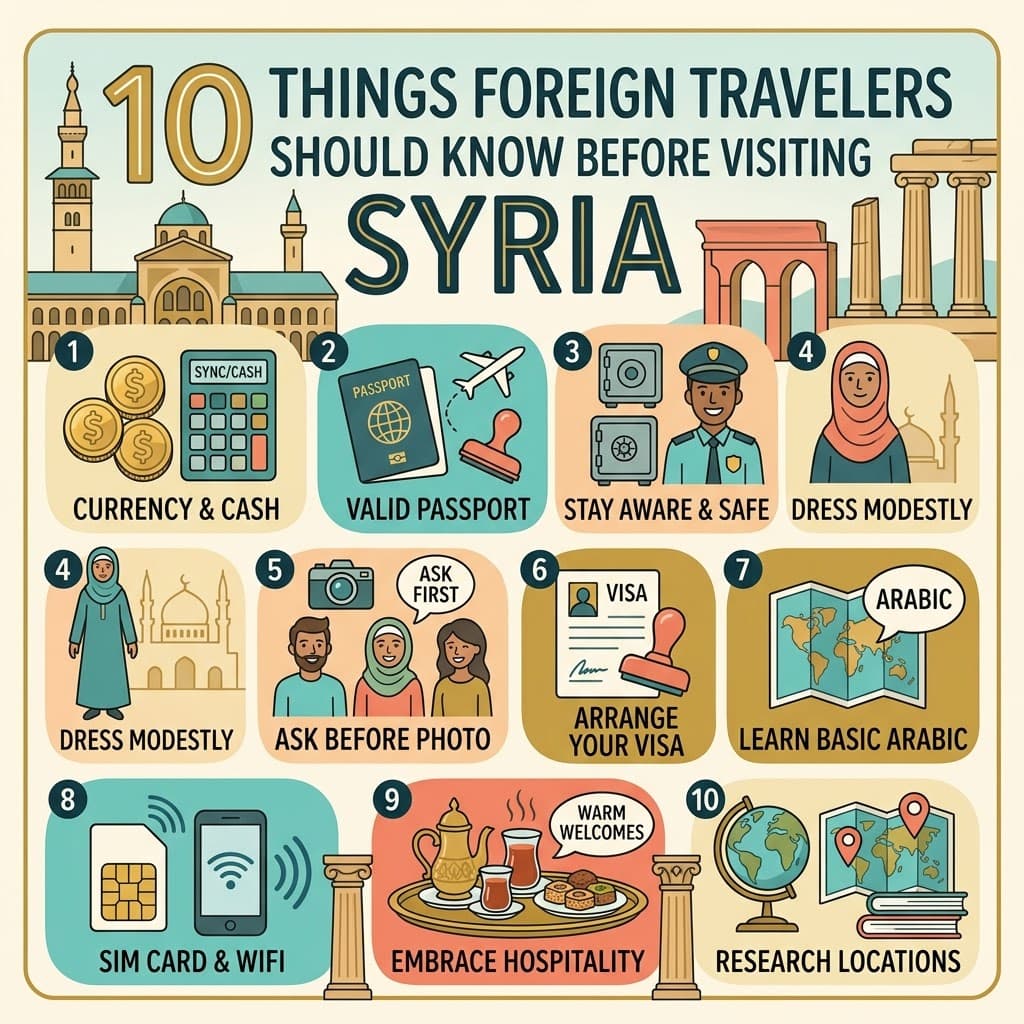
Visiting Syria: 10 Essential Tips for Foreign Travelers
Syria
New
Travel Guides
How Much Does a Trip to Syria Cost in 2026? A Realistic Budget Guide
Syria
New
Travel Guides
Syrian Maldives: 7 Incredible Beaches and Coastal Gems in Syria
Tartus
New
Adventure 
The Most Beautiful Roads in Syria: A Road Trip Through the Country
Syria
New
Travel Guides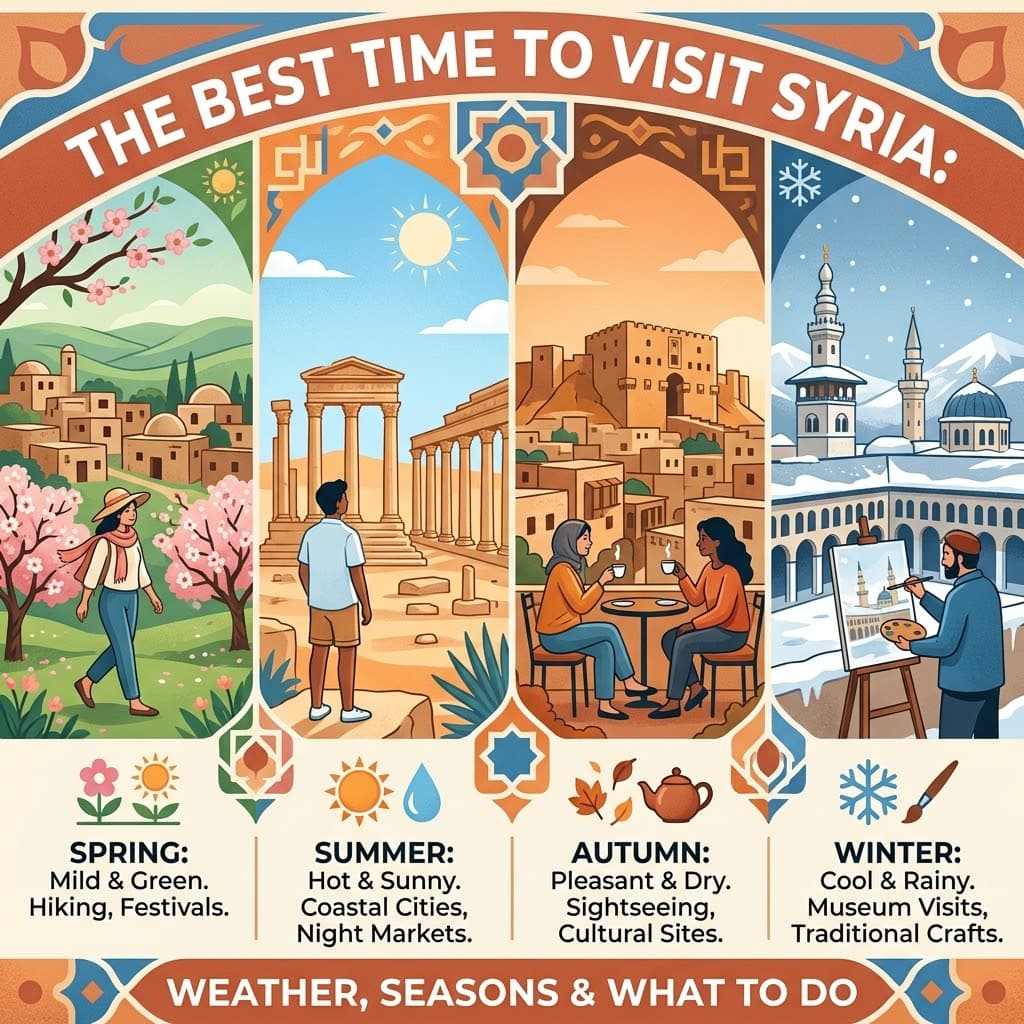
The Best Time to Visit Syria: Weather, Seasons & What to Do
Syria
New
Travel Guides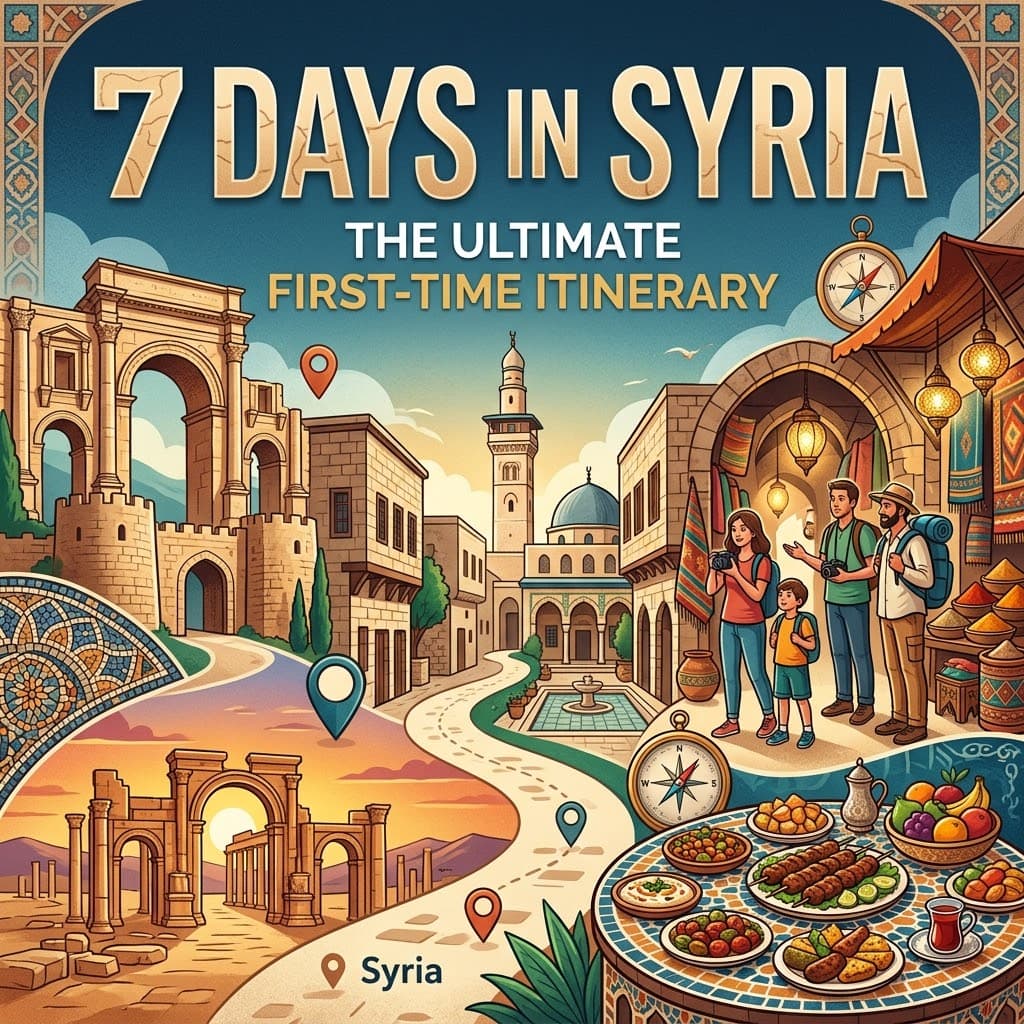
7 Days in Syria: The Ultimate First-Time Itinerary
Syria
New
Travel Guides