
Salhiyeh Market The Beating Heart of Damascus
Salhiyeh Market in Damascus From the Parliament building to Al-Rawda Cafe, explore the history and charm of Syria’s iconic street.
What to expect?
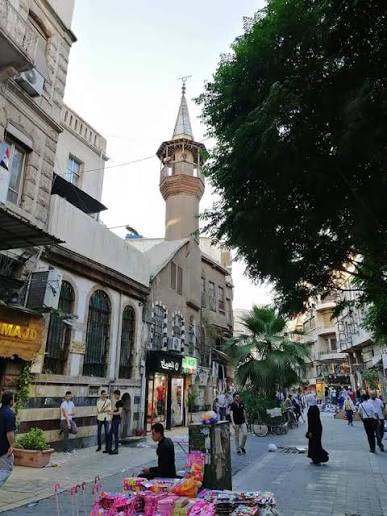
No trip to the Syrian capital is truly complete without a stroll through its most famous artery. Whether you are a local resident or a traveler visiting for just a few hours, Bawabat Al-Salhiyeh is an unavoidable destination. It is the place where the ancient whispers of history meet the rhythmic pulse of modern life.
At yalla-syria, we invite you to explore this iconic market that manages to hold all of Syria’s contradictions within its paved paths.
Where Heritage Meets Modernity
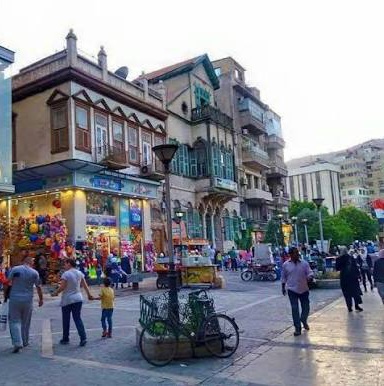
Salhiyeh is more than just a place to buy clothes or souvenirs; it is a social ritual. Located in the very center of Damascus, the market is famous for bridging the gap between the traditional and the contemporary. It gathers the elite and the popular classes, the elderly who remember the tramways of old, and the youth looking for the latest fashion trends.
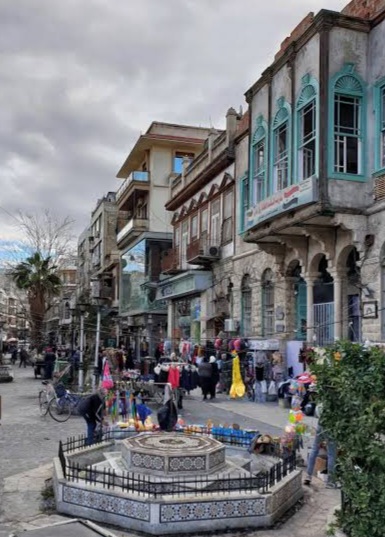
The journey begins at the magnificent Youssef al-Azmeh Square, named after the heroic former Minister of Defense whose statue stands proudly in the center. This square is a masterpiece of Damascene urban design, characterized by its distinctive black heritage stones and dancing fountains. From here, the street stretches westward, intersecting with Al-Abed Street, before transforming into the pedestrian-friendly Shuhada Avenue, leading toward the lush Arnous Garden and the famous Hamra Street.
A History Born of Resilience
The name "Salhiyeh" carries deep historical weight. While Damascus is famous for its seven ancient gates within the Roman walls, other "gates" emerged as the city expanded during the Ayyubid, Mamluk, and Ottoman eras.
The Salhiyeh neighborhood itself was founded in 1156 AD on the slopes of Mount Qasioun by immigrants from Jerusalem fleeing the Crusaders. The locals called these newcomers "Al-Salihin" (the Pious), and thus the area earned its name. However, the commercial district we know today as Bawabat Al-Salhiyeh took its architectural shape in the early 20th century.
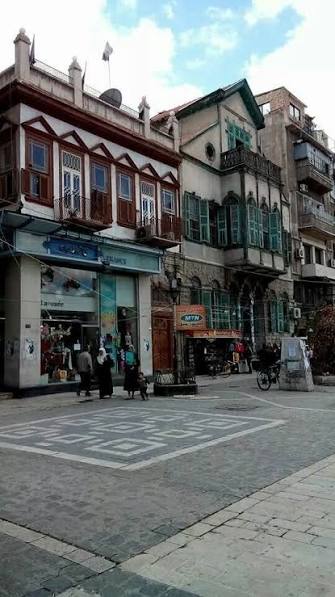
Historians note that the buildings along Salhiyeh Street were officially inaugurated in 1903 during the reign of Ottoman Governor Hassan Nazim Pasha. By 1921, the area became a prestigious hub, housing wealthy French and Italian families who constructed elegant villas and apartments that still stand as witnesses to a cosmopolitan past.
Architectural Landmarks: From Politics to Poetry
As you walk through Salhiyeh, you aren't just passing shops; you are passing monuments.
1. The Syrian Parliament (Majlis al-Sha'ab)
Constructed in 1929, this building is the political heart of the nation. Interestingly, the site once housed the very first cinema in Damascus, opened by Jamal Pasha in 1916. Though that original wooden structure tragically burned down just months after its opening, the Parliament building that replaced it remains one of the most beautiful examples of Syrian masonry.
2. Al-Rawda Cafe
You cannot mention Salhiyeh without Al-Rawda. This legendary cafe is the unofficial headquarters for Syria’s intellectuals, poets, and politicians. For decades, it has been the place where scripts are written, political debates are settled over backgammon, and the fragrant smoke of jasmine-scented nargileh fills the air.
3. Cultural Hubs
The street is also home to the Old Officers' Club and the Al-Hamra Theater, which opened in 1967. These institutions helped cement Salhiyeh as a cultural center, ensuring that the "shopping trip" always had a layer of artistic sophistication.
A Walk Through Shuhada Avenue
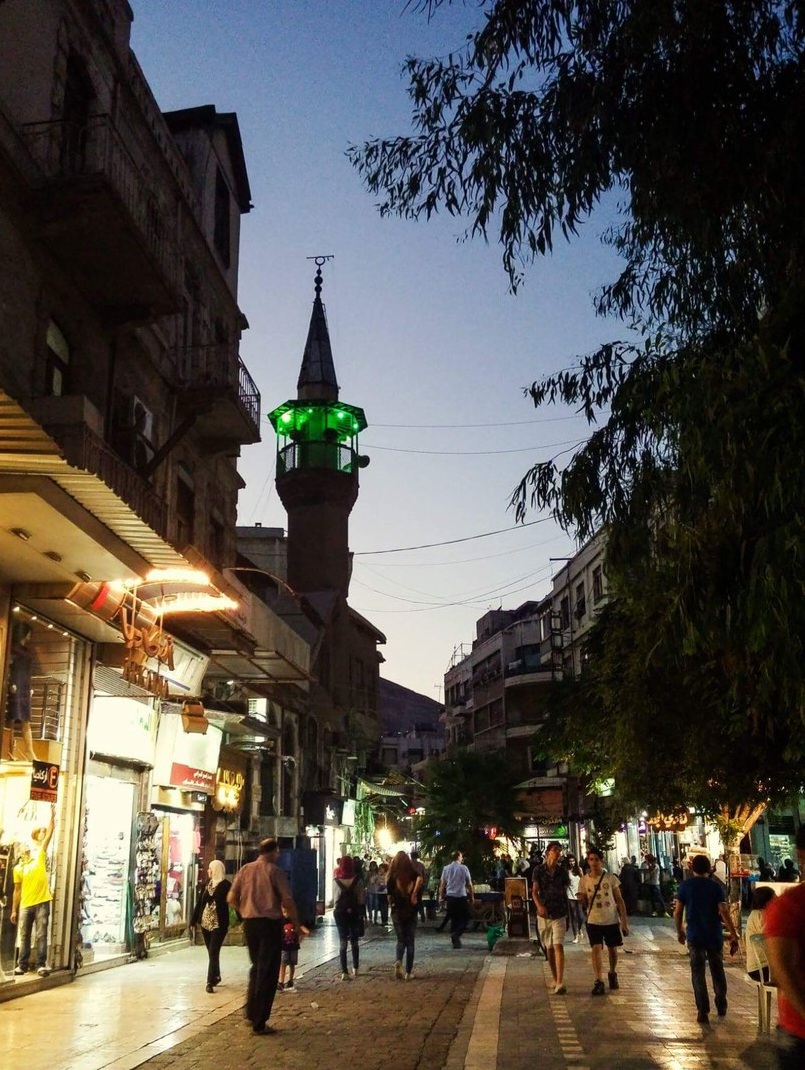
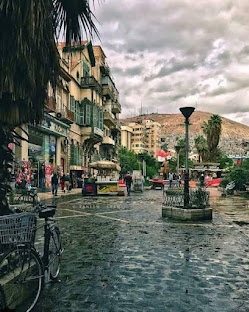
The second section of the street, Jadat al-Shuhada (Martyrs' Avenue), offers a different pace. Here, the road is paved with traditional "Laboun" stones, and car traffic is strictly prohibited. This pedestrian paradise allows visitors to appreciate the early 20th-century architecture and the historic Al-Shuhada Mosque without the noise of engines.
It is in this area where history feels most personal. Did you know that the former Tunisian President Habib Bourguiba once lived here? Before he led his country, he was a political refugee in Damascus in the late 1930s, renting a home behind the Prince Cinema in the heart of Salhiyeh.
The Social Ritual: "Al-Meshwar"
For Damascenes, visiting Salhiyeh is a weekly—if not daily—necessity. It isn’t always about buying; it’s about the "Meshwar" (the stroll). People come to see what’s new in the shop windows, to grab a snack, or simply to feel the energy of the crowd.
When visitors from other Syrian provinces or Arab countries return home, the first question they are asked by friends and family is: "What’s new in the shops of Salhiyeh?" and "How was your walk in the Gate?" To visit Damascus and skip Salhiyeh is, in the eyes of many, like not visiting Damascus at all.
Why Visit Salhiyeh Today?
Despite the passing of time and the challenges the city has faced, Salhiyeh remains resilient. It offers a unique shopping experience that high-end malls simply cannot replicate.
• Diverse Shopping: From international brands to local hand-crafted textiles.
• Culinary Delights: From quick street food to the slow pace of historical cafes.
• Atmosphere: The scent of roasted coffee mixed with the cool evening breeze coming down from Mount Qasioun.
Travel Tips for Your Visit
• Best Time to Visit: Late afternoon is perfect. You can watch the transition from the busy daytime commerce to the glittering lights of the evening.
• Footwear: Wear comfortable shoes! You’ll want to explore every nook and cranny from Youssef al-Azmeh Square to the end of Shuhada Avenue.
• Photography: The intersection of heritage stones and modern life makes for incredible photos, especially near the Parliament and the fountains.
Conclusion
Bawabat Al-Salhiyeh is the mirror of Damascus. It reflects the city's ability to evolve while holding tightly to its soul. It is a place where every stone tells a story of refugees turned citizens, of presidents in hiding, and of a people who find joy in the simple act of walking together.
At yalla-syria, we believe that the beauty of Syria lies in these lived experiences. Salhiyeh isn't just a market; it's a living museum of the Syrian spirit.
Reviews & Ratings
0.0
★★★★★
0 reviews
💬
No reviews yet. Be the first to review!
Accessibility Features
Wheelchair Access
Accessible Parking
Contact & Location
Salhiyeh Market
Damascus
Activity
64
Views
7
Likes
Salhiyeh Market The Beating Heart of Damascus
Similar Places

Unveiling the Cradle of History: Your Ultimate Guide to Syria Museums
Tartus
New
Culture & LifestyleDiscover Our Lady of Saidnaya Monastery: History, Faith, and Visitor Guide
Damascus
New
Culture & Lifestyle.jpeg&w=1200&q=75)
Cherubim Monastery Syria: A Journey Above the Clouds
Damascus
New
Culture & Lifestyle
The Ultimate Guide to the Great Umayyad Mosque in Damascus
Damascus
New
Culture & Lifestyle
The Saint’s Path: A Sacred Journey from Damascus to Maaloula and Sednaya
Damascus
New
History & HeritageThe Mariamite Cathedral of Damascus: A Timeless Beacon of Faith in Old Syria
Damascus
New
Culture & LifestyleMore in Damascus

A Taste of Damascus: 5 Authentic Local Restaurants You Must Visit
Damascus
New
Caffe & Restaurants
Eagle Hills Syria: A New Vision for Damascus and Latakia
Damascus
New
Investment
Fashion Gate Mall Syria: A New Luxury Shopping Destination in Damascus
Damascus
New
Markets & Shopping
Investing in Damascus: Tourism, Hospitality & Real Estate
Damascus
New
Investment
10 Places Every Syrian Remembers From Childhood
Damascus
New
Culture & LifestyleSki Land Damascus: When Ice Skating Brings Back the Joy
Damascus
5.0(1)
Adventure More History & Heritage Places
15 Hidden Places in Syria That Look Like They Belong in Another World
Syria
New
History & Heritage.jpeg&w=1200&q=75)
🏰 Aleppo Citadel: A Journey Through Thousands of Years of Syrian History
Aleppo
New
History & Heritage
Unveiling the Orontes River: A 3-Day Syrian Journey
Hama
New
Adventure .jpeg&w=1200&q=75)
Discovering the Euphrates River: History, Travel, and Beauty in Syria
Raqqa
New
Adventure Unveiling the Cradle of History: Your Ultimate Guide to Syria Museums
Tartus
New
Culture & LifestyleDiscover Our Lady of Saidnaya Monastery: History, Faith, and Visitor Guide
Damascus
New
Culture & Lifestyle