The Soul of Damascus: Rediscovering Al-Rawda Cafe’s Legacy and Liberty
In the heart of Damascus, where the scent of jasmine mingles with the echoes of history, there is a place that transcends the definition of a simple coffeehouse. Al-Rawda Cafe
What to expect?
Al-Rawda Cafe is not just a spot to sip tea; it is a living encyclopedia of Syrian memory, a silent witness to decades of triumphs, struggles, and the unbreakable spirit of a nation. For those visiting through yalla-syria, Al-Rawda represents the very essence of the Syrian identity—resilient, intellectual, and now, finally, breathing the air of freedom once again.
The Architectural Heart: A Damascene Oasis
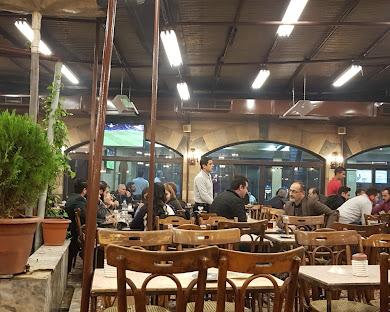
Founded in 1937, Al-Rawda Cafe was built upon the ruins of an old cinema in the Salhiya district. Its design is a love letter to traditional Damascene architecture. At its center lies the iconic "Bahra"—a Levantine fountain—whose rhythmic trickling of water has provided the soundtrack for thousands of intense debates and quiet reflections.
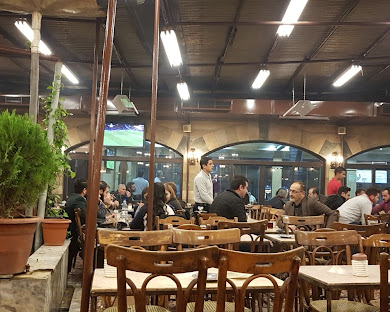
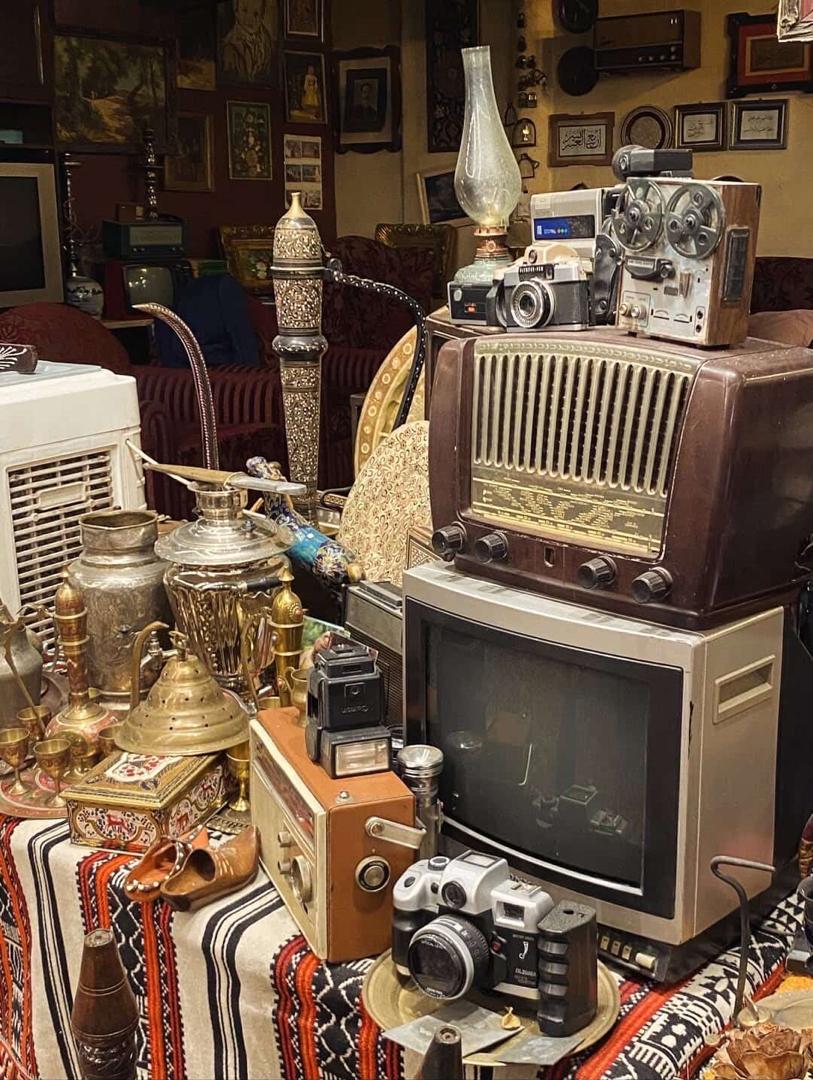
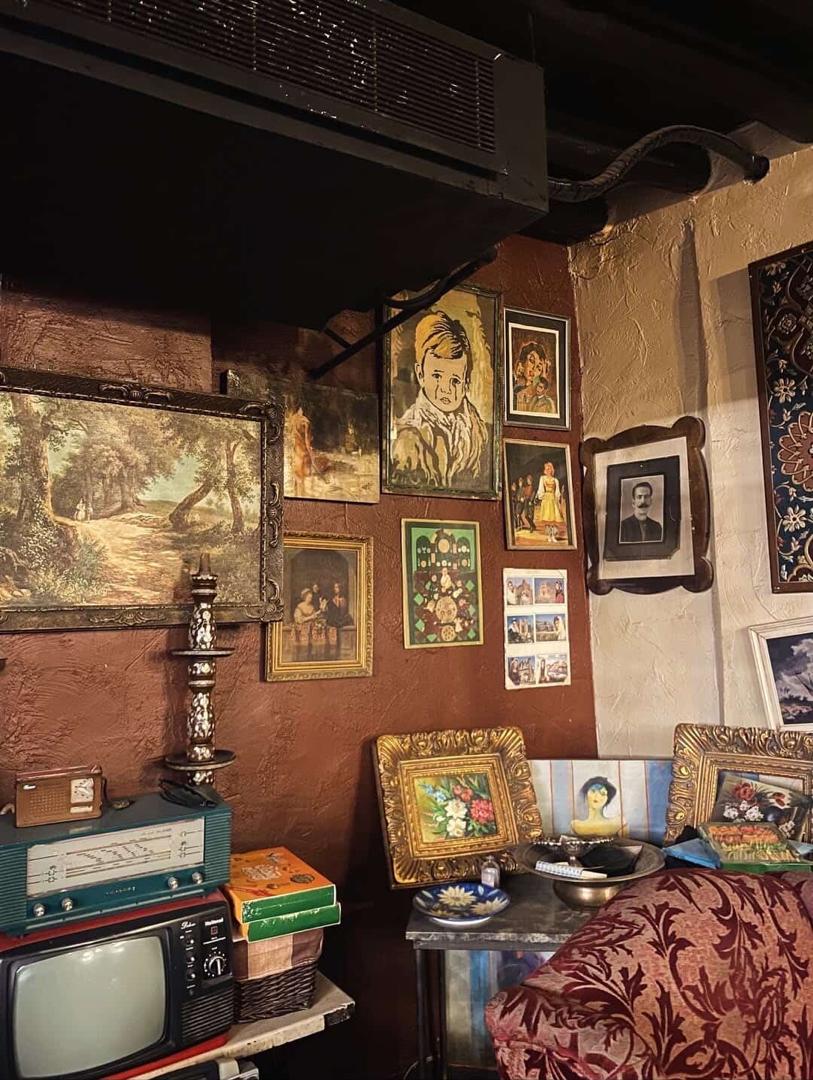
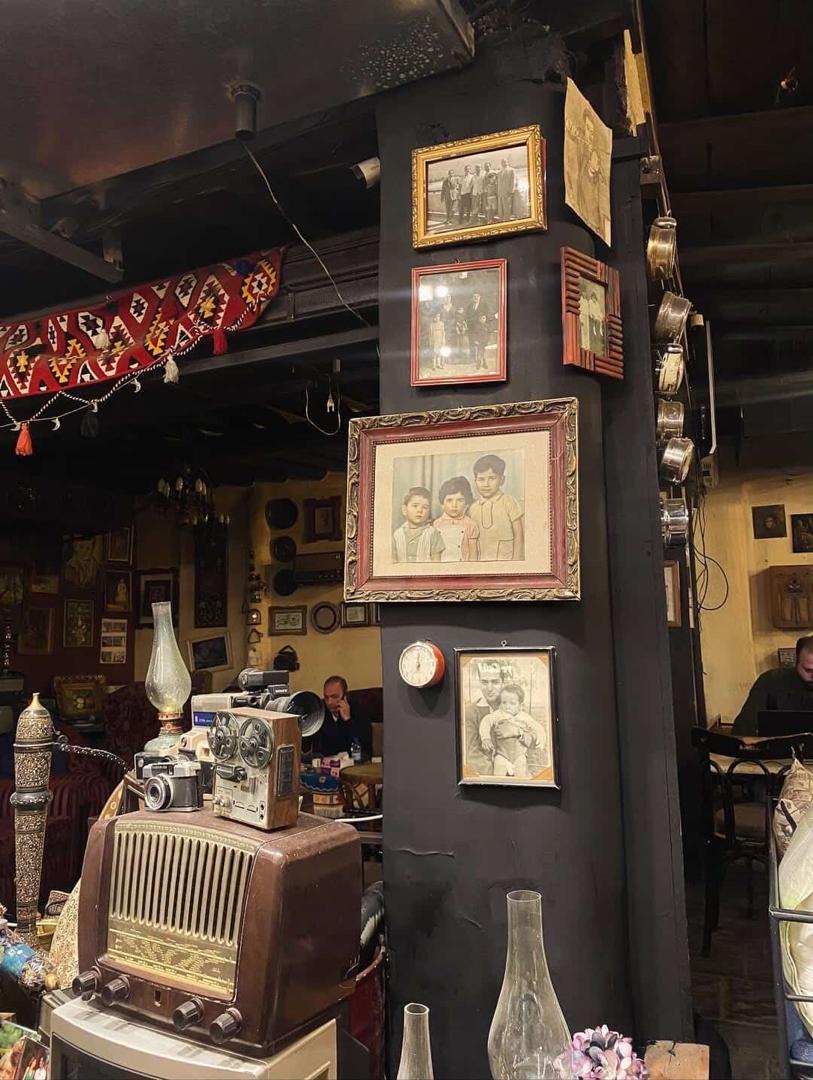
The decor is unapologetically simple. There are no flashing neon lights or modern minimalist furniture here. Instead, you find sturdy wooden chairs, walls adorned with art and photographs reflecting Syria’s rich heritage, and an atmosphere that feels like a warm embrace from the past. It is a space where the "Eastern style" isn't a design choice; it’s a way of life.
A Crossroads of Power and Poetry
Strategically located at the end of Al-Abed Street, directly opposite the Syrian Parliament, Al-Rawda was destined to be more than a social club. Its proximity to the seat of power made it a magnetic pole for the country’s most influential figures.
For decades, this was the "office" of legendary intellectuals and poets. Figures like Mamdouh Adwan, the rebellious Mohammad al-Maghout, and the Iraqi poet Saadi Youssef were staples of the cafe. It was here that verses were drafted and plays were debated. Even regional political figures, including a young Saddam Hussein during his time in Damascus, were known to frequent its halls.
The cafe saw it all: the era of military coups, the bittersweet years of independence, and the clandestine meetings of activists. It was the incubator for the "Damascus Spring" dialogues in the early 2000s, where voices like Michel Kilo and Ahmed Barqawi dared to dream of a democratic future.
The Dark Years and the Rebirth
Under the oppressive shadow of the Al-Assad regime, the vibrant intellectual life of Al-Rawda was stifled. The secret police became more common than the poets, and many of the cafe’s regulars were forced into exile or silence. The "political follow-ups" and surveillance turned this sanctuary into a place of caution.
However, with the fall of the regime, Al-Rawda is reclaiming its luster. Today, the cafe is experiencing a "Golden Age" reminiscent of the post-independence era. The loud, sharp political debates have returned. Voices rise not in anger, but in a passionate pursuit of the country's best interests. It has transformed from a site of surveillance back into a site of liberation.
A Hub for the Next Generation of Stars
Al-Rawda has always been a bridge between generations. It is famously remembered as the place where the youth of the High Institute of Dramatic Arts would wait for a glimpse of their idols.
Legends like Rafiq Subaie (the "People's Artist") and the visionary director Hatem Ali were regulars. Aspiring actors and actresses would sit at nearby tables, hoping for a word of advice or a chance encounter that might lead to their big break. Many of today’s "A-list" Syrian stars began their journey as dreamers sitting by Al-Rawda’s fountain.
Interestingly, the cafe also marked social milestones; it wasn't until 2001 that the first young woman broke tradition to sit in what was long a male-dominated space, paving the way for the inclusive, diverse atmosphere seen today.
A Global Meeting Point
While Al-Rawda is deeply Syrian, its appeal is universal. Today, as you walk through the cafe, the air is thick with a melody of languages. You will hear the sharp clicking of backgammon dice—the timeless "Tawla"—blending with dialects from East Asia, Europe, and the Americas.
It has become a must-visit destination for journalists, researchers, and tourists who want to see "the real Syria." It is a place where a traveler from New York can sit next to a local merchant from the old market, both enjoying a glass of Syrian tea under the same historic roof.
Why Al-Rawda Matters Today
In the new era of a free Syria, Al-Rawda stands as a symbol of continuity. It reminds us that while regimes fall, the culture of the people remains. It is a place where:
• History is preserved: Every corner tells a story of the 1940s, 60s, and 80s.
• Freedom is practiced: The "Damascus Spring" dialogues that were once whispered are now spoken loudly.
• Community is built: It remains the ultimate meeting point for Syrians of all backgrounds.
Conclusion: More Than Just a Cup of Tea
Al-Rawda Cafe is the beating heart of Damascus. It is a place where time slows down, allowing the past to converse with the future. Whether you are a history buff, a political enthusiast, or simply a traveler looking for an authentic experience, Al-Rawda offers a seat at the table of Syrian history.
As Syria enters a new chapter of liberation and reconstruction, Al-Rawda remains its most faithful narrator. It is simple, unpretentious, and free—just like the Syria we dream
The Architectural Heart: A Damascene Oasis
Founded in 1937, Al-Rawda Cafe was built upon the ruins of an old cinema in the Salhiya district. Its design is a love letter to traditional Damascene architecture. At its center lies the iconic "Bahra"—a Levantine fountain—whose rhythmic trickling of water has provided the soundtrack for thousands of intense debates and quiet reflections.
The decor is unapologetically simple. There are no flashing neon lights or modern minimalist furniture here. Instead, you find sturdy wooden chairs, walls adorned with art and photographs reflecting Syria’s rich heritage, and an atmosphere that feels like a warm embrace from the past. It is a space where the "Eastern style" isn't a design choice; it’s a way of life.
A Crossroads of Power and Poetry
Strategically located at the end of Al-Abed Street, directly opposite the Syrian Parliament, Al-Rawda was destined to be more than a social club. Its proximity to the seat of power made it a magnetic pole for the country’s most influential figures.
For decades, this was the "office" of legendary intellectuals and poets. Figures like Mamdouh Adwan, the rebellious Mohammad al-Maghout, and the Iraqi poet Saadi Youssef were staples of the cafe. It was here that verses were drafted and plays were debated. Even regional political figures, including a young Saddam Hussein during his time in Damascus, were known to frequent its halls.
The cafe saw it all: the era of military coups, the bittersweet years of independence, and the clandestine meetings of activists. It was the incubator for the "Damascus Spring" dialogues in the early 2000s, where voices like Michel Kilo and Ahmed Barqawi dared to dream of a democratic future.
The Dark Years and the Rebirth
Under the oppressive shadow of the Al-Assad regime, the vibrant intellectual life of Al-Rawda was stifled. The secret police became more common than the poets, and many of the cafe’s regulars were forced into exile or silence. The "political follow-ups" and surveillance turned this sanctuary into a place of caution.
However, with the fall of the regime, Al-Rawda is reclaiming its luster. Today, the cafe is experiencing a "Golden Age" reminiscent of the post-independence era. The loud, sharp political debates have returned. Voices rise not in anger, but in a passionate pursuit of the country's best interests. It has transformed from a site of surveillance back into a site of liberation.
A Hub for the Next Generation of Stars
Al-Rawda has always been a bridge between generations. It is famously remembered as the place where the youth of the High Institute of Dramatic Arts would wait for a glimpse of their idols.
Legends like Rafiq Subaie (the "People's Artist") and the visionary director Hatem Ali were regulars. Aspiring actors and actresses would sit at nearby tables, hoping for a word of advice or a chance encounter that might lead to their big break. Many of today’s "A-list" Syrian stars began their journey as dreamers sitting by Al-Rawda’s fountain.
Interestingly, the cafe also marked social milestones; it wasn't until 2001 that the first young woman broke tradition to sit in what was long a male-dominated space, paving the way for the inclusive, diverse atmosphere seen today.
A Global Meeting Point
While Al-Rawda is deeply Syrian, its appeal is universal. Today, as you walk through the cafe, the air is thick with a melody of languages. You will hear the sharp clicking of backgammon dice—the timeless "Tawla"—blending with dialects from East Asia, Europe, and the Americas.
It has become a must-visit destination for journalists, researchers, and tourists who want to see "the real Syria." It is a place where a traveler from New York can sit next to a local merchant from the old market, both enjoying a glass of Syrian tea under the same historic roof.
Why Al-Rawda Matters Today
In the new era of a free Syria, Al-Rawda stands as a symbol of continuity. It reminds us that while regimes fall, the culture of the people remains. It is a place where:
• History is preserved: Every corner tells a story of the 1940s, 60s, and 80s.
• Freedom is practiced: The "Damascus Spring" dialogues that were once whispered are now spoken loudly.
• Community is built: It remains the ultimate meeting point for Syrians of all backgrounds.
Conclusion: More Than Just a Cup of Tea
Al-Rawda Cafe is the beating heart of Damascus. It is a place where time slows down, allowing the past to converse with the future. Whether you are a history buff, a political enthusiast, or simply a traveler looking for an authentic experience, Al-Rawda offers a seat at the table of Syrian history.
As Syria enters a new chapter of liberation and reconstruction, Al-Rawda remains its most faithful narrator. It is simple, unpretentious, and free—just like the Syria we dream
Reviews & Ratings
0.0
★★★★★
0 reviews
💬
No reviews yet. Be the first to review!
Contact & Location
Al-Abed Street
Damascus
Follow Us
Activity
57
Views
6
Likes
The Soul of Damascus: Rediscovering Al-Rawda Cafe’s Legacy and Liberty
Similar Places
A Taste of Damascus: 5 Authentic Local Restaurants You Must Visit
Damascus
New
Caffe & RestaurantsSki Land Damascus: When Ice Skating Brings Back the Joy
Damascus
5.0(1)
Adventure 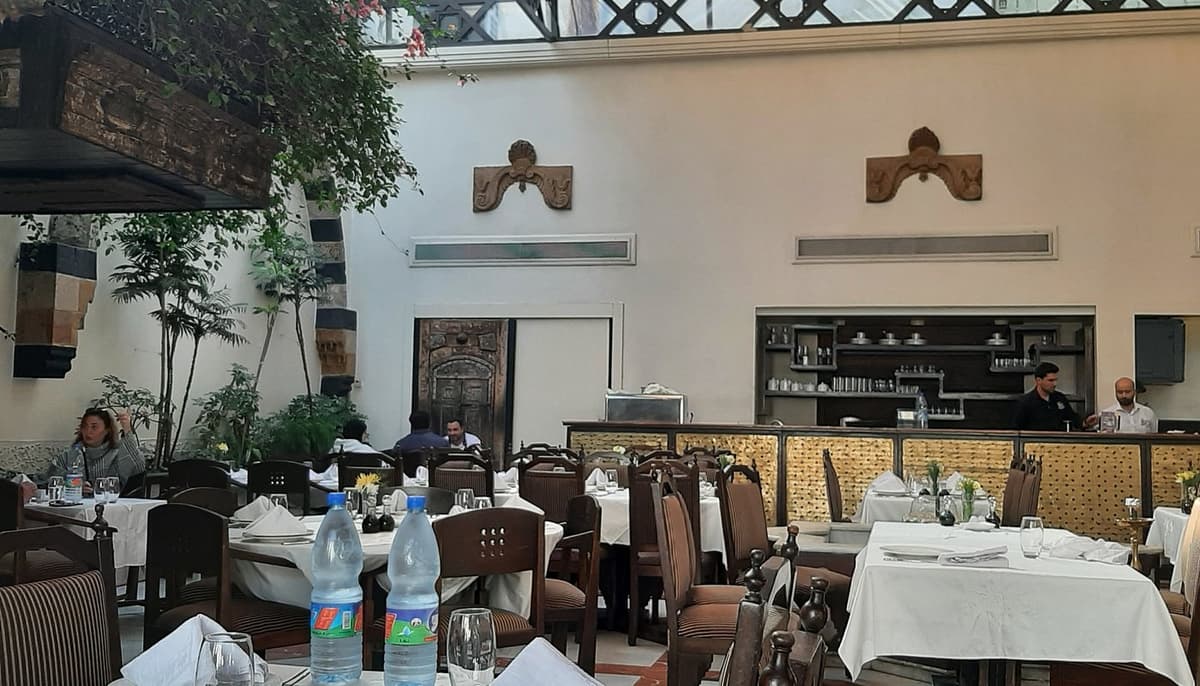
A Culinary Journey at Naranj Restaurant Damascus
Damascus
New
Caffe & Restaurants.jpeg&w=1200&q=75)
Top 4 Italian Restaurants in Damascus
Damascus
New
Caffe & Restaurants
Top 5 Healthy Food Restaurants in Damascus
Damascus
New
Caffe & Restaurants
The top Sushi restaurant in Damascus
Damascus
New
Caffe & RestaurantsMore in Damascus
Eagle Hills Syria: A New Vision for Damascus and Latakia
Damascus
New
Investment
Fashion Gate Mall Syria: A New Luxury Shopping Destination in Damascus
Damascus
New
Markets & Shopping
Investing in Damascus: Tourism, Hospitality & Real Estate
Damascus
New
Investment
10 Places Every Syrian Remembers From Childhood
Damascus
New
Culture & Lifestyle
Boozet Bakdash in Damascus: Discover Syria’s Legendary Ice Cream Tradition
Damascus
New
Food & Drink
Happy Land Damascus: The Ultimate Guide to Fun, Rides & Family Entertainment
Damascus
New
Adventure More Caffe & Restaurants Places
A Taste of Damascus: 5 Authentic Local Restaurants You Must Visit
Damascus
New
Caffe & RestaurantsSki Land Damascus: When Ice Skating Brings Back the Joy
Damascus
5.0(1)
Adventure A Culinary Journey at Naranj Restaurant Damascus
Damascus
New
Caffe & RestaurantsTop 4 Italian Restaurants in Damascus
Damascus
New
Caffe & RestaurantsTop 5 Healthy Food Restaurants in Damascus
Damascus
New
Caffe & RestaurantsThe top Sushi restaurant in Damascus
Damascus
New
Caffe & Restaurants