
The Chapel of Saint Ananias: A Subterranean Journey into the Dawn of Christianity
Syria is often described as a massive open-air museum, but some of its most profound treasures aren't found on high pedestals or under golden domes. Instead, they are tucked away beneath the cobblestones of history
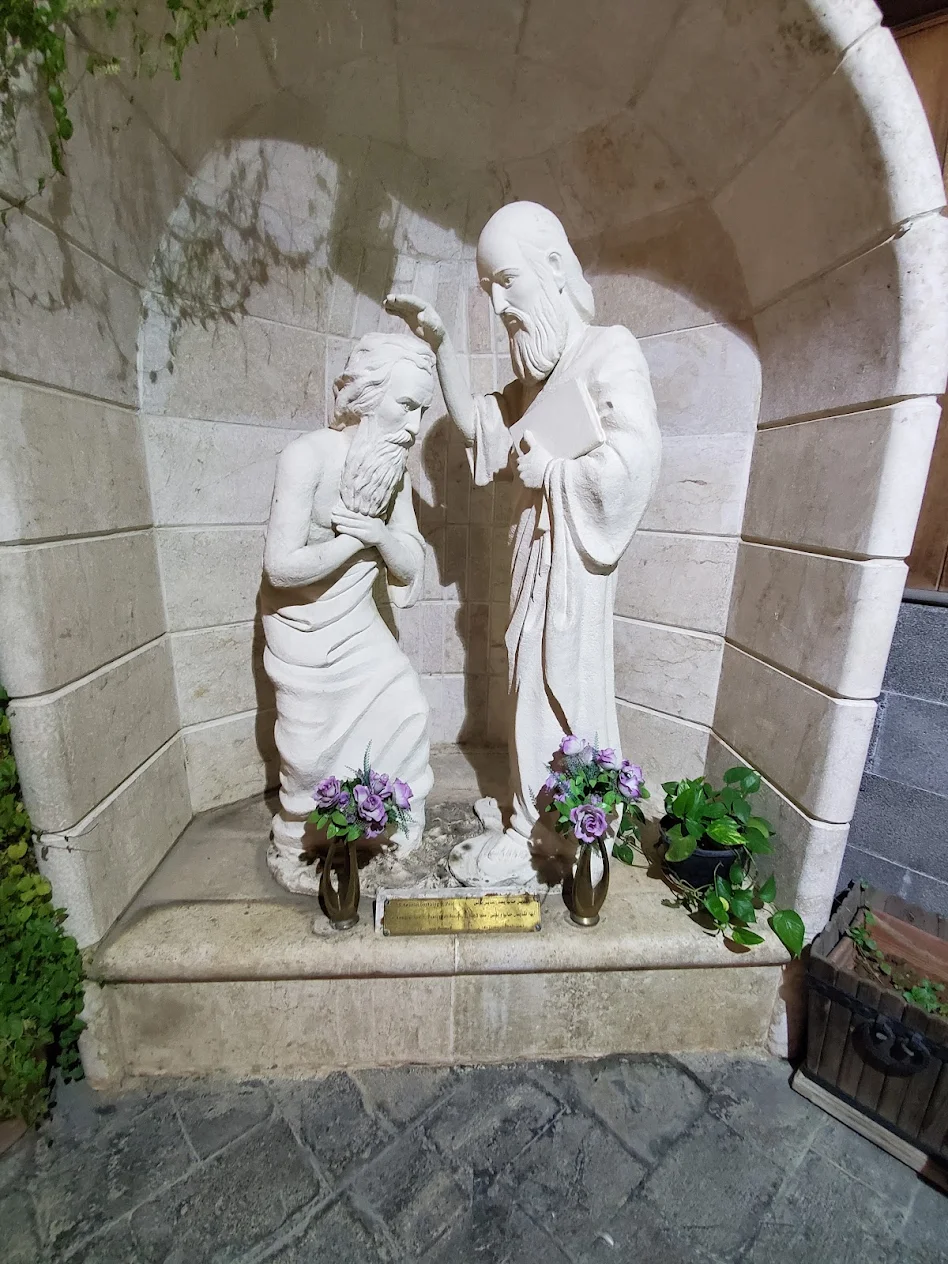
What to expect?
In the heart of the Old City of Damascus, at the end of a narrow alleyway in the Christian quarter of Bab Tuma, lies the Chapel of Saint Ananias.
Known locally as Beit Anania, this modest underground structure is more than just a church; it is a portal to the 1st century AD. It marks the spot where the fundamental course of Western civilization changed forever. At yalla-syria, we invite you to explore the history, architecture, and spiritual resonance of one of the oldest surviving Christian places of worship in the world.
The Story of Transformation: Why This Site Matters
To understand the significance of this site, one must revisit the biblical narrative of Saul of Tarsus. According to the Acts of the Apostles, Saul—a fervent persecutor of early Christians—was struck blind by a vision of Jesus on the road to Damascus.
Following this divine encounter, he was led to the house of a man named Judas on "Straight Street" (Via Recta). God then appeared in a vision to a humble disciple named Ananias, residing in Damascus, and instructed him to find Saul. Despite his fears, Ananias obeyed, laid his hands on Saul, and restored his sight. Saul was then baptized, becoming Paul the Apostle, the most influential figure in the spread of Christianity. Tradition holds that the current chapel is the remains of Ananias's home where he lived and where this miraculous healing took place.
A Timeline Through the Ages: The History of Construction
The history of the Chapel of Saint Ananias is a testament to the resilience of faith in Damascus. Unlike the grand cathedrals of Europe, this site feels raw and ancient because it has survived centuries of upheaval.
• The Roman Era: In the 1st century, the structure was a typical Roman-era cellar or basement. Early Christians often worshipped in such "house churches" to avoid Roman persecution.
• The Byzantine Period: Following the legalization of Christianity under Constantine, the site was transformed into a formal place of worship.
• The Islamic Conquest and Medieval Era: Throughout various dynasties, the church faced periods of neglect and occasional repurposing. However, the local Christian community and the Franciscan Order fought tirelessly to preserve its sanctity.
• 19th Century Reconstruction: In 1860, during a period of civil unrest, the chapel was heavily damaged. It was reconstructed in 1867 and underwent further restoration in 1973, giving it the appearance we see today.
The Location: Finding the Hidden Gem
The Chapel of Saint Ananias is located in the Bab Tuma neighborhood, near the eastern gate of the Old City. To find it, you must walk down the legendary Straight Street (Souq al-Tawil), the very road mentioned in the Bible.
The entrance is unassuming—a simple wooden door in a stone wall. This "hidden" nature is part of its charm. Descending the stairs into the chapel feels like leaving the noisy, jasmine-scented streets of modern Damascus and stepping into a silent, cool sanctuary that smells of ancient stone and incense.
Architectural Layout and Sections
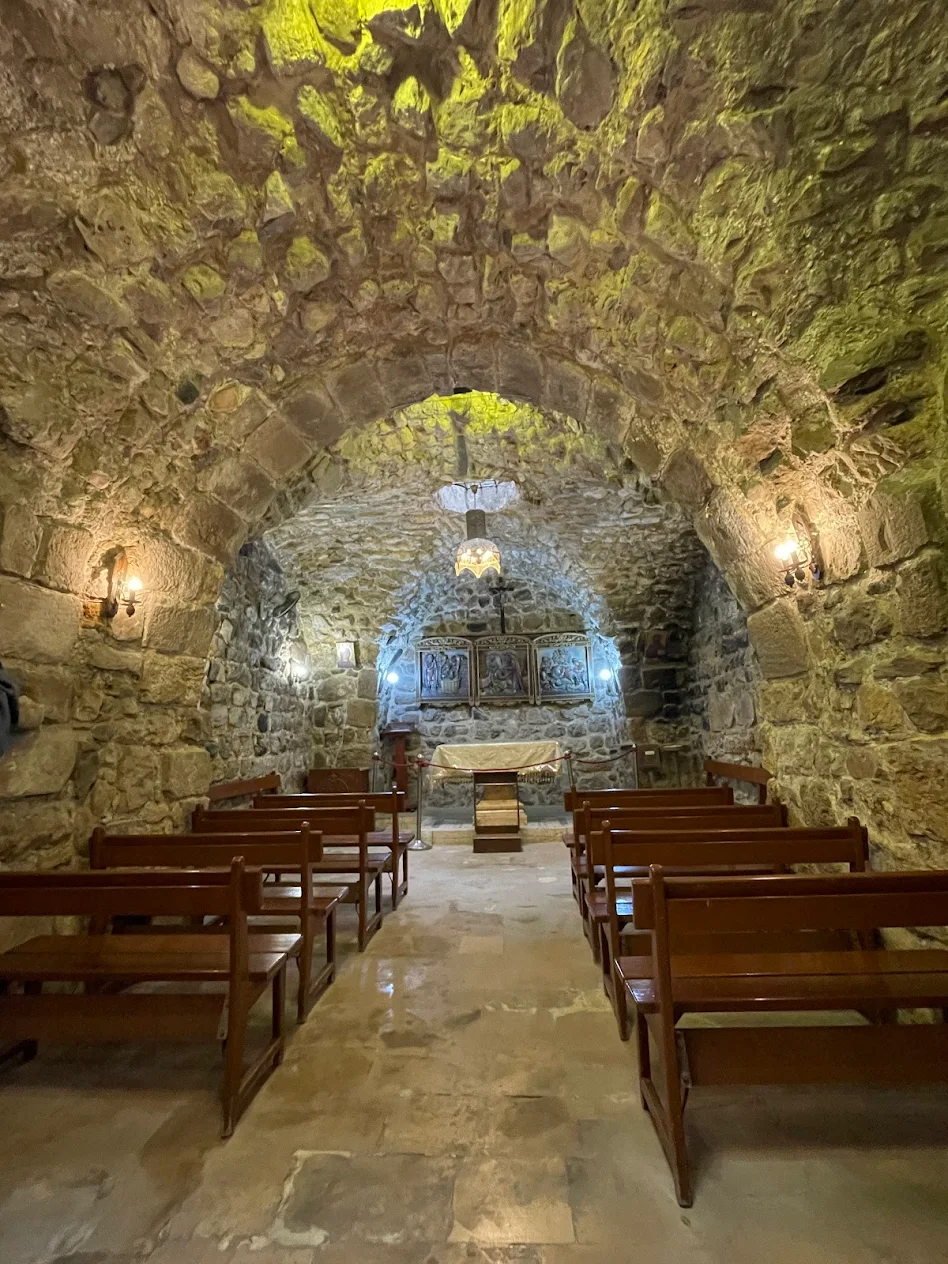
The chapel is unique because it is a "crypt" or an underground chamber, located about five meters below the current street level. This depth is a result of the accumulation of city debris and layers of civilization over 2,000 years.
1. The Descent
Visitors enter through a small courtyard and descend a flight of stone stairs. The drop in temperature and the transition from daylight to the soft glow of candles immediately set a contemplative mood.
2. The Main Chamber
The chapel consists of two small, interconnected rooms with vaulted stone ceilings. The architecture is simple, utilizing the original Roman masonry. The walls are thick, rough-hewn basalt and limestone, which have stood the test of time.
3. The Altar and Icons
At the far end of the chamber stands a modest altar. Above it and along the walls, you will find a series of icons and paintings that depict the life of St. Paul and the role of Ananias. Unlike the ornate gold-leaf icons of the nearby Orthodox Cathedral, these paintings often have a folk-art quality that feels intimate and personal.
4. The Courtyard
Above ground, the small courtyard provides a peaceful space for reflection. It often contains plaques in multiple languages explaining the biblical history of the site, welcoming pilgrims from every corner of the globe.
Why Visit St. Ananias with yalla-syria?
Visiting Damascus is an experience for the senses, but visiting the Chapel of St. Ananias is an experience for the soul. Whether you are a history buff, a religious pilgrim, or a curious traveler, the site offers:
• Authenticity: This isn't a modern reconstruction of what an old church "might" have looked like. These are the actual stones of a 1st-century dwelling.
• Peace: In the middle of a bustling capital city, the underground chapel offers a rare, profound silence.
• Continuity: It serves as a reminder that Damascus is one of the few places on Earth where history isn't just in books—it's under your feet.
Essential Tips for Your Visit
If you are planning a trip to Damascus, here are a few things to keep in mind for your visit to the House of Ananias:
• Opening Hours: Generally, the chapel is open from 9:00 AM to 6:00 PM, but it is always wise to check locally as times can shift during religious holidays.
• Dress Code: While Damascus is a cosmopolitan city, the chapel is a holy site. Modest clothing that covers the shoulders and knees is recommended.
• Photography: Photos are usually allowed, but please turn off your flash to preserve the ancient pigments of the icons and to respect those praying.
• Combine Your Trip: After visiting the chapel, take a short walk to the Bab Sharqi gate or enjoy a coffee in one of the restored Damascene houses turned cafes nearby.
The Living Heritage of Damascus
The Chapel of Saint Ananias is a symbol of Syria's multicultural fabric. For centuries, the bells of the churches in Bab Tuma have chimed alongside the Adhan (call to prayer) from the nearby Umayyad Mosque. It represents a time when Damascus was the center of the world's spiritual evolution.
At yalla-syria, we believe that tourism is more than just sightseeing; it’s about connection. Standing in the House of Ananias, you connect with a story of healing, courage, and transformation that has echoed through two millennia.
Conclusion
The Chapel of Saint Ananias remains a cornerstone of world heritage. It survived the Roman Empire, the Crusades, and modern conflicts, standing as a quiet sentinel of hope in the heart of the oldest continuously inhabited city in the world. When you walk down those stone steps, you aren't just visiting a tourist attraction—you are walking into the very roots of history.
Known locally as Beit Anania, this modest underground structure is more than just a church; it is a portal to the 1st century AD. It marks the spot where the fundamental course of Western civilization changed forever. At yalla-syria, we invite you to explore the history, architecture, and spiritual resonance of one of the oldest surviving Christian places of worship in the world.
The Story of Transformation: Why This Site Matters
To understand the significance of this site, one must revisit the biblical narrative of Saul of Tarsus. According to the Acts of the Apostles, Saul—a fervent persecutor of early Christians—was struck blind by a vision of Jesus on the road to Damascus.
Following this divine encounter, he was led to the house of a man named Judas on "Straight Street" (Via Recta). God then appeared in a vision to a humble disciple named Ananias, residing in Damascus, and instructed him to find Saul. Despite his fears, Ananias obeyed, laid his hands on Saul, and restored his sight. Saul was then baptized, becoming Paul the Apostle, the most influential figure in the spread of Christianity. Tradition holds that the current chapel is the remains of Ananias's home where he lived and where this miraculous healing took place.
A Timeline Through the Ages: The History of Construction
The history of the Chapel of Saint Ananias is a testament to the resilience of faith in Damascus. Unlike the grand cathedrals of Europe, this site feels raw and ancient because it has survived centuries of upheaval.
• The Roman Era: In the 1st century, the structure was a typical Roman-era cellar or basement. Early Christians often worshipped in such "house churches" to avoid Roman persecution.
• The Byzantine Period: Following the legalization of Christianity under Constantine, the site was transformed into a formal place of worship.
• The Islamic Conquest and Medieval Era: Throughout various dynasties, the church faced periods of neglect and occasional repurposing. However, the local Christian community and the Franciscan Order fought tirelessly to preserve its sanctity.
• 19th Century Reconstruction: In 1860, during a period of civil unrest, the chapel was heavily damaged. It was reconstructed in 1867 and underwent further restoration in 1973, giving it the appearance we see today.
The Location: Finding the Hidden Gem
The Chapel of Saint Ananias is located in the Bab Tuma neighborhood, near the eastern gate of the Old City. To find it, you must walk down the legendary Straight Street (Souq al-Tawil), the very road mentioned in the Bible.
The entrance is unassuming—a simple wooden door in a stone wall. This "hidden" nature is part of its charm. Descending the stairs into the chapel feels like leaving the noisy, jasmine-scented streets of modern Damascus and stepping into a silent, cool sanctuary that smells of ancient stone and incense.
Architectural Layout and Sections
The chapel is unique because it is a "crypt" or an underground chamber, located about five meters below the current street level. This depth is a result of the accumulation of city debris and layers of civilization over 2,000 years.
1. The Descent
Visitors enter through a small courtyard and descend a flight of stone stairs. The drop in temperature and the transition from daylight to the soft glow of candles immediately set a contemplative mood.
2. The Main Chamber
The chapel consists of two small, interconnected rooms with vaulted stone ceilings. The architecture is simple, utilizing the original Roman masonry. The walls are thick, rough-hewn basalt and limestone, which have stood the test of time.
3. The Altar and Icons
At the far end of the chamber stands a modest altar. Above it and along the walls, you will find a series of icons and paintings that depict the life of St. Paul and the role of Ananias. Unlike the ornate gold-leaf icons of the nearby Orthodox Cathedral, these paintings often have a folk-art quality that feels intimate and personal.
4. The Courtyard
Above ground, the small courtyard provides a peaceful space for reflection. It often contains plaques in multiple languages explaining the biblical history of the site, welcoming pilgrims from every corner of the globe.
Why Visit St. Ananias with yalla-syria?
Visiting Damascus is an experience for the senses, but visiting the Chapel of St. Ananias is an experience for the soul. Whether you are a history buff, a religious pilgrim, or a curious traveler, the site offers:
• Authenticity: This isn't a modern reconstruction of what an old church "might" have looked like. These are the actual stones of a 1st-century dwelling.
• Peace: In the middle of a bustling capital city, the underground chapel offers a rare, profound silence.
• Continuity: It serves as a reminder that Damascus is one of the few places on Earth where history isn't just in books—it's under your feet.
Essential Tips for Your Visit
If you are planning a trip to Damascus, here are a few things to keep in mind for your visit to the House of Ananias:
• Opening Hours: Generally, the chapel is open from 9:00 AM to 6:00 PM, but it is always wise to check locally as times can shift during religious holidays.
• Dress Code: While Damascus is a cosmopolitan city, the chapel is a holy site. Modest clothing that covers the shoulders and knees is recommended.
• Photography: Photos are usually allowed, but please turn off your flash to preserve the ancient pigments of the icons and to respect those praying.
• Combine Your Trip: After visiting the chapel, take a short walk to the Bab Sharqi gate or enjoy a coffee in one of the restored Damascene houses turned cafes nearby.
The Living Heritage of Damascus
The Chapel of Saint Ananias is a symbol of Syria's multicultural fabric. For centuries, the bells of the churches in Bab Tuma have chimed alongside the Adhan (call to prayer) from the nearby Umayyad Mosque. It represents a time when Damascus was the center of the world's spiritual evolution.
At yalla-syria, we believe that tourism is more than just sightseeing; it’s about connection. Standing in the House of Ananias, you connect with a story of healing, courage, and transformation that has echoed through two millennia.
Conclusion
The Chapel of Saint Ananias remains a cornerstone of world heritage. It survived the Roman Empire, the Crusades, and modern conflicts, standing as a quiet sentinel of hope in the heart of the oldest continuously inhabited city in the world. When you walk down those stone steps, you aren't just visiting a tourist attraction—you are walking into the very roots of history.
Reviews & Ratings
0.0
★★★★★
0 reviews
💬
No reviews yet. Be the first to review!
Contact & Location
Bab Tuma
Damascus
Activity
24
Views
1
Likes
📍 Location

The Chapel of Saint Ananias: A Subterranean Journey into the Dawn of Christianity
Similar Places

Unveiling the Cradle of History: Your Ultimate Guide to Syria Museums
Tartus
New
Culture & LifestyleDiscover Our Lady of Saidnaya Monastery: History, Faith, and Visitor Guide
Damascus
New
Culture & Lifestyle.jpeg&w=1200&q=75)
Cherubim Monastery Syria: A Journey Above the Clouds
Damascus
New
Culture & Lifestyle
The Ultimate Guide to the Great Umayyad Mosque in Damascus
Damascus
New
Culture & Lifestyle
The Saint’s Path: A Sacred Journey from Damascus to Maaloula and Sednaya
Damascus
New
History & HeritageThe Mariamite Cathedral of Damascus: A Timeless Beacon of Faith in Old Syria
Damascus
New
Culture & LifestyleMore in Damascus

A Taste of Damascus: 5 Authentic Local Restaurants You Must Visit
Damascus
New
Caffe & Restaurants
Eagle Hills Syria: A New Vision for Damascus and Latakia
Damascus
New
Investment
Fashion Gate Mall Syria: A New Luxury Shopping Destination in Damascus
Damascus
New
Markets & Shopping
Investing in Damascus: Tourism, Hospitality & Real Estate
Damascus
New
Investment
10 Places Every Syrian Remembers From Childhood
Damascus
New
Culture & LifestyleSki Land Damascus: When Ice Skating Brings Back the Joy
Damascus
5.0(1)
Adventure More History & Heritage Places
15 Hidden Places in Syria That Look Like They Belong in Another World
Syria
New
History & Heritage.jpeg&w=1200&q=75)
🏰 Aleppo Citadel: A Journey Through Thousands of Years of Syrian History
Aleppo
New
History & Heritage
Unveiling the Orontes River: A 3-Day Syrian Journey
Hama
New
Adventure .jpeg&w=1200&q=75)
Discovering the Euphrates River: History, Travel, and Beauty in Syria
Raqqa
New
Adventure Unveiling the Cradle of History: Your Ultimate Guide to Syria Museums
Tartus
New
Culture & LifestyleDiscover Our Lady of Saidnaya Monastery: History, Faith, and Visitor Guide
Damascus
New
Culture & Lifestyle