
The Crown Jewel of Old Damascus: Unveiling the Secrets of Al-Azem Palace
When you step through the narrow, bustling alleys of the ancient city of Damascus, the air is thick with the scent of jasmine and the echoes of millennia. But nestled right in the heart of this labyrinth, near the Umayyad Mosque, lies a sanctuary of stillness and grandeur: Al-Azem Palace
What to expect?
Al-Azem Palace (Qasr al-Azem).
For anyone traveling with yalla-syria, this isn't just a stop on a map; it is an immersion into the peak of 18th-century luxury and a masterclass in Levantine craftsmanship. Let’s peel back the layers of history and explore why this palace remains the ultimate symbol of Damascene identity.
A Legacy Set in Stone: The History
The story of Al-Azem Palace begins in 1749. It was commissioned by As’ad Pasha al-Azem, the powerful Governor of Damascus during the Ottoman era. As’ad Pasha didn't just want a residence; he wanted a statement of power and an oasis of beauty.
To build it, he recruited the finest masons, carpenters, and marble workers in the region. Legend has it that the construction was so intensive it actually caused a temporary shortage of building materials and skilled labor in the rest of the city. For nearly two centuries, the palace served as a residence for the Al-Azem family and later as a center for the French Institute before being transformed into the Museum of Arts and Popular Traditions in 1954.
The Art of "Ablaq" Architecture
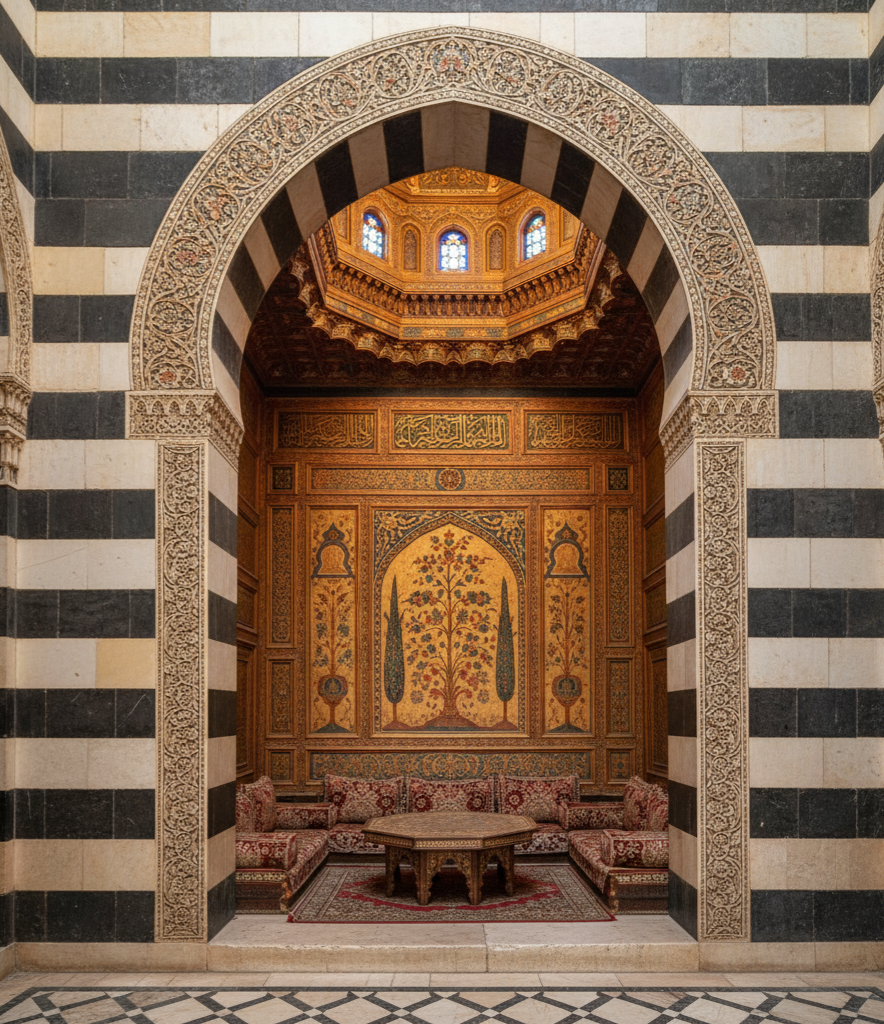
What strikes you first when entering the palace is the mesmerizing Ablaq technique. This is the traditional Damascene style of alternating rows of black basalt, white limestone, and pink sandstone. The visual rhythm created by these colors gives the palace a vibrant, almost musical energy.
The architecture is designed for the Mediterranean climate. Thick walls and high ceilings keep the interiors cool during scorching Syrian summers, while the strategic placement of courtyards allows for natural ventilation. It is a perfect marriage of aesthetics and engineering.
Exploring the Palace: The Three Main Sections
Al-Azem Palace is vast, covering roughly 5,500 square meters. To understand its layout, you have to look at it through the lens of traditional social life, which was divided into private and public spheres.
1. The Haramlek (The Private Wing)
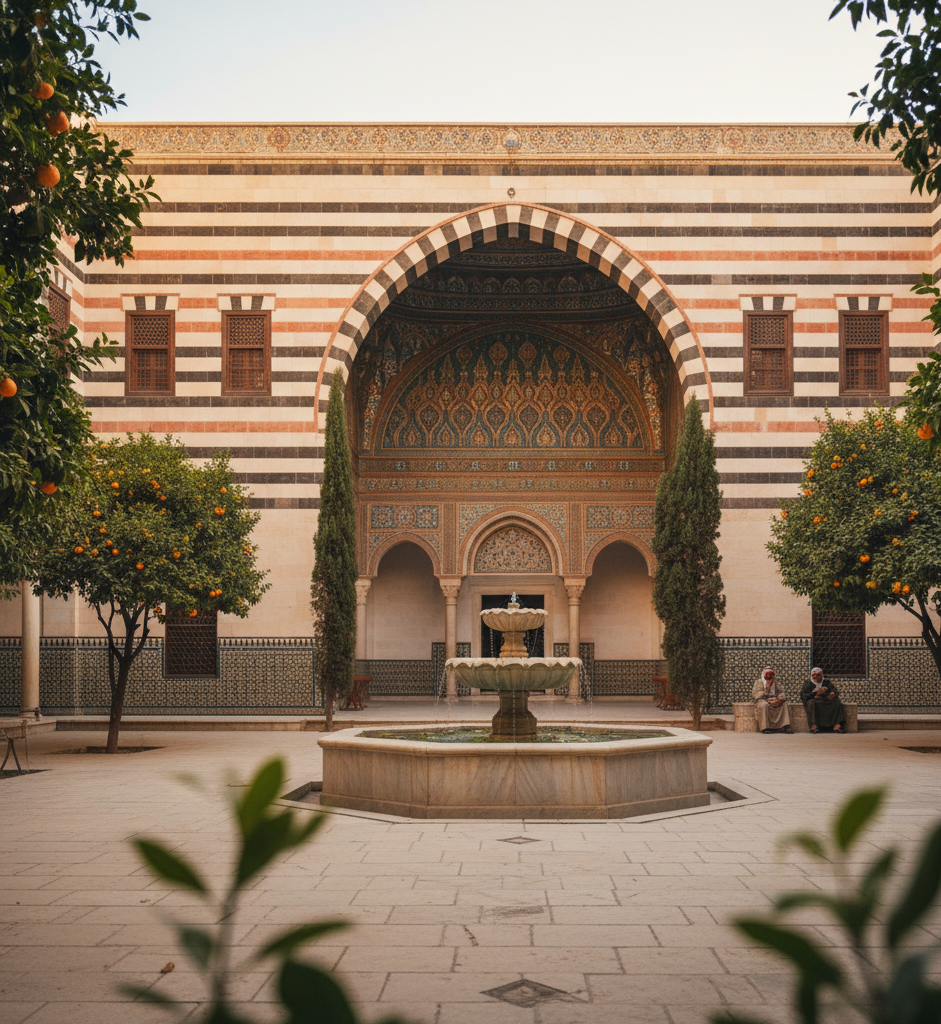
The Haramlek was the heart of the home, reserved for the family and their private lives. It is the largest section of the palace and features an expansive courtyard. Here, the hustle of the outside world fades away, replaced by the gentle splashing of central fountains and the shade of citrus trees. This area was designed for comfort and intimacy, where the Governor’s family could relax away from the gaze of officials.
2. The Salamlek (The Formal Wing)
This was the "business" side of the palace. The Salamlek was where As’ad Pasha received guests, conducted administrative affairs, and hosted formal gatherings. It is characterized by its grand halls and high-arched iwans (open-fronted halls). The decor here is intentionally more intimidating and opulent, designed to impress visiting dignitaries with the wealth and influence of the Damascus governorate.
3. The Khadamlek (The Service Wing)
The unsung hero of the palace’s daily operations, the Khadamlek was the quarters for domestic staff and the hub for kitchen and maintenance activities. It provides a fascinating glimpse into the logistical scale required to run a "royal" household in the 1700s.
A Walk Through the Museum: The Collections
Today, Al-Azem Palace isn't just an empty shell of a building. It houses the Museum of Popular Arts and Traditions, making it a living encyclopedia of Syrian culture. As you wander through the various rooms, you will encounter:
• The Traditional Wedding Room: Featuring exquisite bridal gowns, hand-carved wooden chests (sanduq al-arous), and mother-of-pearl inlay furniture.
• The Hajj Gallery: Damascus was a primary gathering point for pilgrims heading to Mecca. The museum displays ornate palanquins (mahmal) used to carry the Quran during these historic caravans.
• Daily Life Dioramas: Wax figures in period-accurate clothing demonstrate traditional Syrian crafts, such as glassblowing, copper engraving, and the famous textile weaving that produced Damask silk.
• The Hamman (The Private Bath): One of the most beautiful parts of the palace is its private bathhouse. It mirrors the design of the city’s public baths, with cold, warm, and hot rooms, topped by domes with colorful glass "eyes" that let in celestial beams of light.
Why Al-Azem Palace Matters Today
In a world that is rapidly modernizing, Al-Azem Palace stands as a guardian of Syrian heritage. It survived the bombings of the 1925 Great Syrian Revolt (though it required significant restoration) and has remained a symbol of resilience.
For the modern traveler, it offers a moment of Zen. Sitting by the fountain in the main courtyard, surrounded by bitter orange trees and the intricate geometry of the stone walls, you feel a profound connection to the "Golden Age" of Damascus. It is a place where every tile has a story and every garden path leads back in time.
Travel Tips for Your Visit with yalla-syria
If you’re planning to visit this architectural wonder, here are a few tips to make the most of your experience:
• Timing is Everything: Try to visit in the early morning or late afternoon. The light hitting the multicolored stones makes for incredible photography.
• Look Up: Don't just look at the fountains. The wooden ceilings (ajami) are hand-painted with intricate floral and geometric patterns that are world-renowned.
• Combine Your Trip: The palace is steps away from the Umayyad Mosque and the Al-Hamidiyah Souq. Use the palace as your quiet "reset" point after the sensory overload of the market.
• Ask the Guides: The local guides often know small details about the Al-Azem family secrets that aren't on the placards!
Conclusion
Al-Azem Palace is more than just a museum; it is the soul of Damascus rendered in marble and wood. It represents a time when architecture was an art form and a home was a miniature universe. At yalla-syria, we believe that understanding a country starts with its heritage, and there is no better place to start your Syrian journey than within these storied walls.
For anyone traveling with yalla-syria, this isn't just a stop on a map; it is an immersion into the peak of 18th-century luxury and a masterclass in Levantine craftsmanship. Let’s peel back the layers of history and explore why this palace remains the ultimate symbol of Damascene identity.
A Legacy Set in Stone: The History
The story of Al-Azem Palace begins in 1749. It was commissioned by As’ad Pasha al-Azem, the powerful Governor of Damascus during the Ottoman era. As’ad Pasha didn't just want a residence; he wanted a statement of power and an oasis of beauty.
To build it, he recruited the finest masons, carpenters, and marble workers in the region. Legend has it that the construction was so intensive it actually caused a temporary shortage of building materials and skilled labor in the rest of the city. For nearly two centuries, the palace served as a residence for the Al-Azem family and later as a center for the French Institute before being transformed into the Museum of Arts and Popular Traditions in 1954.
The Art of "Ablaq" Architecture
What strikes you first when entering the palace is the mesmerizing Ablaq technique. This is the traditional Damascene style of alternating rows of black basalt, white limestone, and pink sandstone. The visual rhythm created by these colors gives the palace a vibrant, almost musical energy.
The architecture is designed for the Mediterranean climate. Thick walls and high ceilings keep the interiors cool during scorching Syrian summers, while the strategic placement of courtyards allows for natural ventilation. It is a perfect marriage of aesthetics and engineering.
Exploring the Palace: The Three Main Sections
Al-Azem Palace is vast, covering roughly 5,500 square meters. To understand its layout, you have to look at it through the lens of traditional social life, which was divided into private and public spheres.
1. The Haramlek (The Private Wing)
The Haramlek was the heart of the home, reserved for the family and their private lives. It is the largest section of the palace and features an expansive courtyard. Here, the hustle of the outside world fades away, replaced by the gentle splashing of central fountains and the shade of citrus trees. This area was designed for comfort and intimacy, where the Governor’s family could relax away from the gaze of officials.
2. The Salamlek (The Formal Wing)
This was the "business" side of the palace. The Salamlek was where As’ad Pasha received guests, conducted administrative affairs, and hosted formal gatherings. It is characterized by its grand halls and high-arched iwans (open-fronted halls). The decor here is intentionally more intimidating and opulent, designed to impress visiting dignitaries with the wealth and influence of the Damascus governorate.
3. The Khadamlek (The Service Wing)
The unsung hero of the palace’s daily operations, the Khadamlek was the quarters for domestic staff and the hub for kitchen and maintenance activities. It provides a fascinating glimpse into the logistical scale required to run a "royal" household in the 1700s.
A Walk Through the Museum: The Collections
Today, Al-Azem Palace isn't just an empty shell of a building. It houses the Museum of Popular Arts and Traditions, making it a living encyclopedia of Syrian culture. As you wander through the various rooms, you will encounter:
• The Traditional Wedding Room: Featuring exquisite bridal gowns, hand-carved wooden chests (sanduq al-arous), and mother-of-pearl inlay furniture.
• The Hajj Gallery: Damascus was a primary gathering point for pilgrims heading to Mecca. The museum displays ornate palanquins (mahmal) used to carry the Quran during these historic caravans.
• Daily Life Dioramas: Wax figures in period-accurate clothing demonstrate traditional Syrian crafts, such as glassblowing, copper engraving, and the famous textile weaving that produced Damask silk.
• The Hamman (The Private Bath): One of the most beautiful parts of the palace is its private bathhouse. It mirrors the design of the city’s public baths, with cold, warm, and hot rooms, topped by domes with colorful glass "eyes" that let in celestial beams of light.
Why Al-Azem Palace Matters Today
In a world that is rapidly modernizing, Al-Azem Palace stands as a guardian of Syrian heritage. It survived the bombings of the 1925 Great Syrian Revolt (though it required significant restoration) and has remained a symbol of resilience.
For the modern traveler, it offers a moment of Zen. Sitting by the fountain in the main courtyard, surrounded by bitter orange trees and the intricate geometry of the stone walls, you feel a profound connection to the "Golden Age" of Damascus. It is a place where every tile has a story and every garden path leads back in time.
Travel Tips for Your Visit with yalla-syria
If you’re planning to visit this architectural wonder, here are a few tips to make the most of your experience:
• Timing is Everything: Try to visit in the early morning or late afternoon. The light hitting the multicolored stones makes for incredible photography.
• Look Up: Don't just look at the fountains. The wooden ceilings (ajami) are hand-painted with intricate floral and geometric patterns that are world-renowned.
• Combine Your Trip: The palace is steps away from the Umayyad Mosque and the Al-Hamidiyah Souq. Use the palace as your quiet "reset" point after the sensory overload of the market.
• Ask the Guides: The local guides often know small details about the Al-Azem family secrets that aren't on the placards!
Conclusion
Al-Azem Palace is more than just a museum; it is the soul of Damascus rendered in marble and wood. It represents a time when architecture was an art form and a home was a miniature universe. At yalla-syria, we believe that understanding a country starts with its heritage, and there is no better place to start your Syrian journey than within these storied walls.
Reviews & Ratings
0.0
★★★★★
0 reviews
💬
No reviews yet. Be the first to review!
Contact & Location
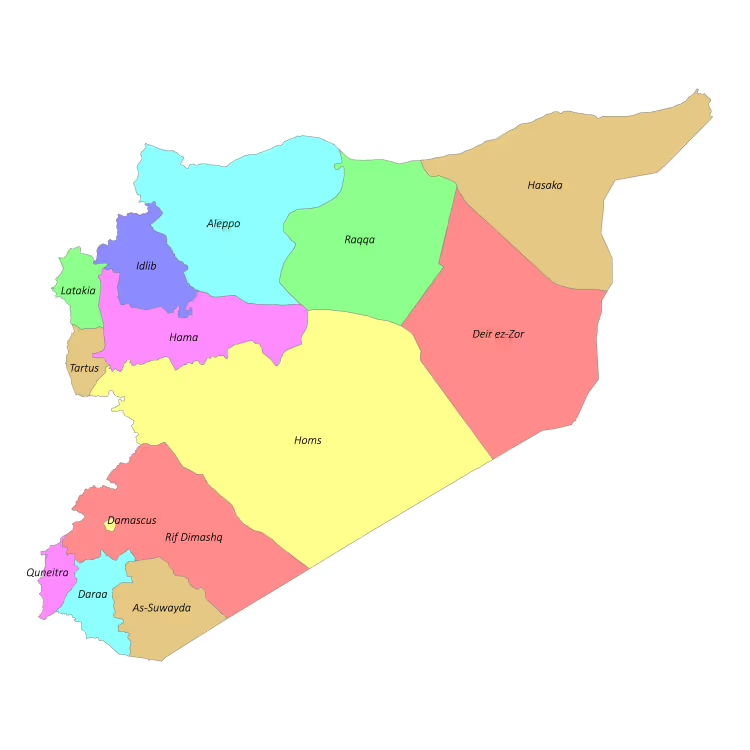
near Umayyad Mosque
old Damascene
Damascus
Activity
35
Views
5
Likes
near Umayyad Mosque
Similar Places
10 Places Every Syrian Remembers From Childhood
Damascus
New
Culture & Lifestyle
Unveiling the Cradle of History: Your Ultimate Guide to Syria Museums
Tartus
New
Culture & LifestyleDiscover Our Lady of Saidnaya Monastery: History, Faith, and Visitor Guide
Damascus
New
Culture & Lifestyle.jpeg&w=1200&q=75)
Cherubim Monastery Syria: A Journey Above the Clouds
Damascus
New
Culture & Lifestyle
The Ultimate Guide to the Great Umayyad Mosque in Damascus
Damascus
New
Culture & LifestyleSyria Shines Again: Experiencing the 63rd Damascus International Fair
Damascus
New
Culture & LifestyleMore in Damascus

A Taste of Damascus: 5 Authentic Local Restaurants You Must Visit
Damascus
New
Caffe & Restaurants
Eagle Hills Syria: A New Vision for Damascus and Latakia
Damascus
New
Investment
Fashion Gate Mall Syria: A New Luxury Shopping Destination in Damascus
Damascus
New
Markets & Shopping
Investing in Damascus: Tourism, Hospitality & Real Estate
Damascus
New
InvestmentSki Land Damascus: When Ice Skating Brings Back the Joy
Damascus
5.0(1)
Adventure 
Boozet Bakdash in Damascus: Discover Syria’s Legendary Ice Cream Tradition
Damascus
New
Food & DrinkMore Culture & Lifestyle Places

Syrian Makdous: The Taste of Autumn, Childhood and Home
Syria
New
Culture & Lifestyle10 Places Every Syrian Remembers From Childhood
Damascus
New
Culture & Lifestyle.jpeg&w=1200&q=75)
Discovering the Euphrates River: History, Travel, and Beauty in Syria
Raqqa
New
Adventure Unveiling the Cradle of History: Your Ultimate Guide to Syria Museums
Tartus
New
Culture & LifestyleDiscover Our Lady of Saidnaya Monastery: History, Faith, and Visitor Guide
Damascus
New
Culture & Lifestyle
Echoes of History: Discovering 10 Magnificent Castles in Syria
Syria
New
Culture & Lifestyle