
The Jewel of Damascus: A Timeless Journey Through the Umayyad Mosque
Welcome to the heart of Syria's capital, Damascus, where history whispers through the ancient stones of one of the world's grandest and most historically significant places of worship: The Umayyad Mosque (also known as the Grand Mosque of Damascus). As a cornerstone of Islamic civilization and an architectural marvel, this site is an unmissable destination for every traveler
What to expect?
A Timeline of Construction: From Temple to Mosque The history of the Umayyad Mosque is a fascinating testament to the enduring presence of faith. The site itself has served as a religious sanctuary for thousands of years, hosting three major civilizations:
Ancient Period: Initially, the location housed an Aramean temple dedicated to the god Hadad.
Roman/Byzantine Period: Following the Roman conquest, a massive Temple of Jupiter was built on the site. Later, under Byzantine rule, it was converted into the Church of St. John the Baptist.
Islamic Era & Construction: Following the Muslim conquest of Damascus in 636 AD, the site was initially shared by both Muslims and Christians. In 706 AD, the Umayyad Caliph Al-Walid I demolished the existing structures and commenced the construction of the mosque. The mosque was completed around 715 AD, establishing it as one of the oldest and largest mosques in continuous use worldwide.
Architectural Fusion: Art and Engineering
The Umayyad Mosque is a magnificent example of early Islamic architecture, brilliantly fusing elements from Roman, Byzantine, and Persian traditions.
The Courtyard (Sahn)
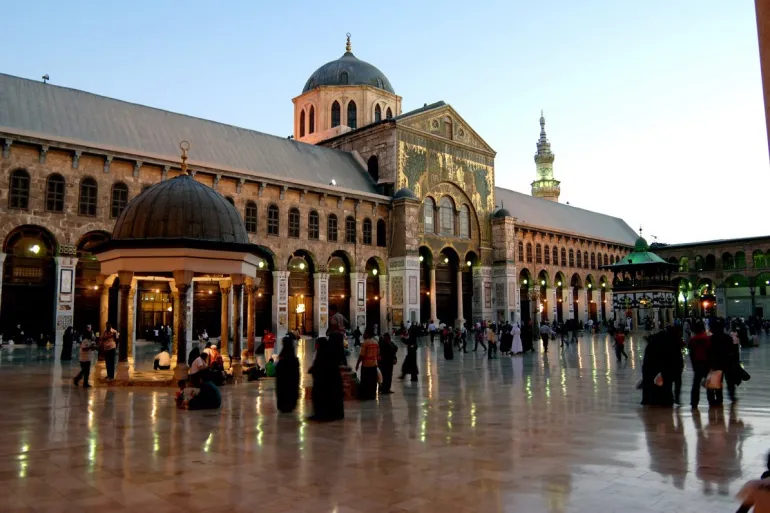
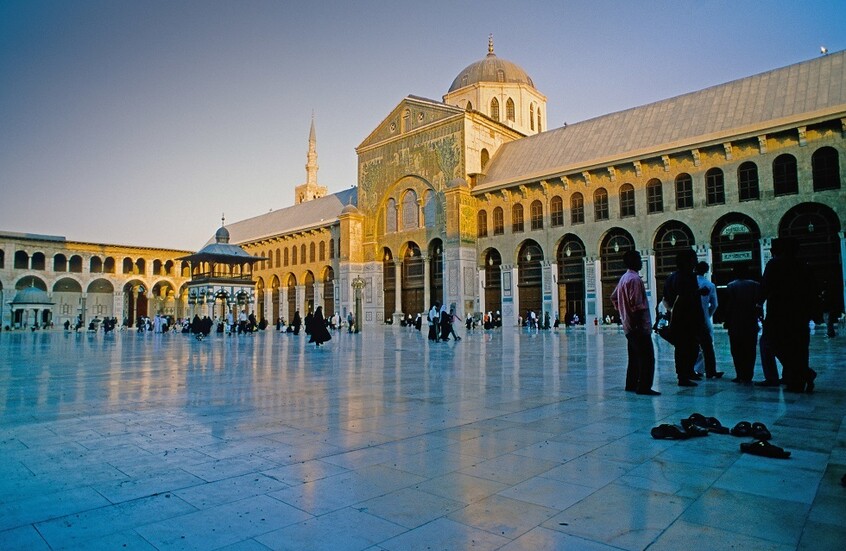
The vast, marble-paved Sahn (courtyard) is the central feature. It is a space of serenity, framed by arcades (riwaq) on three sides. Within the courtyard stand three notable structures:\nThe Treasury (Bayt al-Mal)
: An octagonal structure, built on eight Roman columns, which historically housed the mosque's funds.
The Dome of the Clock (Qubbat al-Sa’at): A decorative structure.
The Dome of the Eagle (Qubbat al-Nisr): Not to be confused with a free-standing structure, this refers to the great dome that spans the central transept of the prayer hall.
The Prayer Hall (Haram)
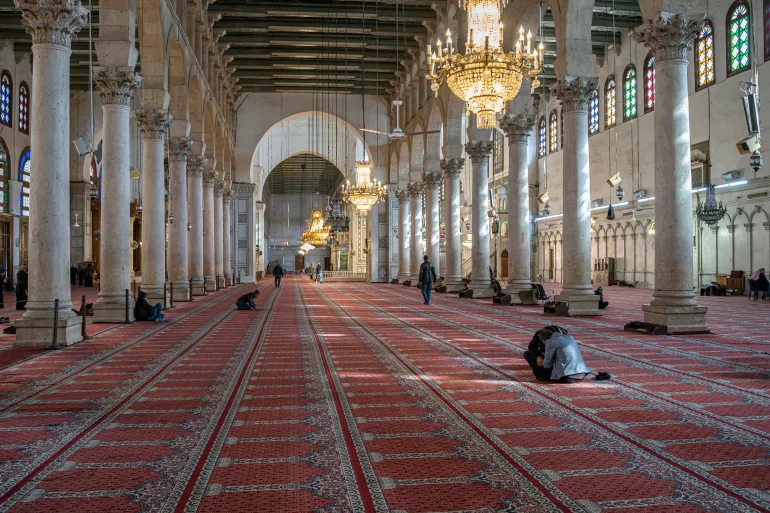
The Haram (prayer hall) is one of the longest in the world. It is characterized by three parallel aisles divided by rows of columns, all facing the Qibla (the direction of Mecca). The most breathtaking feature is the decorative program: The Mosaics: The mosque is famed for its spectacular gold-leaf mosaics, particularly those depicting Paradise, lush landscapes, and ideal cities, which are believed to have been created by Byzantine craftsmen. These artistic masterpieces offer a rare glimpse into non-figural early Islamic art.
The Spiritual & Architectural Focal Points:
The Mihrab The mosque contains several Mihrabs (prayer niches) that mark the Qibla wall. The main Mihrab is richly decorated and serves as the visual and spiritual center of the prayer hall.
The Shrine of John the Baptist A unique aspect of the Umayyad Mosque is the tomb and shrine dedicated to Yahya (John the Baptist), which is located within the prayer hall itself. This inclusion honors the site's previous life as a Christian church and reinforces the Islamic reverence for prophets shared by both faiths.
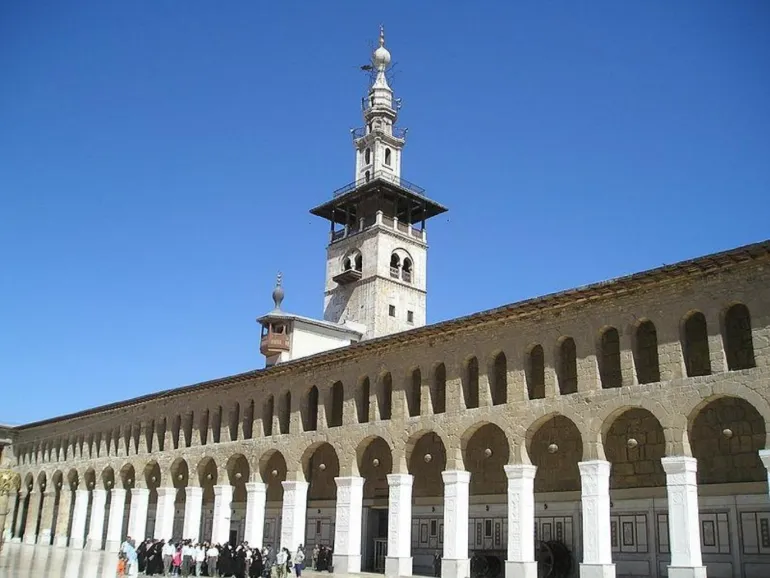
The Minarets: Towers of Light The mosque boasts three impressive minarets, each known by a distinct historical name: The Minaret of Jesus (Madhanat Isa): Located on the southeastern corner, Islamic tradition holds that Jesus Christ will descend upon this minaret before the Day of Judgment.
The Minaret of the Bride (Madhanat al-Arus): The oldest and tallest of the three, located on the northern wall.
The Western Minaret (Madhanat al-Gharbiya): Also known as the Minaret of Qaitbay, built during the Mamluk period.
Why Visit the Umayyad Mosque?
For the traveler, the Umayyad Mosque is not just a historical building; it is a living sanctuary. It is a UNESCO World Heritage site that offers profound insights into:
History: Walking in the footsteps of caliphs, emperors, and prophets.
Art: Marveling at the stunning Roman columns and the golden Byzantine mosaics.
Culture: Observing the harmonious practice of faith in a truly magnificent setting.
Plan your journey to this historical jewel!\nReady to explore the ancient wonders of Syria? Let yalla-syria guide your next adventure.
Ancient Period: Initially, the location housed an Aramean temple dedicated to the god Hadad.
Roman/Byzantine Period: Following the Roman conquest, a massive Temple of Jupiter was built on the site. Later, under Byzantine rule, it was converted into the Church of St. John the Baptist.
Islamic Era & Construction: Following the Muslim conquest of Damascus in 636 AD, the site was initially shared by both Muslims and Christians. In 706 AD, the Umayyad Caliph Al-Walid I demolished the existing structures and commenced the construction of the mosque. The mosque was completed around 715 AD, establishing it as one of the oldest and largest mosques in continuous use worldwide.
Architectural Fusion: Art and Engineering
The Umayyad Mosque is a magnificent example of early Islamic architecture, brilliantly fusing elements from Roman, Byzantine, and Persian traditions.
The Courtyard (Sahn)
The vast, marble-paved Sahn (courtyard) is the central feature. It is a space of serenity, framed by arcades (riwaq) on three sides. Within the courtyard stand three notable structures:\nThe Treasury (Bayt al-Mal)
: An octagonal structure, built on eight Roman columns, which historically housed the mosque's funds.
The Dome of the Clock (Qubbat al-Sa’at): A decorative structure.
The Dome of the Eagle (Qubbat al-Nisr): Not to be confused with a free-standing structure, this refers to the great dome that spans the central transept of the prayer hall.
The Prayer Hall (Haram)
The Haram (prayer hall) is one of the longest in the world. It is characterized by three parallel aisles divided by rows of columns, all facing the Qibla (the direction of Mecca). The most breathtaking feature is the decorative program: The Mosaics: The mosque is famed for its spectacular gold-leaf mosaics, particularly those depicting Paradise, lush landscapes, and ideal cities, which are believed to have been created by Byzantine craftsmen. These artistic masterpieces offer a rare glimpse into non-figural early Islamic art.
The Spiritual & Architectural Focal Points:
The Mihrab The mosque contains several Mihrabs (prayer niches) that mark the Qibla wall. The main Mihrab is richly decorated and serves as the visual and spiritual center of the prayer hall.
The Shrine of John the Baptist A unique aspect of the Umayyad Mosque is the tomb and shrine dedicated to Yahya (John the Baptist), which is located within the prayer hall itself. This inclusion honors the site's previous life as a Christian church and reinforces the Islamic reverence for prophets shared by both faiths.
The Minarets: Towers of Light The mosque boasts three impressive minarets, each known by a distinct historical name: The Minaret of Jesus (Madhanat Isa): Located on the southeastern corner, Islamic tradition holds that Jesus Christ will descend upon this minaret before the Day of Judgment.
The Minaret of the Bride (Madhanat al-Arus): The oldest and tallest of the three, located on the northern wall.
The Western Minaret (Madhanat al-Gharbiya): Also known as the Minaret of Qaitbay, built during the Mamluk period.
Why Visit the Umayyad Mosque?
For the traveler, the Umayyad Mosque is not just a historical building; it is a living sanctuary. It is a UNESCO World Heritage site that offers profound insights into:
History: Walking in the footsteps of caliphs, emperors, and prophets.
Art: Marveling at the stunning Roman columns and the golden Byzantine mosaics.
Culture: Observing the harmonious practice of faith in a truly magnificent setting.
Plan your journey to this historical jewel!\nReady to explore the ancient wonders of Syria? Let yalla-syria guide your next adventure.
Reviews & Ratings
0.0
★★★★★
0 reviews
💬
No reviews yet. Be the first to review!
Opening Hours
monday
All Daytuesday
All Daywednesday
All Daythursday
All Dayfriday
All Daysaturday
All DaysundayToday
All DayAccessibility Features
public transport
Details
Difficultyeasy
Family Friendlyyes
Contact & Location
Old Town
Damascus
Activity
47
Views
31
Likes
The Jewel of Damascus: A Timeless Journey Through the Umayyad Mosque
Similar Places
The Mariamite Cathedral of Damascus: A Timeless Beacon of Faith in Old Syria
Damascus
New
Cultural
Top 5 Historic Bathhouses in Damascus: The Ultimate Hammam Guide
Damascus
New
Cultural
Discover Maaloula, Syria: A Journey to the Ancient Cliffside Sanctuary of Living History
Damascus
New
Cultural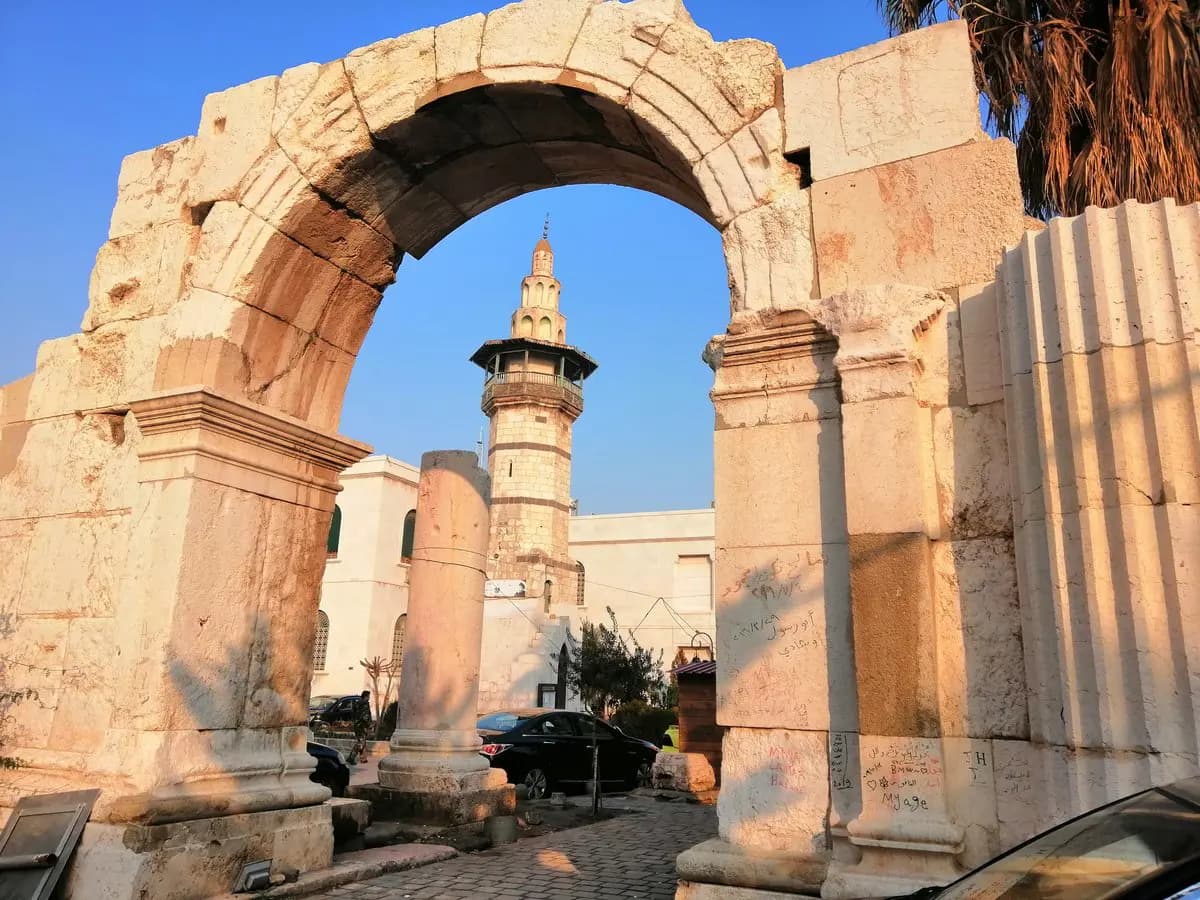
A 3-Day Syria Travel Itinerary for Damascus & Beyond
Damascus
New
Cultural
The Hijaz Railway Station The Soul of Damascus
Damascus
New
Cultural
A Journey Through the National Museum of Damascus, The Soul of History
Damascus
New
CulturalMore in Damascus

Top 5 Healthy Food Restaurants in Damascus
Damascus
New
Cafes
The top Sushi restaurant in Damascus
Damascus
New
RestaurantsSyria Shines Again: Experiencing the 63rd Damascus International Fair
Damascus
New
Events
Asala’s Historic Concert at Al Fayhaa Hall in Damascus , The Return of Authenticity
Damascus
New
Events
Bahar Organization in Syria Restoring Hope and Strength
Tartus
New
Syria-Rising.jpg&w=1200&q=75)
A Guide to the Country’s Most Iconic Traditional Souqs
Aleppo
New
MarketsMore Cultural Places
The Mariamite Cathedral of Damascus: A Timeless Beacon of Faith in Old Syria
Damascus
New
Cultural
The Magic of Saint Simeon Stylite Church: Syria’s Ancient Wonder
Idlib
New
Cultural
Discovering Ma'arrat al-Numan: History, Culture, and Travel Secrets
Idlib
New
Cultural
Discover the Secrets of Ancient Ebla: Syria’s Lost Empire
Idlib
New
CulturalTop 5 Historic Bathhouses in Damascus: The Ultimate Hammam Guide
Damascus
New
CulturalDiscover Maaloula, Syria: A Journey to the Ancient Cliffside Sanctuary of Living History
Damascus
New
Cultural