The Straight Street: Walking Through 2,000 Years of Damascus History
When you step onto the Straight Street in Damascus, you aren't just walking on pavement; you are retracing the footsteps of emperors, prophets, and conquerors
What to expect?
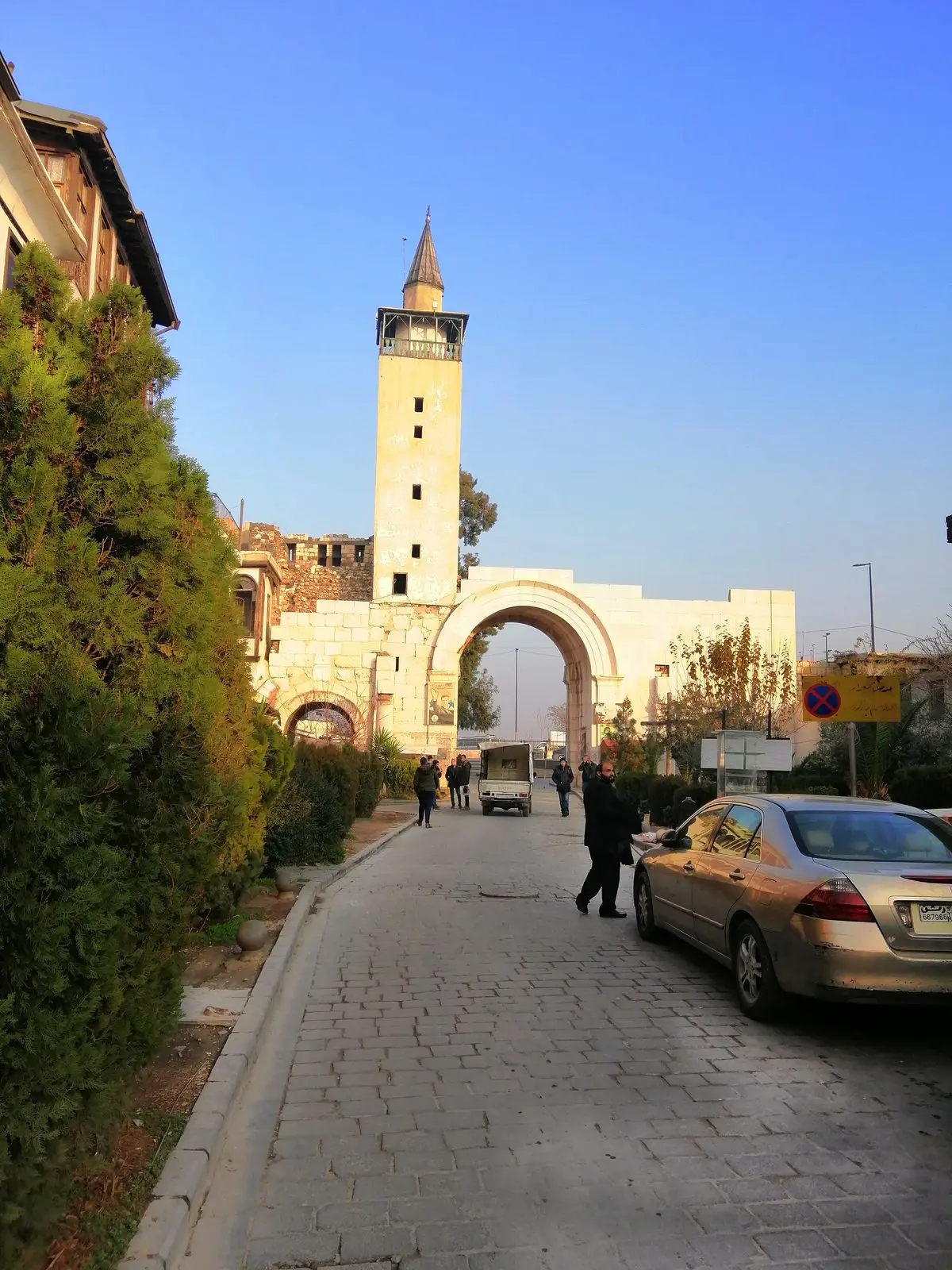
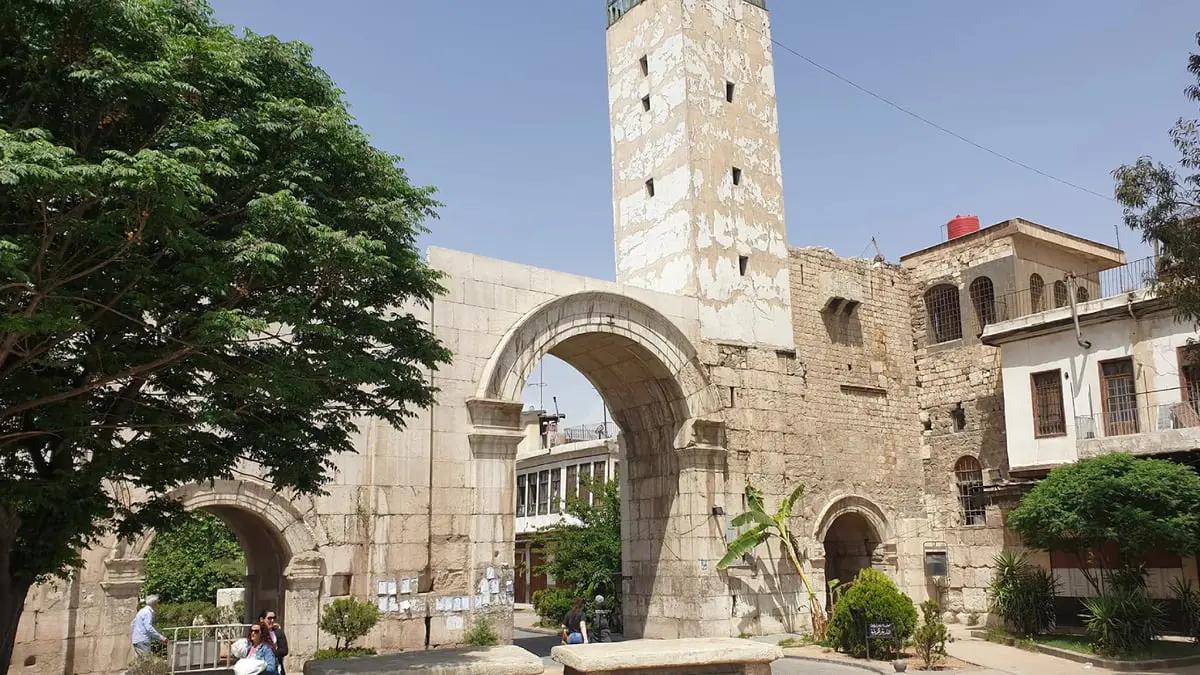
Spanning 1,566 meters from Bab al-Jabiya in the west to Bab Sharqi in the east, this ancient thoroughfare—known locally as Al-Shar'a al-Mustaqim—is a living museum. To walk its length is to flip through the pages of a two-millennium-old diary belonging to the oldest continuously inhabited city in the world.
A Street Named in the Heavens
The Straight Street holds a distinction no other street in the world can claim: it is the only one mentioned by name in the New Testament. In the Book of Acts (9:11), the Lord instructs Ananias: "Go to the street called Straight and ask at the house of Judas for a man from Tarsus named Saul." It was here that Saul of Tarsus—later St. Paul—regained his sight and began a journey that would change the course of world history. Today, the House of Ananias and the nearby Bab Kisan (where Paul was lowered in a basket to escape Roman persecution) remain holy pilgrimage sites, visited by millions, including Pope John Paul II during his historic 2001 visit.
From Roman Grandeur to Ottoman Charm
The street’s origins date back to the 1st century BC, following the Roman conquest led by Pompey in 64 BC. Originally called "Via Recta," it was a grand avenue lined with massive Corinthian columns. Legend even suggests the Greeks (Hellenists) designed it to link Bab Sharqi (representing the Sun God) with Bab al-Jabiya (representing Zeus), ensuring divine protection for the city.
Over the centuries, the street evolved with each ruling empire:
• The Mamluks: Renamed a section Souq Jaqmaq after the Prince Saif al-Din Jaqmaq.
• The Ottomans: In 1878, Governor Midhat Pasha widened the street, giving the western section its famous name, Midhat Pasha Souq.
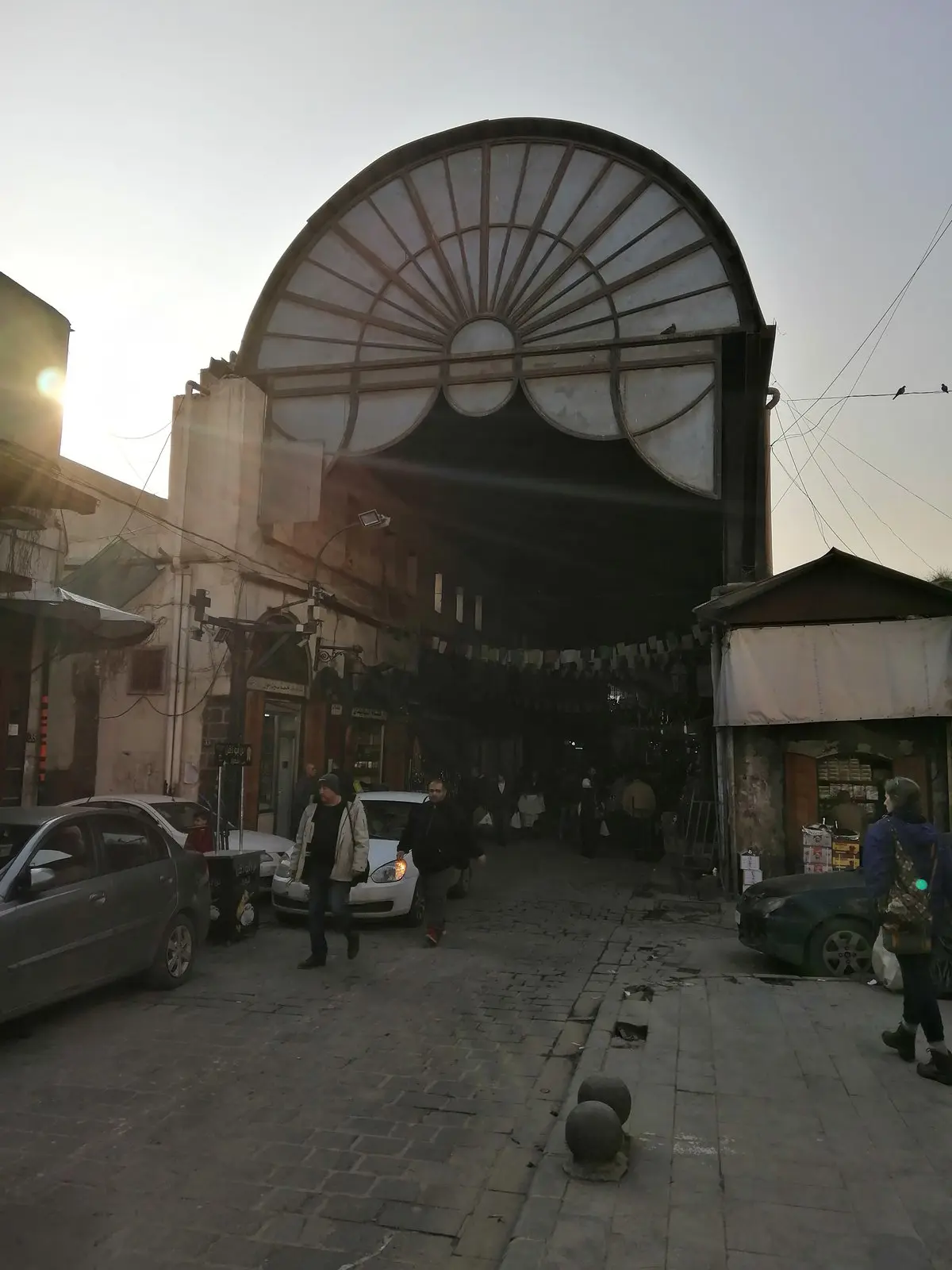
• Modern Touches: While once roofed with wood, Governor Hussein Nazim Pasha later covered the market with lead (tin) sheeting to protect it from fire and the elements.
A Tapestry of Faith: Mosques and Shrines
The Straight Street is a testament to Damascus's role as a spiritual crossroads. As you walk, you encounter dozens of minarets and quiet sanctuaries:
• Jami’ al-Sadat (The Mosque of the Martyrs): Located near the spot where the Muslim conquest of Damascus met. While Khalid ibn al-Walid entered through Bab Sharqi by the sword, Abu Ubaidah ibn al-Jarrah entered through Bab al-Jabiya offering peace. This mosque houses the remains of martyrs from that era and the shrine of the companion Mu’adh ibn Jabal.
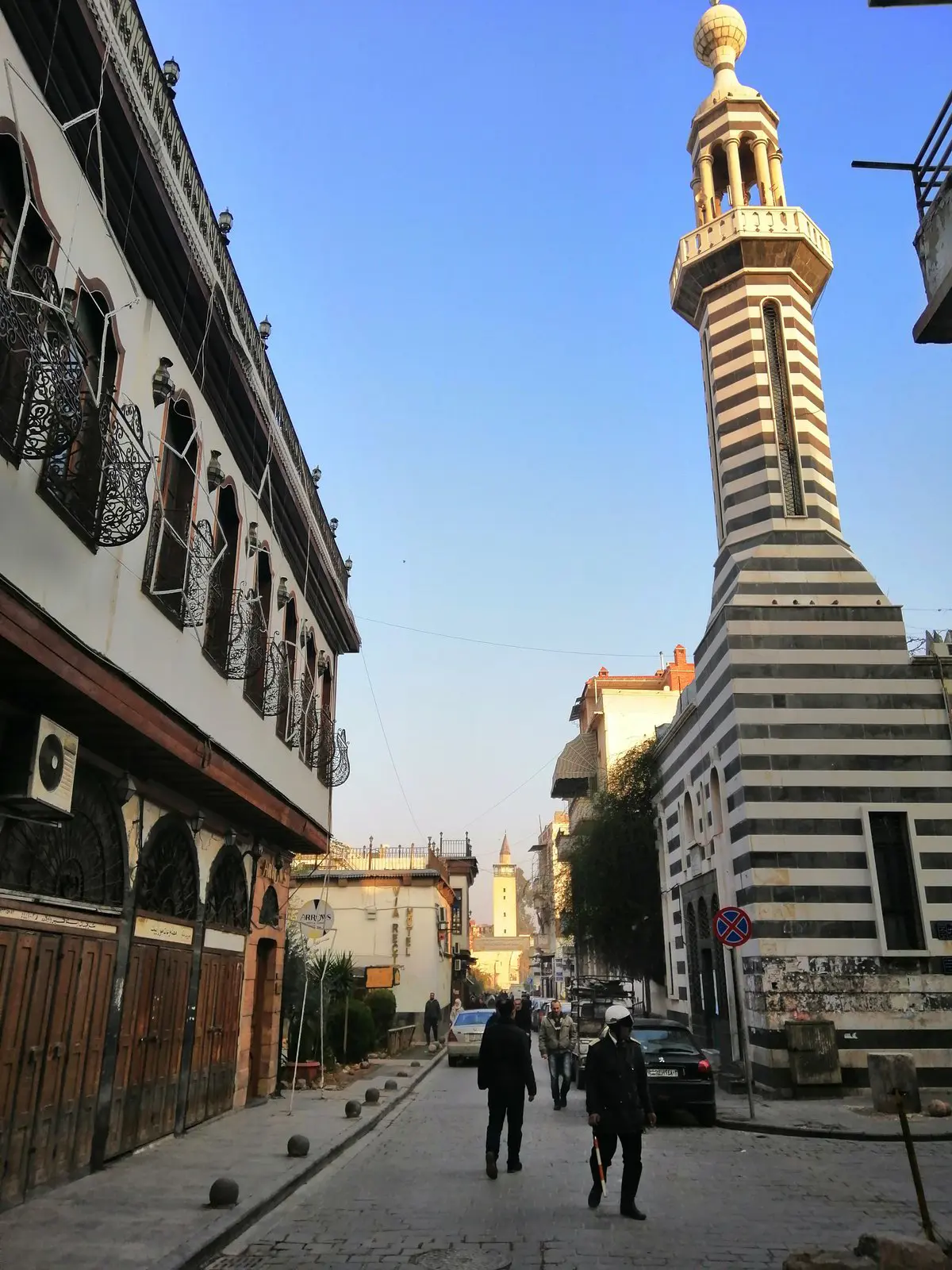
• Scholarly Landmarks: You will pass the mosques of famous Quranic reciters like Hisham and Abdullah bin Dhakwan, as well as the unique Minaret of al-Shahm.
• The Al-Amin Neighborhood: Named after the prominent scholar Muhsin al-Amin al-Amili, author of A'yan al-Shi'a. Nearby stands the Lady Fatima al-Zahra Complex, a grand structure renovated in 2015 that adds to the street's spiritual skyline.
The Sensory Soul of the Souk
Entering the covered portion of the market is a sensory explosion. On either side, shops overflow with:
• Textiles: Damascus is world-renowned for its unique "Agal," "Hattah," and one-of-a-kind Abayas.
• Aromas: The scent of freshly ground coffee mixes with the earthy perfumes of Attareen (herbalists) and the toasted notes from local roasteries.
• Craftsmanship: Further down, the rhythmic hammering of copper smiths signals the workshops where intricate Damascus metalwork is still born.
The Khans and Markets of the Via Recta
For centuries, the Straight Street was the ultimate commercial hub. Today, you can still visit the historic Khans (caravanserais) that once housed Silk Road traders:
• Khan As'ad Pasha: An architectural masterpiece of basalt and limestone.
• Khan al-Zait & Khan al-Dakka: Centers for oil and various trade goods.
• Specialty Souks: From the sweetness of Souq al-Sukkariyah to the textiles of Souq al-Dira’, every turn reveals a niche of Damascene industry.
•
Notable Landmark Significance
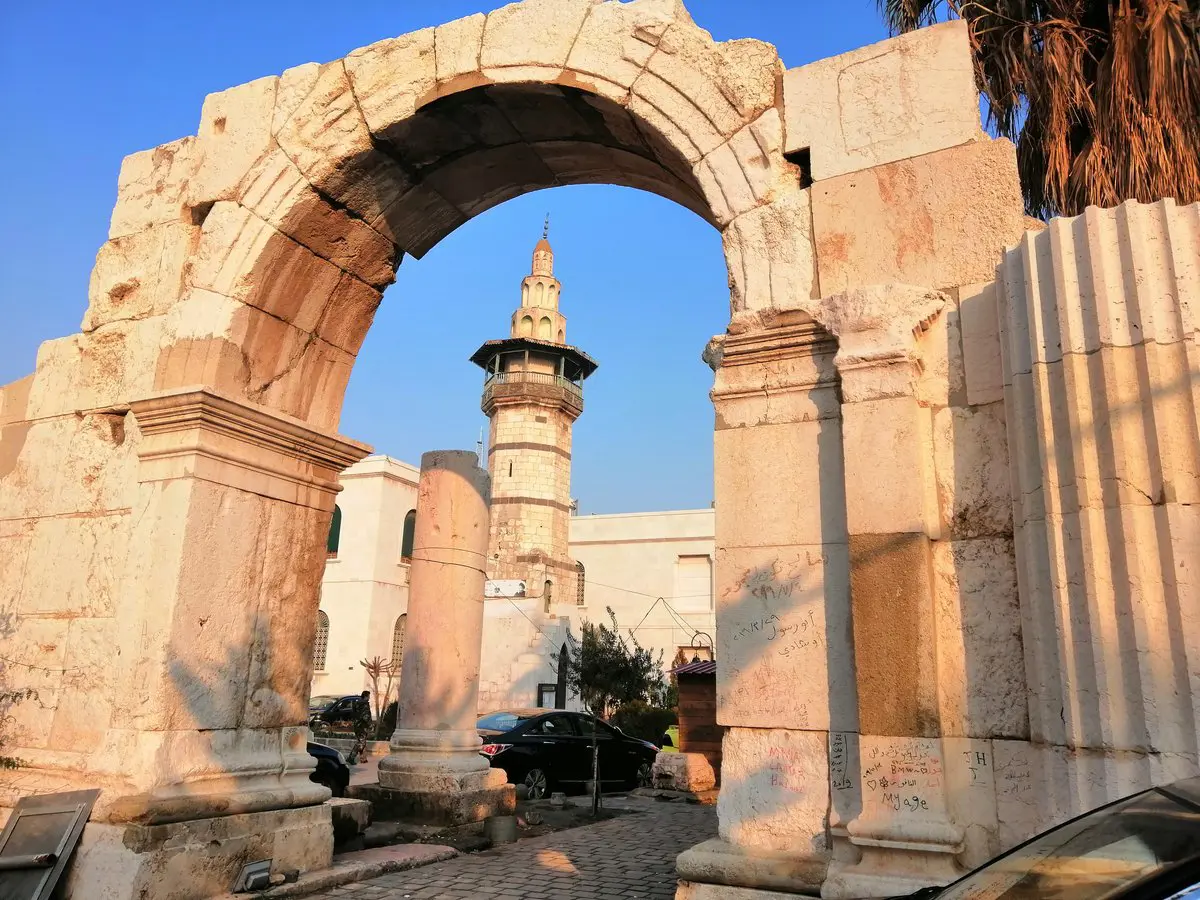
Roman Arch The last standing remnant of the Roman colonnade near the Mariamite Church.
The Qishla An old barracks where French occupation troops once gathered, now a public garden.
Mariamite Cathedral One of the oldest and most beautiful Greek Orthodox churches in the East.
A Path of Resilience and Coexistence
Beyond the Mariamite Cathedral, the street leads you through the Christian quarter, passing the headquarters of the Greek Orthodox, Syrian Catholic, and Armenian Orthodox Patriarchates. In the heart of the Qishla Garden, a monument stands as a somber reminder of the 1915 Armenian Martyrs, echoing the city’s long history of sheltering the displaced.
The journey ends at Bab Sharqi, the Sun Gate. Standing here, looking back down the 1.5-kilometer stretch, you realize that the Straight Street isn't just a road—it is the spine of Damascus. It has survived Roman chariots, Mongol invasions, Ottoman reforms, and French cannons.
Today, whether you are a pilgrim seeking the spirit of St. Paul or a traveler looking for the perfect silk scarf, the Straight Street welcomes you with the same enduring hospitality it has offered for over 2,000 years.
A Street Named in the Heavens
The Straight Street holds a distinction no other street in the world can claim: it is the only one mentioned by name in the New Testament. In the Book of Acts (9:11), the Lord instructs Ananias: "Go to the street called Straight and ask at the house of Judas for a man from Tarsus named Saul." It was here that Saul of Tarsus—later St. Paul—regained his sight and began a journey that would change the course of world history. Today, the House of Ananias and the nearby Bab Kisan (where Paul was lowered in a basket to escape Roman persecution) remain holy pilgrimage sites, visited by millions, including Pope John Paul II during his historic 2001 visit.
From Roman Grandeur to Ottoman Charm
The street’s origins date back to the 1st century BC, following the Roman conquest led by Pompey in 64 BC. Originally called "Via Recta," it was a grand avenue lined with massive Corinthian columns. Legend even suggests the Greeks (Hellenists) designed it to link Bab Sharqi (representing the Sun God) with Bab al-Jabiya (representing Zeus), ensuring divine protection for the city.
Over the centuries, the street evolved with each ruling empire:
• The Mamluks: Renamed a section Souq Jaqmaq after the Prince Saif al-Din Jaqmaq.
• The Ottomans: In 1878, Governor Midhat Pasha widened the street, giving the western section its famous name, Midhat Pasha Souq.
• Modern Touches: While once roofed with wood, Governor Hussein Nazim Pasha later covered the market with lead (tin) sheeting to protect it from fire and the elements.
A Tapestry of Faith: Mosques and Shrines
The Straight Street is a testament to Damascus's role as a spiritual crossroads. As you walk, you encounter dozens of minarets and quiet sanctuaries:
• Jami’ al-Sadat (The Mosque of the Martyrs): Located near the spot where the Muslim conquest of Damascus met. While Khalid ibn al-Walid entered through Bab Sharqi by the sword, Abu Ubaidah ibn al-Jarrah entered through Bab al-Jabiya offering peace. This mosque houses the remains of martyrs from that era and the shrine of the companion Mu’adh ibn Jabal.
• Scholarly Landmarks: You will pass the mosques of famous Quranic reciters like Hisham and Abdullah bin Dhakwan, as well as the unique Minaret of al-Shahm.
• The Al-Amin Neighborhood: Named after the prominent scholar Muhsin al-Amin al-Amili, author of A'yan al-Shi'a. Nearby stands the Lady Fatima al-Zahra Complex, a grand structure renovated in 2015 that adds to the street's spiritual skyline.
The Sensory Soul of the Souk
Entering the covered portion of the market is a sensory explosion. On either side, shops overflow with:
• Textiles: Damascus is world-renowned for its unique "Agal," "Hattah," and one-of-a-kind Abayas.
• Aromas: The scent of freshly ground coffee mixes with the earthy perfumes of Attareen (herbalists) and the toasted notes from local roasteries.
• Craftsmanship: Further down, the rhythmic hammering of copper smiths signals the workshops where intricate Damascus metalwork is still born.
The Khans and Markets of the Via Recta
For centuries, the Straight Street was the ultimate commercial hub. Today, you can still visit the historic Khans (caravanserais) that once housed Silk Road traders:
• Khan As'ad Pasha: An architectural masterpiece of basalt and limestone.
• Khan al-Zait & Khan al-Dakka: Centers for oil and various trade goods.
• Specialty Souks: From the sweetness of Souq al-Sukkariyah to the textiles of Souq al-Dira’, every turn reveals a niche of Damascene industry.
•
Notable Landmark Significance
Roman Arch The last standing remnant of the Roman colonnade near the Mariamite Church.
The Qishla An old barracks where French occupation troops once gathered, now a public garden.
Mariamite Cathedral One of the oldest and most beautiful Greek Orthodox churches in the East.
A Path of Resilience and Coexistence
Beyond the Mariamite Cathedral, the street leads you through the Christian quarter, passing the headquarters of the Greek Orthodox, Syrian Catholic, and Armenian Orthodox Patriarchates. In the heart of the Qishla Garden, a monument stands as a somber reminder of the 1915 Armenian Martyrs, echoing the city’s long history of sheltering the displaced.
The journey ends at Bab Sharqi, the Sun Gate. Standing here, looking back down the 1.5-kilometer stretch, you realize that the Straight Street isn't just a road—it is the spine of Damascus. It has survived Roman chariots, Mongol invasions, Ottoman reforms, and French cannons.
Today, whether you are a pilgrim seeking the spirit of St. Paul or a traveler looking for the perfect silk scarf, the Straight Street welcomes you with the same enduring hospitality it has offered for over 2,000 years.
Reviews & Ratings
0.0
★★★★★
0 reviews
💬
No reviews yet. Be the first to review!
Contact & Location
1,566 meters from Bab al-Jabiya in the west to Bab Sharqi in the east
Old Damascus
Damascus
Activity
163
Views
13
Likes
1,566 meters from Bab al-Jabiya in the west to Bab Sharqi in the east
Similar Places

Unveiling the Cradle of History: Your Ultimate Guide to Syria Museums
Tartus
New
Culture & LifestyleDiscover Our Lady of Saidnaya Monastery: History, Faith, and Visitor Guide
Damascus
New
Culture & Lifestyle.jpeg&w=1200&q=75)
Cherubim Monastery Syria: A Journey Above the Clouds
Damascus
New
Culture & Lifestyle
The Ultimate Guide to the Great Umayyad Mosque in Damascus
Damascus
New
Culture & Lifestyle
The Saint’s Path: A Sacred Journey from Damascus to Maaloula and Sednaya
Damascus
New
History & HeritageThe Mariamite Cathedral of Damascus: A Timeless Beacon of Faith in Old Syria
Damascus
New
Culture & LifestyleMore in Damascus
A Taste of Damascus: 5 Authentic Local Restaurants You Must Visit
Damascus
New
Caffe & Restaurants
Eagle Hills Syria: A New Vision for Damascus and Latakia
Damascus
New
Investment
Fashion Gate Mall Syria: A New Luxury Shopping Destination in Damascus
Damascus
New
Markets & Shopping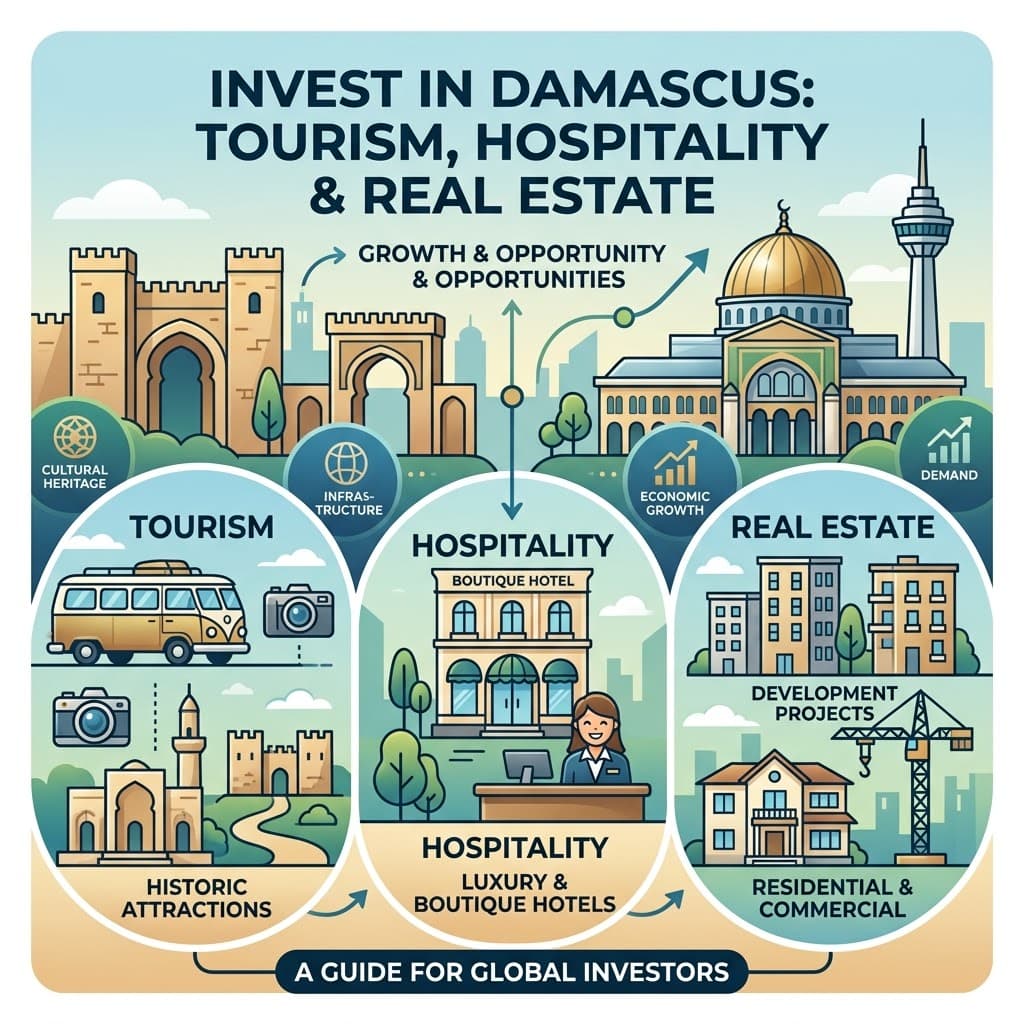
Investing in Damascus: Tourism, Hospitality & Real Estate
Damascus
New
Investment
10 Places Every Syrian Remembers From Childhood
Damascus
New
Culture & LifestyleSki Land Damascus: When Ice Skating Brings Back the Joy
Damascus
5.0(1)
Adventure More History & Heritage Places
15 Hidden Places in Syria That Look Like They Belong in Another World
Syria
New
History & Heritage.jpeg&w=1200&q=75)
🏰 Aleppo Citadel: A Journey Through Thousands of Years of Syrian History
Aleppo
New
History & Heritage
Unveiling the Orontes River: A 3-Day Syrian Journey
Hama
New
Adventure .jpeg&w=1200&q=75)
Discovering the Euphrates River: History, Travel, and Beauty in Syria
Raqqa
New
Adventure Unveiling the Cradle of History: Your Ultimate Guide to Syria Museums
Tartus
New
Culture & LifestyleDiscover Our Lady of Saidnaya Monastery: History, Faith, and Visitor Guide
Damascus
New
Culture & Lifestyle